
Zinc and childhood growth are closely linked, as this essential mineral plays a pivotal role in children’s physical development and immune system support. Many recent scientific studies have shown that zinc deficiency can negatively affect the body’s ability to fight infections and may also slow down both physical and mental growth in children. Therefore, understanding zinc’s importance in children’s daily nutrition is crucial for parents and anyone interested in nutrition and child health.
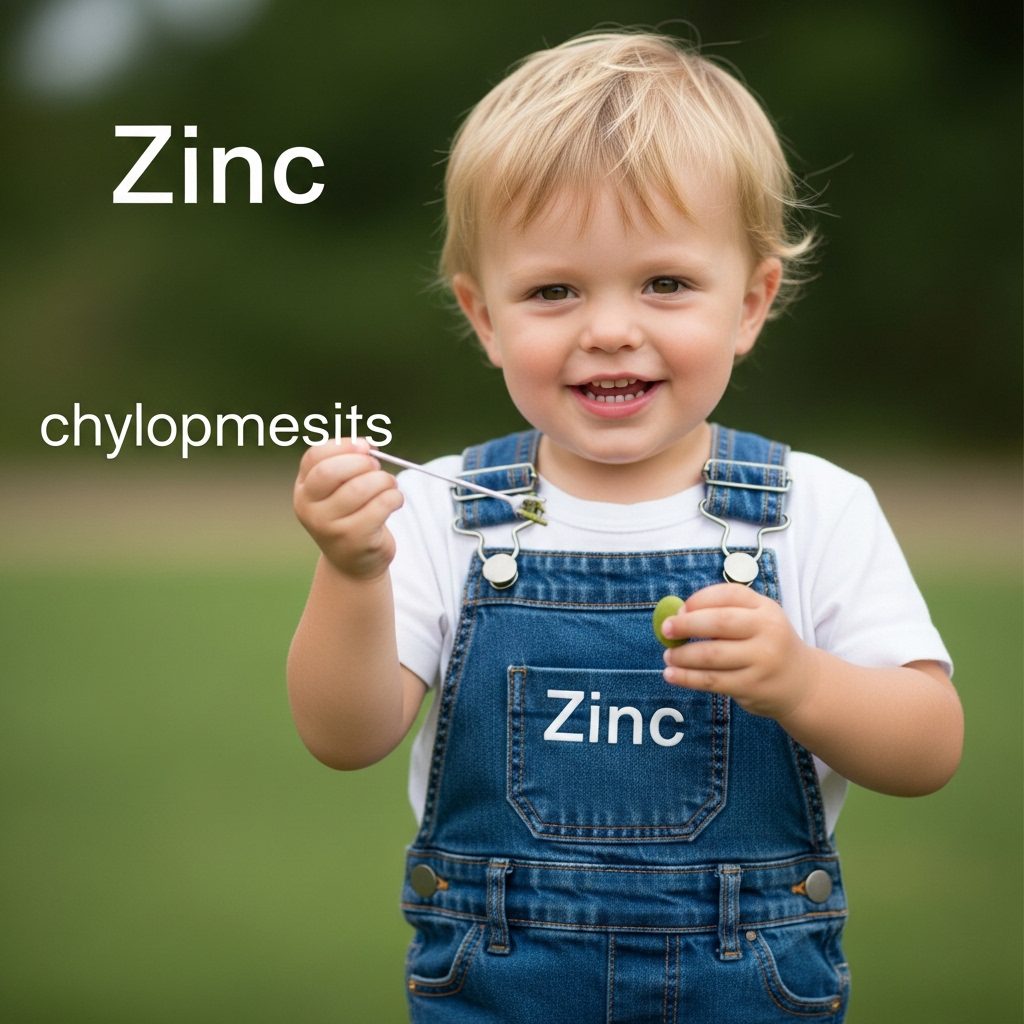
The Role of Zinc in Childhood Growth:
Zinc is a vital mineral involved in more than 300 biological processes in the body, from cell formation to promoting muscle growth. For children, zinc plays a key role in:
1. Strengthening immunity: Zinc helps strengthen children’s immune systems and prevent various types of infections.
2. Bone and cartilage growth: Zinc is involved in collagen formation, which is essential for building and maintaining strong bones, and it also supports healthy growth of cartilage and joints.
3. Rapid wound healing: Zinc contributes to faster healing of minor wounds, which is important for children due to their continuous activity and movement.
4. Improving appetite: One of the most important benefits of zinc for children is enhancing appetite, especially for those who suffer from poor appetite, as low zinc levels can negatively affect their overall health.
5. Promoting healthy skin and hair: Zinc helps maintain healthy skin and hair and prevents skin infections.

Zinc and Childhood Growth: Immune System Support:
One of the most prominent roles of zinc is supporting the immune system. It helps enhance the body’s natural defenses against viruses and bacteria. Children who get enough zinc are less likely to suffer from common infections, such as colds and respiratory infections.
Zinc particularly helps in:
- Enhancing the production of white blood cells (which fight infections).
- Improving the body’s response to inflammation.
- Supporting the production of antibodies that help combat germs.
Symptoms of Zinc Deficiency in Children:
Recognizing the signs of zinc deficiency is important to prevent its negative effects on growth and immunity. Common symptoms include:
- Weak immune system.
- Delayed growth, including height and weight.
- Loss of appetite.
- Increased frequency of infections.
- Slow wound healing.
- Hair loss.
- Weak concentration.
If any of these symptoms are observed, doctors often recommend a blood test to determine zinc levels in the body.

Dietary Sources of Zinc for Childhood Growth:
Zinc can be obtained from a variety of natural foods. Some zinc-rich sources include:
1. Animal protein: Red meat, poultry, and fish are among the best sources of zinc, as zinc in them is more easily absorbed compared to plant sources.
2. Legumes and nuts: Beans, lentils, chickpeas, walnuts, and almonds contain good amounts of zinc. However, some contain phytic acid, which may reduce zinc absorption, so soaking legumes or roasting nuts can help improve absorption.
3. Whole grains: Oats, brown rice, and whole wheat provide zinc in a healthy way, in addition to the dietary fiber necessary for digestion.
4. Dairy products: Milk and cheese contain zinc along with calcium and protein essential for bone growth.

Children’s Zinc Requirements:
The recommended daily amount of zinc varies by age:
- Children from birth to 6 months: 2 mg daily.
- Children from 7 months to 3 years: 3 mg daily.
- Children from 4 to 8 years: 5 mg daily.
- Children from 9 to 13 years: 8 mg daily.
- Children from 14 to 18 years: 9 mg daily.
Tips to Support Child Growth Through Nutrition:
Although zinc is particularly important, children’s overall nutritional health depends on a balanced diet. Some focus areas include:
1. Diversifying foods to provide all essential minerals and vitamins.
2. Encouraging children to consume proteins from varied sources.
3. Offering fresh fruits and vegetables to support the immune system with vitamins and minerals.
4. Limiting processed foods and excessive sugars that may reduce nutrient absorption.

Zinc is an essential element for children’s growth and supports their immune health. Parents’ attention to ensuring their children get adequate zinc through a balanced diet can enhance physical growth, mental development, and protect them from common illnesses. Proper nutrition from childhood affects not only current health but also establishes a strong foundation for long-term healthy growth.
For more detailed information about nutrition and tips for supporting children’s growth, you can visit Nutrition Travels, where we provide reliable and simplified scientific content for parents and those interested in children’s health.