In the heart of Florence, history does not sit quietly—it lives in every street, building, and meal. Located in Italy, Florence stands as the birthplace of the Renaissance. Moreover, it shaped the way the world understands art, culture, and human creativity.
Unlike many cities, Florence does not separate past from present. Instead, it blends them seamlessly. As you walk through its streets, you will notice grand cathedrals, world-class museums, and everyday life happening side by side. Additionally, the city reflects a strong Tuscan identity, especially through its cuisine and traditions.
Because of this unique balance, Florence offers more than sightseeing. It delivers a deep cultural experience that stays with you long after you leave.
The Soul of Florence: Renaissance Art:
Uffizi Gallery: Where Art Comes Alive:
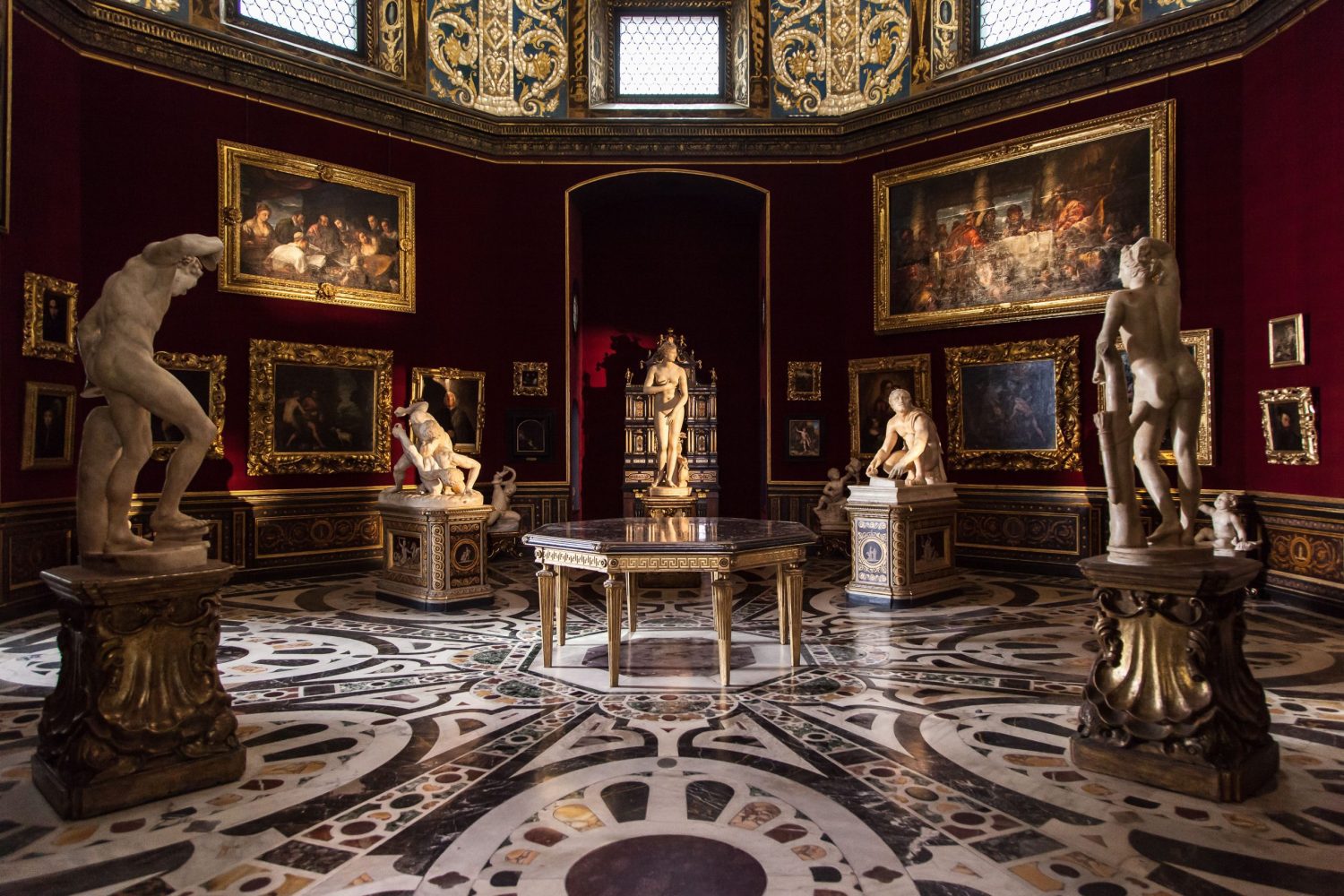
The Uffizi Gallery holds some of the most important artworks in the world. For example, you will find masterpieces by Botticelli, Leonardo da Vinci, and Raphael.
Moreover, the museum tells a story. Each room shows a different stage of artistic development. Therefore, visitors can clearly understand how the Renaissance transformed art.
Instead of simply displaying paintings, the Uffizi creates an emotional journey. As a result, you feel connected to the ideas and creativity of the past.
Galleria dell’Accademia: The Power of Michelangelo:
The Galleria dell’Accademia features Michelangelo’s famous David. This sculpture stands as one of the greatest achievements in art history.
In addition, the statue shows incredible detail and precision. Michelangelo carved it from a single block of marble. Therefore, the artwork represents both skill and vision.
When you see it in person, you immediately understand its importance.
Architectural Beauty That Defines Florence:
Florence Cathedral: The Duomo Experience:
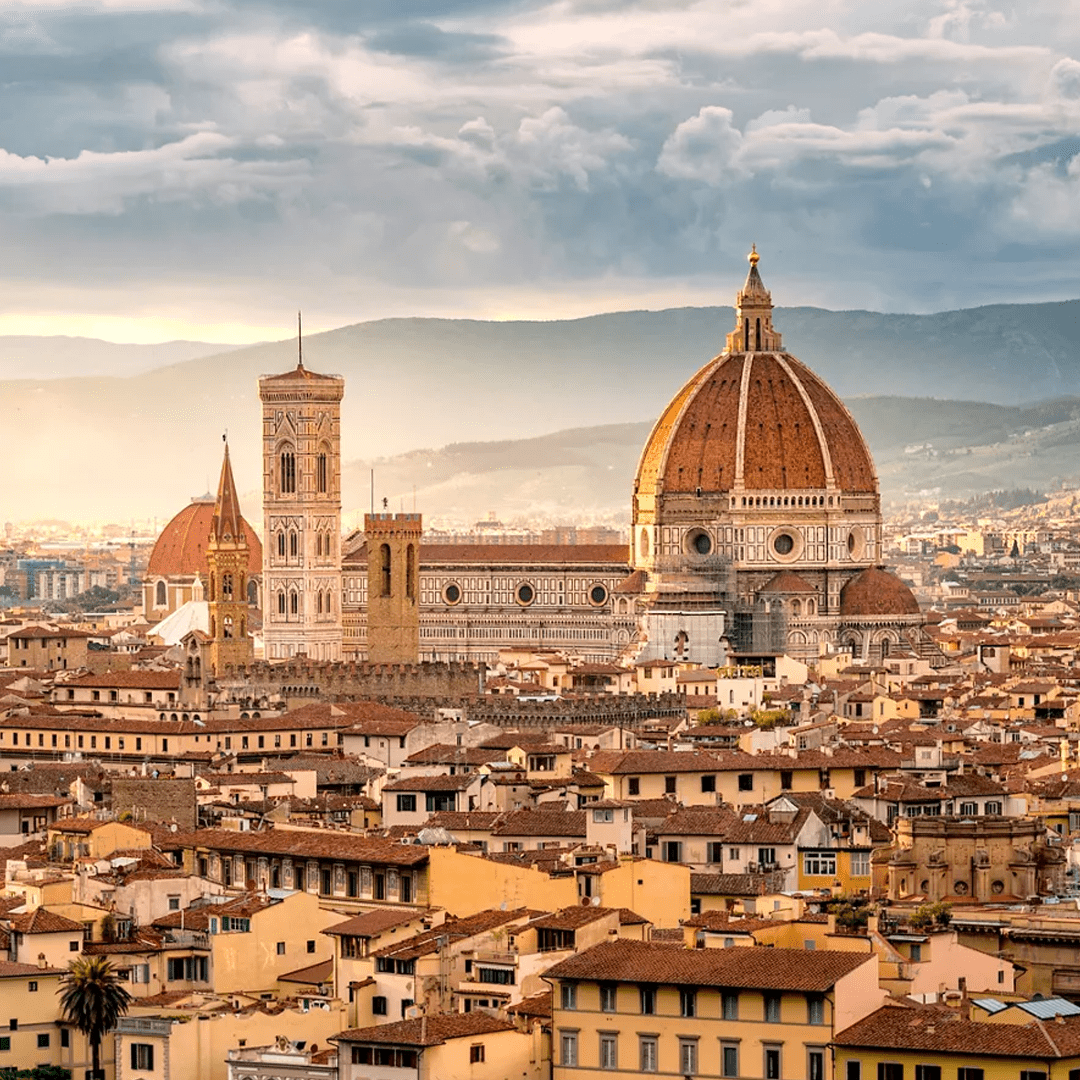
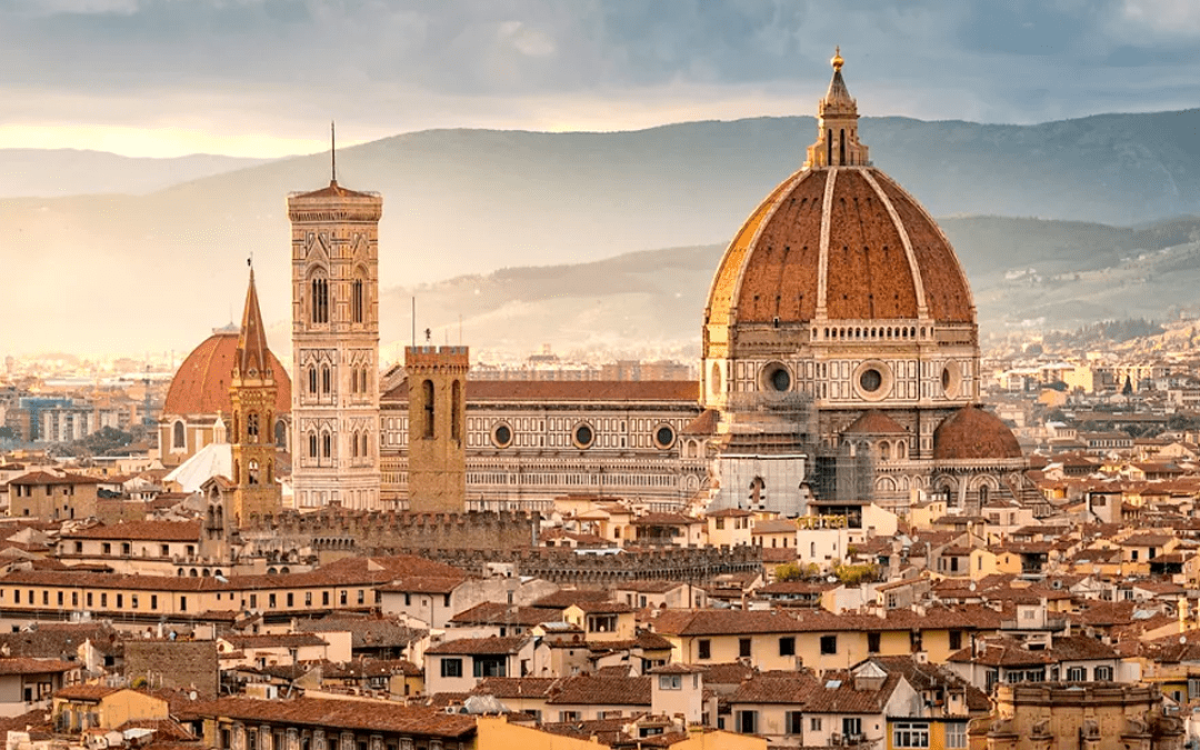
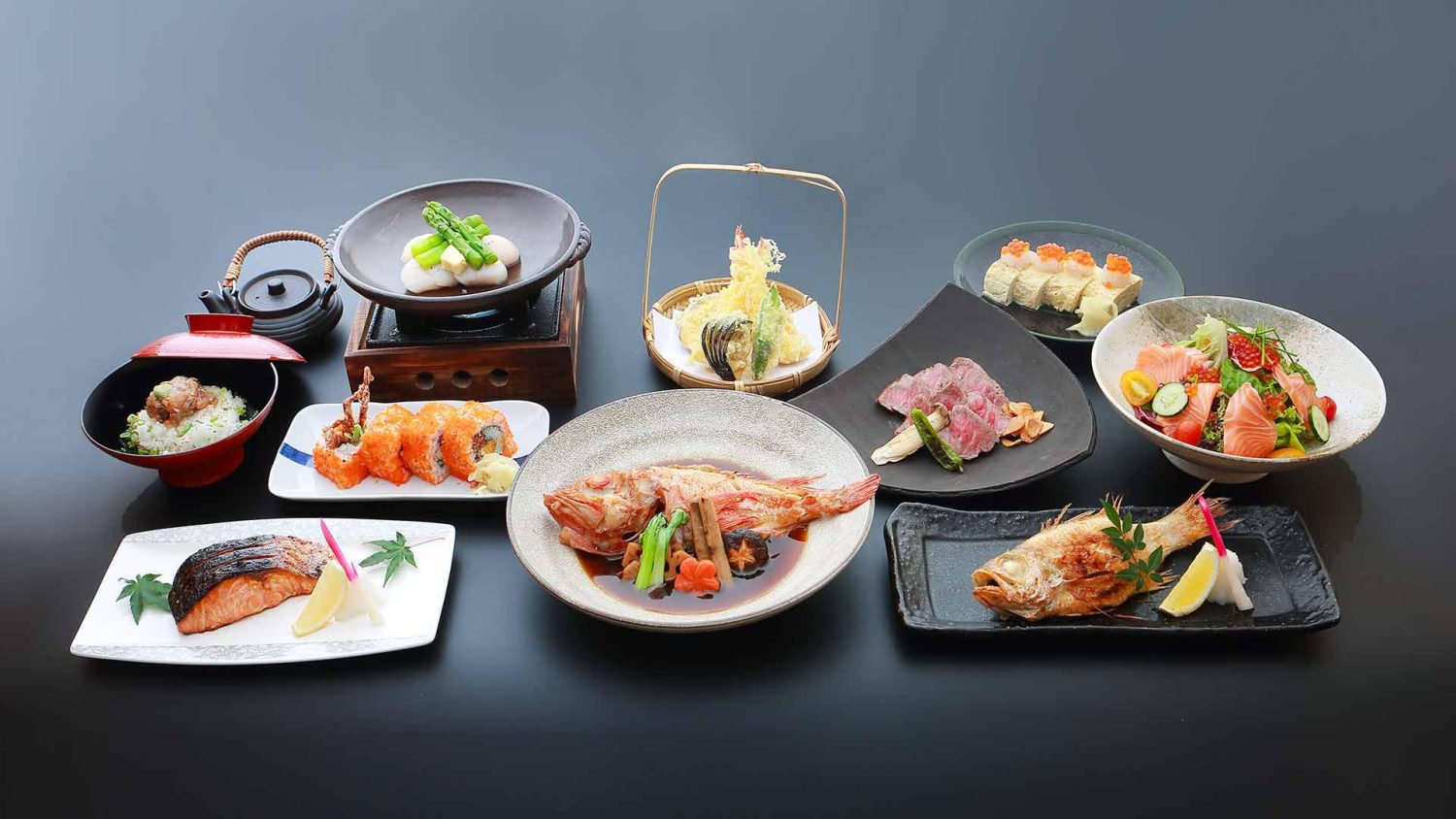
The Florence Cathedral dominates the city skyline. Its dome, designed by Brunelleschi, marked a major innovation in architecture.
Additionally, visitors can climb to the top. From there, you will see panoramic views of Florence and the surrounding hills.
As you explore the cathedral, you will notice how design and engineering work together to create something timeless.
Ponte Vecchio: A Bridge with Character:
The Ponte Vecchio crosses the Arno River and connects two sides of Florence. Unlike most bridges, it hosts shops along its path.
Historically, goldsmiths occupied these shops. Today, they still reflect Florence’s long tradition of craftsmanship.
Moreover, the bridge survived World War II. Therefore, it remains a symbol of resilience and history.
Tuscan Cuisine: Simplicity with Depth:
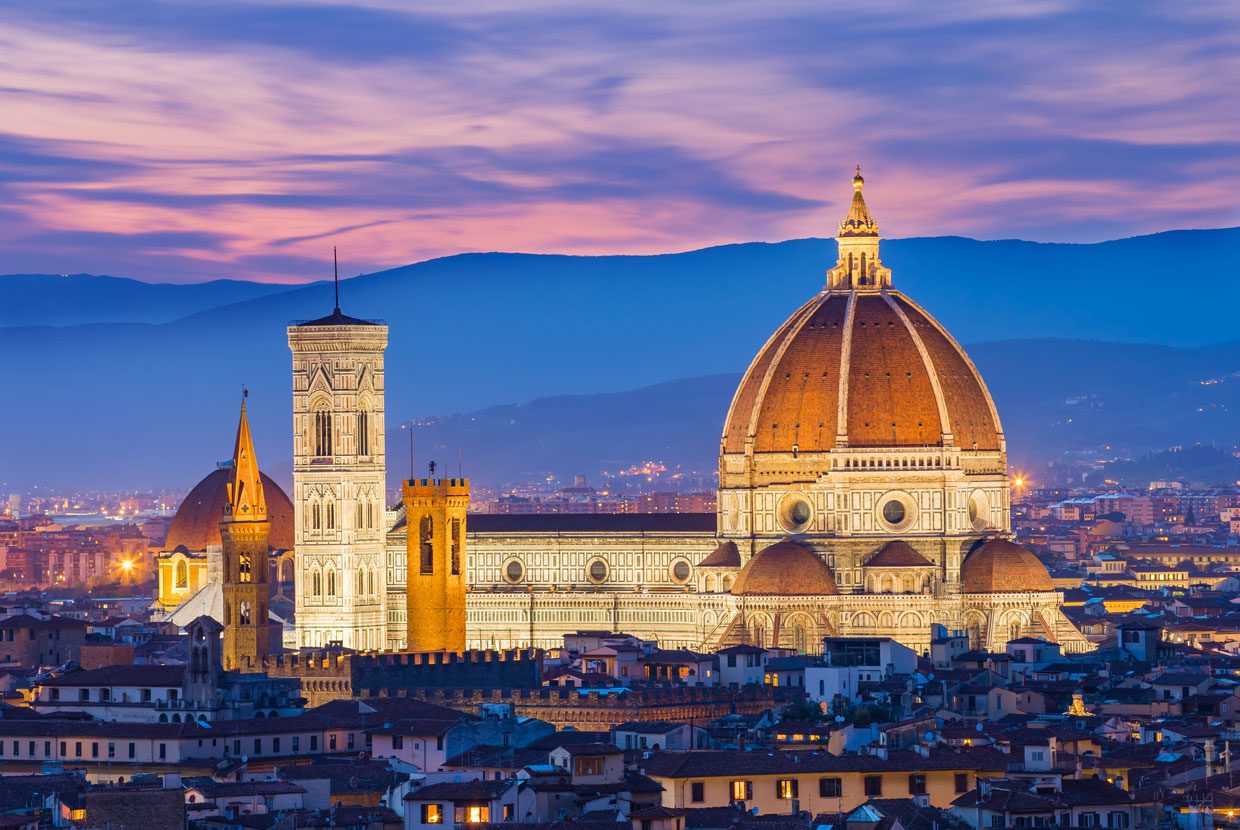
Florence takes pride in Tuscan cuisine. It focuses on fresh ingredients and simple preparation.
Traditional Dishes:
One of the most famous dishes is Bistecca alla Fiorentina. It features a thick steak cooked over open flames. Because of its simplicity, the quality of the meat becomes the focus.
Another dish is Ribollita. This soup combines vegetables, beans, and bread. Traditionally, locals created it from leftover ingredients. However, today it remains a beloved comfort food.
Additionally, Pappa al Pomodoro uses tomatoes, bread, and olive oil. It highlights how simple ingredients can create rich flavor.
Wine and Olive Oil Culture:
Tuscany produces some of Italy’s best wines, especially Chianti. People often enjoy wine during meals, which enhances the dining experience.
Moreover, olive oil plays a key role in Tuscan cooking. It adds flavor and reflects the region’s agricultural heritage.
Exploring Florence on Foot:
Florence encourages walking. As a result, you can easily explore its streets, squares, and hidden corners.
Palazzo Vecchio and Piazza della Signoria:
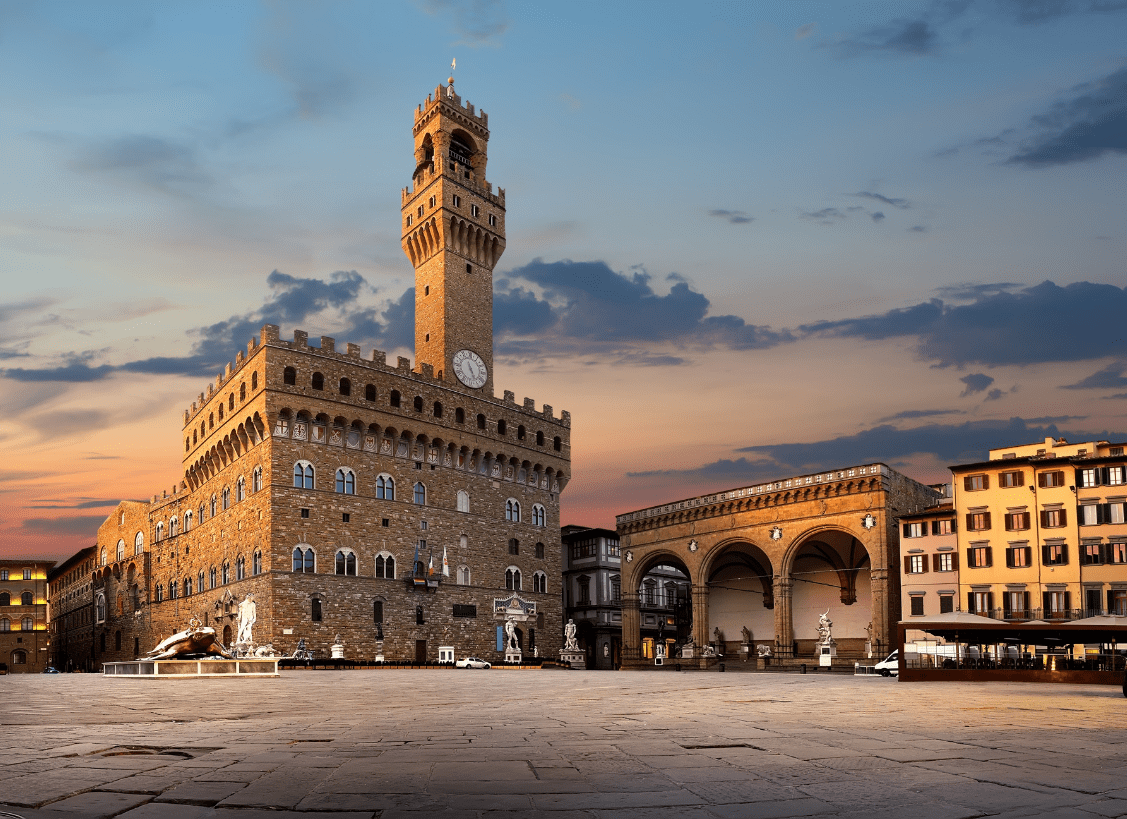
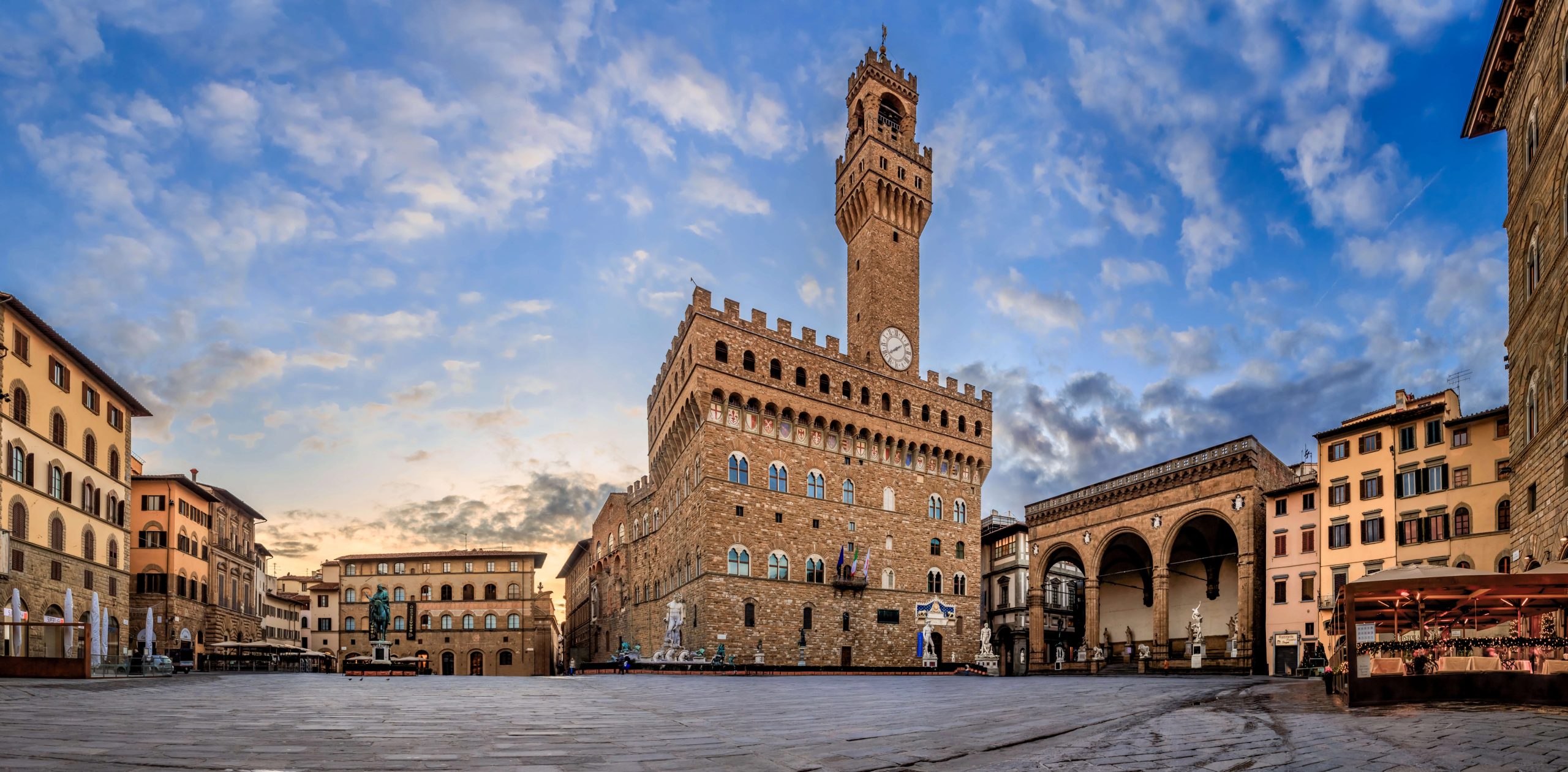
Piazza della Signoria serves as a cultural and political center. In the square, you will find Palazzo Vecchio, which still represents Florence’s civic power.
Additionally, the square features sculptures and open-air art. Therefore, it feels like a museum without walls.
As you walk through this area, you will notice both locals and visitors sharing the same space. This creates a lively and authentic atmosphere.
Artisan Culture:
Florence continues to support traditional craftsmanship. For example, artisans create leather goods, jewelry, and artwork by hand.
Moreover, these workshops preserve skills that pass through generations. As a result, visitors can experience authentic local culture.
The Tuscan Way of Life:
Florence reflects a deeper philosophy. People here value simplicity, balance, and beauty.
Instead of rushing, they take time to enjoy life. Meals last longer. Conversations feel meaningful. Additionally, daily routines focus on quality rather than speed.
This mindset shapes the entire experience of the city. Therefore, visitors often feel more relaxed and present.
Best Time to Visit Florence:
Spring and autumn offer the best experience. During these seasons, the weather stays pleasant. Moreover, crowds remain manageable.
Summer brings energy and events, but it can feel crowded. In contrast, winter offers a quieter and more intimate atmosphere.
Practical Travel Tips:
First, wear comfortable shoes. The streets are mostly cobblestone, so walking becomes easier with proper footwear.
Second, book tickets in advance for major attractions. This helps you avoid long waiting times.
Additionally, dress appropriately when visiting religious sites. This shows respect for local culture.
Finally, take your time. Florence rewards slow exploration. Therefore, the more you slow down, the more you experience.
Whether you’re passionate about Renaissance masterpieces, historic architecture, or authentic Tuscan cuisine, Florence offers an unforgettable journey through Italy’s cultural heart.
At Nutrition Travels, we believe that travel should inspire and connect you. Florence does exactly that. It offers a journey that blends culture, history, and emotion into one unforgettable experience.