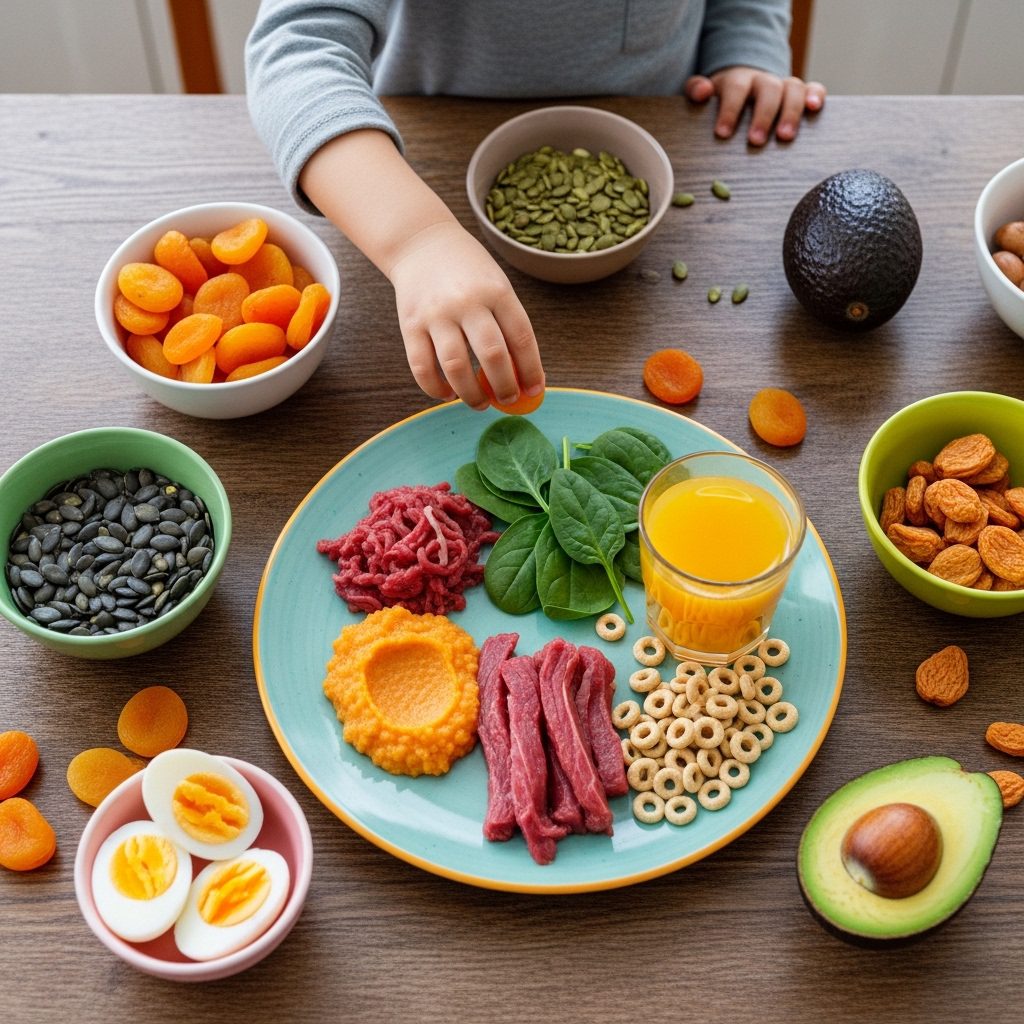
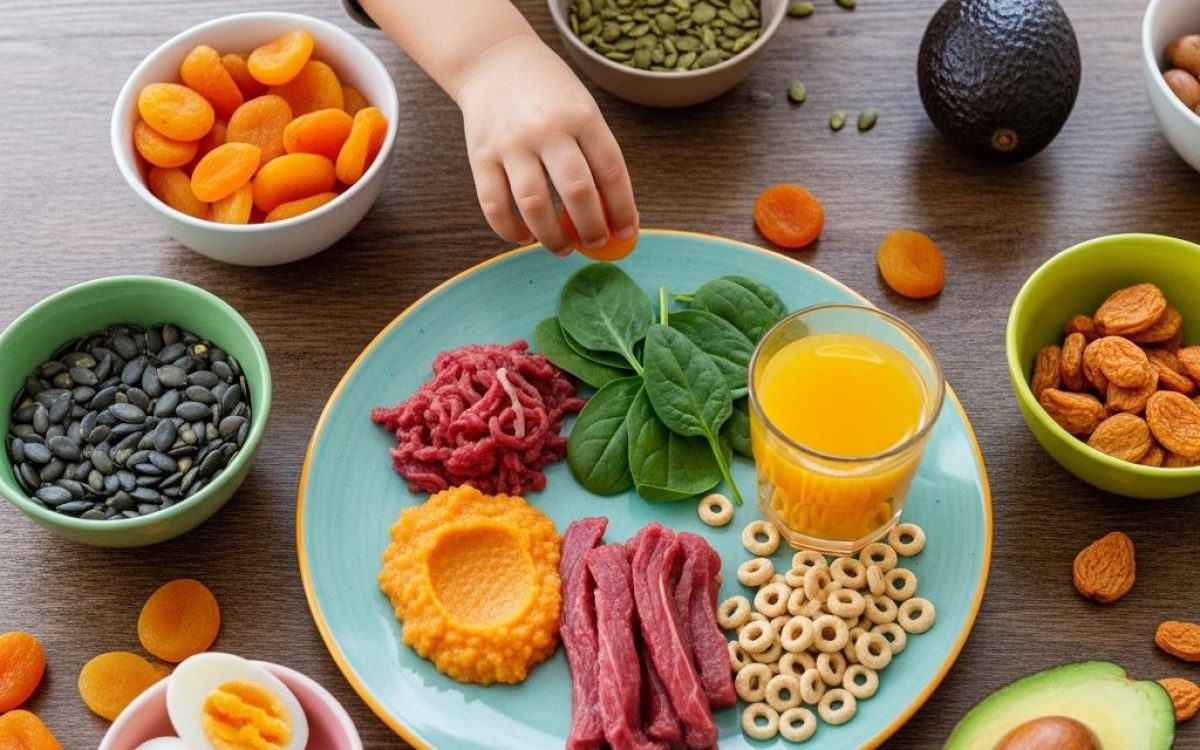
Have you ever noticed your child feeling unusually tired, struggling to concentrate, or appearing paler than usual? While many factors can affect a child’s energy and focus, one of the most common nutritional causes worldwide is iron deficiency, Understanding Iron-Rich Diets for Children is not just about preventing anemia — it’s about protecting cognitive development, physical growth, and everyday vitality during the most important learning years.
In this first part, we’ll explore why iron matters so much in childhood and how it directly impacts both oxygen transport and brain performance.
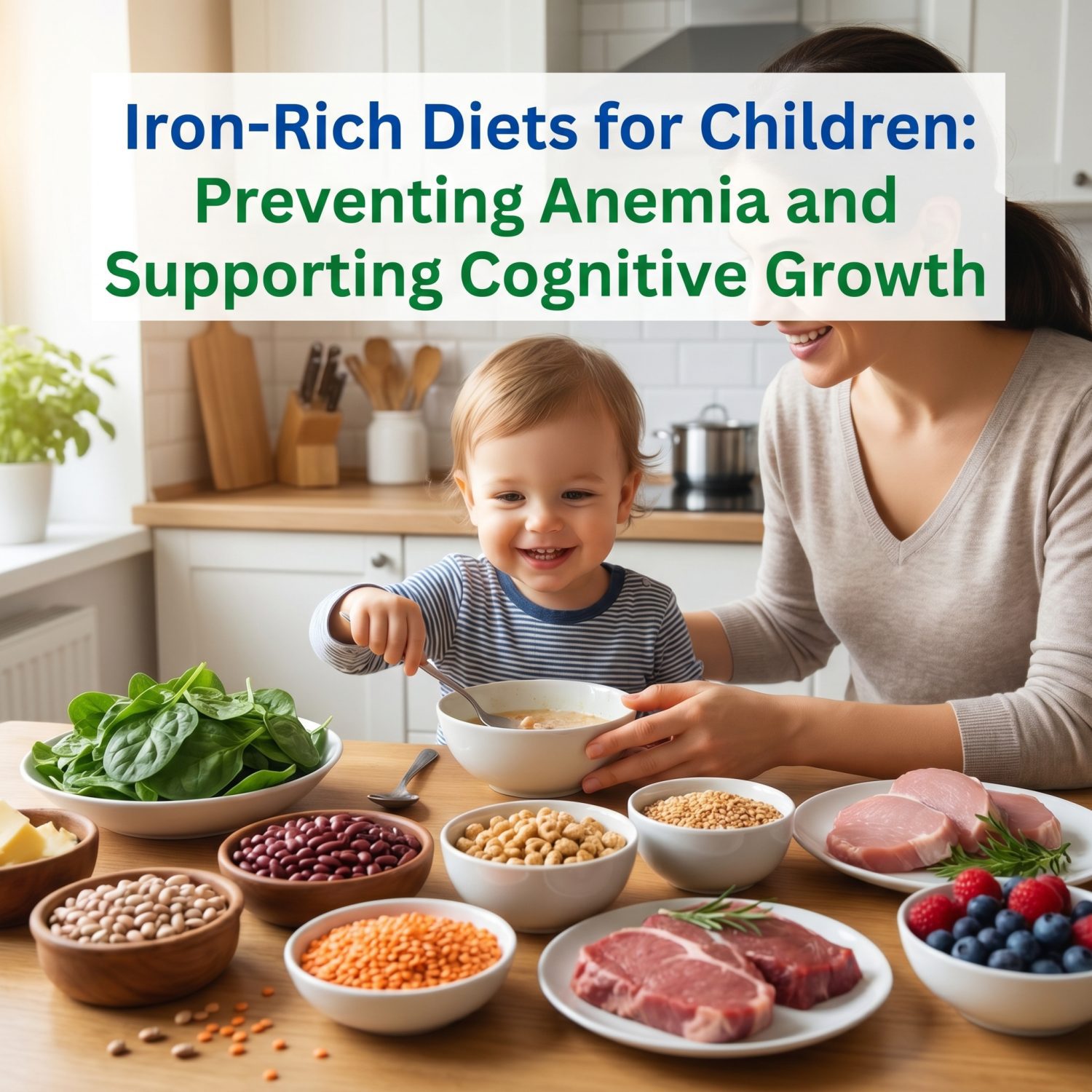
Iron-Rich Diets for Children: Why Iron Is Essential in Childhood:
Iron is a mineral that plays a central role in producing hemoglobin — the protein in red blood cells that carries oxygen throughout the body.
Without adequate iron:
-
- Oxygen delivery to tissues decreases
- Energy levels drop
- Brain function may be affected
This is why Iron-Rich Diets for Children are critical during growth phases when both the body and brain are developing rapidly.
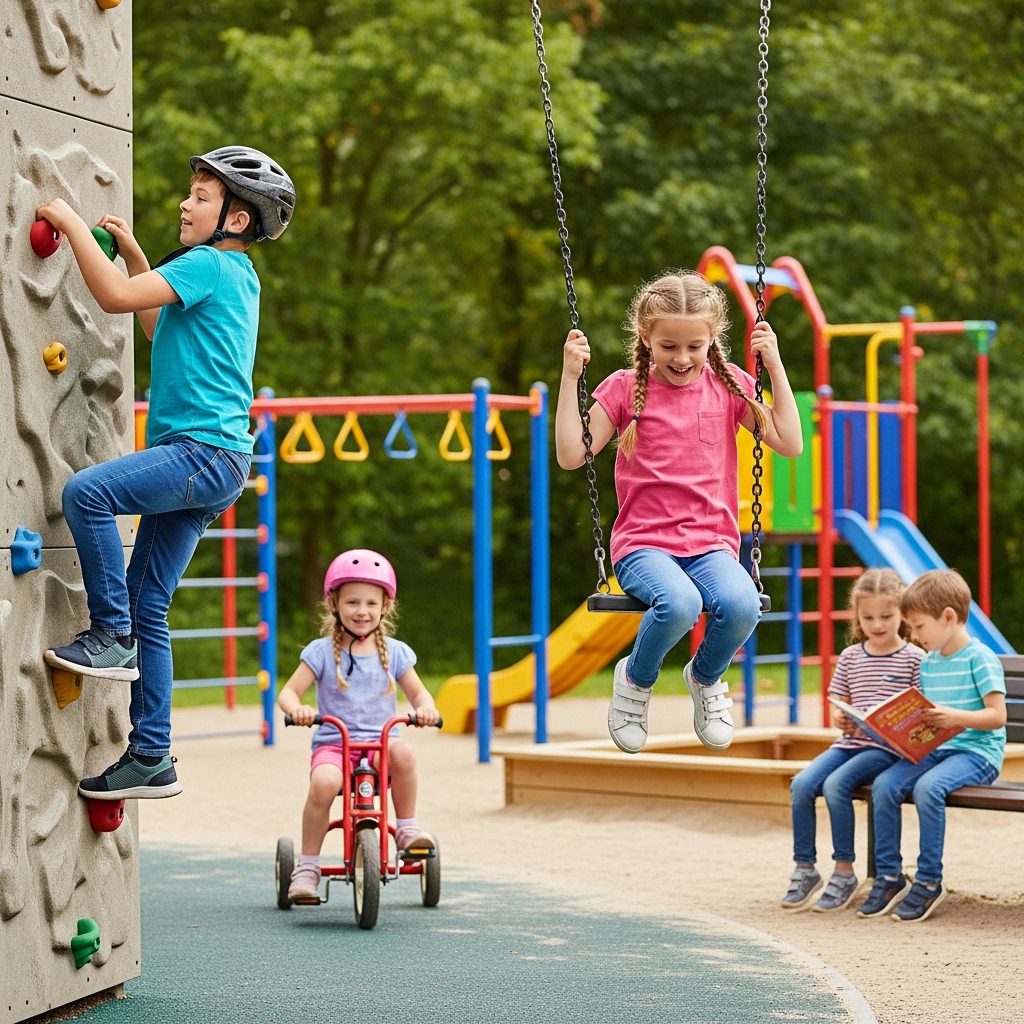
Children between ages 4 and 13 experience steady physical expansion and increasing academic demands. Their iron needs must keep pace.
Iron-Rich Diets for Children: Iron and Cognitive Development:
You might be wondering: how exactly does iron influence learning?
Iron contributes to:
-
- Neurotransmitter production
- Myelin formation (which helps nerve signaling)
- Attention and memory processes
When iron levels are low, children may experience:
-
- Reduced attention span
- Slower information processing
- Fatigue during school hours
Research consistently links iron deficiency anemia with impaired cognitive performance. This makes Iron-Rich Diets a foundational component of academic readiness — not just physical health.
Understanding Anemia in Children:
Anemia occurs when the body lacks enough healthy red blood cells to carry adequate oxygen.
Common symptoms include:
-
- Fatigue
- Pale skin
- Shortness of breath during activity
- Irritability
Iron deficiency is the most common cause of anemia in children globally.
Preventing anemia through Iron-Rich Diets for Children is far more effective than correcting deficiency later.
Iron-Rich Diets for Children: Types of Dietary Iron:
Not all iron is absorbed equally. There are two types:
1- Heme Iron:
Found in animal sources such as:
-
- Lean red meat
- Poultry
- Fish
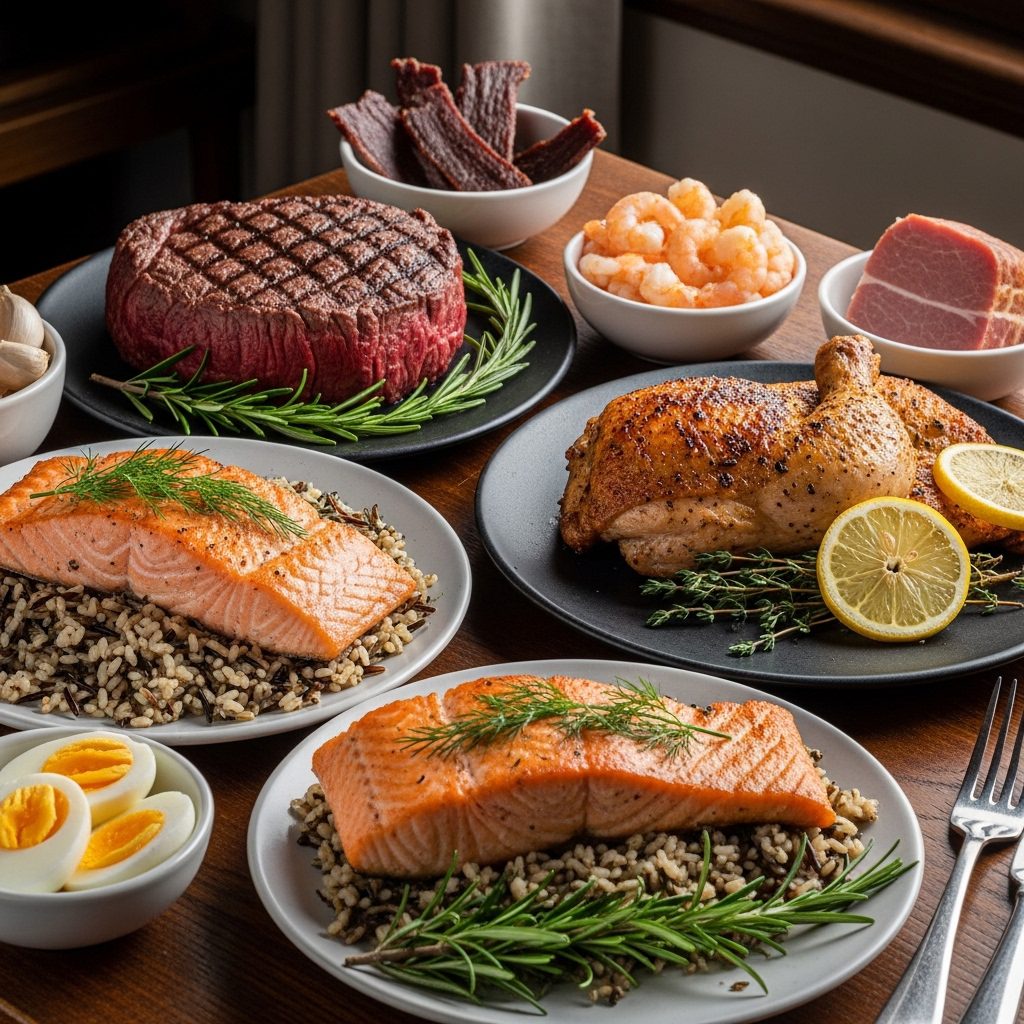
This type is absorbed more efficiently by the body.
2- Non-Heme Iron:
Found in plant sources such as:
-
- Lentils
- Beans
- Spinach
- Fortified cereals
While slightly less absorbable, non-heme iron can still significantly contribute when combined with smart dietary strategies.
Understanding absorption differences helps optimize Iron-Rich Diets without unnecessary supplementation.
Iron-Rich Diets for Children: Early Prevention Is Key:
Iron stores build gradually. A diet consistently lacking iron may not show symptoms immediately — but over time, performance and vitality may decline.
Encouraging balanced meals that include iron sources ensures steady support for both physical endurance and mental clarity.
In Part Two, we’ll discuss:
-
- Recommended daily iron intake
- How to enhance absorption naturally
- When supplementation may be necessary
- Practical meal ideas families can implement easily
Let’s move from awareness to actionable guidance.
Recommended Daily Intake:
According to the U.S. National Institutes of Health (NIH):
-
- Children 4–8 years: 10 mg per day
- Children 9–13 years: 8 mg per day
How to Improve Iron Absorption:
Absorption is just as important as intake.
Here’s how to enhance non-heme iron absorption:
-
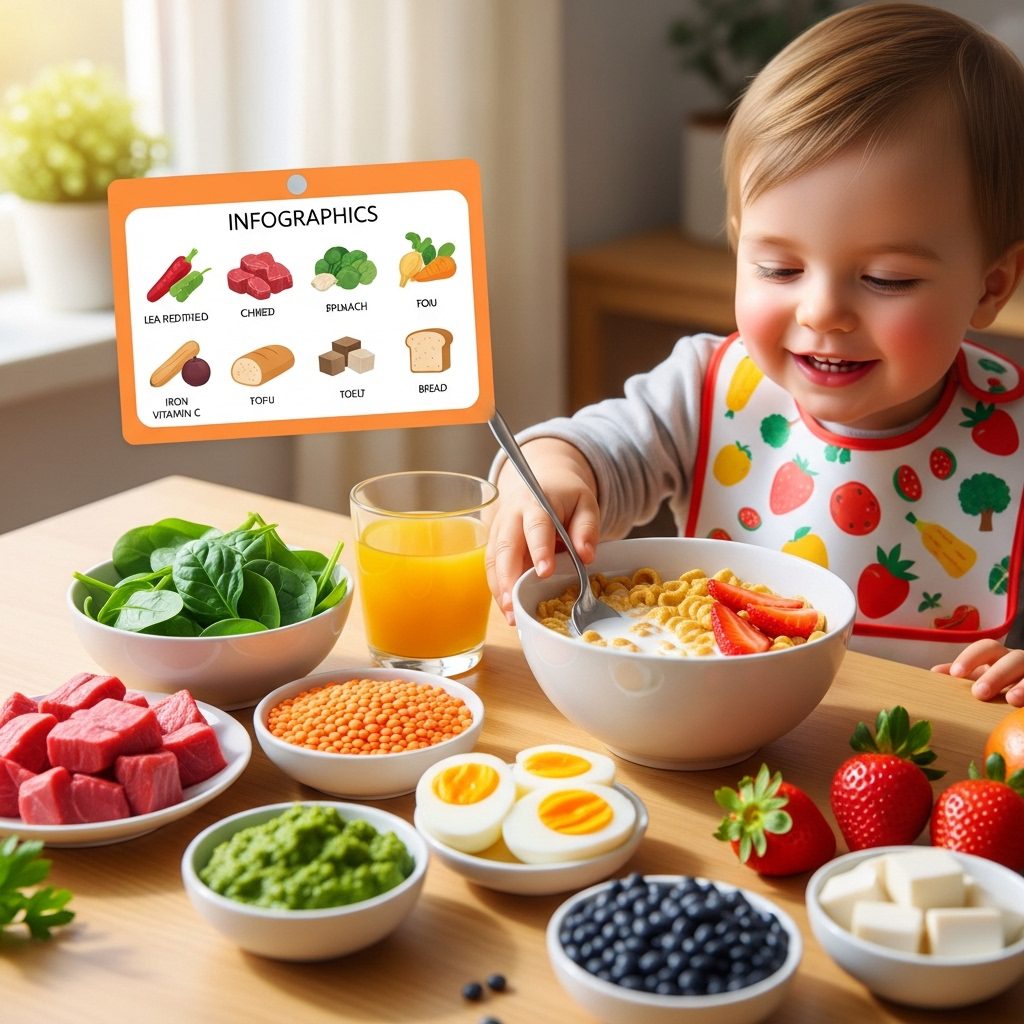
- Pair plant-based iron with vitamin C (e.g., lentils + orange slices)
- Avoid tea or coffee with meals (they reduce absorption)
- Include a small amount of animal protein when possible
These simple strategies significantly strengthen the effectiveness of Iron-Rich Diets for Children.
Iron-Rich Diets for Children: Practical Meal Ideas:
Supporting iron intake doesn’t require complicated planning.
Try:
-
- Scrambled eggs with spinach
- Beef or lentil-based pasta sauce
- Fortified cereal with berries
- Chickpea salad with lemon dressing
Consistency matters more than perfection. Small daily choices build long-term nutrient security.
Iron-Rich Diets for Children: When to Consider Medical Evaluation:
If a child shows persistent symptoms such as:
-
- Chronic fatigue
- Poor concentration
- Frequent infections
- Noticeable paleness

A pediatrician may recommend blood testing to assess iron levels.
Supplementation should only be used under medical supervision. Excess iron can be harmful, so balance is essential even when focusing on Iron-Rich Diets, You can review official guidelines here.
Building a Foundation for Lifelong Health:
Iron supports oxygen transport, cognitive sharpness, immune function, and overall growth. Its impact goes far beyond preventing anemia.
By prioritizing Iron-Rich Diets for Children, parents invest not only in today’s energy levels but in tomorrow’s academic success and long-term health.
If you’re interested in exploring more science-based nutrition guidance — or learning how food culture and travel influence family eating habits — we invite you to discover more articles on nutritiontravels.
Healthy growth begins at the table — and informed choices shape confident futures.