

Have you ever felt that uncomfortable tightness in your stomach after a meal?
Or experienced bloating that seems to appear out of nowhere — even when you’re trying to eat “healthy”? , Digestive discomfort is more common than most people admit. And while medications are sometimes necessary, many individuals look for gentle, evidence-based options to support gut comfort. This is where The Role of Peppermint Oil becomes especially interesting.
In this first part, we’ll explore how peppermint oil interacts with your digestive system and why it has been studied for improving gut motility and easing discomfort.
Understanding Digestive Comfort and Gut Motility:
Before diving deeper into The Role of Peppermint Oil, let’s clarify two key concepts:

1- Digestive Comfort:
This refers to the absence of symptoms like:
-
- Bloating
- Abdominal cramping
- Gas
- Irregular bowel movements
2- Gut Motility:
Gut motility describes how efficiently food moves through your digestive tract. When motility is too slow, constipation may occur. When it’s irregular or overly sensitive, cramping and urgency can happen.
Balanced motility is essential for nutrient absorption, energy levels, and overall well-being.
What Makes Peppermint Oil Unique?
Peppermint oil is extracted from the leaves of the peppermint plant (Mentha × piperita). Its primary active compound is menthol — and this is where The Role of Peppermint Oil becomes scientifically relevant.
Menthol has been shown to:
-
- Relax smooth muscle in the gastrointestinal tract
- Reduce intestinal spasms
- Support more coordinated gut contractions
In simple terms, peppermint oil may help the gut move in a smoother, less painful way.
How The Role of Peppermint Oil Affects Gut Motility:
Research suggests that peppermint oil works as a natural antispasmodic. It influences calcium channels in intestinal smooth muscle, helping reduce excessive contractions.
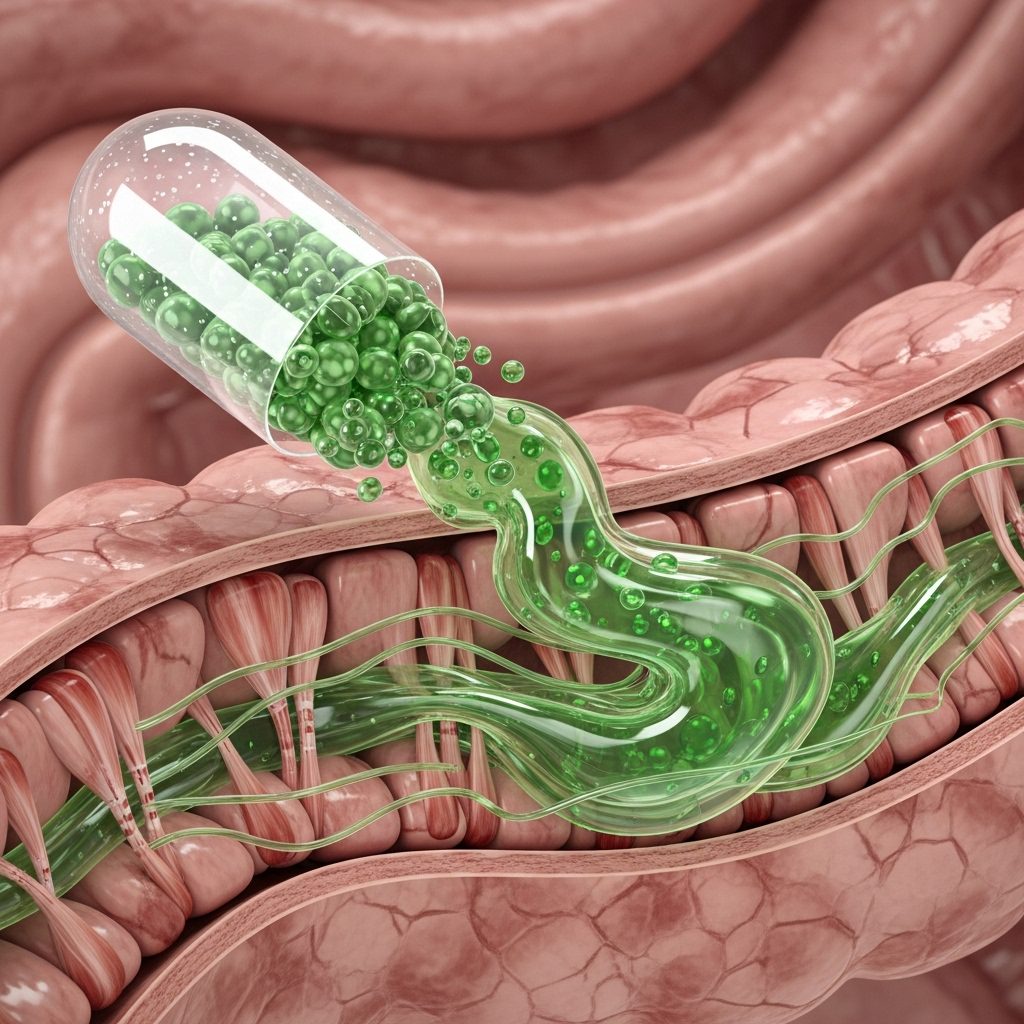
Why does that matter?
Because many digestive symptoms — especially in conditions like irritable bowel syndrome (IBS) — are linked to overly sensitive or spasmodic gut movement.
When muscle contractions are calmer and more coordinated:
-
- Cramping may decrease
- Gas may pass more comfortably
- Bloating may feel less intense
That’s one of the key aspects of The Role of Peppermint Oil in digestive management.
Peppermint Oil and IBS: What Does Research Say?
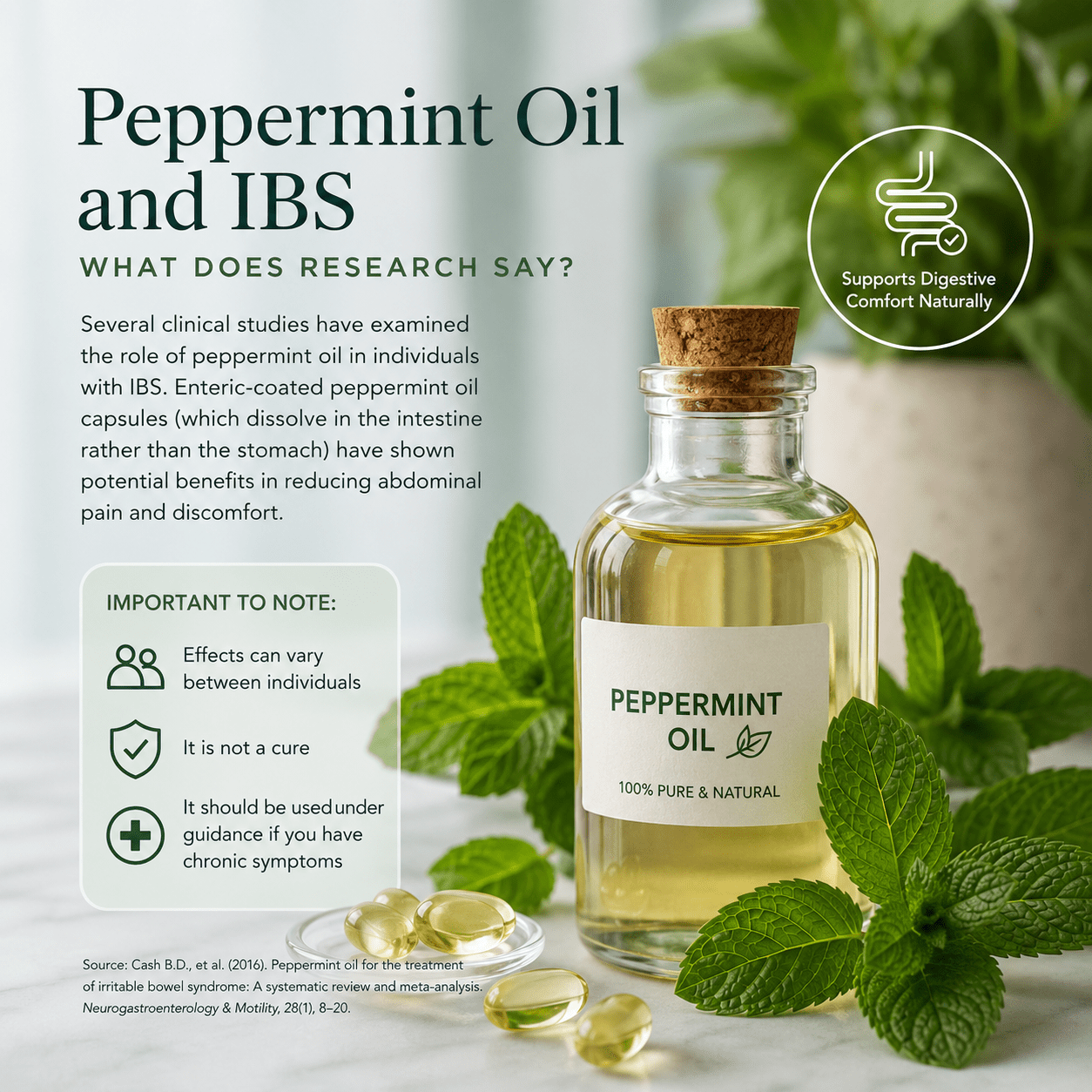
Several clinical studies have examined The Role of Peppermint Oil in individuals with IBS. Enteric-coated peppermint oil capsules (which dissolve in the intestine rather than the stomach) have shown potential benefits in reducing abdominal pain and discomfort.
However, it’s important to note:
-
- Effects can vary between individuals
- It is not a cure
- It should be used under guidance if you have chronic symptoms
Is Peppermint Oil Right for Everyone?
While generally considered safe in appropriate doses, peppermint oil may not be suitable for individuals with:
-
- Severe reflux (GERD)
- Gallbladder disorders
- Certain medication interactions
This highlights why understanding The Role of Peppermint Oil should go hand in hand with informed, responsible use.
Forms of Peppermint Oil:
Peppermint oil is available in:
-
- Enteric-coated capsules
- Liquid extracts
- Herbal teas
- Topical diluted preparations
For digestive comfort, enteric-coated capsules are often preferred because they release in the intestine, where The Role of Peppermint Oil is most beneficial.

How It Supports Digestive Comfort Daily:
When used appropriately, peppermint oil may:
-
- Reduce post-meal bloating
- Calm intestinal spasms
- Support smoother gut motility
- Improve perceived digestive comfort
But remember: no supplement replaces foundational habits.
To maximize The Role of Peppermint Oil, combine it with:
-
- Adequate hydration
- Fiber balance (not excess)
- Stress management
- Mindful eating
Stress, in particular, has a strong impact on gut motility — and peppermint oil works best when the overall lifestyle supports digestive balance.
Safety and Evidence-Based Guidance:
According to the U.S. National Center for Complementary and Integrative Health (NCCIH), peppermint oil has shown potential benefits for IBS symptoms, but more research continues to refine optimal dosing and long-term safety.
This ensures that your understanding of The Role of Peppermint Oil is grounded in scientific evaluation rather than trends.
When to Seek Medical Advice:
Peppermint oil may help manage symptoms — but persistent abdominal pain, unexplained weight loss, or bleeding require medical evaluation.
Natural does not always mean risk-free.
Gentle Support, Informed Choices:
Understanding The Role of Peppermint Oil empowers you to make thoughtful decisions about digestive health. It’s not about replacing medical care — it’s about complementing a well-structured lifestyle.
Digestive comfort affects your energy, mood, and even your confidence in daily life. When your gut feels balanced, everything else feels more manageable.

If you’re interested in exploring more evidence-based nutrition insights — or discovering how food, lifestyle, and even travel habits influence digestive health — we invite you to read more on nutritiontravels.
Because better digestion isn’t just about what you eat.
It’s about understanding your body — and supporting it wisely.