Have you ever wondered why you might be eating zinc-rich foods, yet your body doesn’t seem to benefit fully? This is where the concept of zinc bioavailability comes in—simply put, it’s the body’s ability to absorb zinc and use it effectively within cells.
In a plant-based diet, the issue usually isn’t the lack of zinc in foods, but the lower bioavailability caused by certain natural compounds in plant foods. Understanding this concept is the first step toward building a balanced plant-based diet that supports immunity, skin health, growth, and hormonal function.
What Is Zinc Bioavailability?
Zinc bioavailability refers to the proportion of zinc in a meal that is actually absorbed and utilized by the body. Not all the zinc you consume reaches the bloodstream or participates in vital biochemical processes.
Zinc is involved in over 300 enzymatic reactions in the body and helps with:
-
- Supporting the immune system
- Wound healing
- Protein synthesis
- Cell division
- Maintaining taste and smell
When zinc bioavailability is low, your body may not receive the full benefit, even if your diet appears rich in zinc.

Why Is Zinc Bioavailability Lower on a Plant-Based Diet?
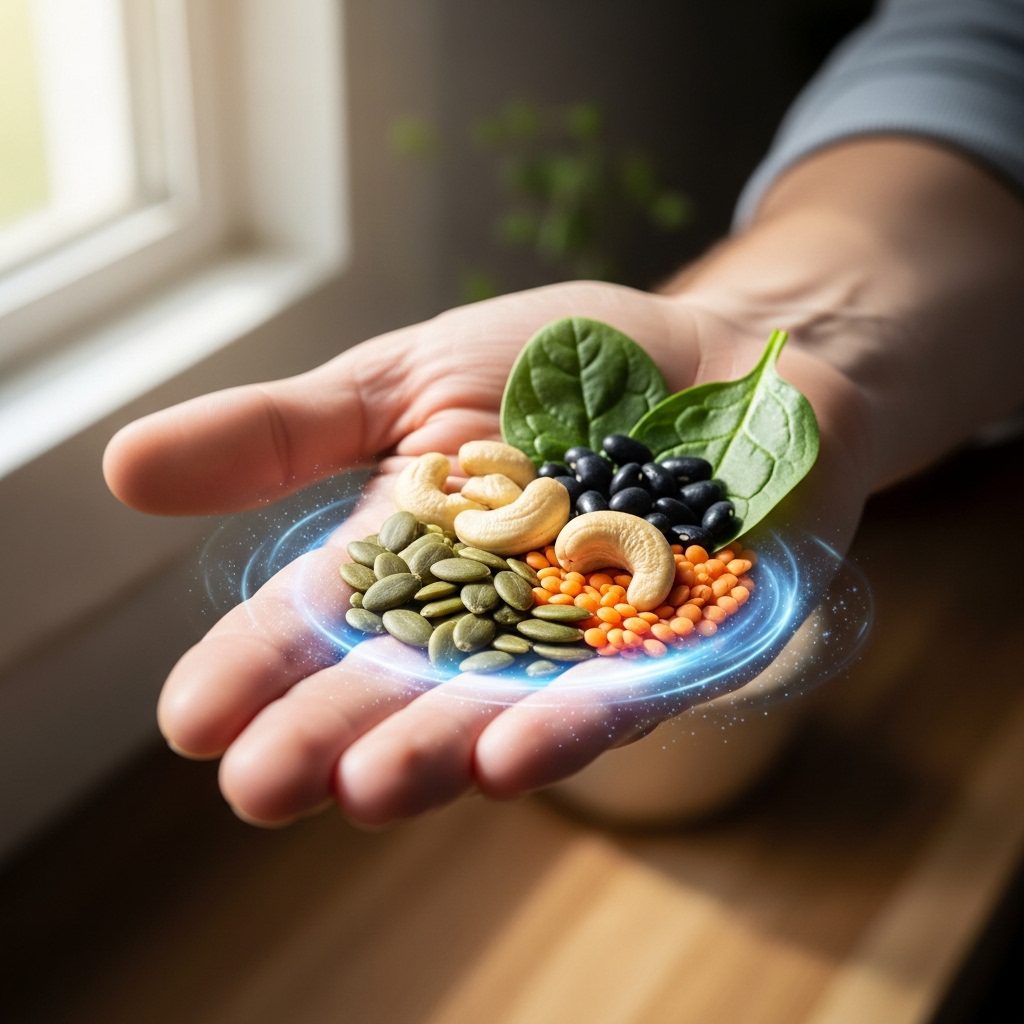
The main culprit is compounds called phytates, naturally found in:
-
- Whole grains
- Legumes
- Nuts
- Seeds
Phytates bind zinc in the digestive tract, reducing its absorption. Understanding the impact of phytates is essential when considering zinc bioavailability on plant-based diets.
Key Plant-Based Sources of Zinc:
Despite these challenges, there are diverse plant sources of zinc:
-
- Lentils, chickpeas, and beans
- Pumpkin seeds
- Cashews and almonds
- Oats
- Whole grains
The key is not only choosing these foods but also preparing them properly, as preparation methods directly affect zinc bioavailability.
How Cooking Methods Affect Zinc Absorption:
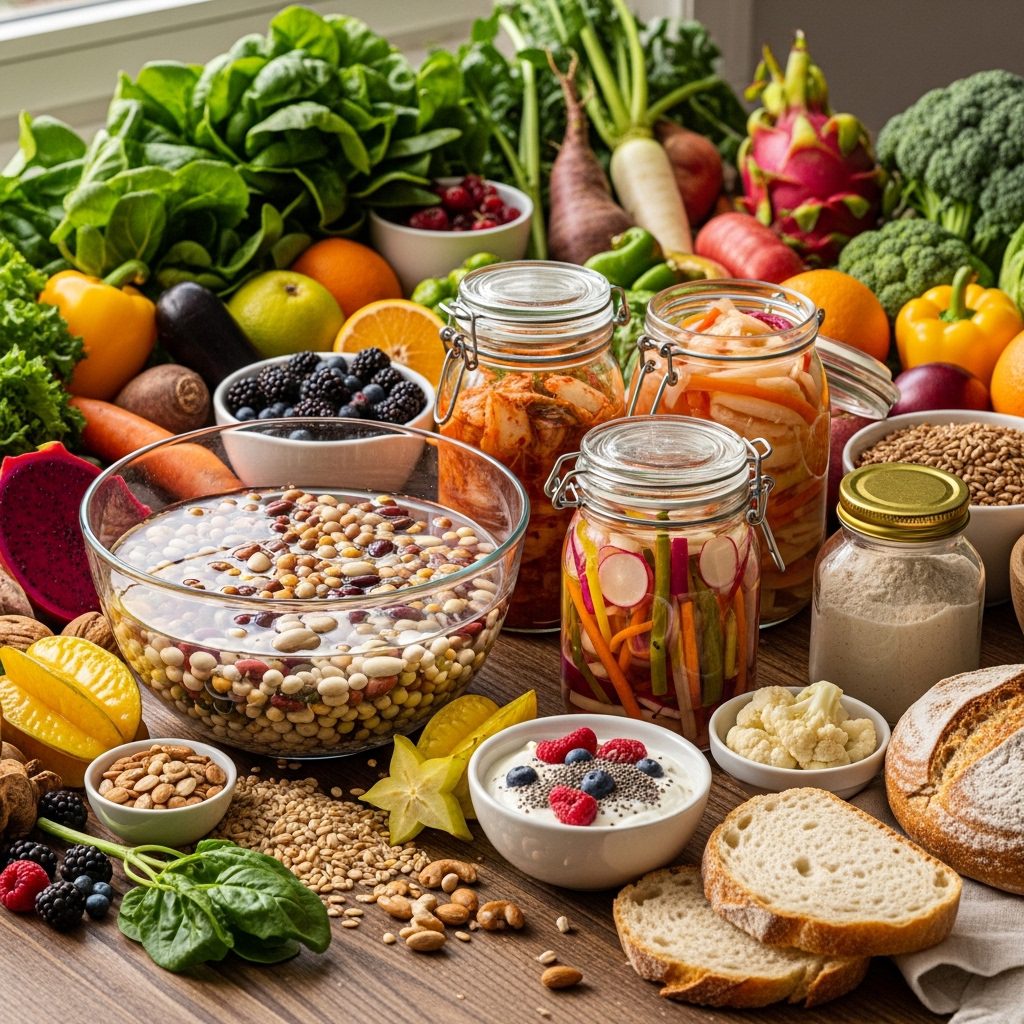
Do you soak legumes before cooking? Do you use natural fermentation in bread-making? Small details like these make a big difference.
-
- Soaking:
Soaking legumes and grains for several hours before cooking helps reduce phytate levels, improving zinc absorption. - Fermentation:
Natural fermentation, such as using sourdough, breaks down phytates and enhances mineral absorption. - Dietary Variety:
Eating multiple zinc sources throughout the day, rather than relying on a single food, supports better bioavailability.
- Soaking:
Does Everyone Absorb Zinc the Same Way?
Not necessarily. Needs vary depending on:
-
- Age
- Sex
- Pregnancy and lactation
- Activity level
- Overall health
Some people may show signs of deficiency even with zinc-rich diets, making assessment of zinc bioavailability an important step in understanding their needs.
Zinc Bioavailability and Immune Health:
Do you get sick easily or take longer to recover from colds?
Zinc plays a key role in immune cell function and regulating inflammation. Low bioavailability can limit what immune cells receive, affecting their efficiency. Zinc contributes to:
-
- T-cell formation
- Regulating immune response
- Reducing the severity and duration of infections
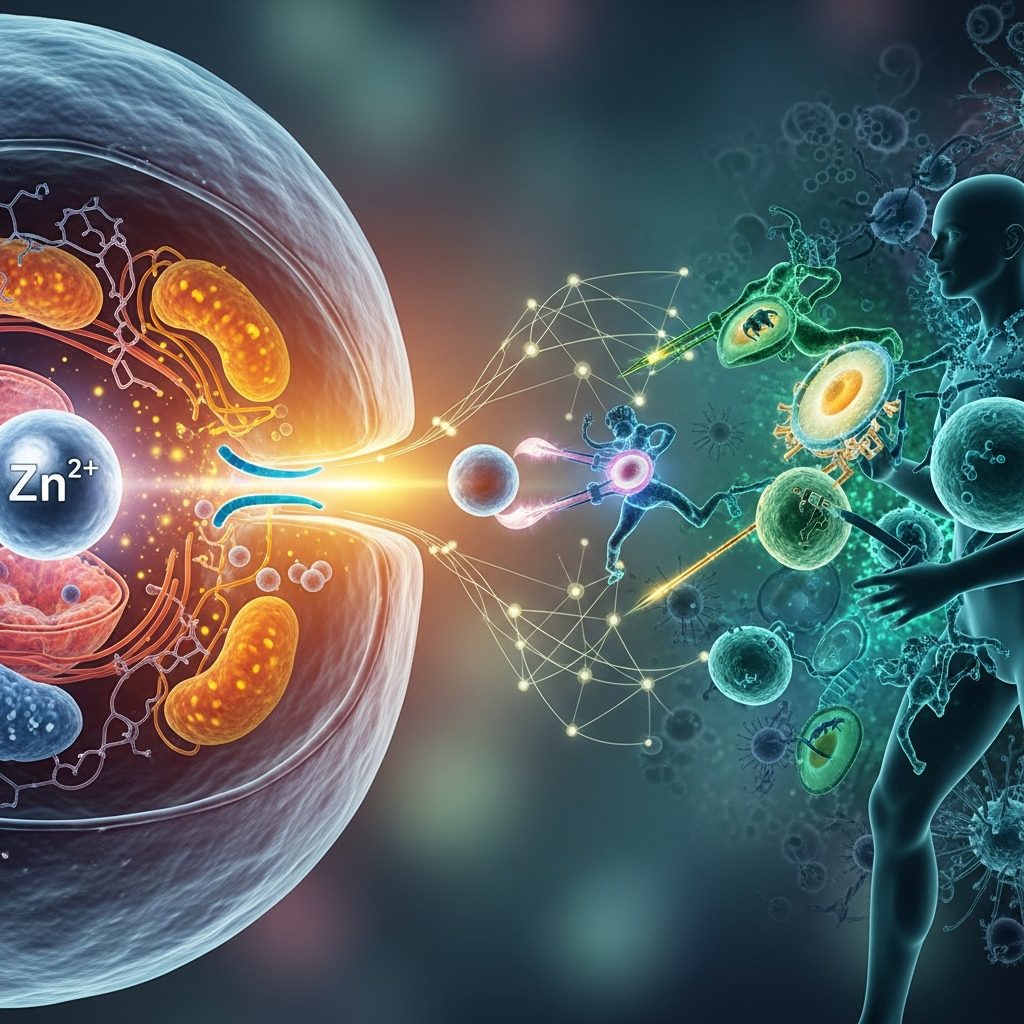
This isn’t about automatically taking supplements—it’s about improving absorption from the foods you already eat.
Zinc Bioavailability and Skin & Hair Health:
If you care about your skin or experience slow wound healing or hair loss, considering zinc bioavailability makes sense.
Zinc helps with:
-
- Cell division and renewal
- Regulating skin oil production
- Supporting wound healing
On plant-based diets, even when zinc appears abundant, poor absorption can limit its benefits. It’s not enough for zinc to be on your plate—it needs to reach your cells.
Zinc Bioavailability and Hormonal Balance:
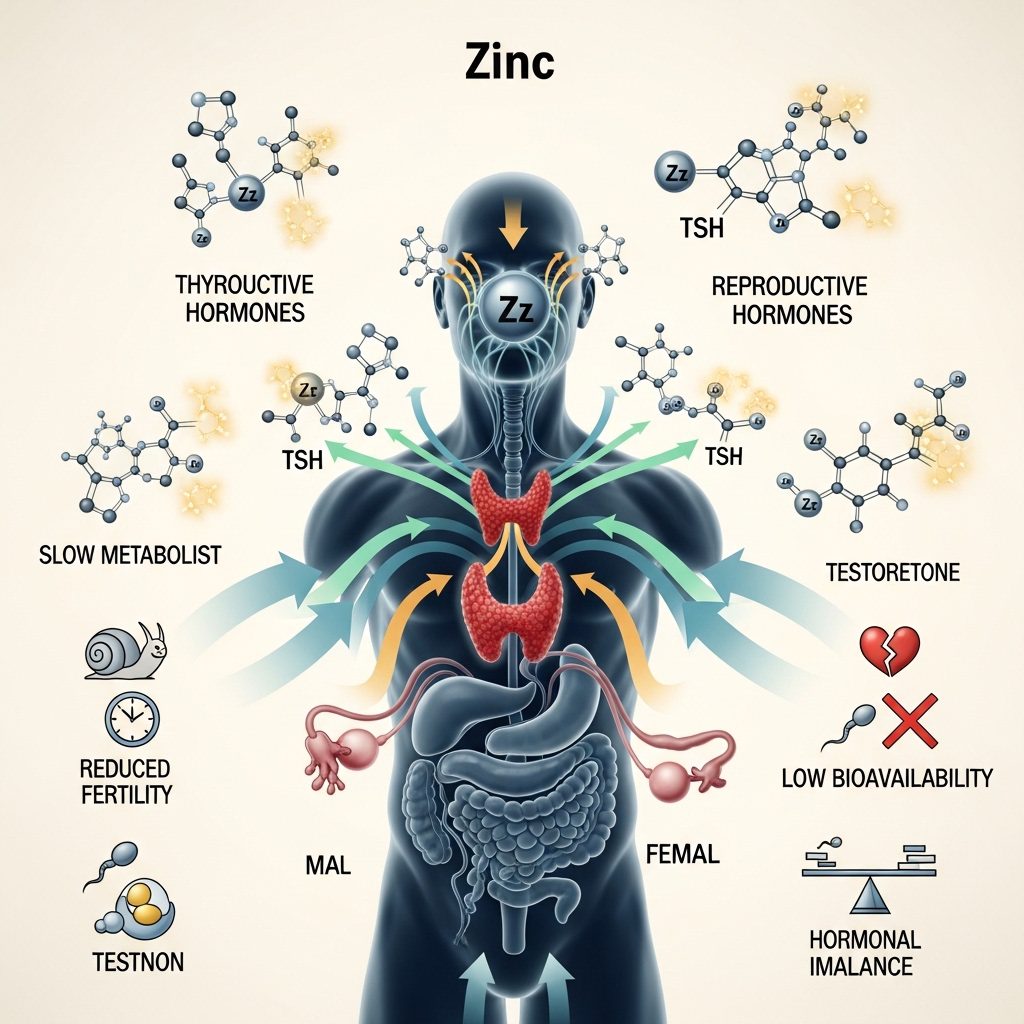
Zinc is involved in producing and regulating several hormones, including thyroid and reproductive hormones. Low bioavailability may affect:
-
- Menstrual regularity
- Fertility
- Overall energy
This doesn’t mean all hormonal issues are due to zinc, but for long-term plant-based diets, assessing mineral absorption is part of the bigger picture of health.
Advanced Strategies to Improve Zinc Bioavailability:
Here are practical, science-based steps:
-
- Smart Food Combinations:
Pair legumes with diverse plant proteins to reduce the negative impact of phytates. Variety increases the chances of improving zinc absorption. - Spread Zinc Sources Throughout the Day:
Instead of consuming one zinc-rich meal, distribute sources across multiple meals for gradual absorption. - Mind Supplement Timing:
If taking iron or calcium supplements, separate them from zinc-rich meals, as mineral competition may reduce bioavailability. - Medical Assessment When Needed:
During pregnancy, lactation, or if deficiency symptoms appear, consult a specialist to measure zinc levels before considering supplementation.
- Smart Food Combinations:
Can a Plant-Based Diet Support Zinc Bioavailability?
The short answer: yes, with awareness.
Plant-based diets aren’t inherently deficient, but they require a deeper understanding of mineral absorption. By improving preparation methods, diversifying sources, and paying attention to your body’s signals, zinc bioavailability can remain within a healthy range, supporting immunity, energy, skin, and hormonal balance.
Health is not just about what we eat—it’s about how our body utilizes what we eat.
Understanding zinc bioavailability is an advanced step in your nutritional journey. Every small detail in your kitchen can make a significant difference at the cellular level.
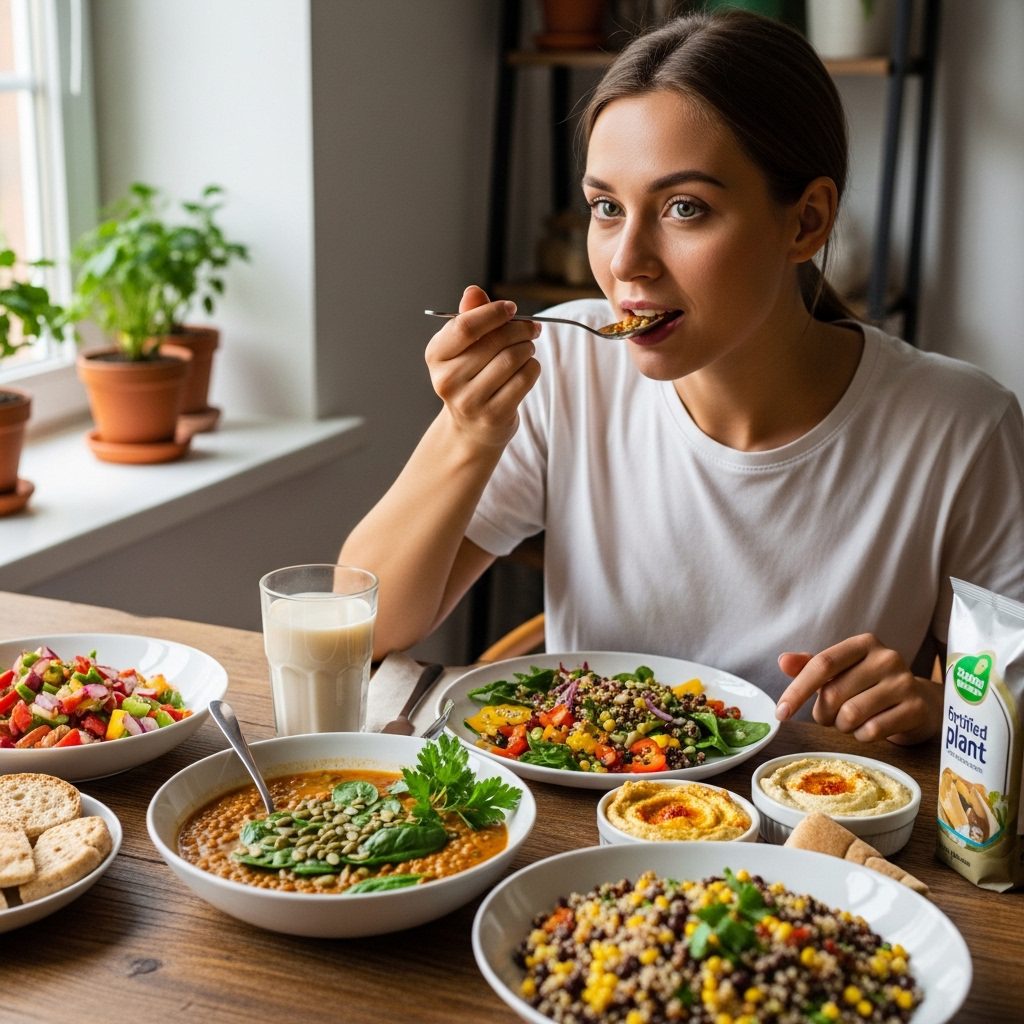
According to the National Institutes of Health (NIH), zinc absorption from plant-based diets is generally lower than from diets including animal sources, meaning vegetarians may need slightly higher zinc intake to compensate.
For deeper insights into practical, science-based nutrition, or content connecting healthy eating with lifestyle and travel, visit nutritiontravels and continue your learning journey with actionable tips for daily life