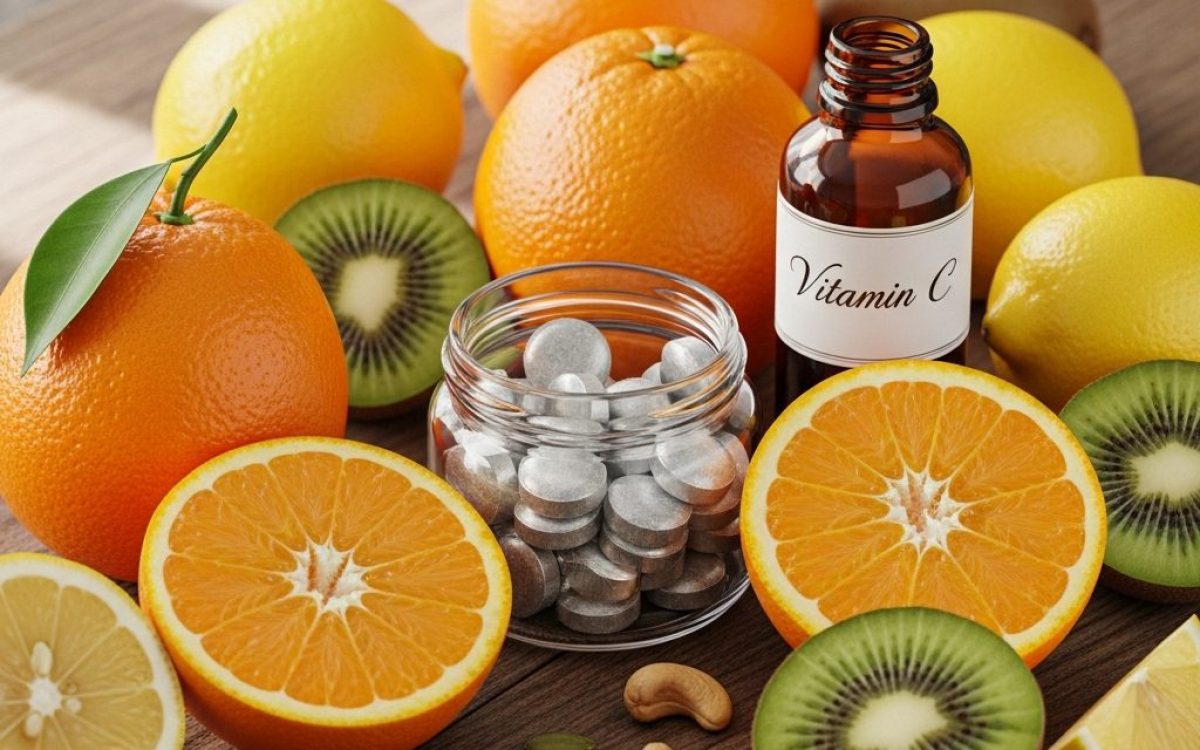
As the seasons change and colds and flu become more common, many people begin looking for natural ways to support their immune system. Among the nutrients that consistently receive strong scientific attention, zinc and vitamin C stand out as one of the most important complementary combinations for enhancing immune response and reducing the severity of seasonal illnesses.
The discussion around zinc and vitamin C is not just a popular health trend—it is supported by scientific research and official dietary recommendations that highlight their vital role in helping the body respond to infections.
Why Are Zinc and Vitamin C Essential for Immune Health?
The immune system is a complex network of cells and proteins that work together to defend the body against viruses and bacteria. To function efficiently, it relies on specific nutrients—most notably zinc and vitamin C.
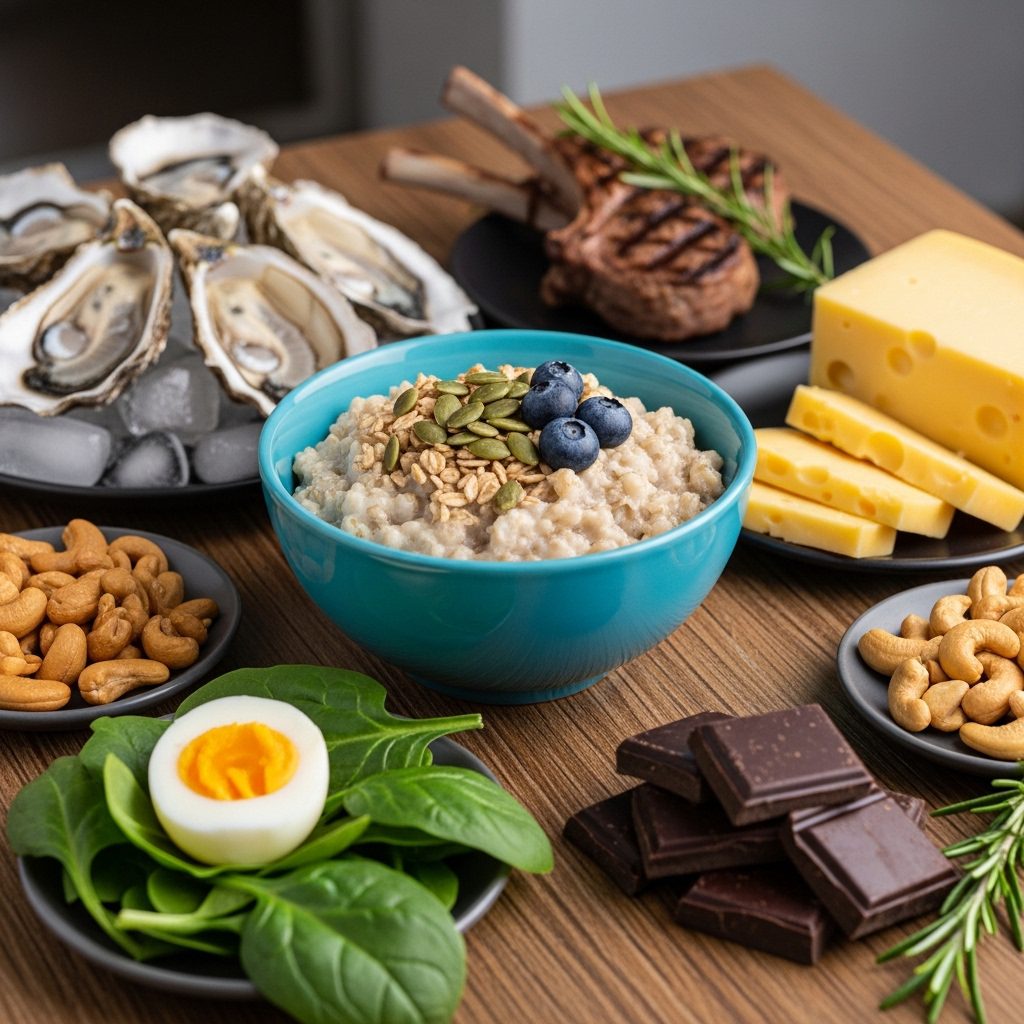
The Role of Zinc in Immune Support:
Zinc is an essential mineral involved in:
- The development and function of immune cells
- Regulation of inflammatory responses
- Accelerating wound healing
- Supporting the integrity of the respiratory tract’s protective barrier
The Role of Vitamin C in Strengthening Natural Defenses:
Vitamin C is a powerful antioxidant that helps:
- Protect cells from oxidative stress
- Support the production and function of white blood cells
- Reduce the duration and severity of common cold symptoms
When combined, zinc and vitamin C provide complementary support across multiple aspects of immune function.
How Do Zinc and Vitamin C Work Together?
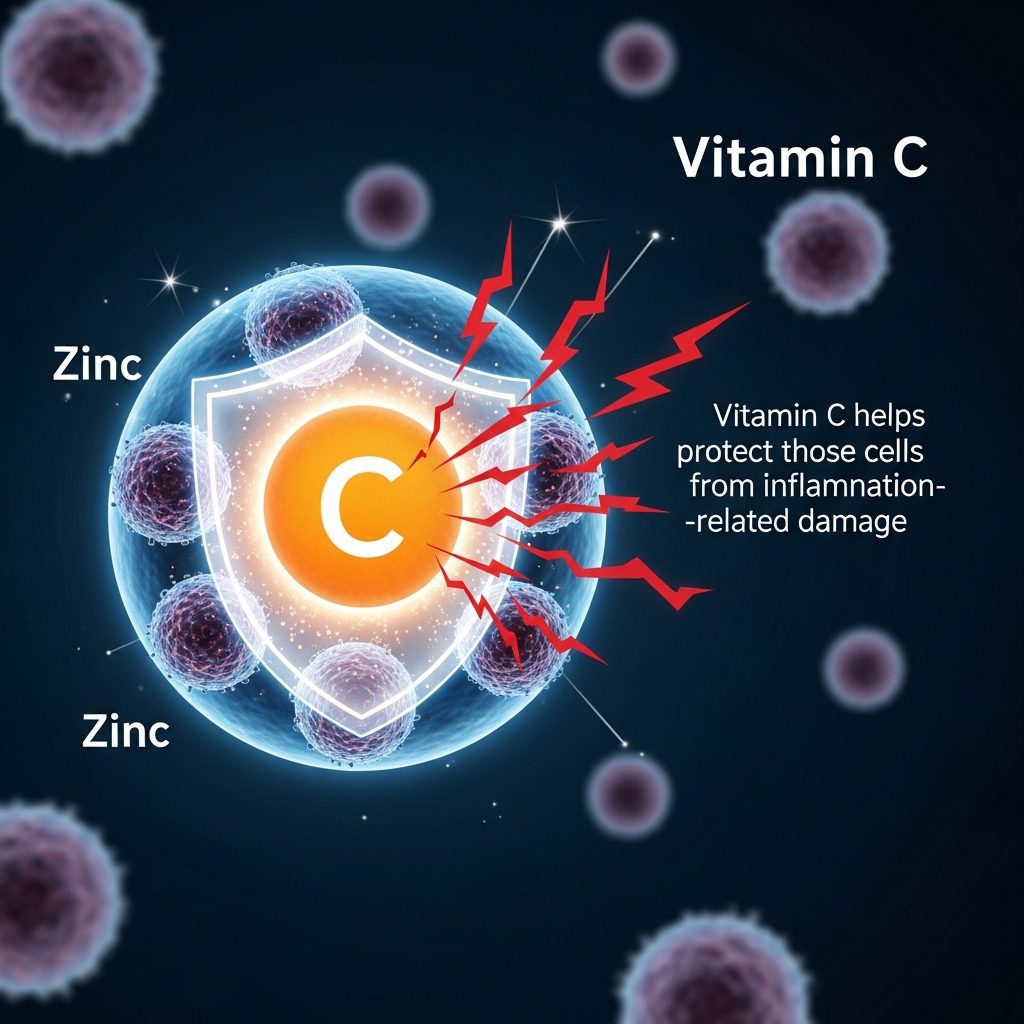
Their synergy operates on several levels:
- Zinc contributes to the formation and regulation of immune cells
- Vitamin C helps protect those cells from inflammation-related damage
- Both nutrients may help reduce the severity of respiratory infections
This complementary action makes zinc and vitamin C particularly valuable during cold and flu season.
Recommended Daily Intake:
According to official guidelines:
Zinc:
-
- Adult men: 11 mg per day
- Adult women: 8 mg per day
Vitamin C:
-
- Adult men: 90 mg per day
- Adult women: 75 mg per day
Individual needs may vary in special cases such as pregnancy or certain medical conditions. Consulting a healthcare professional before taking high-dose supplements is always advisable.
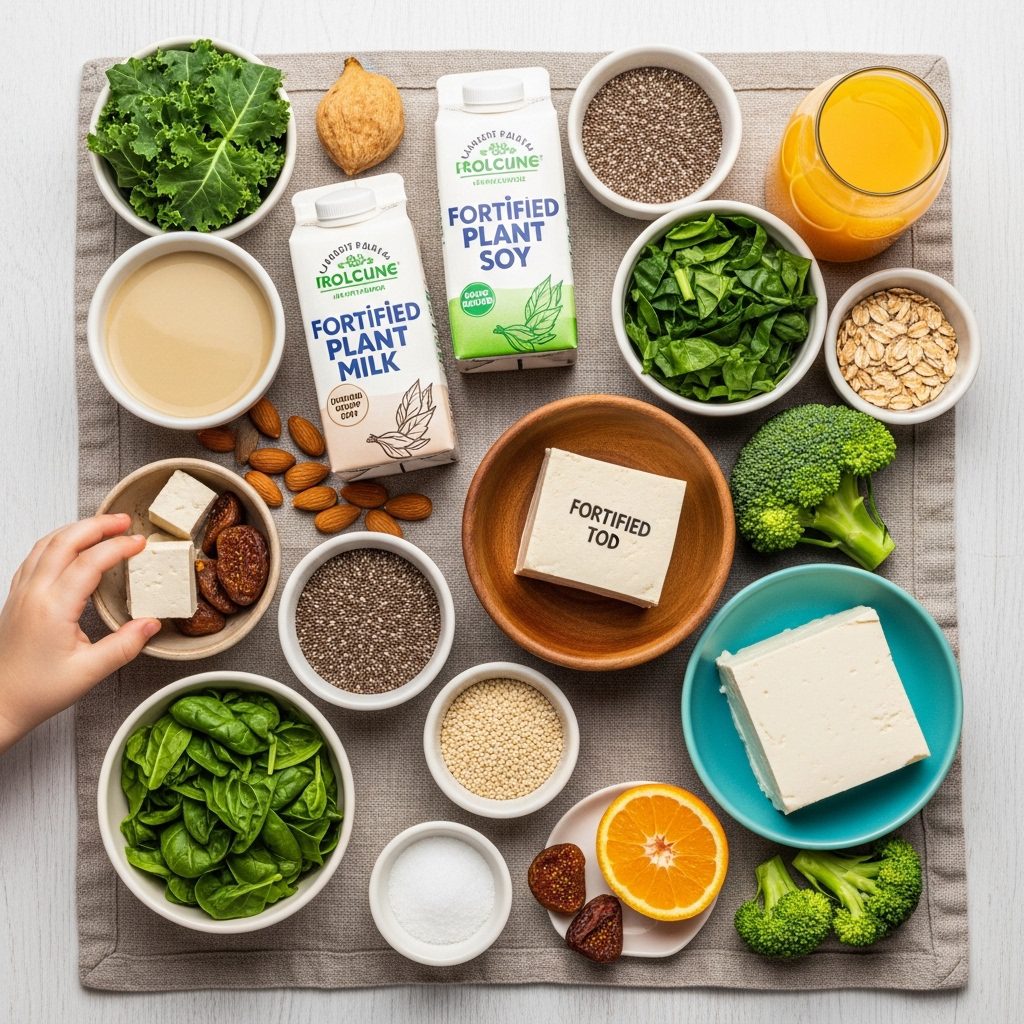
Natural Food Sources of Zinc and Vitamin C:
The most effective way to meet your needs is through whole foods.
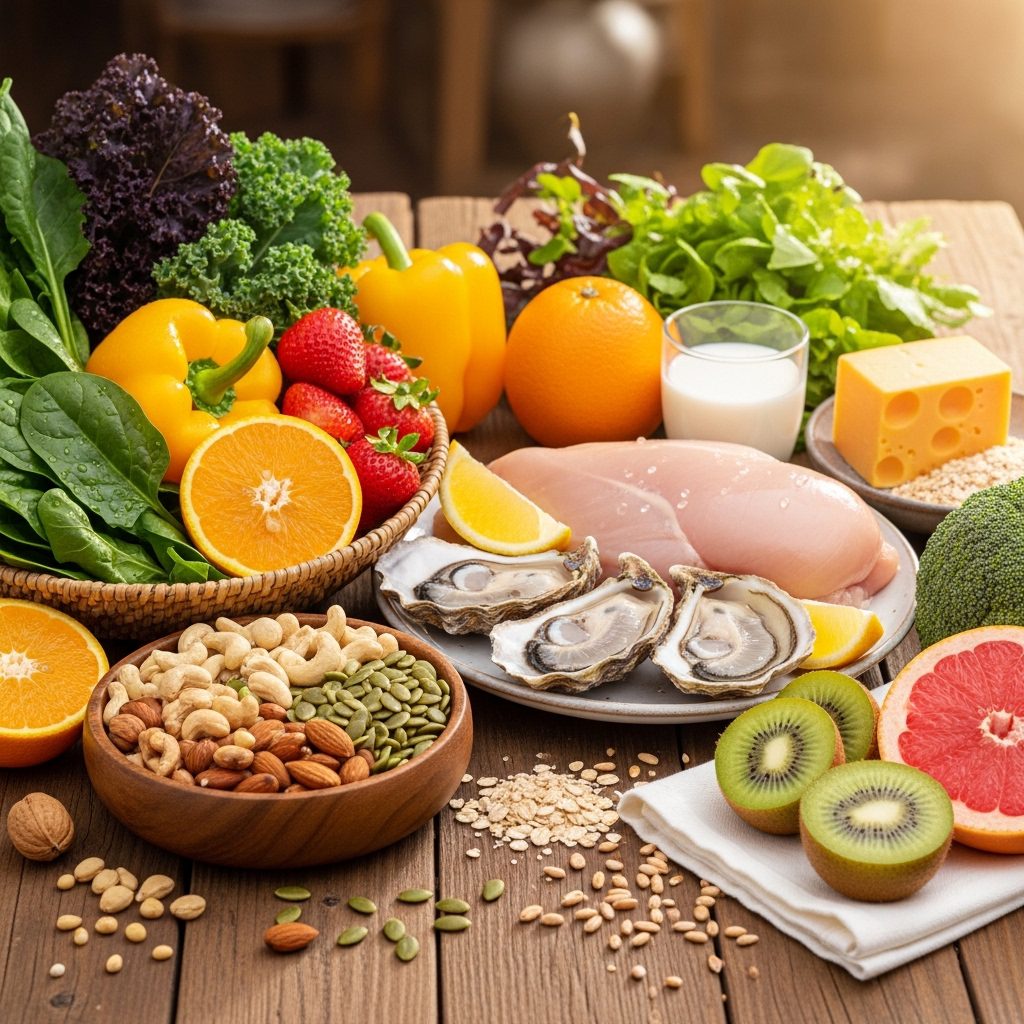
1- Zinc Sources:
-
- Red meat
- Poultry
- Legumes
- Nuts
- Whole grains
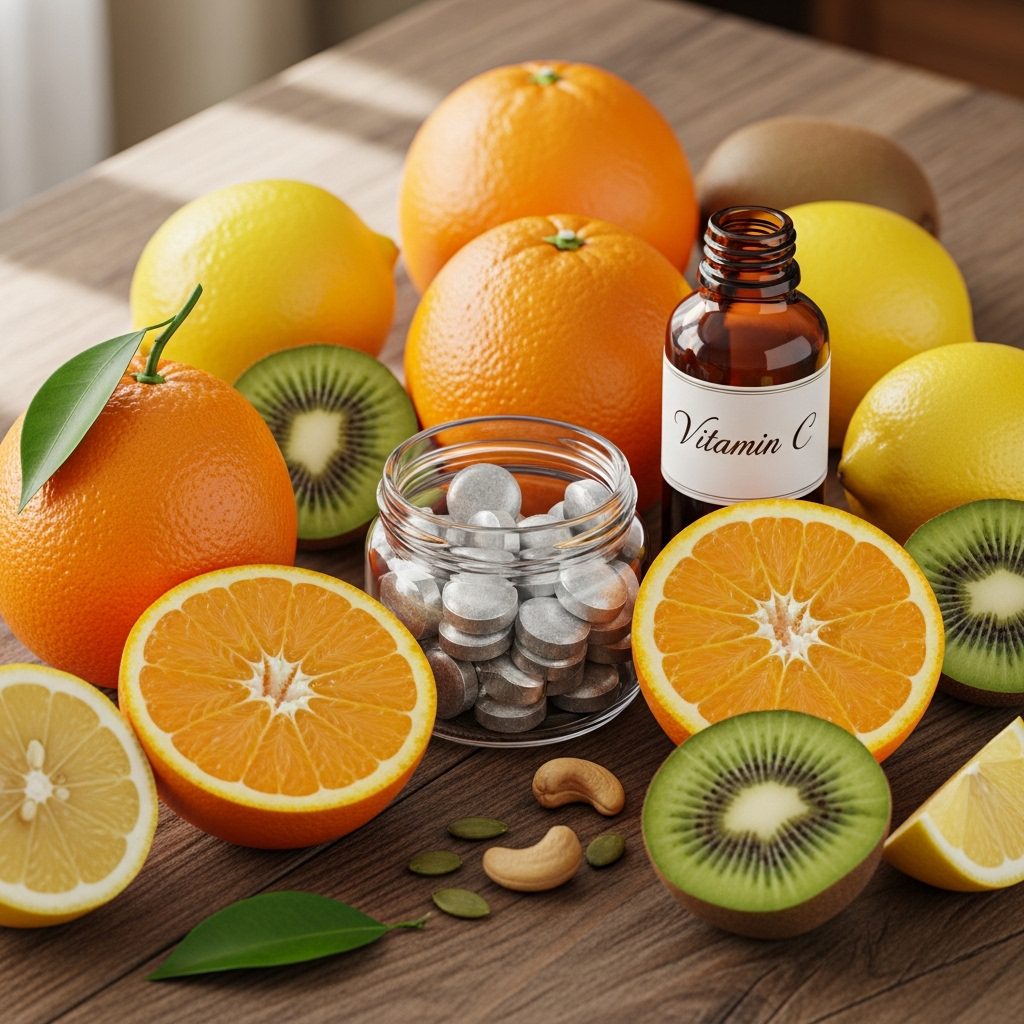
2- Vitamin C Sources:
-
- Oranges
- Strawberries
- Kiwi
- Red bell peppers
- Broccoli
A balanced diet typically provides adequate amounts without the need for supplementation in most individuals.
A Simple Practical Example:
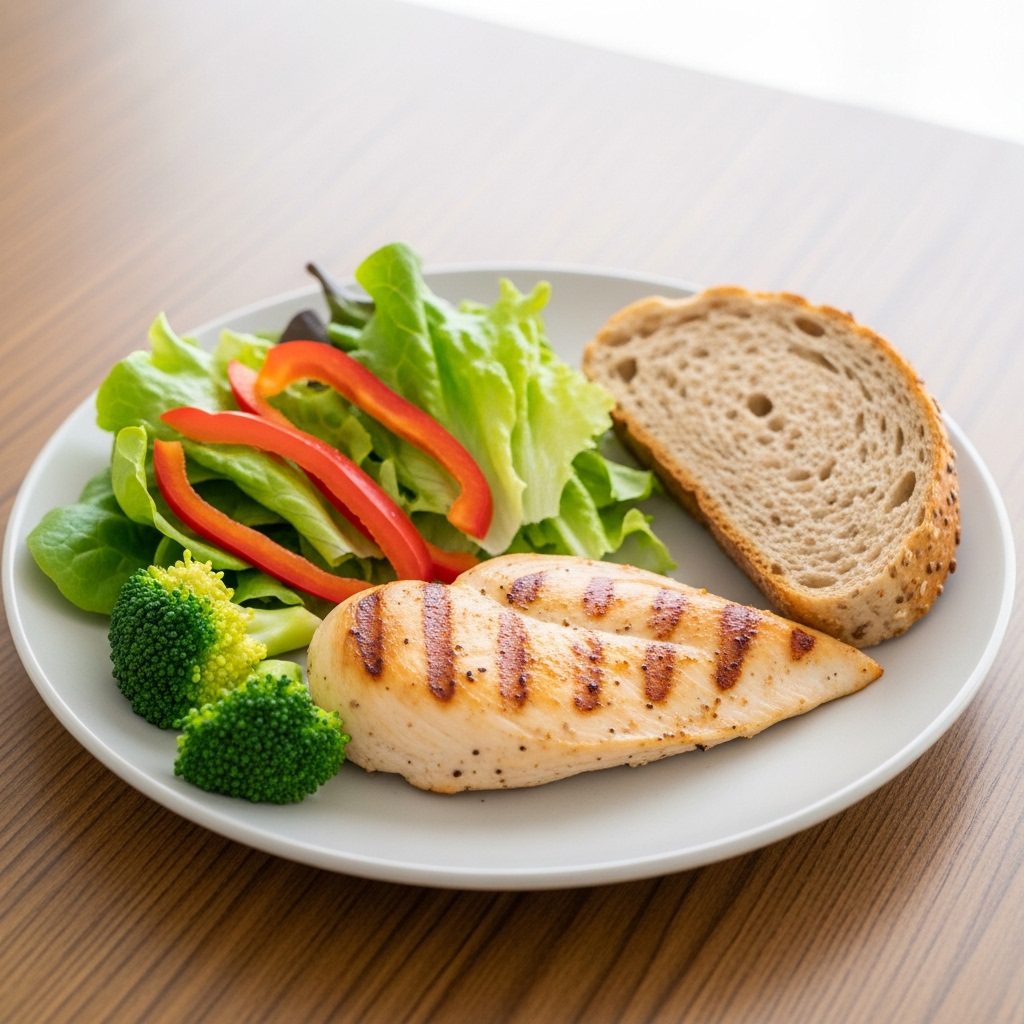
A balanced lunch could include:
-
- Grilled chicken breast (a good source of zinc)
- A salad with red bell peppers and broccoli
- A slice of whole-grain bread
This meal naturally combines zinc and vitamin C in one plate—without relying on supplements.
When Is Deficiency a Concern?
Low levels of zinc or vitamin C may contribute to:
-
- Increased susceptibility to infections
- Delayed wound healing
- General fatigue
- Greater vulnerability to colds
Higher-risk groups include:
-
- Older adults
- Individuals with poor nutritional intake
- Those following highly restrictive diets
Is Diet Enough, or Are Supplements Necessary?
For most people, a balanced diet is sufficient. However, supplements may be considered in certain situations, such as:
-
- Poor appetite or malnutrition
- Highly restrictive eating patterns
- Reduced nutrient absorption in older adults
- Periods of frequent infections
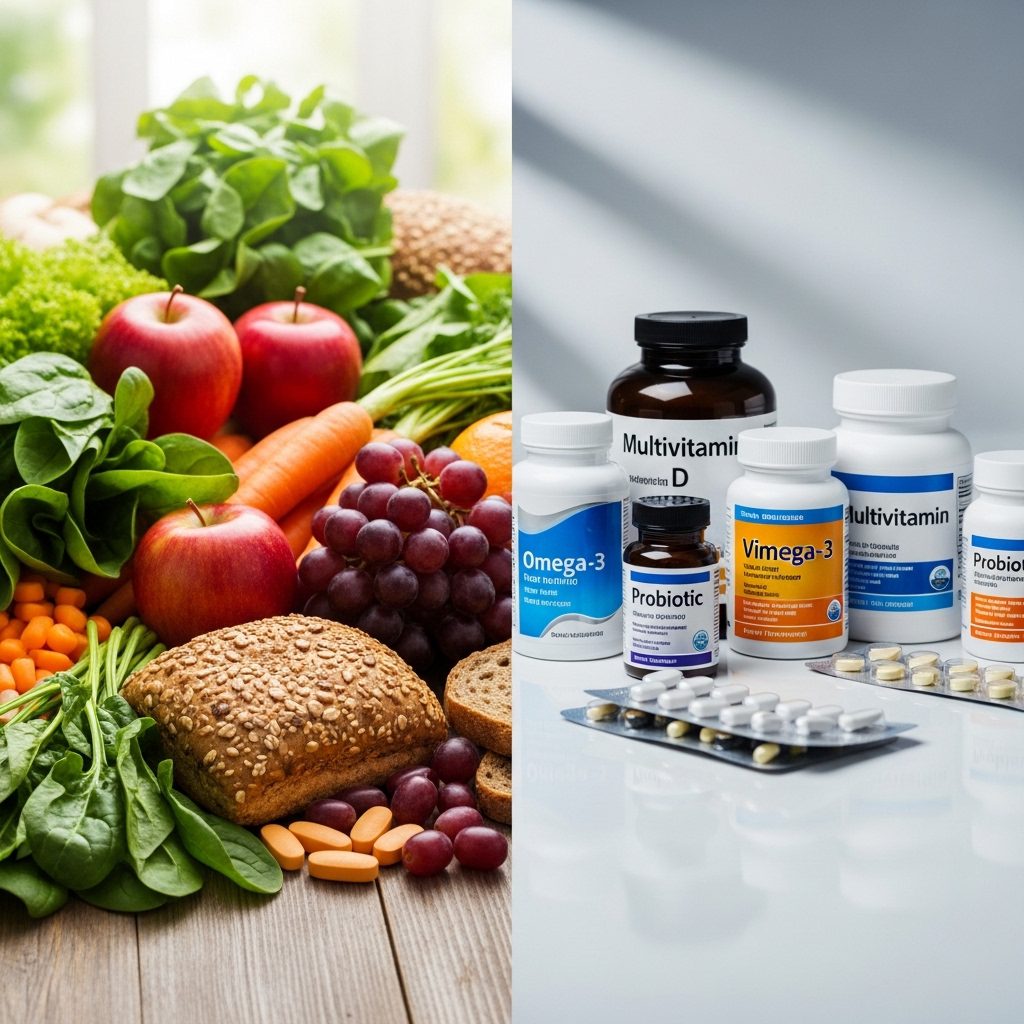
The U.S. National Institutes of Health (NIH) Office of Dietary Supplements provides upper intake limits to prevent excessive consumption, as high doses can cause side effects .
For example:
-
- The upper limit for zinc in adults is 40 mg per day
- The upper limit for vitamin C is 2,000 mg per day
Exceeding these amounts without medical supervision may lead to digestive discomfort or interactions with medications.
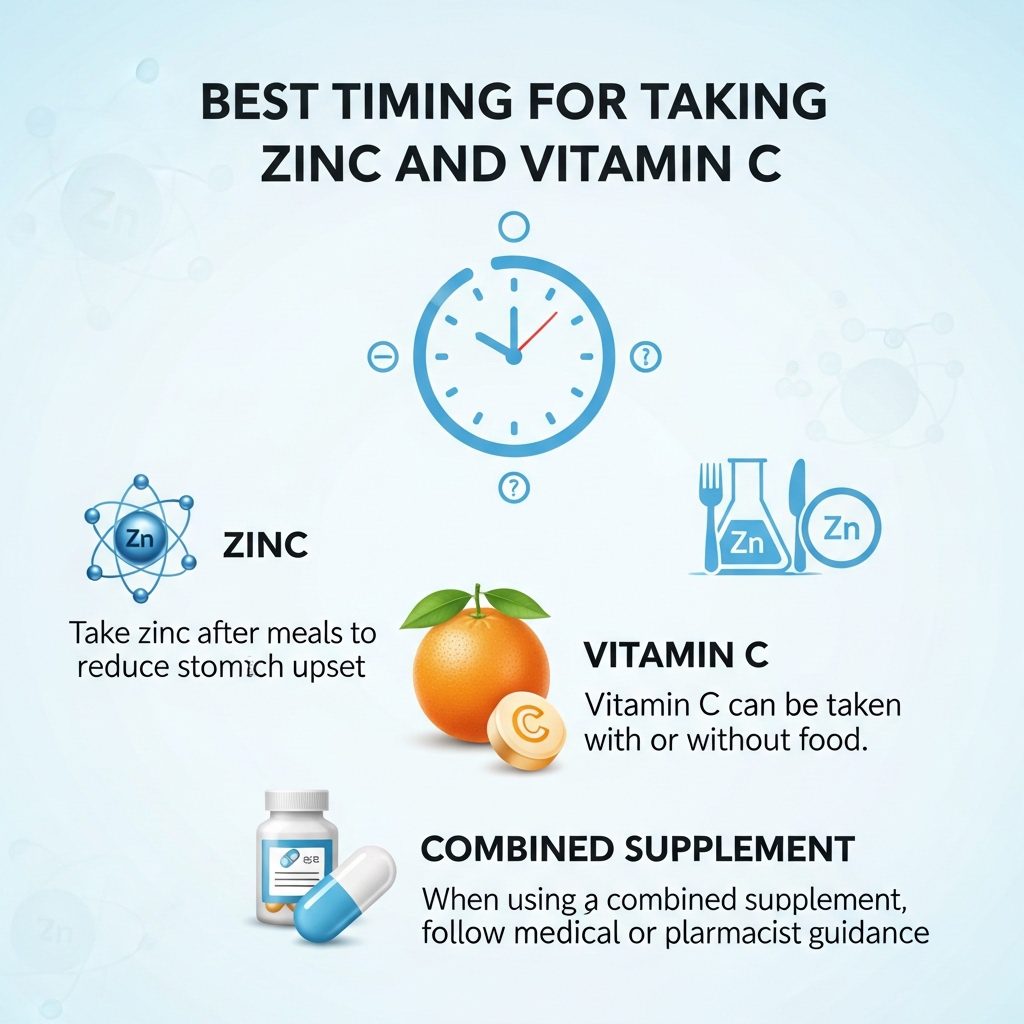
Best Timing for Taking Zinc and Vitamin C:
To optimize benefits:
-
- Take zinc after meals to reduce stomach upset
- Vitamin C can be taken with or without food
- When using a combined supplement, follow medical or pharmacist guidance
It is also advisable not to take zinc simultaneously with iron or calcium supplements, as they may reduce zinc absorption.
Do Zinc and Vitamin C Prevent Colds?
Research suggests that zinc and vitamin C do not completely prevent colds. However, they may:
-
- Shorten the duration of symptoms
- Reduce symptom severity in some individuals
- Support faster recovery
Vitamin C has been associated with shorter cold duration when taken regularly. Some evidence suggests that zinc lozenges, when used at the onset of symptoms and appropriately dosed, may reduce illness duration.
Still, zinc and vitamin C should be viewed as part of a broader strategy that includes adequate sleep, balanced nutrition, and proper hygiene.
Common Mistakes to Avoid:
Despite their popularity, several misconceptions exist:
1. Assuming higher doses provide stronger protection.
2. Using supplements as a replacement for healthy eating.
3. Ignoring potential medication interactions.
4. Taking high doses for prolonged periods without medical supervision.

Responsible use means adhering to recommended intakes and prioritizing food sources first.
A Practical Routine During Cold Season:
Rather than waiting until illness strikes, consider a proactive daily approach:
-
-
- Include vitamin C–rich fruit at breakfast
- Incorporate zinc-rich protein sources at main meals
- Aim for 7–8 hours of sleep
- Stay adequately hydrated
-
If symptoms begin, consult a healthcare provider about short-term use of an appropriate zinc and vitamin C supplement.
This structured, moderate approach is safer and more effective than random high-dose supplementation.
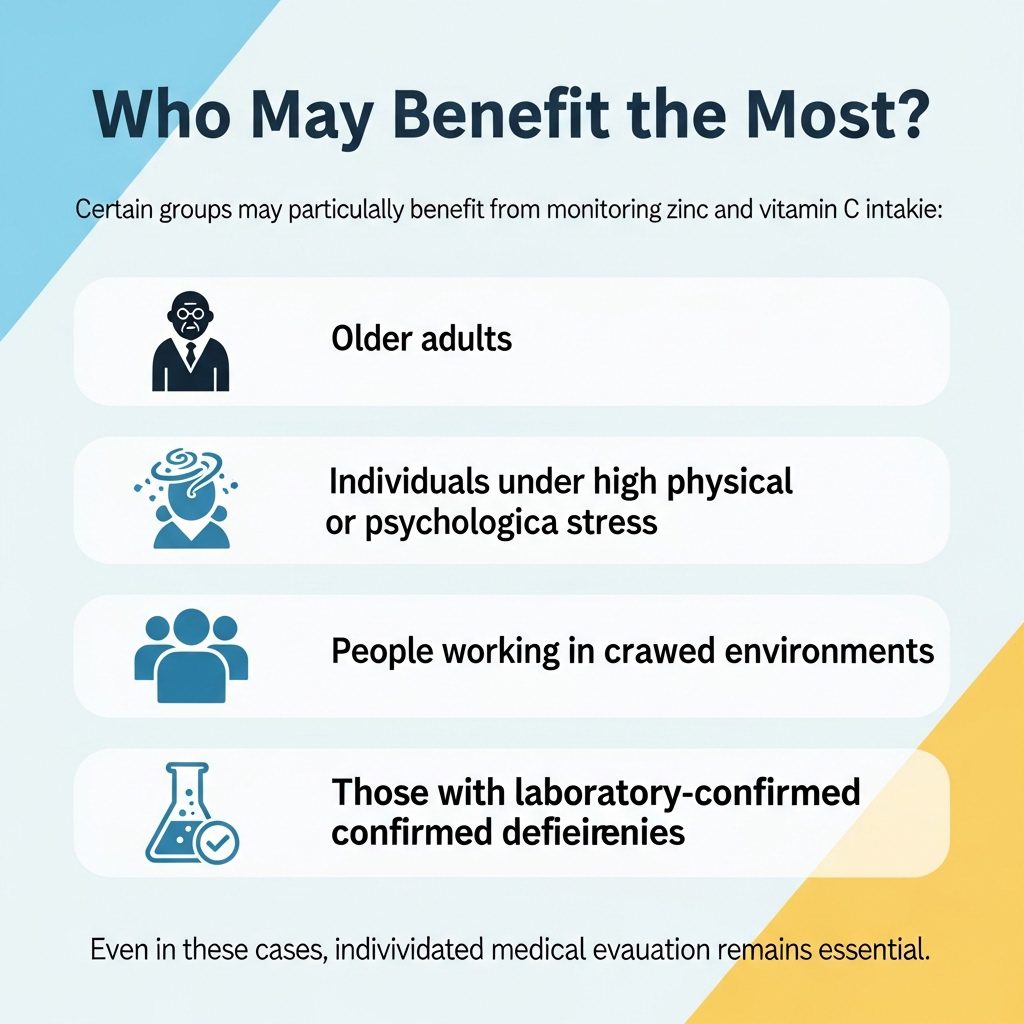
Who May Benefit the Most?
Certain groups may particularly benefit from monitoring zinc and vitamin C intake:
-
- Older adults
- Individuals under high physical or psychological stress
- People working in crowded environments
- Those with laboratory-confirmed deficiencies
Even in these cases, individualized medical evaluation remains essential.
Zinc and Vitamin C Within a Comprehensive Strategy:
are not miracle cures. However, they are scientifically supported components of a broader immune-support strategy.
When obtained primarily from a balanced diet—and supplemented only when necessary—they can serve as an additional line of defense during seasonal illness.
The key principles remain moderation, adherence to official recommendations, and avoiding excessive dosing.
If you’re looking for accurate, science-based nutrition information grounded in trusted governmental sources and want a deeper understanding of how to incorporate zinc and vitamin C into a balanced health plan, we invite you to visit our website: NutritionTravels.