

Gestational Diabetes Nutrition is crucial for managing the temporary rise in blood sugar that occurs during pregnancy. Although it usually resolves after delivery, following a balanced, structured nutrition plan that focuses on complex carbohydrates, fiber, lean proteins, and smart meal distribution is essential to protect both mother and baby from complications.
The primary goal is to maintain blood sugar levels within safe ranges — typically fasting glucose below 95 mg/dL and two hours after meals below 120 mg/dL (or as directed by your healthcare provider). Fortunately, with the right dietary strategies and lifestyle adjustments, gestational diabetes can often be controlled effectively.
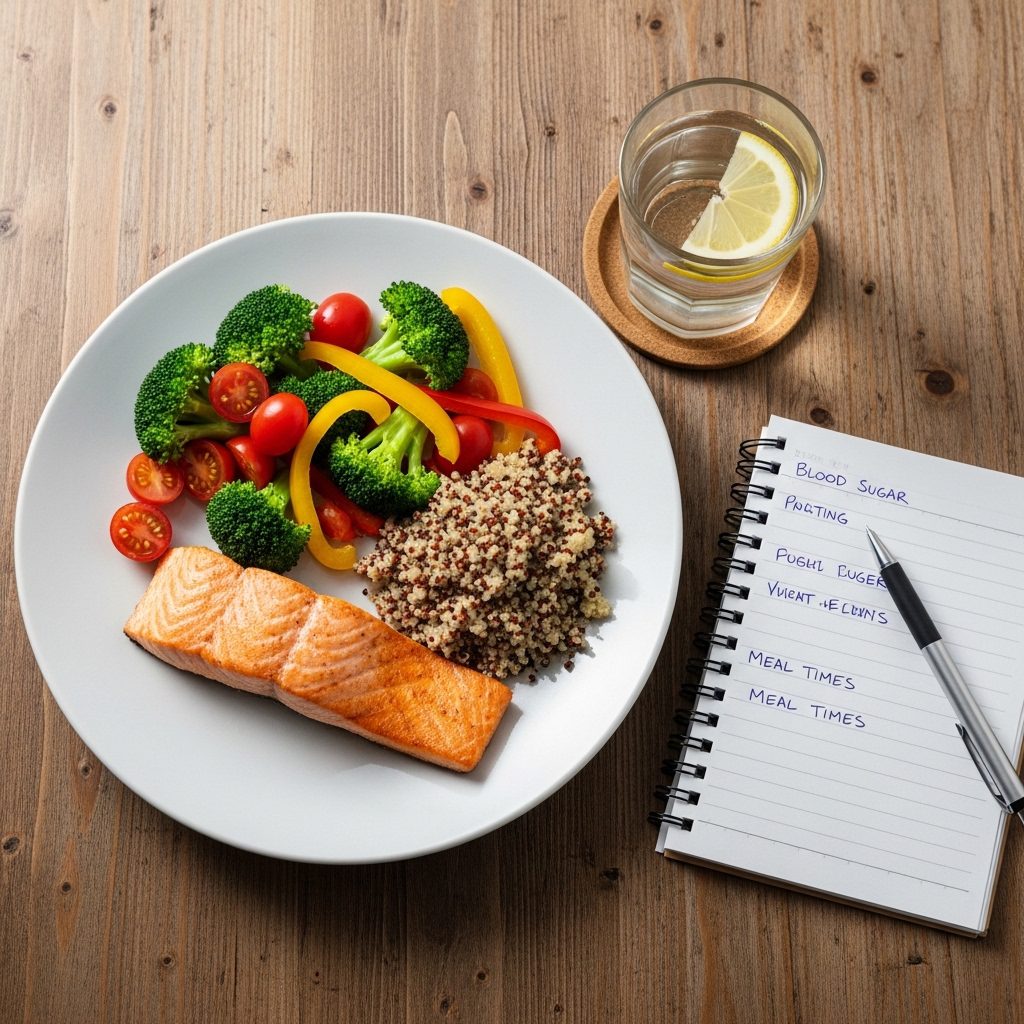
Why Blood Sugar Control Matters During Pregnancy:
Stable blood sugar levels reduce the risk of:
- Excessive fetal growth (macrosomia)
- Premature birth
- Cesarean delivery
- Neonatal hypoglycemia
- Increased future risk of type 2 diabetes for the mother
Therefore, nutrition is not about restriction — it is about balance, portion control, and consistency.

Core Principles of Gestational Diabetes Nutrition:
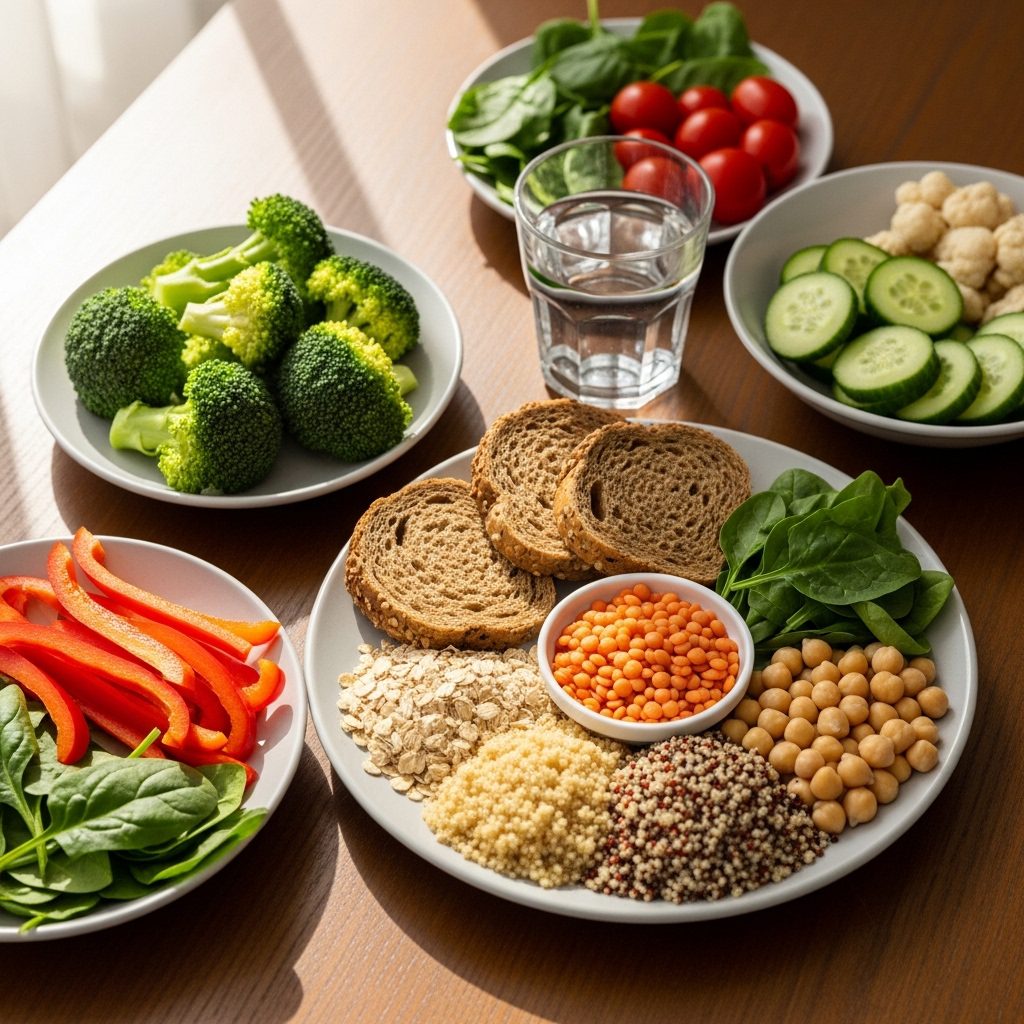
1. Choose Smart Carbohydrates:
Carbohydrates are not the enemy. In fact, eliminating them entirely is not recommended. Instead, focus on complex carbohydrates with a low glycemic index, which digest slowly and prevent sudden glucose spikes.
Best choices include:
- Whole wheat bread
- Oats
- Brown rice
- Quinoa
- Lentils, chickpeas, and beans
- Non-starchy vegetables
Avoid:
- White bread
- White rice
- Refined pasta
- Sweets and desserts
- Sugary drinks and juices (even natural juices)
Distributing carbohydrates evenly throughout the day helps maintain steady glucose levels rather than overwhelming the body with a large amount at once.
2. Distribute Meals Strategically for Gestational Diabetes Nutrition:
One of the most important strategies is meal timing. Instead of eating three large meals, aim for:
- 3 small-to-moderate main meals
- 2–3 healthy snacks
- Eating every 3–4 hours
This approach prevents blood sugar spikes and dangerous drops. Skipping meals can lead to unstable glucose levels, so consistency is key.
3. Reduce Morning Carbohydrates:
Insulin resistance is typically higher in the morning. For that reason, breakfast should be lower in carbohydrates and higher in protein.
Smart breakfast examples:
- Boiled eggs with whole wheat toast and cucumber
- Greek yogurt with berries
- Cottage cheese with vegetables
- Oatmeal in moderate portions paired with nuts
Avoid high-carb breakfasts such as pastries, sweet cereals, or white bread.

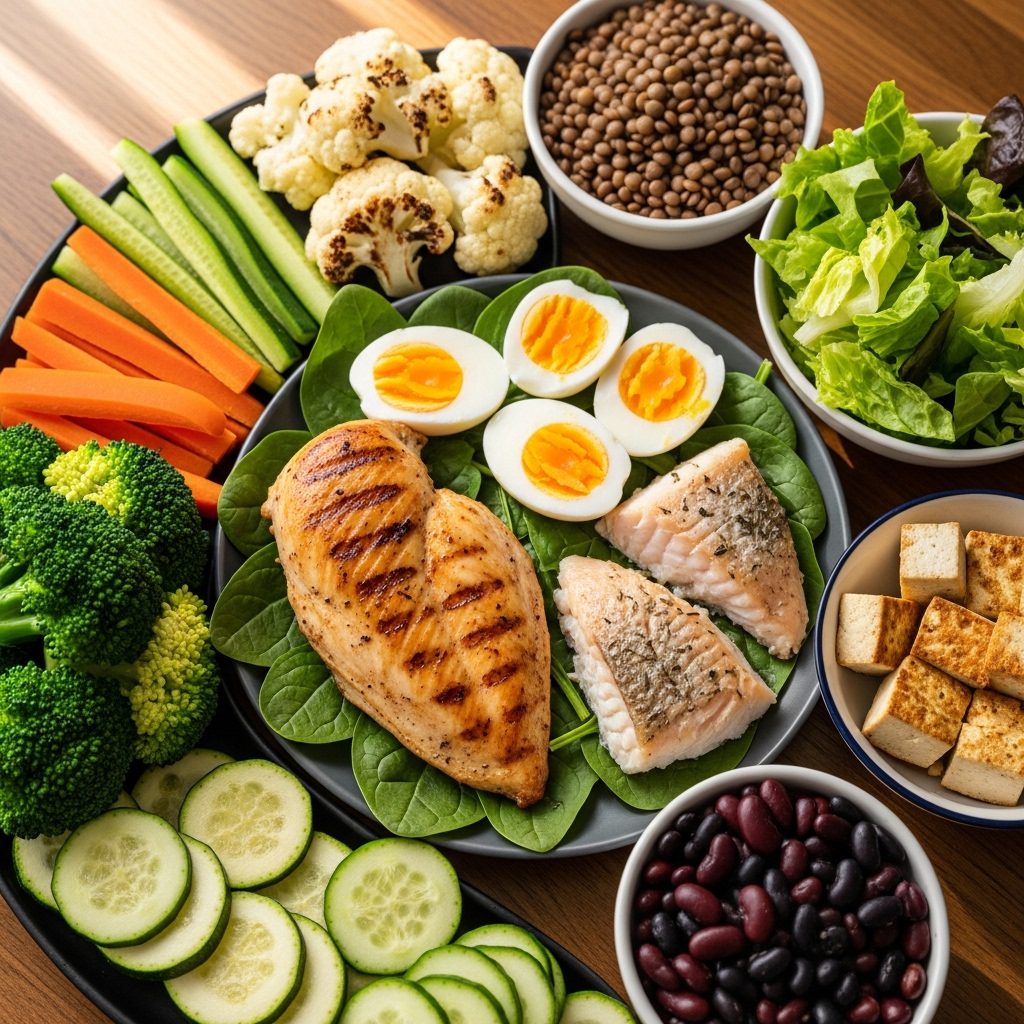
4. Include Lean Protein in Every Meal:
Protein helps slow carbohydrate absorption and supports blood sugar stability. It also promotes satiety, which prevents overeating.
Healthy protein options:
- Skinless chicken breast
- Fish
- Eggs
- Lean beef
- Low-fat dairy
- Cottage cheese
- Legumes
- Tofu
Pairing carbohydrates with protein significantly reduces glucose spikes
5. Increase Fiber Intake:
Fiber slows digestion and glucose absorption. It is one of the most powerful tools for stabilizing blood sugar.
Focus on:
- Spinach
- Broccoli
- Zucchini
- Cauliflower
- Cucumber
- Lettuce
- Lentils
- Beans
Non-starchy vegetables should be included in every main meal.
6. Choose Healthy Fats:
Healthy fats improve insulin sensitivity and support fetal development.
Best sources:
- Olive oil
- Avocado
- Nuts (almonds, walnuts)
- Seeds
Limit saturated and fried fats, as they may worsen insulin resistance.
7. Stay Hydrated:
Drinking enough water supports metabolic balance. Aim for around 8 glasses per day. Avoid:
- Soda
- Sweetened beverages
- Fruit juices
- Energy drinks
Even natural juice can cause rapid blood sugar spikes.

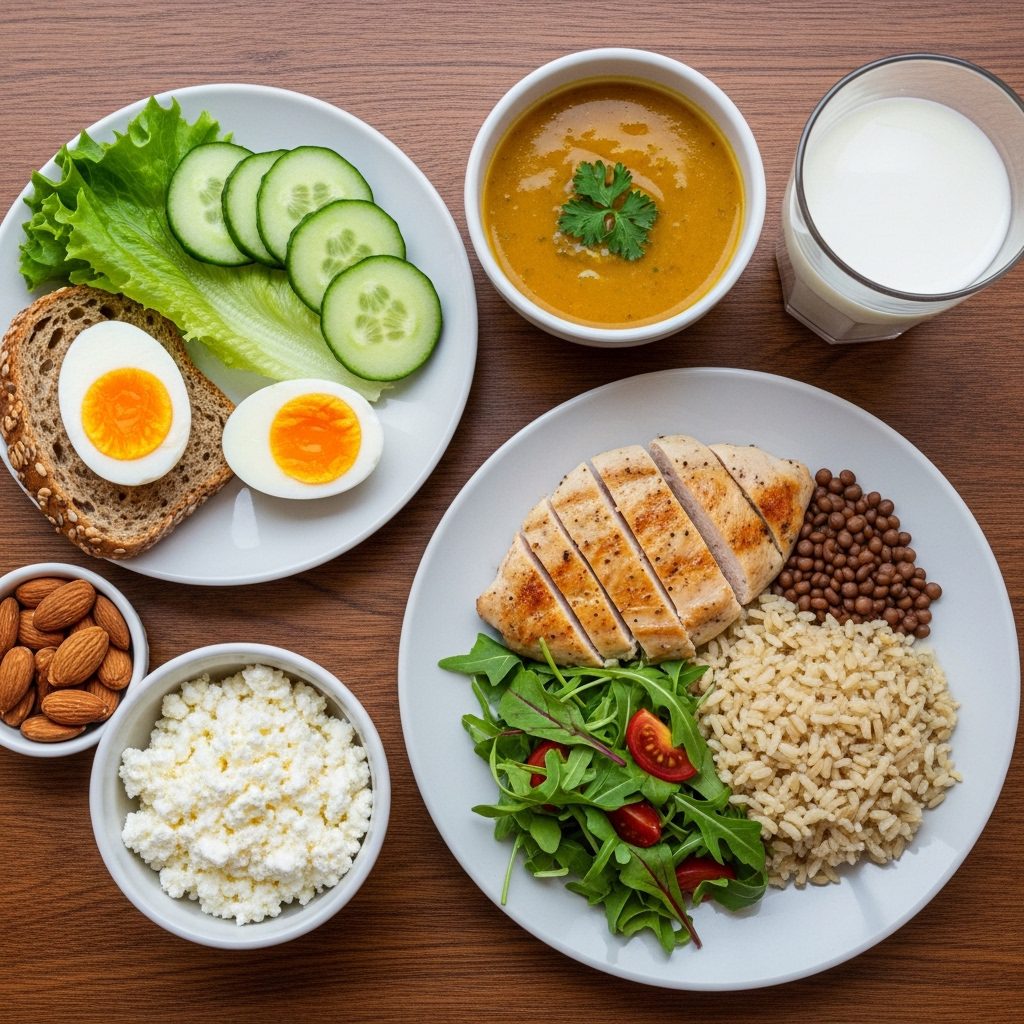
Sample Daily Meal Plan for Stable Blood Sugar:
1. Breakfast:
-
- 1 boiled egg
- 1 slice whole wheat bread
- Cucumber and lettuce
- Unsweetened tea or coffee
2. Snack 1 (2–3 hours later):
-
- A handful of almonds
OR - Cottage cheese
- A handful of almonds
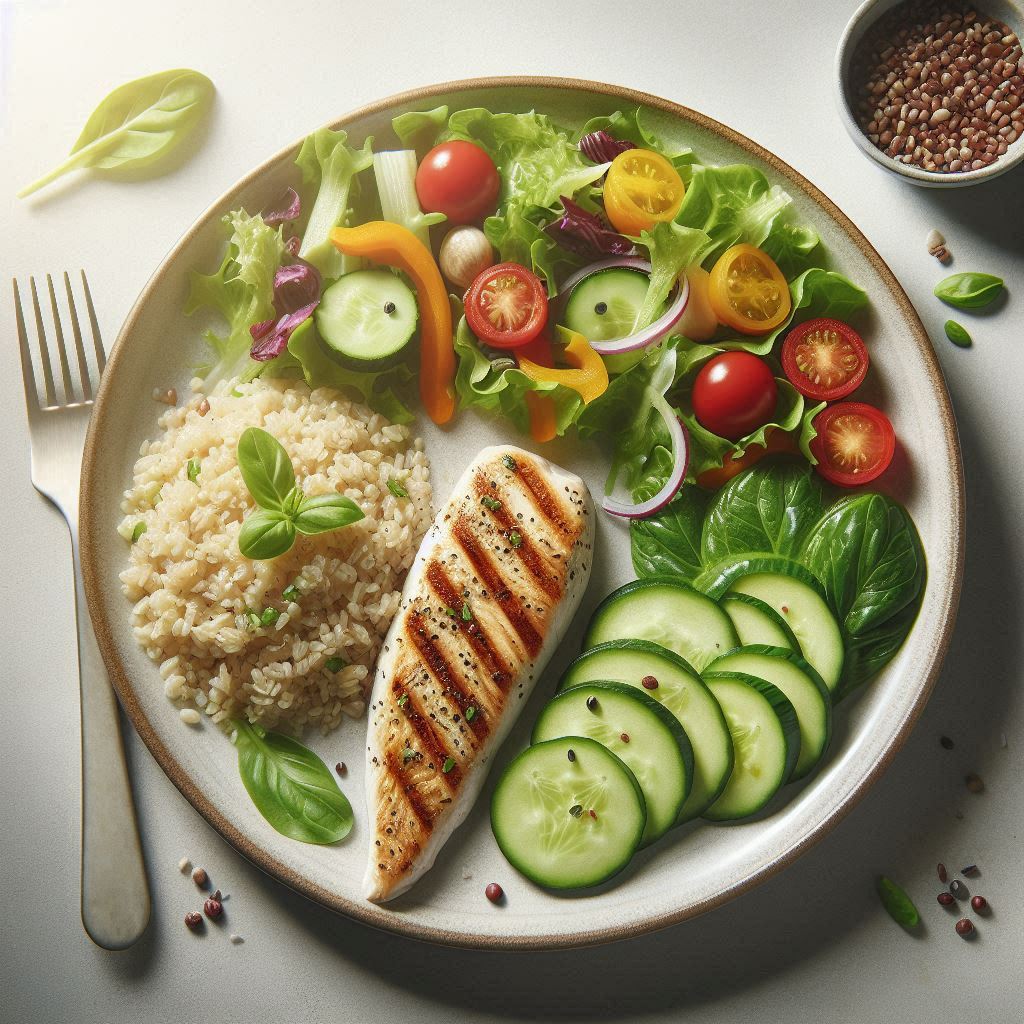
3. Lunch:
-
- Grilled chicken or fish
- Large green salad
- Small portion of brown rice or quinoa
4. Snack 2:
-
- Small apple or pear
OR - Vegetables with hummus
- Small apple or pear
5. Dinner:
-
- Lentil soup or vegetable soup
- Lean protein
- Salad
6. Bedtime Snack:
-
- A cup of milk or yogurt
A bedtime snack that combines protein and moderate carbohydrates helps prevent nighttime drops and morning spikes.
Physical Activity and Blood Sugar:
Light exercise improves insulin sensitivity and helps muscles use glucose efficiently.
Recommended options (after medical approval):
- 10–30 minutes of walking daily
- Walking after meals
- Gentle prenatal exercises
Even 10–15 minutes of walking after eating can significantly lower post-meal glucose levels.
Monitoring Blood Sugar:
Monitoring is essential. Many women are advised to check blood sugar:
- Fasting (upon waking)
- 1 or 2 hours after meals
- Up to 4 times daily (as recommended)
Tracking readings helps identify how specific foods affect your body and allows healthcare providers to adjust the plan if needed.

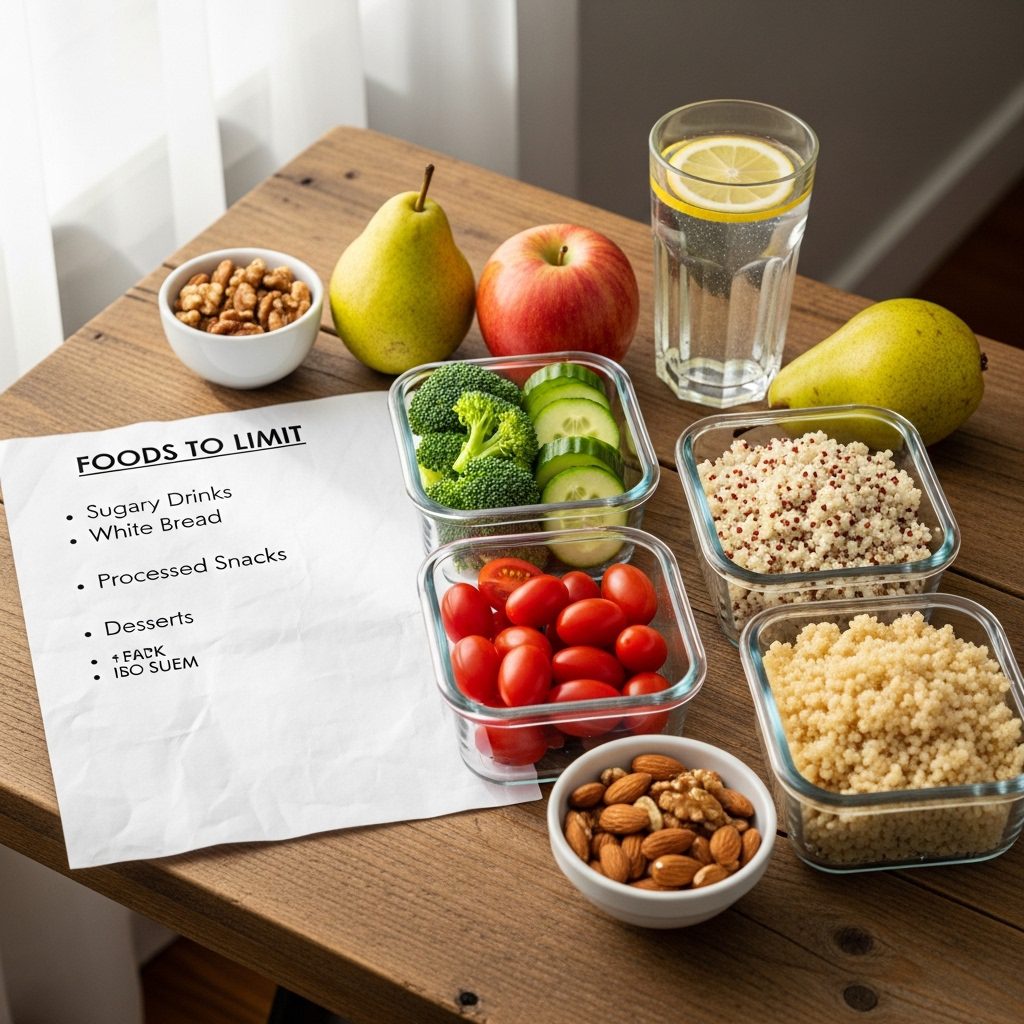
Foods to Limit or Avoid:
- Sugary desserts
- Cakes and pastries
- White bread
- White rice
- Refined pasta
- Fried foods
- Fast food
- Processed snacks
- Dried fruits (can spike glucose quickly)
- White potatoes
Moderation is critical. Complete elimination of carbohydrates is not necessary — smart selection and portion control are the solution.
When Diet and Exercise Are Not Enough:
In some cases, lifestyle changes alone may not maintain glucose within target levels. If that happens, your doctor may recommend insulin therapy. This does not mean failure — it simply ensures the safest environment for your baby.
Managing gestational diabetes requires consistency, awareness, and balanced nutrition. By choosing complex carbohydrates, increasing fiber, including lean protein at every meal, and distributing food evenly throughout the day, you can maintain stable blood sugar levels and support a healthy pregnancy.
Remember, every pregnancy is unique. Always consult your healthcare provider or a registered dietitian for a personalized nutrition plan tailored to your needs.
Taking control of your nutrition today is an investment in your baby’s future health. For more evidence-based pregnancy nutrition guidance and practical wellness strategies, visit Nutrition Travels and explore trusted resources designed to support you throughout your journey.