Aging is an inevitable process, but how gracefully we age depends largely on lifestyle, nutrition, and cellular protection. Antioxidants and aging play a crucial role in slowing age-related damage, as these natural compounds act as the body’s first line of defense against free radicals—unstable molecules that cause oxidative stress, damage cells, and accelerate aging. By neutralizing free radicals, antioxidants protect DNA, proteins, and cell membranes, reducing the risk of chronic diseases and helping maintain optimal cognitive and physical function.
How Antioxidants Work:
Free radicals are produced naturally in the body as a byproduct of metabolism, but environmental factors such as pollution, UV exposure, smoking, and processed foods can increase their number. When free radicals overwhelm the body’s defenses, oxidative stress occurs, which damages cells, tissues, and organs. This is where antioxidants come in.
Antioxidants neutralize free radicals by donating electrons without becoming unstable themselves. This prevents a chain reaction of cellular damage and supports the body’s natural repair processes. Key antioxidants include vitamin C, vitamin E, polyphenols, carotenoids, and flavonoids, each with unique properties that protect both the brain and body from the harmful effects of oxidative stress.
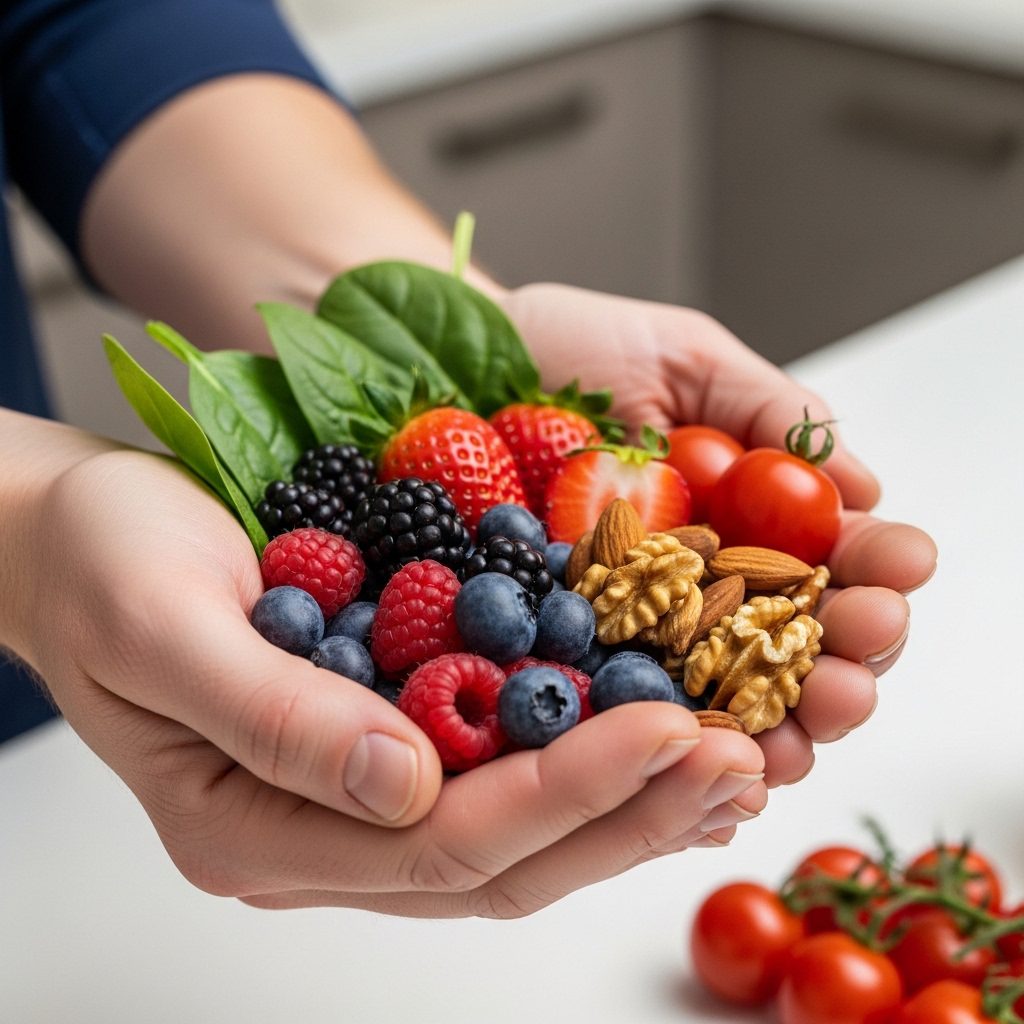
The Role of Antioxidants in Brain Health:
The brain is especially vulnerable to oxidative stress due to its high oxygen consumption and lipid-rich environment. Antioxidants play a vital role in maintaining cognitive function and protecting against neurodegenerative diseases:
- Memory and Focus: Vitamin E and polyphenols help protect neurons and improve synaptic function, supporting short-term memory and mental clarity.
- Neuroprotection: Antioxidants reduce inflammation and oxidative damage, lowering the risk of Alzheimer’s, Parkinson’s, and other age-related cognitive decline.
- Mood Regulation: Oxidative stress is linked to mood disorders. Antioxidants help maintain neurotransmitter balance, supporting emotional stability and reducing anxiety.
By keeping oxidative stress under control, antioxidants enhance cognitive performance and reduce the risk of mental fatigue, commonly experienced with age.
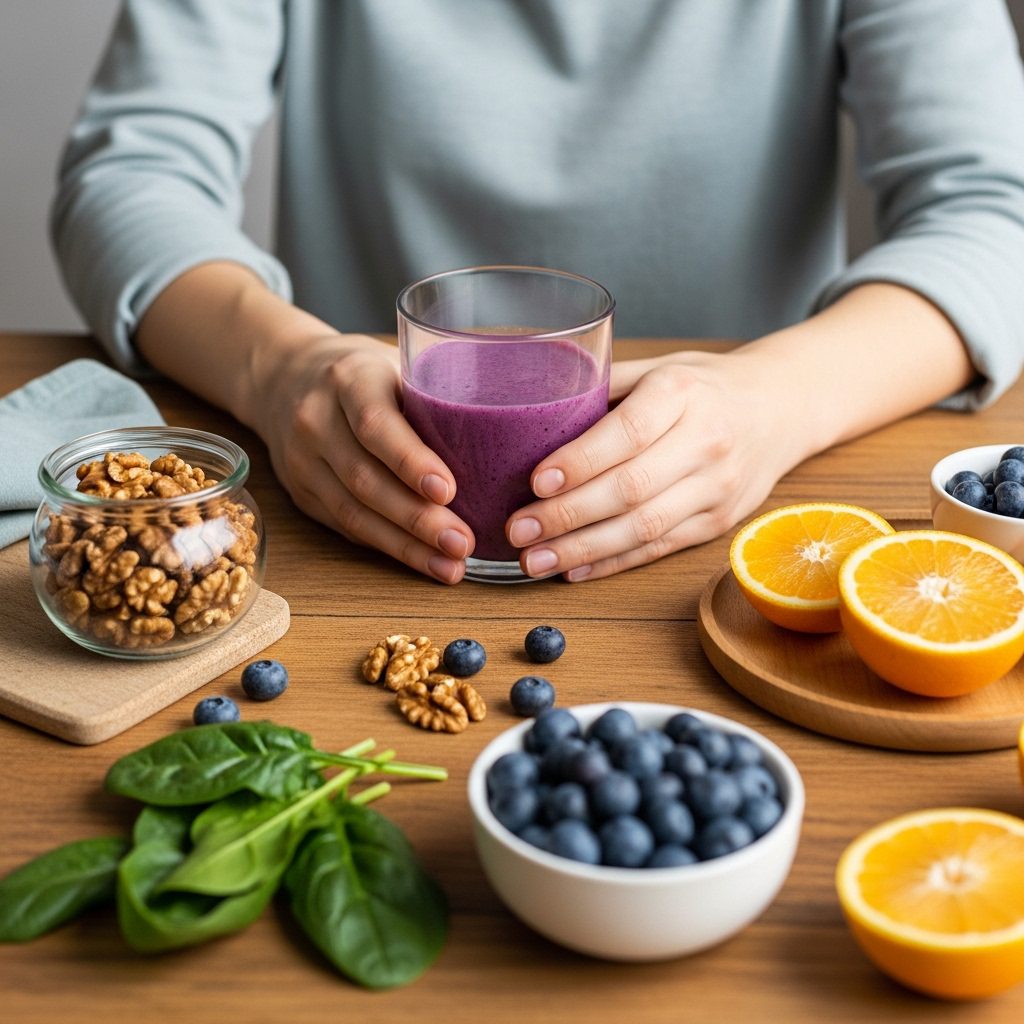
Protecting Your Body and Skin:
Oxidative stress is a key factor in aging skin and chronic diseases. Antioxidants provide multiple benefits:
- Skin Health: Vitamin C, vitamin E, and carotenoids promote collagen synthesis, improve skin elasticity, and reduce fine lines and wrinkles. They also protect against UV damage, which accelerates skin aging.
- Immune Support: Antioxidants strengthen immune cells, enhancing resistance to infections and inflammation. Polyphenols, found in berries and green tea, can modulate immune responses to keep the body healthier.
- Organ Protection: Antioxidants protect vital organs like the heart, liver, and kidneys from oxidative damage, supporting long-term health.
By reducing oxidative stress, antioxidants slow cellular aging, helping maintain youthful skin, robust immunity, and overall vitality.
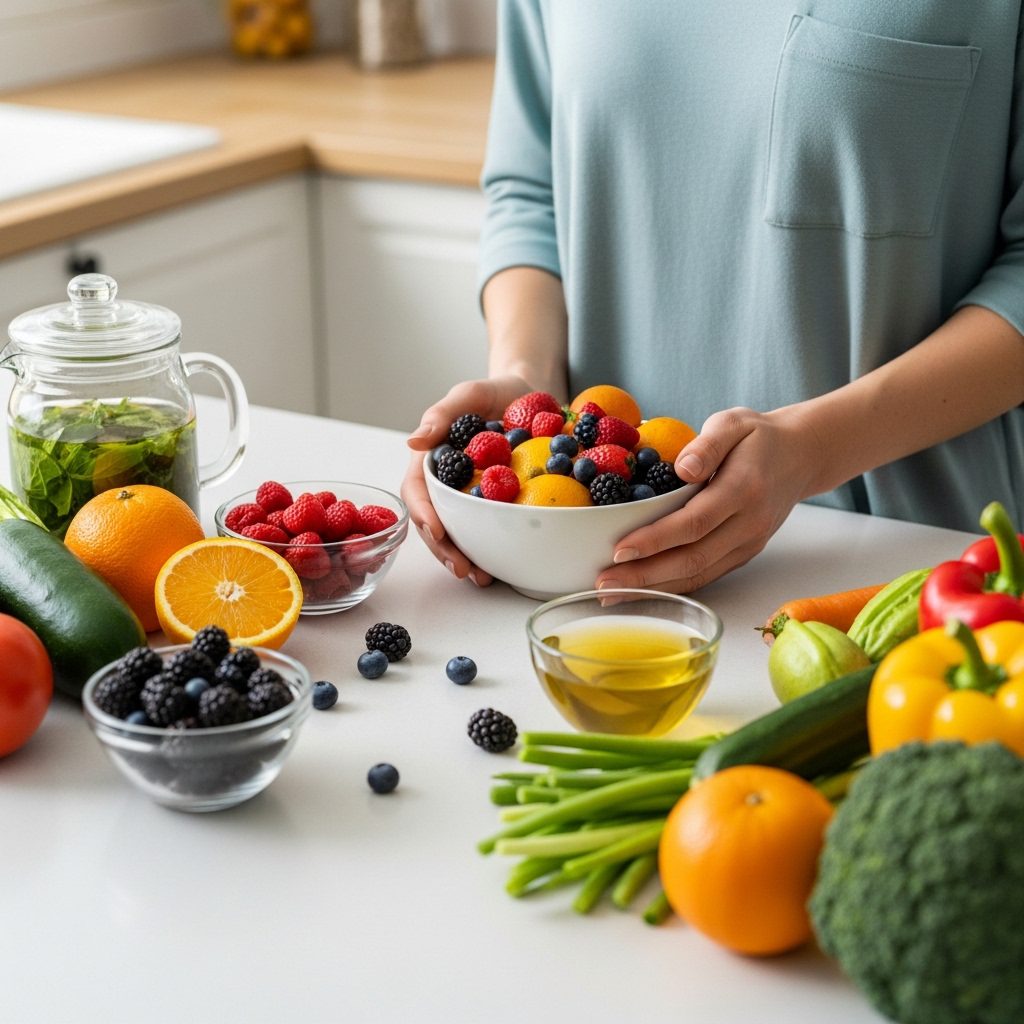
Key Dietary Sources of Antioxidants:
Including a variety of antioxidant-rich foods in your diet is essential for optimal health:
1. Fruits and Vegetables:
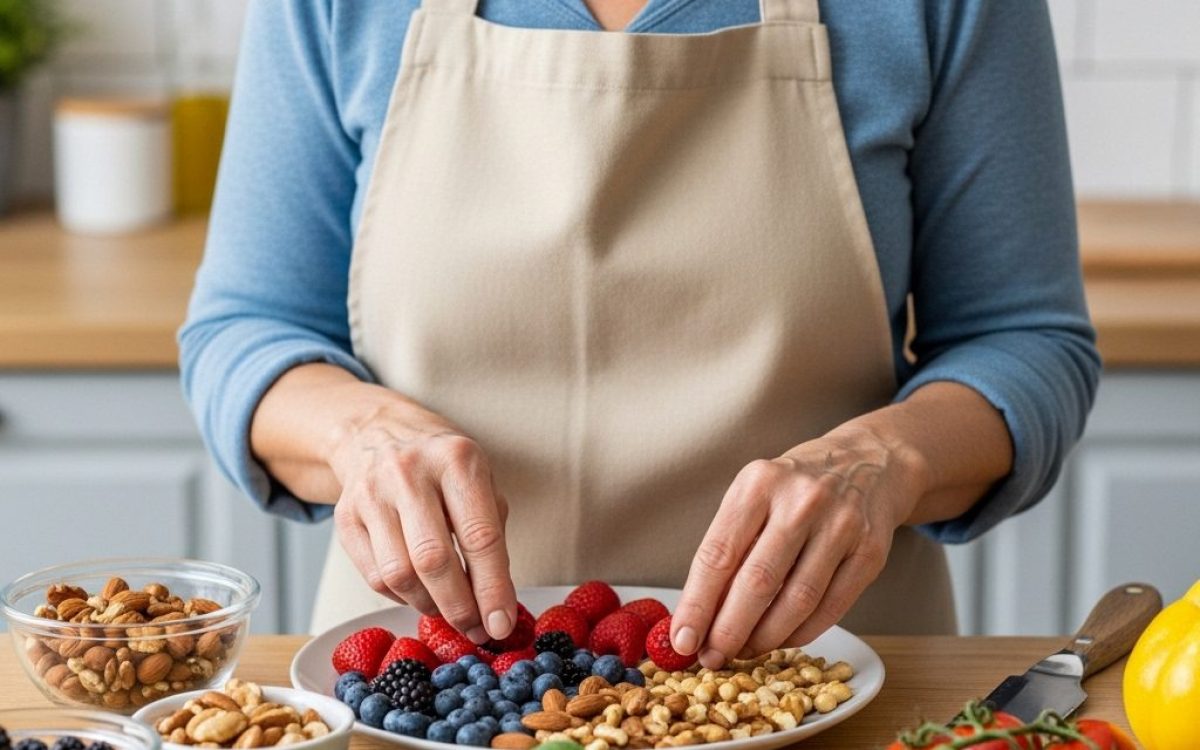
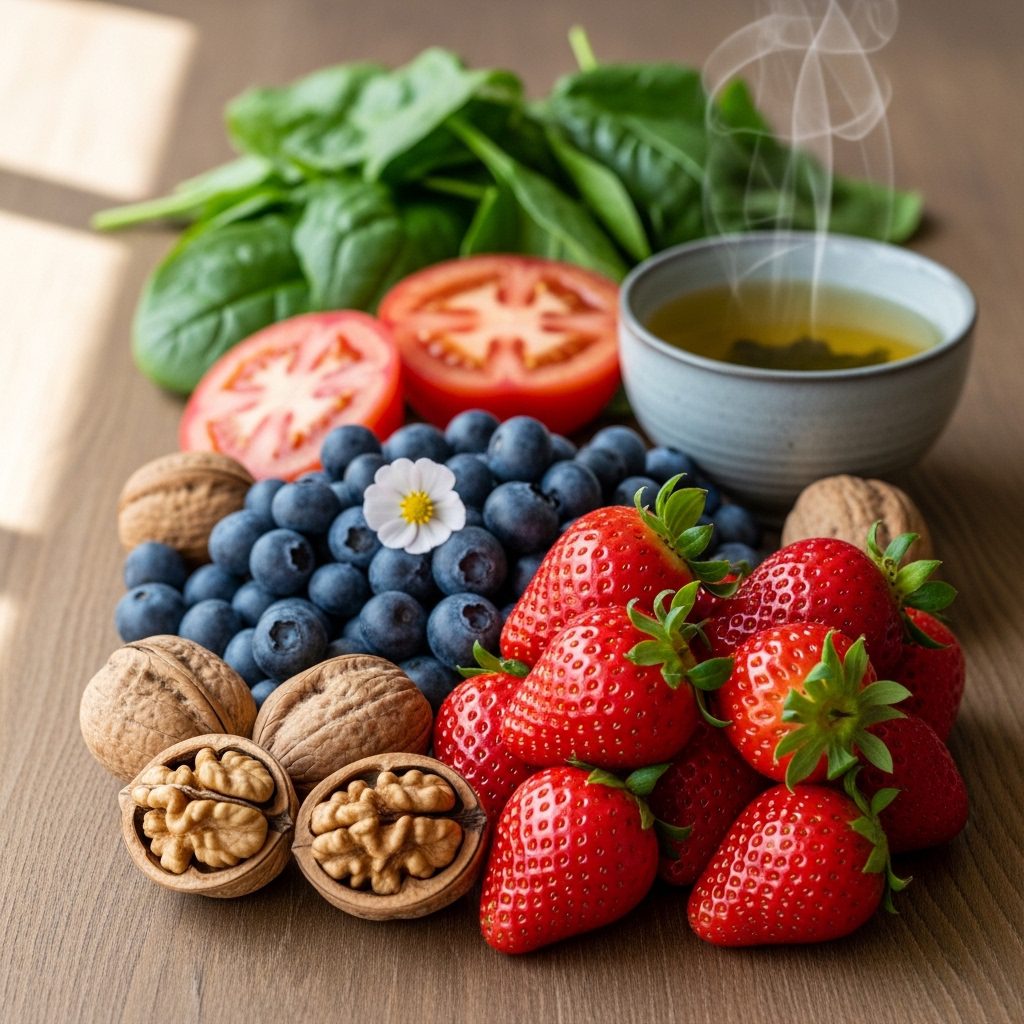
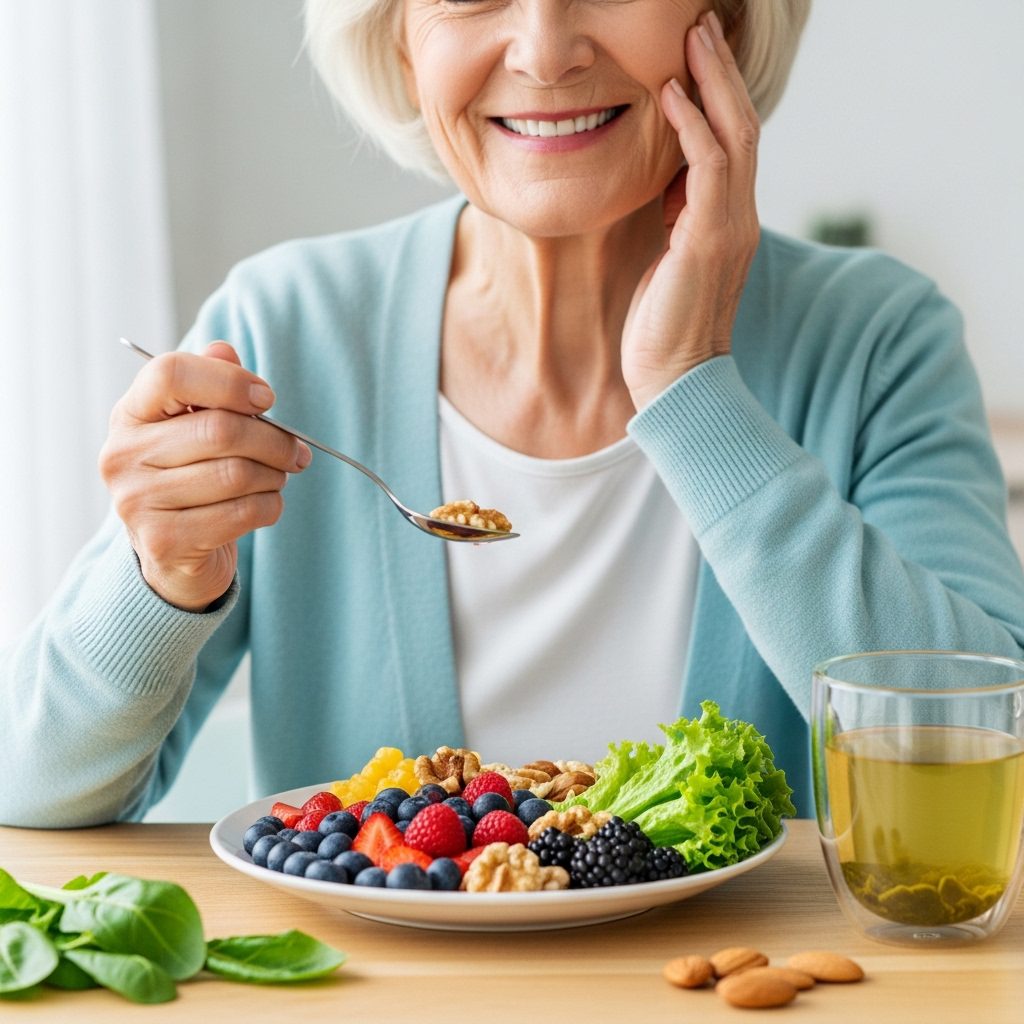
- Berries: Blueberries, strawberries, and blackberries are rich in anthocyanins that protect neurons and reduce inflammation.
- Leafy Greens: Spinach, kale, and collard greens provide carotenoids and vitamin K to support brain function and eye health.
- Other Veggies: Broccoli, tomatoes, carrots, and sweet potatoes deliver vitamins C and A, essential for skin and organ health.
2. Nuts, Seeds, and Healthy Fats:
- Almonds, walnuts, flaxseeds, sunflower seeds, and pumpkin seeds provide vitamin E and omega-3 fatty acids.
- Extra Virgin Olive Oil contains polyphenols that protect the heart and skin while reducing inflammation.
3. Proteins and Fish:
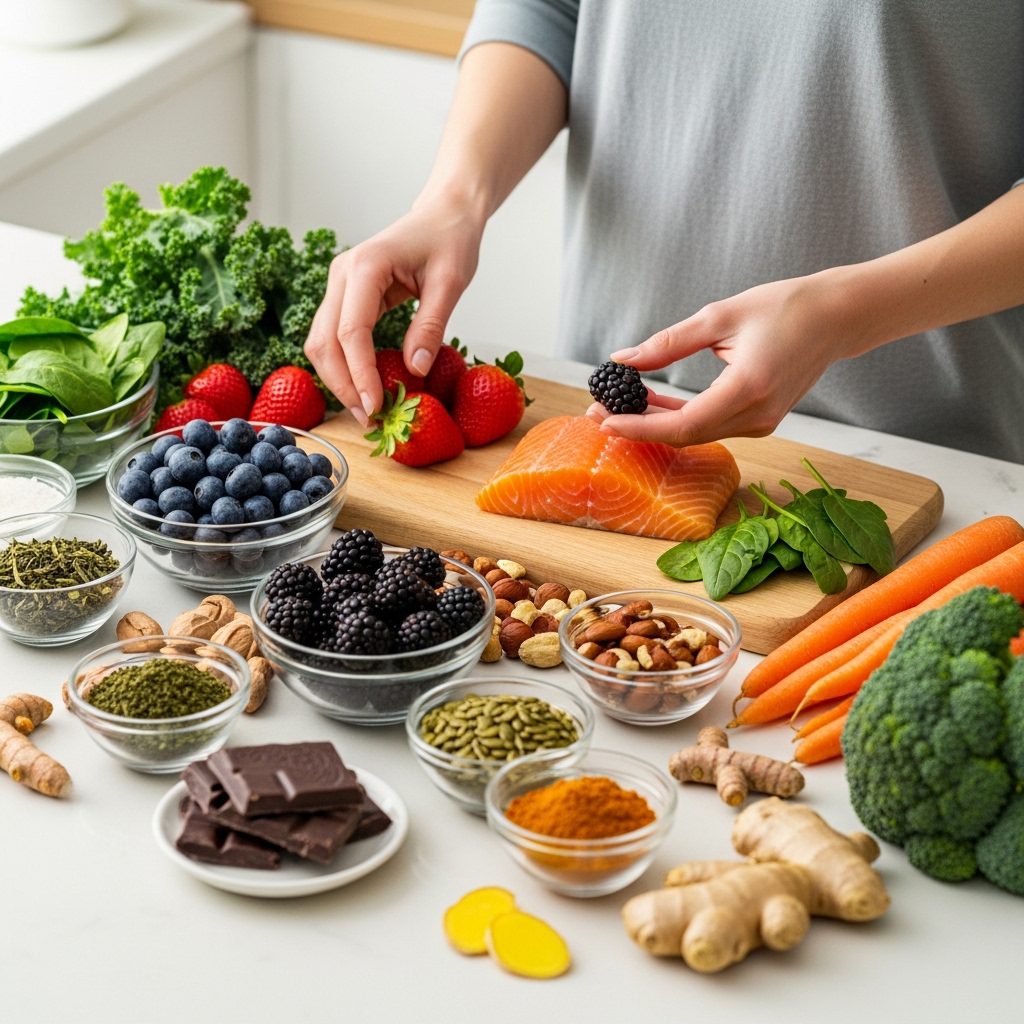
- Fatty Fish: Salmon, mackerel, and sardines are rich in omega-3 fatty acids, supporting brain health and cognitive function.
4. Beverages and Spices:
- Green Tea: Rich in catechins that fight free radicals.
- Dark Chocolate: (70% cocoa or higher) contains flavonoids that improve blood flow and brain function.
- Turmeric and Ginger: Potent anti-inflammatory antioxidants that protect cells from damage.
By consuming a wide range of these foods, you ensure that your body receives multiple types of antioxidants for optimal protection.
Lifestyle Tips to Maximize Antioxidant Benefits:
Diet alone is not enough; lifestyle habits amplify antioxidant effects:
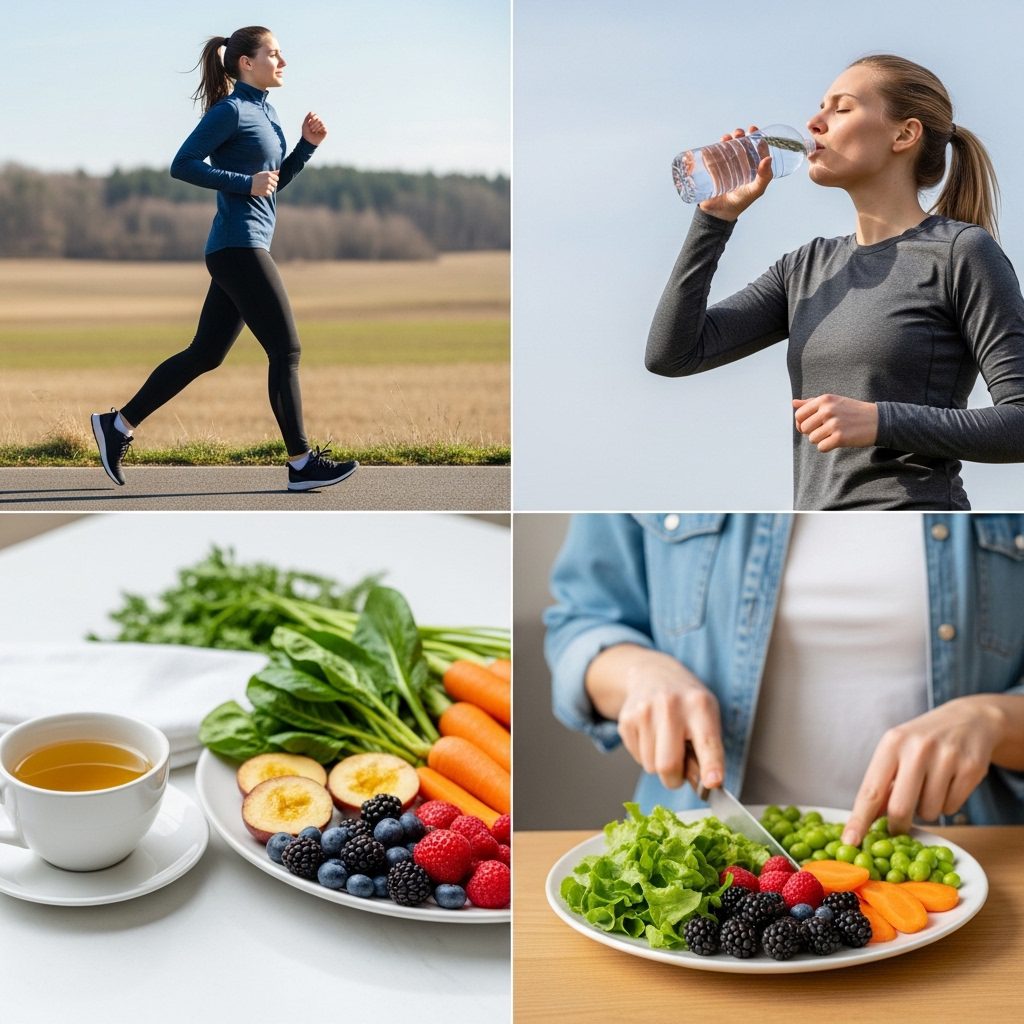
1. Exercise Regularly: Moderate exercise enhances the body’s natural antioxidant production, protecting against oxidative stress. Aim for 150 minutes of aerobic activity per week.
2. Avoid Oxidative Triggers: Limit smoking, alcohol, and exposure to pollution. Processed foods and refined sugars increase free radical formation.
3. Stay Hydrated: Water supports cellular function, nutrient transport, and detoxification, complementing antioxidants in protecting tissues.
4. Prioritize Sleep: 7–9 hours of quality sleep allows the body to repair cells and produce natural antioxidants like melatonin.
5. Diverse Diet: Include colorful fruits and vegetables to maximize the range of phytonutrients consumed. Different colors indicate different antioxidant compounds.
How Antioxidants Delay Aging:
Aging is driven in part by oxidative stress, which damages cells over time. Antioxidants delay aging by:
- Reducing Free Radical Damage: Neutralizing unstable molecules prevents DNA, protein, and membrane damage.
- Supporting Brain Function: Protecting neurons reduces the risk of cognitive decline and age-related mental fatigue.
- Promoting Skin Elasticity: Collagen production is enhanced, minimizing wrinkles and supporting youthful skin.
- Preventing Chronic Disease: Lower oxidative stress reduces the risk of cardiovascular disease, cancer, diabetes, and neurodegenerative disorders.
In short, antioxidants help maintain vitality, mental sharpness, and physical resilience well into older age.
Foods to Avoid for Anti-Aging:
While antioxidants help prevent cellular damage, certain foods accelerate oxidative stress:
- Refined Sugars and Trans Fats: Increase inflammation and accelerate skin aging.
- Processed Foods and Deep-Fried Foods: Contribute to free radical formation and chronic diseases.
Focusing on whole, nutrient-rich foods while minimizing harmful foods ensures antioxidants can work effectively.
Key Takeaways:
- Antioxidants are essential for protecting brain, skin, and body from oxidative stress.
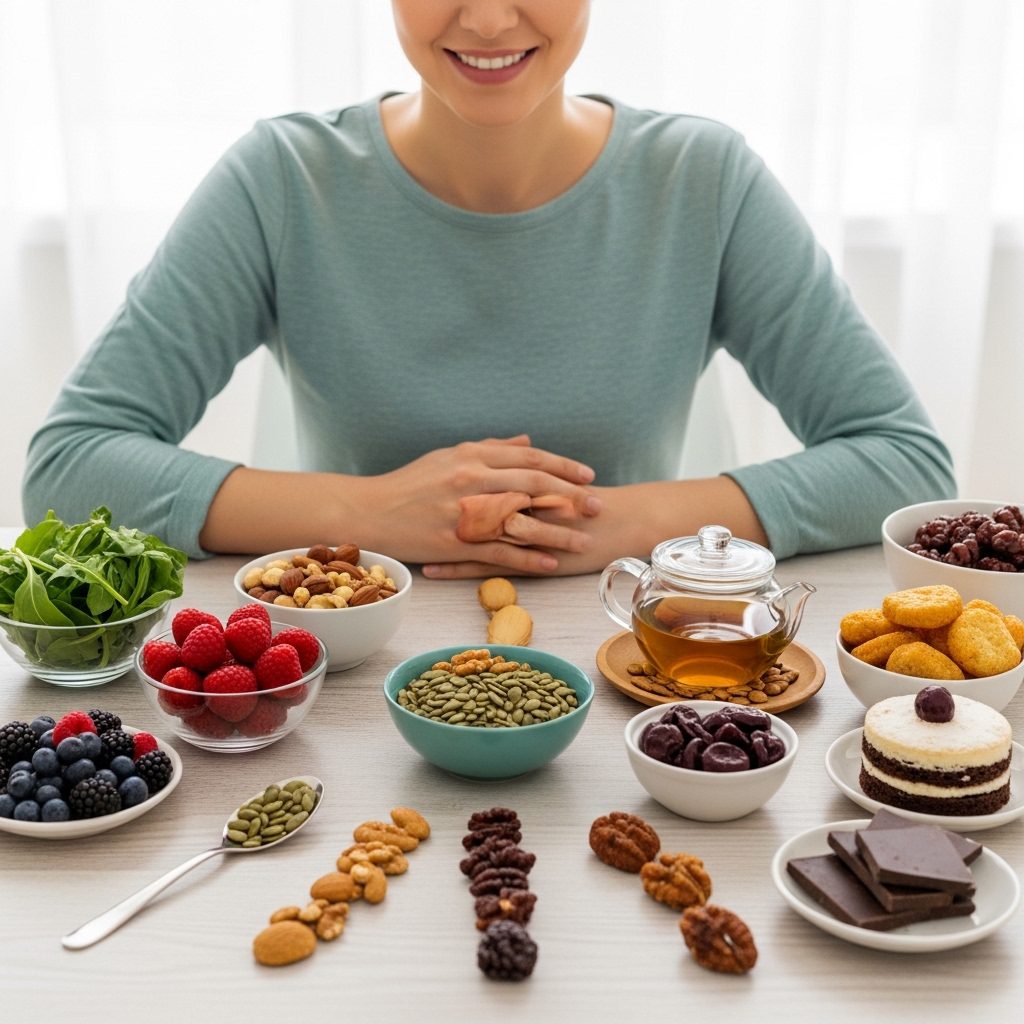
- Natural sources such as berries, leafy greens, nuts, seeds, fatty fish, green tea, and dark chocolate provide a wide spectrum of protective compounds.
- Lifestyle choices like exercise, hydration, quality sleep, and avoiding harmful foods enhance antioxidant benefits.
- Regular intake supports cognitive function, slows visible aging, and reduces chronic disease risk.
Antioxidants are the body’s natural defense against oxidative stress and the early signs of aging. By integrating antioxidant-rich foods into your diet and maintaining a healthy lifestyle, you can protect your brain, support your immune system, and maintain youthful, resilient skin. Aging gracefully is not just about looks; it’s about ensuring your body and mind function optimally for years to come.
A practical approach includes colorful fruits and vegetables, nuts, seeds, fatty fish, dark chocolate, green tea, and anti-inflammatory spices, along with regular exercise, hydration, and adequate sleep. Together, these habits form a holistic strategy to combat oxidative stress, enhance cognitive performance, and support overall health.
For more insights on healthy aging, nutrition, and lifestyle tips, visit Nutrition Travels.