

At a certain stage of life, talking about health becomes deeper than just numbers on a blood pressure monitor or blood test results. It becomes about memory, mental clarity, the ability to focus, and the speed of recalling information as essential parts of quality of life. With advancing age, interest has grown in what is now known as “cognitive longevity”, a concept that refers to maintaining brain efficiency and cognitive functions for as long as possible.
For seniors, and for those interested in the field of healthy nutrition, understanding the relationship between nutrient-dense diets and brain health is no longer a luxury of knowledge; it has become a central pillar in preventing age-related cognitive decline.

What is Meant by Cognitive Longevity and Brain Health in Aging:
Cognitive longevity does not only mean avoiding diseases such as Alzheimer’s; it also means preserving short- and long-term memory, the ability to learn, make decisions, maintain attention, and sustain mental flexibility. With aging, nerve cells undergo natural changes, blood flow to the brain may relatively decrease, and oxidative stress and low-grade inflammation may increase. This is where nutrition plays a central role.
The brain is a highly metabolically active organ, consuming a significant proportion of the body’s energy and nutrients. Therefore, the quality of daily food intake is reflected directly or indirectly in cognitive performance.
Why are nutrient-dense diets important for seniors?
With aging, appetite may decline or dietary habits may change, and issues with the absorption of certain vitamins and minerals may arise. This means that every meal becomes more valuable. Instead of focusing solely on calories, the emphasis shifts to nutrient density.
Nutrient-dense diets are those that provide the highest possible amount of vitamins, minerals, and beneficial plant compounds relative to a moderate number of calories. For seniors, this type of nutrition contributes to:
- Supporting the health of blood vessels that nourish the brain.
- Reducing chronic inflammation associated with neuronal degeneration.
- Protecting cells from oxidative stress.
- Supporting the production of neurotransmitters responsible for mood and focus.

Omega-3 fatty acids and their role in supporting the brain:
Omega-3 fatty acids, especially DHA, are a fundamental component of neuronal cell membranes. Studies suggest that lower levels may be associated with changes in certain cognitive functions.
Food sources rich in Omega-3 include:
- Fatty fish such as salmon and sardines.
- Flaxseeds.
- Walnuts.
For seniors, incorporating these sources into the diet may help support neuronal membrane flexibility and improve communication between brain cells.
Antioxidants: The defense line against oxidative stress:
With aging, the impact of free radicals on body cells increases, including brain cells. Antioxidants such as Vitamin C, Vitamin E, and polyphenols found in fruits and vegetables play a role in reducing this impact.
Foods rich in antioxidants include:
- Berries of various kinds.
- Dark leafy greens.
- Green tea.
Seniors who follow a diet rich in these foods may gain additional support in maintaining cognitive functions.

Vitamin B and nervous system health:
B vitamins, particularly B6, B12, and folate, play an important role in supporting nerve health and producing neurotransmitters. They also help reduce homocysteine levels, a compound that may be associated with an increased risk of cognitive decline when elevated.
With aging, the absorption of Vitamin B12 in particular may decrease, making attention to its dietary sources important, such as:
- Meat.
- Fish.
- Eggs.
- Dairy products.
Protein, muscle quality, and their relationship with the brain:
Discussing protein may seem distant from brain health, but the relationship between muscle mass and cognitive health has become an increasing focus of research. Maintaining good muscle mass contributes to improved insulin sensitivity and reduced inflammation, both of which are linked to brain health.
High-quality protein sources include:
- Legumes.
- Lean meats.
- Fish.
- Dairy products.
- Nuts.
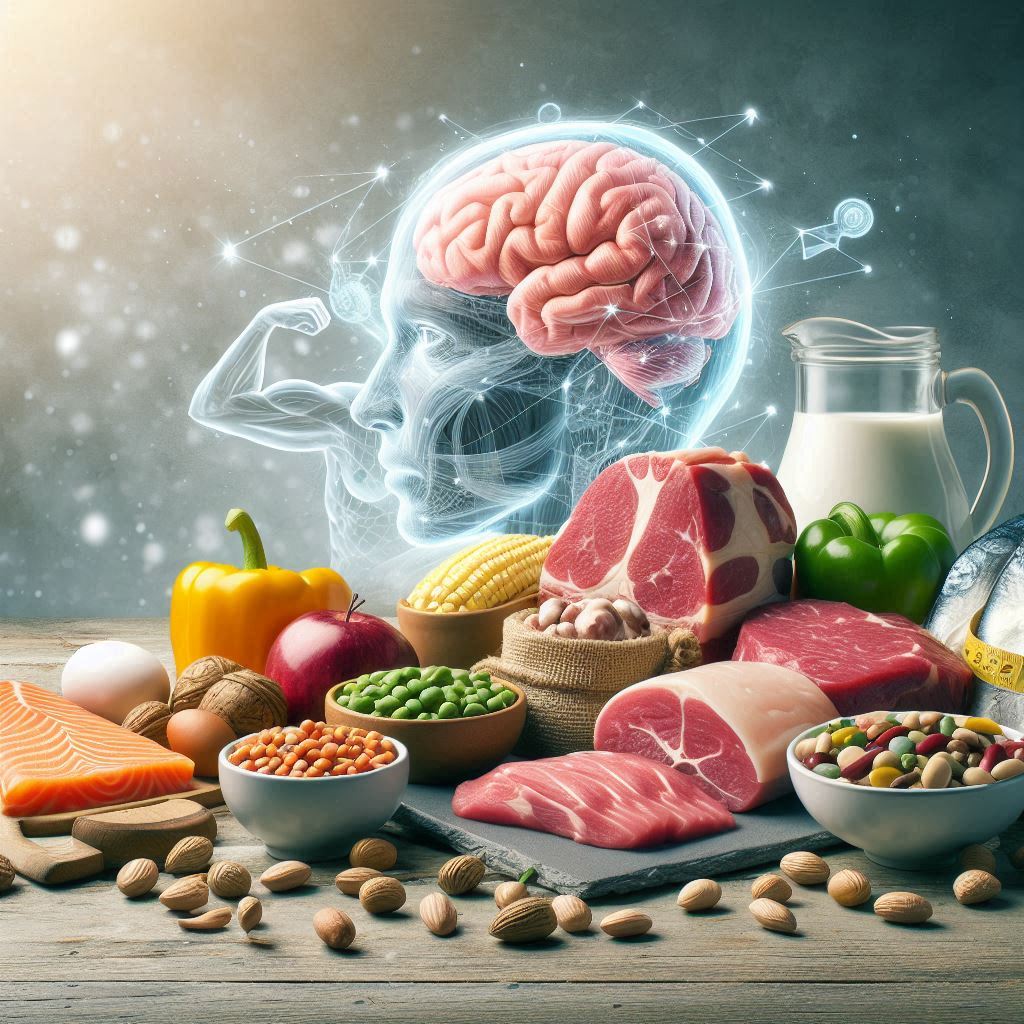
Lifestyle and Nutrition for Long-Term Cognitive Longevity:
When addressing those interested in nutrition, it becomes clear that food does not function in isolation from other factors. Regular physical activity, adequate sleep, stress management, and mental stimulation all work alongside diet to support cognitive longevity.
However, food remains a daily, recurring element, giving it a unique opportunity to exert cumulative long-term effects.

Cognitive longevity is not a distant goal, but rather a daily process that begins with choosing a plate rich in natural colors, healthy fats, balanced protein, and whole grains. Over time, these small choices may accumulate to create a tangible difference in quality of life, mental clarity, and the ability to enjoy life in its later stages.
For everyone concerned about brain health, whether seniors or professionals and enthusiasts in the field of nutrition, at Nutrition Travels we are committed to providing reliable and simplified scientific information about dietary patterns that support cognitive health, the latest trends in preventive nutrition, and informed decisions that support long-term quality of life.