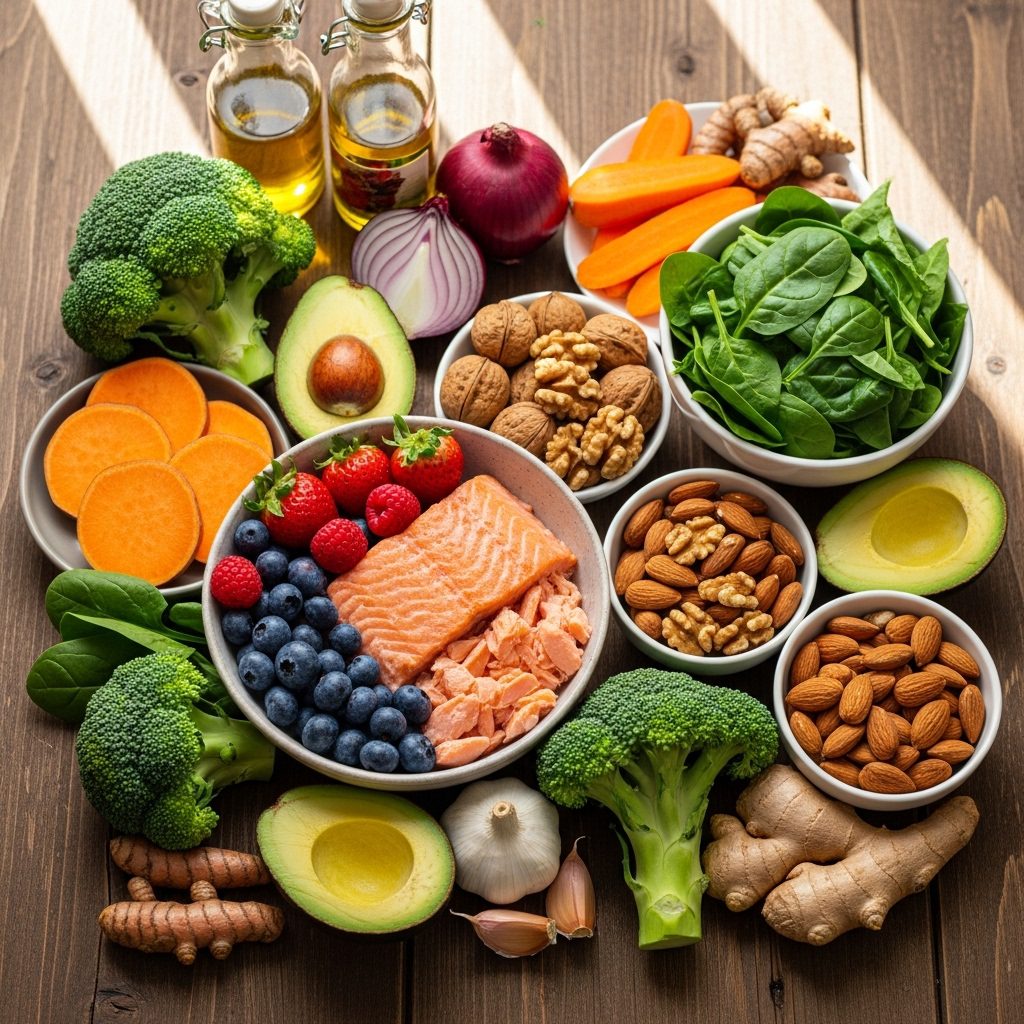

When you discover you’re pregnant, your attention naturally shifts to small but important details: What should I eat? What should I avoid? What supports my baby’s growth in the best way?, Among the most important nutrients recommended by doctors and experts are omega-3 and DHA during pregnancy.
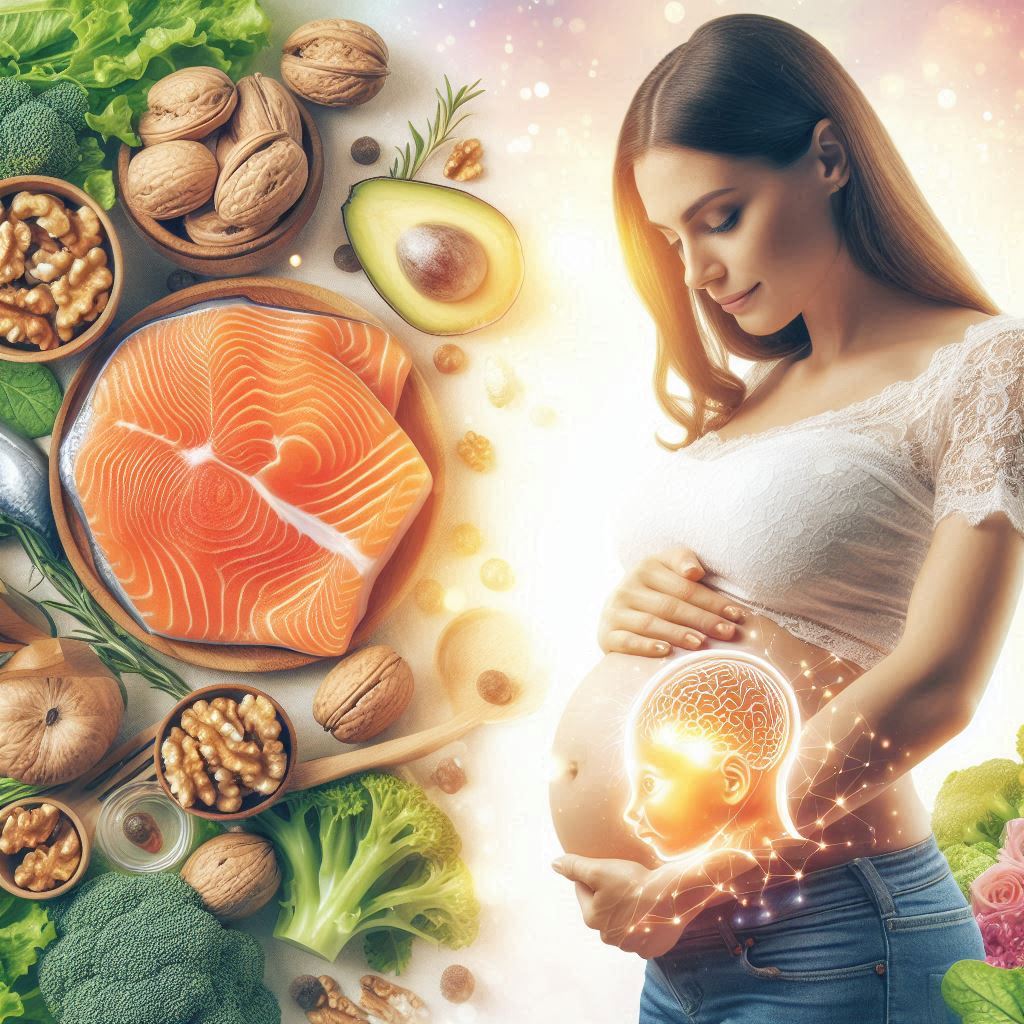
What are omega-3 and DHA during pregnancy?
Omega-3 is a group of essential fatty acids that the body cannot produce on its own, so they must come from food.
The most important types during pregnancy are:
- DHA (Docosahexaenoic Acid)
- EPA (Eicosapentaenoic Acid)
DHA, in particular, is a key component in the development of the baby’s brain and retina.
You can think of omega-3 and DHA as part of the “building materials” the body relies on while the baby’s nervous system is forming. In the final months of pregnancy, the baby’s brain grows rapidly and needs healthy fats to help nerve cells develop and function properly.
According to the U.S. National Institutes of Health (NIH), DHA accumulates in large amounts in the baby’s brain during the third trimester, a critical stage in nervous system development.
Why are omega-3 and DHA during pregnancy important for brain development?
A baby’s brain grows extremely quickly, especially in the final weeks of pregnancy.
DHA contributes directly to the formation of:
- Nerve cell membranes
- Neural connections
- The retina

A lack of DHA may affect visual and neurological development. That’s why nutrition guidelines recommend getting enough low-mercury fish or appropriate supplements during pregnancy.
Practical tip:
If you don’t eat fish regularly, try scheduling two fish meals per week, such as salmon or sardines (low in mercury). Adding them to your weekly meal plan makes them easier to remember.
Omega-3 and DHA during pregnancy and eye health:
The retina contains high levels of DHA. During pregnancy, the baby depends entirely on the mother’s nutritional stores.
Nutrition guidelines for mothers and children suggest that eating fish twice weekly provides the DHA needed to support healthy eye development.
Example ideas if you don’t enjoy fish:
- Baked fish kofta
- Low-sodium tuna sandwich
- Cold salmon salad with lemon and olive oil
This way, you can benefit from omega-3 and DHA during pregnancy without getting bored with the same recipes.
Do omega-3 and DHA during pregnancy affect preterm birth?
Some research suggests that adequate omega-3 intake may help reduce the risk of preterm birth in certain women, especially those with a previous history of early delivery
However, there is no official government evidence confirming that omega-3 prevents preterm birth in all cases. Balanced nutrition remains important for overall pregnancy health.
Recommended DHA intake during pregnancy:
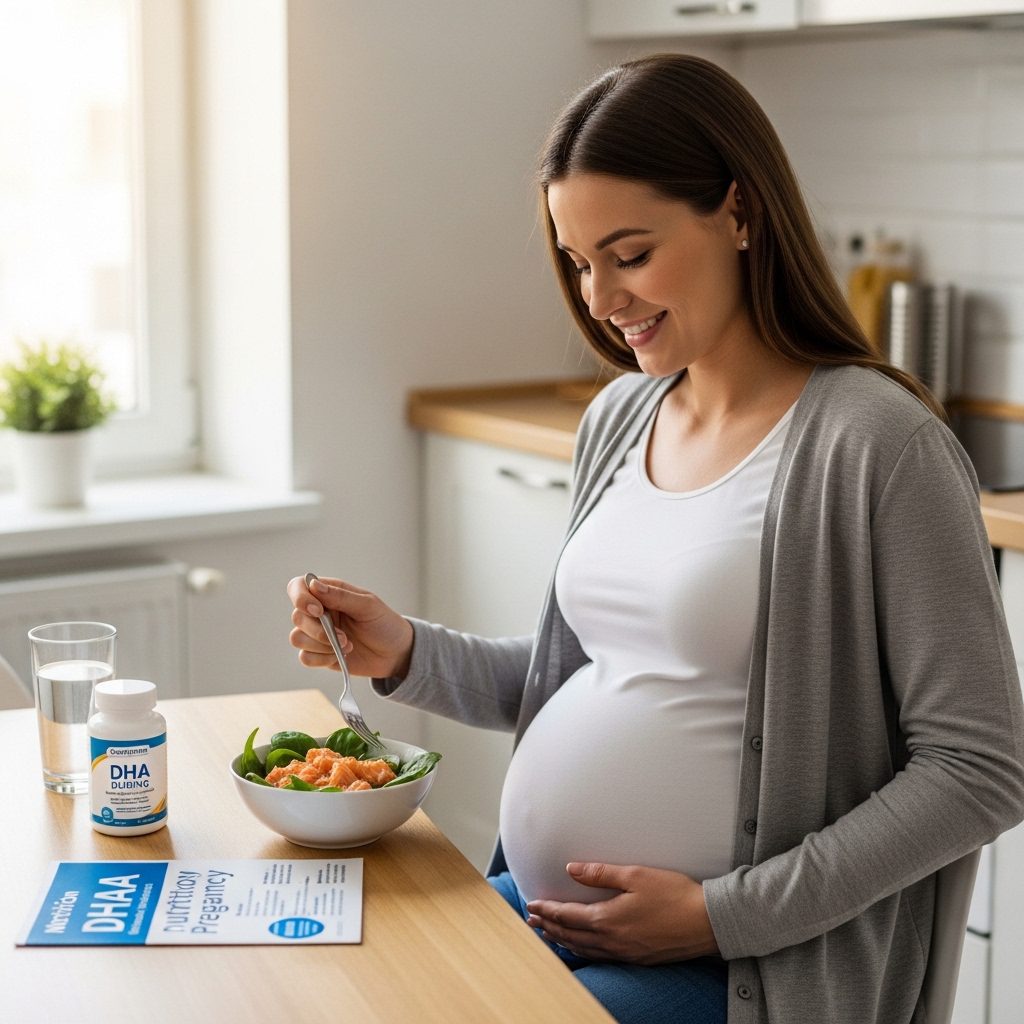
Many health organizations recommend that pregnant women get at least 200–300 mg of DHA daily, either from food or supplements, depending on dietary intake.
Remember:
- Do not take supplements without consulting your doctor.
- Choose pregnancy-specific, mercury-free supplements.
Best sources of omega-3 and DHA during pregnancy:
Food sources:
- Salmon
- Sardines
- Light tuna
- Chia seeds
- Flaxseeds
Plant sources contain ALA, which converts into DHA in small amounts, so fish remains the most direct and effective source.
How to Get Omega-3 and DHA During Pregnancy Safely and Easily:
Omega-3 fatty acids, particularly DHA (docosahexaenoic acid), play a crucial role in the development of your baby’s brain and eyes. During pregnancy, ensuring an adequate intake of these nutrients can have long-term benefits for your child’s cognitive and visual health. But with so many dietary options and supplements available, many expectant mothers wonder: how can I get enough omega-3 and DHA safely and conveniently?
1. Focus on Safe Fish Sources:
Fatty fish such as salmon, sardines, and trout are rich in omega-3s. During pregnancy, it’s important to choose low-mercury options to avoid potential harm to your baby. Aim for 2–3 servings per week of these safe fish.
2. Consider DHA Supplements:
If you don’t eat enough fish, DHA supplements can help meet your daily needs. Look for prenatal supplements that provide 200–300 mg of DHA per day, and make sure they are third-party tested for purity and safety.
3. Include Plant-Based Omega-3s:
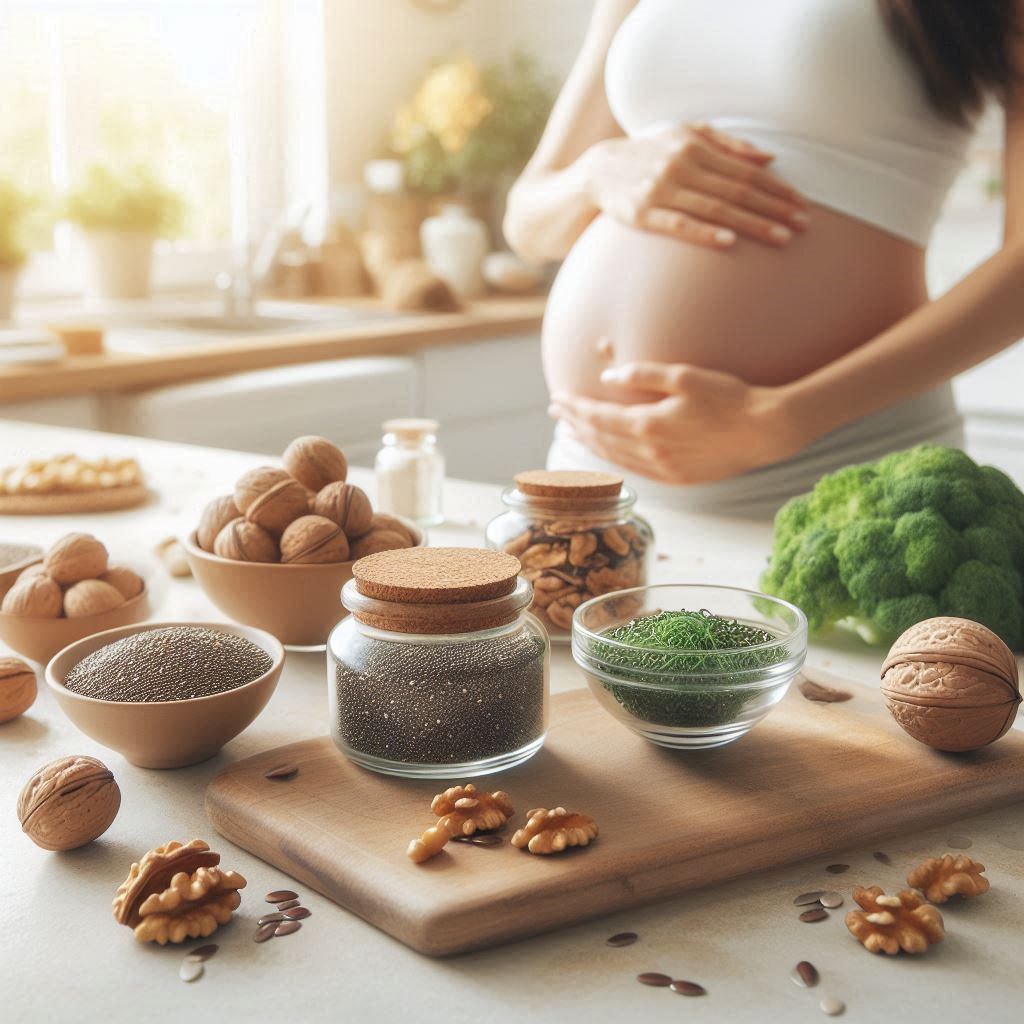
For those following a vegetarian or vegan diet, omega-3 can also be obtained from chia seeds, flaxseeds, walnuts, and algae-based DHA supplements. While plant sources primarily provide ALA (alpha-linolenic acid), the body can convert some of it into DHA, though supplementation may still be recommended.
4. Balance Your Diet:
In addition to omega-3s, a balanced diet rich in fruits, vegetables, whole grains, and lean protein helps your body absorb and utilize these essential fats effectively.
5. Consult Your Healthcare Provider:
Before starting any supplement, it’s always best to talk to your doctor or a registered dietitian. They can recommend the right dosage and form of DHA for your specific needs.
Omega-3 and DHA during pregnancy: food or supplements?
In most cases, getting nutrients from food is best.
But every woman’s situation is different.
Some women:
- Don’t eat fish regularly
- Don’t like its taste
- Have dietary restrictions
- Experience pregnancy nausea
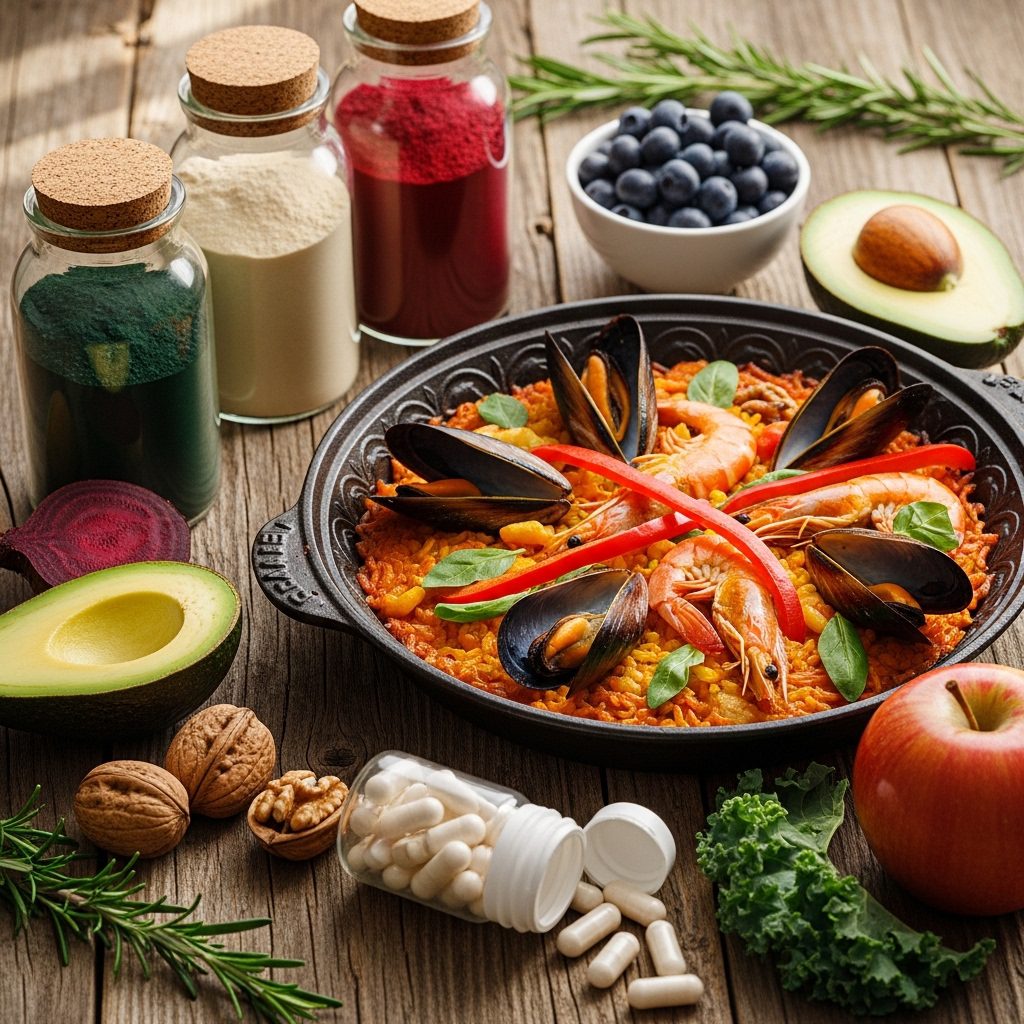
In these cases, supplements may help fill the gap.
According to NIH, DHA supplements can support intake when diet alone is not enough — but they should not replace a balanced diet.
How to choose a safe DHA supplement during pregnancy:
Look for:
- Pregnancy-specific supplements
- Trusted brands
- Mercury-free purification
- Clearly labeled DHA content
The goal is not the most expensive product, but the most suitable one.
Mercury and fish during pregnancy:
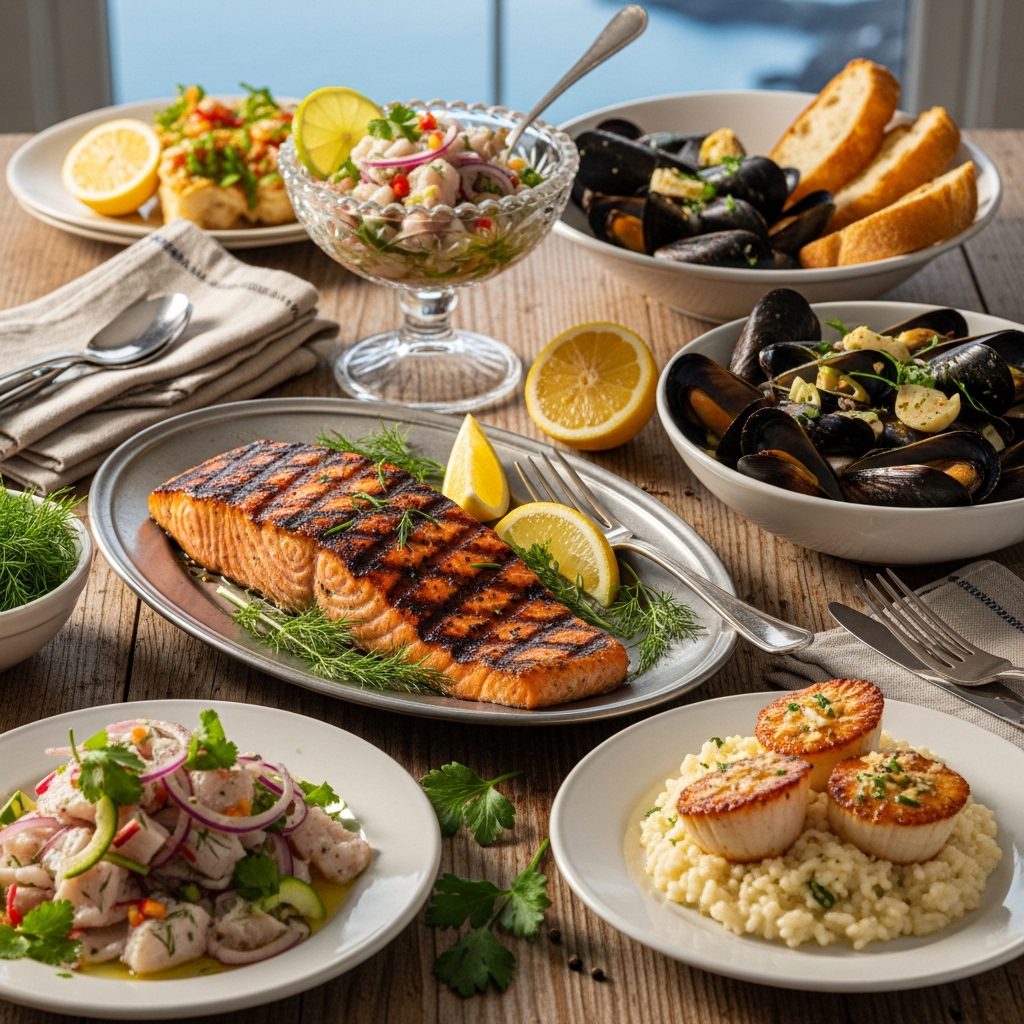
Health authorities recommend choosing low-mercury fish, such as:
- Salmon
- Sardines
- Anchovies
- Light tuna
And avoiding high-mercury fish like:
- Shark
- Swordfish
- King mackerel
The idea is not to avoid fish entirely — but to choose wisely.
Can mothers benefit from omega-3 and DHA during pregnancy?
Yes — not only the baby benefits.
Some studies suggest omega-3 may support:
- Mood during pregnancy
- Heart health
- Reduced inflammation
However, there is no definitive government evidence that DHA prevents pregnancy-related depression, so these benefits should be seen as possible rather than guaranteed.
A simple plan to get omega-3 and DHA during pregnancy:
Instead of seeing nutrition as complicated, think of it as a simple weekly routine:
- Two fish meals per week
- Nuts or seeds daily
- Ask your doctor about DHA supplements
- Drink water regularly
- Maintain dietary variety
Small steps make a big difference.
Why consistency matters more than perfection:
Missing a fish meal or forgetting a supplement occasionally is normal.
Nutrition is about consistency, not perfection.
Think of it as a long-term investment in your baby’s health — not a daily task that must be done perfectly.
Omega-3 and DHA during pregnancy:
are essential nutrients that support:
- Brain development
- Retinal development
- Nervous system formation
- Maternal health
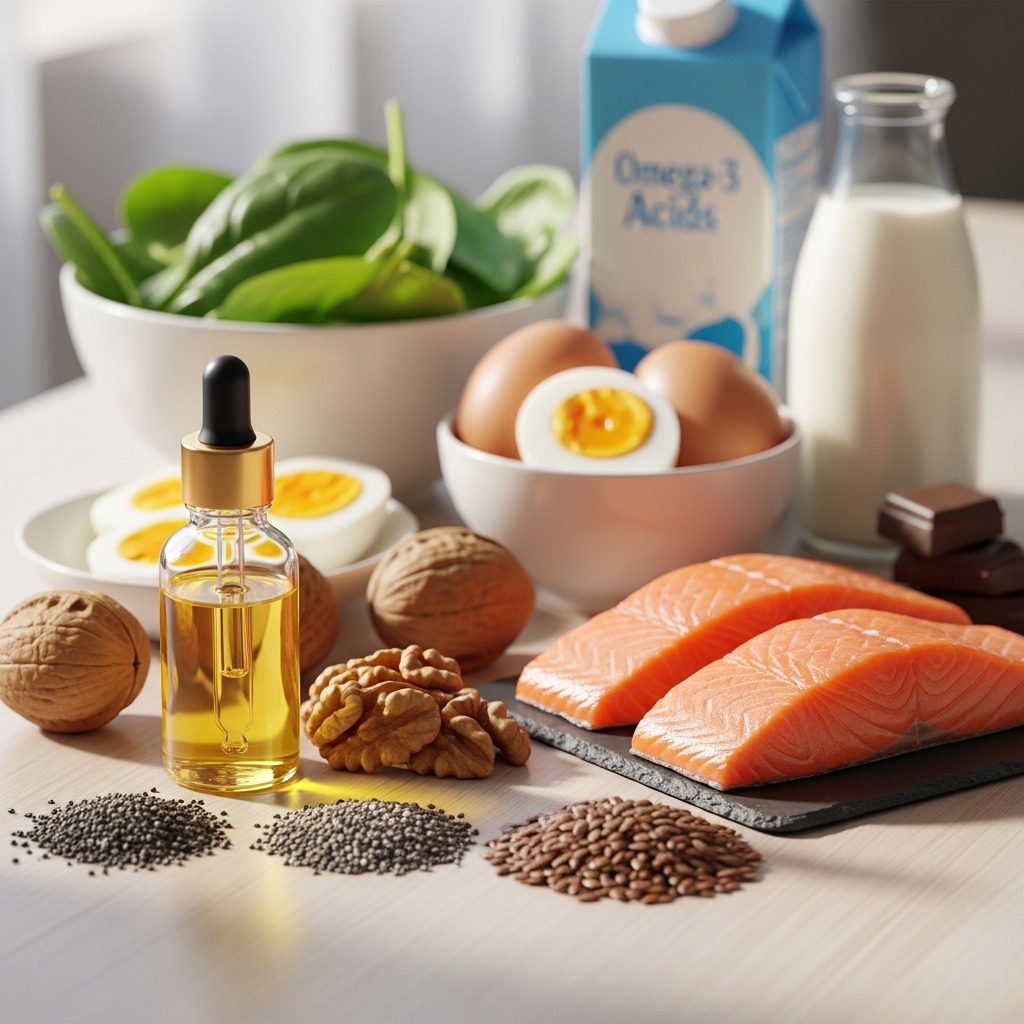
They can be obtained through:
- Low-mercury fish
- Appropriate supplements
- Simple meal planning
You don’t need a complicated system — just awareness and consistent healthy choices.
Pregnancy nutrition is not about perfection — it’s about informed choices made one meal at a time.
If this article helped you better understand omega-3 and DHA during pregnancy, explore more evidence-based nutrition and wellness guides on nutritiontravels, where science meets everyday life in a simple, practical way.