

Raising children can be full of challenges, and one of the most common is having a picky eater child. This behavior is typical during growth stages and may worry parents about whether their child is getting all the essential nutrients.

The Picky Eater Child: Why Do Children Become Picky Eaters?
Several reasons may cause a child to reject certain foods:
- Sensitivity to taste or texture
- Previous negative experiences with food
- Parental or family influence on eating habits
- Biological factors such as natural appetite or growth rate
At this stage, a picky eater is not a sign of parental failure but a normal phase requiring patience and strategy.
Practical Strategies to Handle a Picky Eater:
1) Offer a Varied and Balanced Diet:
Ensure each meal contains:
-
-
- Proteins: Eggs, chicken, lentils
- Healthy carbohydrates: Rice, potatoes, whole-grain bread
- Vegetables and fruits in variety
- Healthy fats: Olive oil, avocado
-
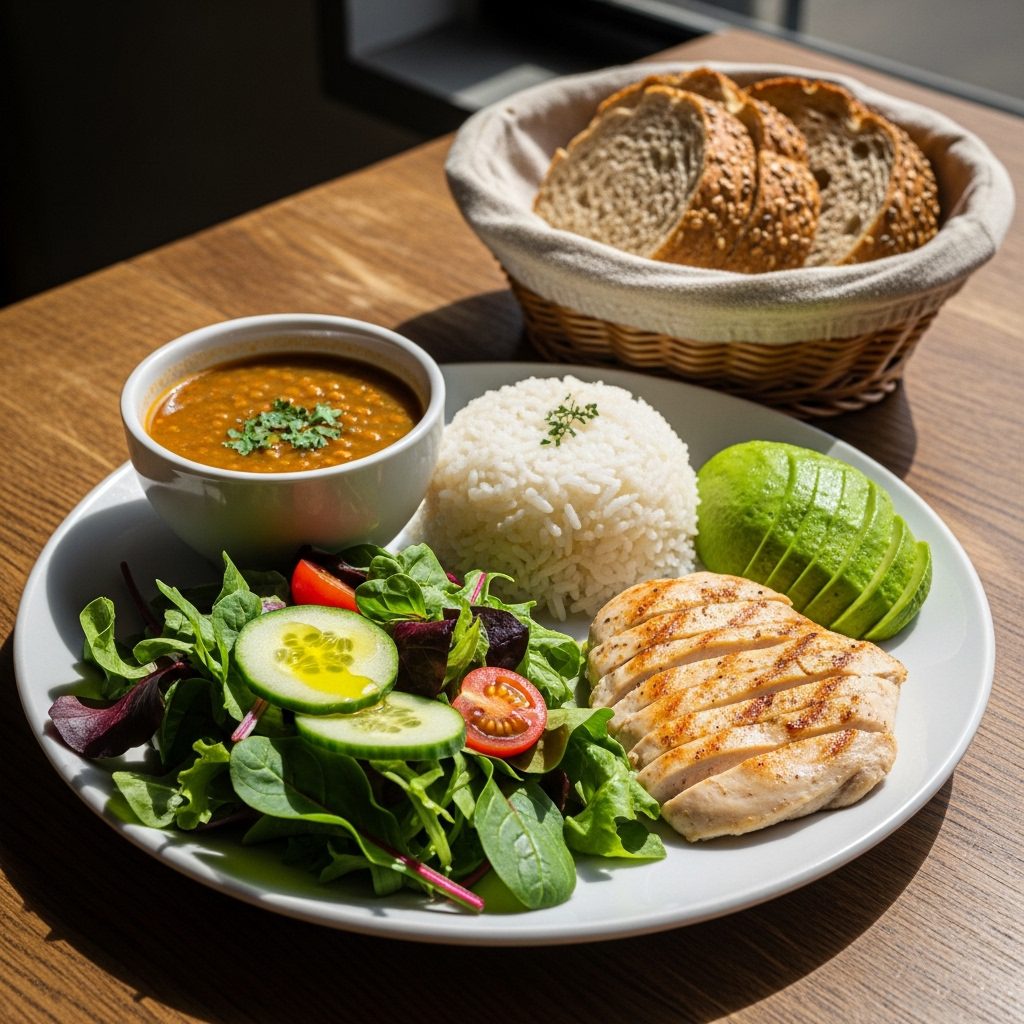
Practical example:
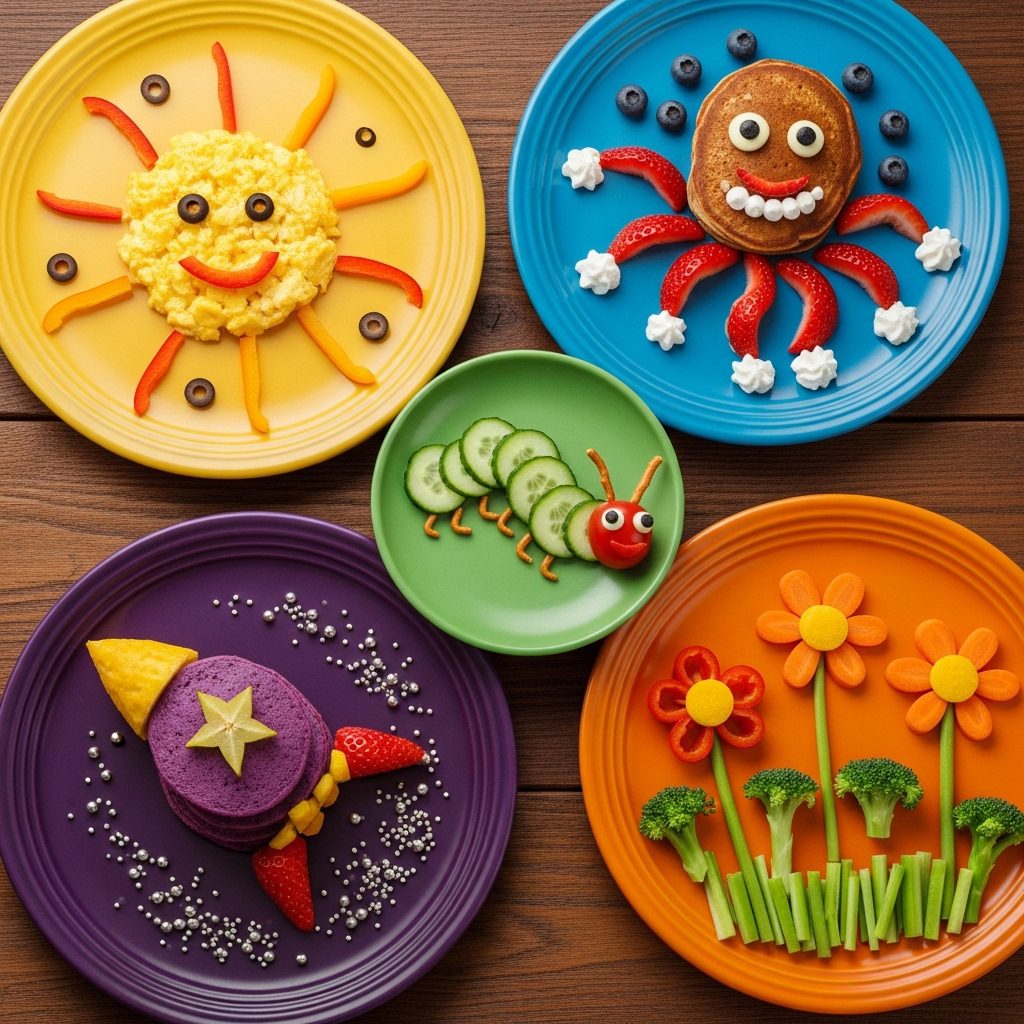
Instead of serving vegetables alone, try cutting them into fun shapes or mixing them into foods your child enjoys, like tomato sauce with pasta.
2) Involve Your Child in Food Preparation:
When children participate in choosing or preparing food, they are more likely to try new foods.
Government Source – USDA
Practical example:
Let your child choose a new vegetable to try, or help wash and cut it under supervision.
3) Introduce Foods Gradually:
Instead of forcing your child to finish a full serving of a new food, start with small portions and repeat the experience without pressure.
This approach encourages curiosity and reduces resistance.
4) Maintain a Meal Routine:
Regular meal and snack times help children understand that eating is a normal part of their day.
Practical example:
Breakfast at 8:00 am, lunch at 12:30 pm, and a snack after school.
5) Avoid Food Rewards:
Offering sweets or treats as a reward for eating vegetables can link healthy foods with stress.
Instead, use positive praise or share the food experience as a fun family activity.

6) Patience and Persistence:
According to the CDC, a child may need to try a new food 10–15 times before accepting it.
Repetition without pressure increases acceptance of different foods.
The Picky Eater Child: Key Nutrition Points
- Ensure variety in proteins, carbs, and vegetables.
- Encourage regular water intake for hydration and digestive health.
- Dietary supplements should be supervised by a doctor and are not a substitute for natural food.
According to the CDC, food refusal or preference for certain foods is normal, but guiding children toward a balanced diet is essential.
Sample Meals for Picky Eaters:
1- Breakfast:
-
- Boiled egg or vegetable omelet
- Whole-grain bread slice
- Fruit such as apple or banana
Application tip:
If the child refuses eggs, try incorporating them into pancakes made with oatmeal and grated vegetables to make food fun and more acceptable.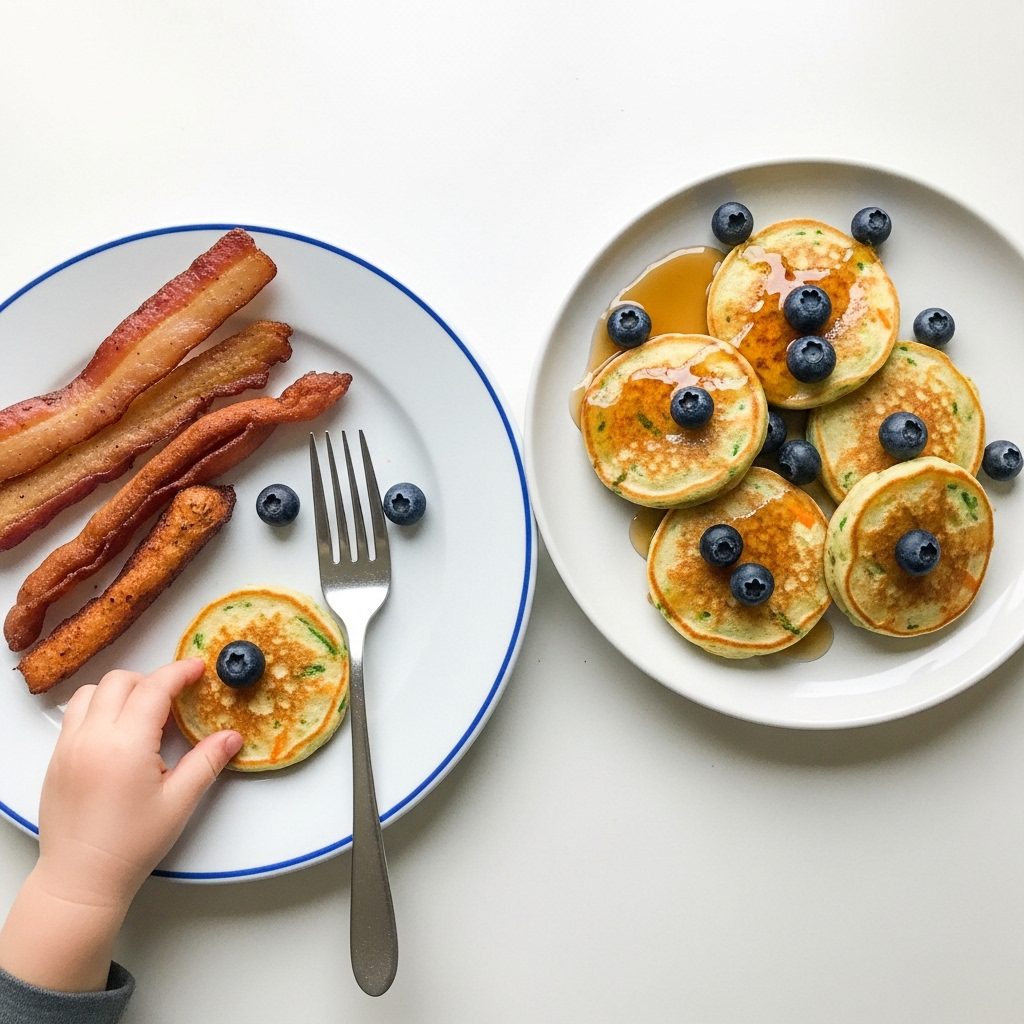
2- Lunch:
-
- Grilled chicken or fish
- Brown rice or baked potatoes
- Steamed or boiled vegetables
Practical example:
Serve vegetables with a simple sauce your child likes, such as tomato sauce or yogurt mixed with herbs.
3- Dinner:
-
- Vegetable or lentil soup
- Low-fat cheese or yogurt
- Small bread piece
Tip:
Present foods in colorful plates and fun shapes to spark curiosity.
The Picky Eater Child: Healthy Snacks:
Healthy snacks maintain energy between meals and should be nutritious:
-
- Fresh fruit cubes
- Sliced vegetables like carrots and cucumber
- Chopped nuts (for children over 4 years)
- Natural yogurt with a little honey
Application tip:
Prepare snacks in small colorful cups to make them fun and ready to eat, avoiding dependence on sweets.
The Picky Eater Child: Using Dietary Supplements Carefully:
In some cases, children may need supplements, especially if they refuse key foods like fish or dairy:
-
- Always consult a pediatrician first
- Supplements complement, not replace, natural food
- Examples: Vitamin D or Omega-3 may help if diet is limited
Trusted Government Source – NHS
Application tip:
Omega-3 capsules can be opened and added to favorite foods if the child refuses to swallow them.

Daily Routine and Its Role in Nutrition:
A stable routine helps children accept food more easily:
-
- Regular meals at fixed times
- Limit unhealthy snacks between meals
- Family mealtime to create a positive environment
Practical example:
Dedicate 15 minutes before lunch to a short activity or story, then serve food as a fun part of the routine.

The Picky Eater Child: Patience and Persistence:
CDC notes that children may need 10–15 exposures to a new food before accepting it.
Pressure or force may increase refusal, while patience and repetition aid adaptation.
Note:
No official government guideline guarantees that a specific food will be accepted, but variety and fun presentation increase the chances.
Summary Handling a Picky Eater:
To help picky eaters develop healthy eating habits:
- Offer a variety of foods
- Involve them in preparation
- Provide nutritious snacks
- Maintain a consistent routine
- Use supplements only when necessary under medical supervision
The goal is to foster lifelong healthy eating habits while reducing stress around mealtimes.

For more strategies and practical solutions for picky eaters, visit nutritiontravels, where you’ll find trustworthy advice, scientific information, and hands-on examples to build a healthy family diet.