
Childhood sugar addiction has become a major concern in recent decades. Excessive sugar consumption not only contributes to obesity but also increases the risk of type 2 diabetes, dental problems, and behavioral issues. As a parent, it’s essential to understand the impact of sugar on your child’s health and learn effective strategies to reduce cravings while promoting healthier eating habits.
Understanding and Overcoming Childhood Sugar Addiction:
Sugar activates the brain’s reward system, releasing dopamine and creating a feeling of pleasure. Repeated exposure to sugary foods can lead children to crave sugar regularly, associating it with comfort or energy boosts. Over time, this habit can become difficult to break, affecting both physical and mental health.
The consequences of childhood sugar addiction include:
- Obesity and metabolic syndrome
- Tooth decay and poor oral hygiene
- Hyperactivity and energy crashes
- Increased risk of type 2 diabetes and cardiovascular issues later in life
- Poor nutrient intake, as sugary foods replace healthier options
Signs Your Child May Be Addicted to Sugar:
Parents can spot sugar addiction through behavioral and physical cues, such as:
- Frequent cravings for sweets or sugary beverages
- Mood swings, irritability, or restlessness when sugar intake is limited
- Associating rewards or comfort with sugary treats
- Overconsumption during parties or daily snacks

Practical Steps to Reduce Sugar Intake:
Reducing sugar intake in children requires a gradual, patient approach. Here are practical steps:
1. Change Your Home Environment and Food Choices:
-
- Remove sugary snacks: Avoid stocking large quantities of candy, chocolate, and processed sweets. Out of sight means less temptation.
- Healthy alternatives: Replace processed sweets with options like yogurt with fruits, baked apples with cinnamon, or dark chocolate.
- Boost protein and fiber: Include eggs, lean meats, legumes, and vegetables in meals. These help children feel full and reduce sugar cravings.
2. Gradual Reduction to Avoid Withdrawal:
-
- Reduce sugar step by step: Avoid cutting sugar completely overnight; reduce it slowly to prevent frustration and rebound cravings.
- Swap sugary drinks: Replace soda and packaged juices with water, herbal teas, or homemade diluted fruit juices.
- Natural sweeteners: Use small amounts of cinnamon, vanilla, or honey instead of refined sugar.
3. Address Psychological and Behavioral Aspects:
-
- Avoid sugar as a reward: Using sweets to reward good behavior links sugar with positive emotions, reinforcing cravings.
- Involve children in shopping: Allow them to choose fruits and vegetables to make healthy choices fun and empowering.
- Distraction techniques: When cravings hit, redirect attention to physical activity, reading, or creative play.
4. Establish Healthy Daily Habits:
-
- Regular meals: Eating consistently every 3–5 hours prevents excessive sugar cravings.
- Adequate sleep: Proper rest balances hunger hormones and reduces the desire for sugary foods.

Educating Your Child About Healthy Eating:
Teaching children why sugar affects their bodies helps them make better choices:
- Explain in simple terms how sugar can affect teeth, energy, and overall health.
- Use visual aids like charts, books, or videos suitable for their age.
- Make nutrition education interactive and fun to keep children engaged.
Childhood Sugar Addiction : Role Modeling and Family Habits:
Children often imitate their parents’ habits. Leading by example is crucial:
- Choose water or milk over soda.
- Enjoy fruits and vegetables regularly.
- Cook meals together, showing enthusiasm for healthy options.
- Family participation reinforces the idea that healthy eating is normal and enjoyable.
Planning Healthy Snacks:
Providing appealing alternatives prevents sugar cravings:
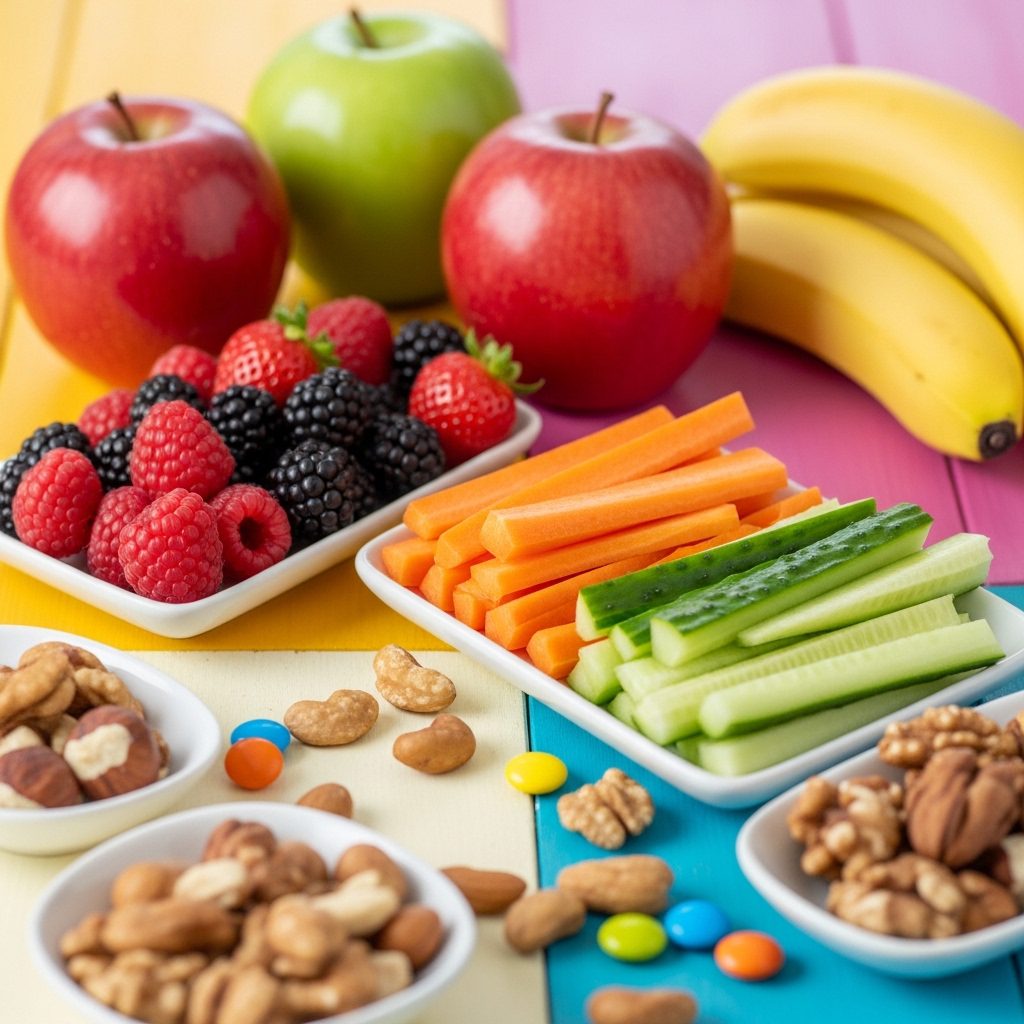
- Fresh fruits like berries, apples, or mango
- Nuts and seeds
- Whole-grain crackers with cheese or peanut butter
- Homemade energy balls with oats, nuts, and dried fruits
- Yogurt parfaits with fresh fruit

Childhood Sugar Addiction : Smart Label Reading
Many packaged foods, even those marketed as “healthy”, contain hidden sugars under names like high-fructose corn syrup, sucrose, or fruit concentrates. Teach children to recognize labels and choose unprocessed, minimally sweetened options.
Limiting Sugary Beverages:
Sugary drinks are among the largest sources of added sugar for children. Encourage:
- Water as the main drink
- Milk or unsweetened dairy alternatives
- Homemade fruit-infused water or diluted 100% fruit juices
Baking and Cooking at Home:
Making sweets at home allows control over sugar content:
- Reduce sugar in recipes or use natural sweeteners like mashed bananas, applesauce, or dates.
- Bake smaller portions to limit overconsumption.
- Involve children in preparing healthy desserts to teach portion control and alternatives.

Benefits of Reducing Sugar Intake:
Gradually cutting down sugar can have remarkable benefits for children:
- Improved weight management and metabolic health
- Better dental hygiene and stronger teeth
- Stabilized energy and mood
- Reduced risk of chronic diseases later in life
- Development of healthier lifelong eating habits
Childhood Sugar Addiction : Recognizing Behavioral Impacts
Excessive sugar can also affect children’s behavior. Many children experience hyperactivity, irritability, and mood swings after consuming large amounts of sugar. Understanding this connection helps parents manage expectations and implement healthier routines.
VIPKids Healthy Alternatives:
Organizations like VIPKids emphasize sugar-free or low-sugar options that are still appealing to children. Some examples include:
1. Oatmeal with fresh fruit: A naturally sweet breakfast rich in fiber and nutrients.
2. Vegetable frittata: Eggs with hidden vegetables, baked and served as a colorful, nutritious meal.
3. Banana pancakes: Sweetened naturally with ripe bananas, providing fiber and vitamins without added sugar.

Key Tips for Parents to Combat Childhood Sugar Addiction:
- Read labels carefully to avoid hidden sugars.
- Choose unsweetened versions of cereals, yogurts, and nut butters.
- Provide healthy snacks instead of sugary treats.
- Set limits on sweets—allow them occasionally rather than banning entirely.
- Involve children in meal planning to teach responsibility and awareness.
- Lead by example with your own food choices.
- Create engaging sugar-free activities to distract from cravings.
- Encourage regular physical activity to reduce dependency on sugar for energy.
- Gradually reduce sugar instead of abrupt elimination to avoid resistance.
- Educate children about sugar’s effects on health, teeth, and energy levels.
Practical Daily Routine Example:
To make reducing sugar simple and actionable, parents can follow a practical daily routine like this:
-
Breakfast: Low-sugar option such as yogurt with fresh fruit and a sprinkle of nuts.
-
After-School Snack: Fresh fruit, veggie sticks with hummus, or a homemade energy ball.
-
Activity: Encourage at least 20–30 minutes of physical activity to help manage energy and reduce sugar cravings.
-
Meals: Include protein, fiber, and a variety of vegetables to keep children full and satisfied.
-
Hydration: Water or unsweetened milk as the main drinks throughout the day.
This routine makes it easier for children to develop balanced habits while naturally reducing sugar intake.
Reducing sugar intake in children is essential for their physical, mental, and emotional well-being. By combining education, practical strategies, home environment adjustments, and family support, parents can help children overcome sugar addiction. Gradual changes, healthy alternatives, and consistent habits empower children to develop a balanced relationship with food, ensuring better health and long-term wellness.
Start today with Nutrition Travels – explore our expert tips, healthy recipes, and practical guides to help your child enjoy a sugar-smart lifestyle. Take the first step toward a healthier future for your family now!