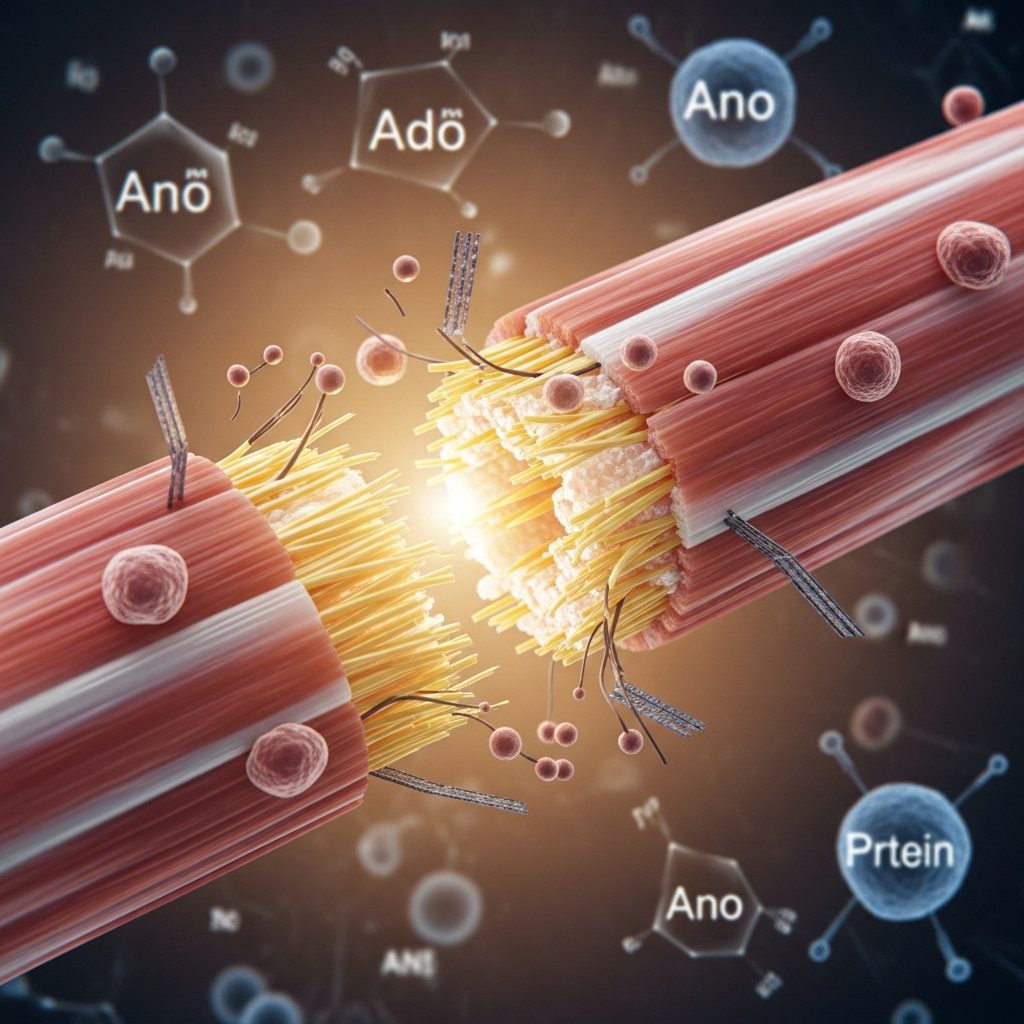
When most people think of Vitamin A, they immediately associate it with vision. However, this essential nutrient does much more than support eye health. Vitamin A plays a critical role in strengthening the immune system and maintaining the body’s first line of defense. From supporting skin integrity to regulating immune cells, its influence extends throughout the entire body.
Why Vitamin A Is Essential for Immunity:
Vitamin A helps preserve the integrity of physical barriers such as the skin and mucous membranes, which line the respiratory, digestive, and urinary tracts. These tissues act as protective shields, and keeping them healthy significantly reduces the risk of infections.
Beyond structural support, Vitamin A regulates both innate and adaptive immune responses. The innate system provides immediate protection, while the adaptive system builds long-term immunity. Adequate Vitamin A ensures a balanced, effective defense against pathogens.
This nutrient also supports the production and differentiation of white blood cells, including T cells, B cells, and natural killer cells. With sufficient Vitamin A, the body is better equipped to identify and eliminate harmful invaders.
Strengthening the Body’s First Line of Defense:
The immune system starts with physical barriers, not just white blood cells. Mucous membranes in the nose and lungs trap bacteria and viruses before they spread, while the intestinal lining prevents harmful microorganisms from entering the bloodstream.
Without enough Vitamin A, these barriers weaken, making the body more vulnerable to respiratory and gastrointestinal infections. Maintaining adequate intake is essential for long-term immune resilience.

Antioxidant Protection and Inflammation Control:
Vitamin A also functions as an antioxidant. Beta-carotene, its plant-based precursor, neutralizes free radicals that can damage cells and trigger inflammation. By reducing oxidative stress, Vitamin A indirectly supports overall immune stability, protecting long-term health as well as fighting infections.
Vitamin A Across Different Life Stages:
Nutritional needs change throughout life. During childhood, for instance, Vitamin A is critical for proper immune development. Studies have shown that adequate intake reduces the severity of illnesses such as measles and diarrhea. As a result, children with sufficient Vitamin A levels experience fewer complications.
In adults, the role remains equally important. While immune efficiency naturally declines with age, proper nutrition can slow this process. Therefore, ensuring consistent intake helps maintain strong immune defenses over time.
Pregnant women require careful balance. Although Vitamin A supports fetal growth and immune development, excessive supplementation can be harmful. For this reason, medical guidance is always recommended during pregnancy.

Dietary Sources of Vitamin A:
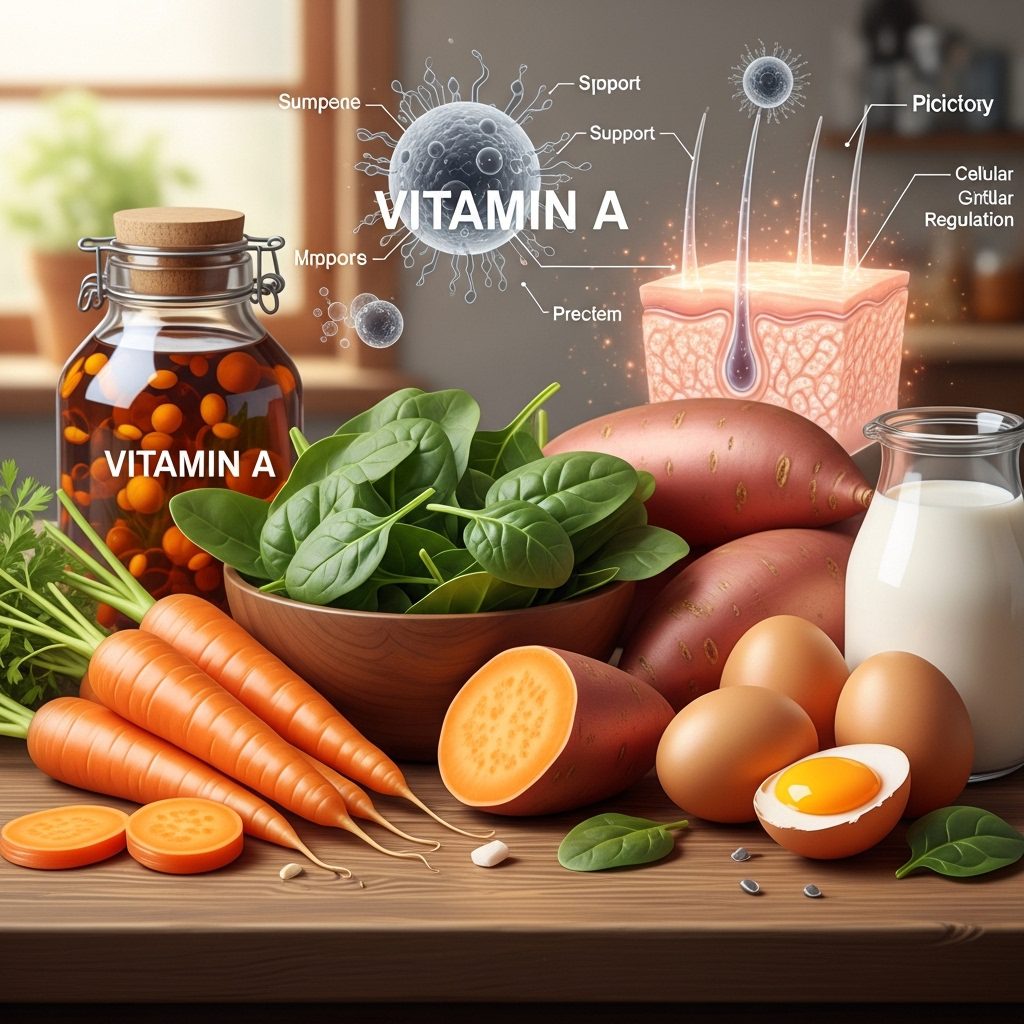
Fortunately, Vitamin A is widely available in everyday foods. It exists in two primary forms: preformed Vitamin A (retinol) from animal products and provitamin A carotenoids from plant sources.
1- Animal Sources (Retinol) :
-
- Liver (beef or chicken)
- Fatty fish
- Cod liver oil
- Eggs
- Dairy products such as milk and cheese
2- Plant Sources (Beta-Carotene):
-
- Carrots
- Sweet potatoes
- Spinach and kale
- Pumpkin
- Mangoes and apricots
Because Vitamin A is fat-soluble, pairing these foods with healthy fats improves absorption. For example, adding olive oil to spinach or eating avocado with carrots enhances nutrient uptake.
Signs of Deficiency:
Although deficiency is less common in developed countries, it still occurs. One of the earliest signs is night blindness. Additionally, dry skin and frequent infections may signal low levels.
Over time, insufficient intake can weaken immune responses. Consequently, individuals may experience slower wound healing and repeated respiratory infections. In children, severe deficiency can impair growth and increase disease risk.

Recommended Daily Intake:
According to general dietary guidelines:
- Adult men require approximately 900 micrograms per day.
- Adult women need around 700 micrograms per day.
However, requirements vary depending on age, health status, and life stage. Therefore, consulting a healthcare professional is advisable before starting supplements.
Practical Ways to Optimize Vitamin A Intake:
Improving Vitamin A intake does not require drastic dietary changes. Instead, small consistent habits can make a significant difference.
First, aim to include colorful vegetables daily. Bright orange and dark green produce are excellent sources of carotenoids.
Second, combine plant sources with healthy fats to improve absorption.
Third, focus on food before supplements. While supplements may help in deficiency cases, excessive intake—especially of retinol—can lead to toxicity.
Finally, maintain overall nutritional balance. Zinc, for instance, helps activate Vitamin A in the body. Therefore, a well-rounded diet enhances its effectiveness.

More Than a Vision Nutrient:
Although Vitamin A is traditionally linked to eyesight, its immune-supporting properties deserve equal attention. Not only does it strengthen physical barriers, but it also regulates immune cell activity and reduces oxidative stress. Consequently, it plays a comprehensive role in protecting overall health.
In today’s world, where immune resilience is more important than ever, prioritizing essential nutrients makes a meaningful difference. By incorporating Vitamin A-rich foods into your meals, you actively support your body’s natural defenses.

Strengthen Your Immunity Naturally:
Ultimately, Vitamin A is far more than a nutrient for vision—it is a cornerstone of immune protection. Because it supports mucosal integrity, enhances white blood cell activity, and reduces oxidative stress, it safeguards the body at multiple levels.
Start strengthening your immune system today! Include carrots, spinach, pumpkin, eggs, and other vitamin A-rich foods in your diet. For more science-backed nutrition tips and practical health guidance, visit Nutrition Travels
and take steps toward a stronger, healthier life.