

In the world of sports nutrition, many dietary supplements make headlines, but the scientific truth is often simpler yet more complex than marketing claims. Among these supplements, BCAAs in muscle protein synthesis stand out, enjoying great popularity among athletes and muscle-building enthusiasts. The real question is whether these amino acids play an effective role in stimulating muscle protein synthesis on their own, or if much of what is said about them is just scientific myths.

What Are BCAAs in Muscle Protein Synthesis?
Amino acids are molecules that combine to form proteins in the body. When we eat, the body digests the protein in food and breaks it down into amino acids. The body then uses these amino acids to build new proteins, such as skeletal muscle proteins. There are three main types of amino acids:
1. Essential Amino Acids: The body cannot produce essential amino acids on its own, so they must be obtained through diet. The nine essential amino acids are: histidine, isoleucine, leucine, lysine, methionine, phenylalanine, threonine, tryptophan, and valine.
2. Non-Essential Amino Acids: These amino acids are naturally produced in the body, so you do not need to consume them through your diet. They include: alanine, arginine, asparagine, aspartic acid, cysteine, glutamic acid, glutamine, glycine, proline, serine, and tyrosine.
3. Conditionally Essential Amino Acids: These are usually required only during illness or stress, such as recovery from burns.
How BCAAs Work in Muscle Protein Synthesis?
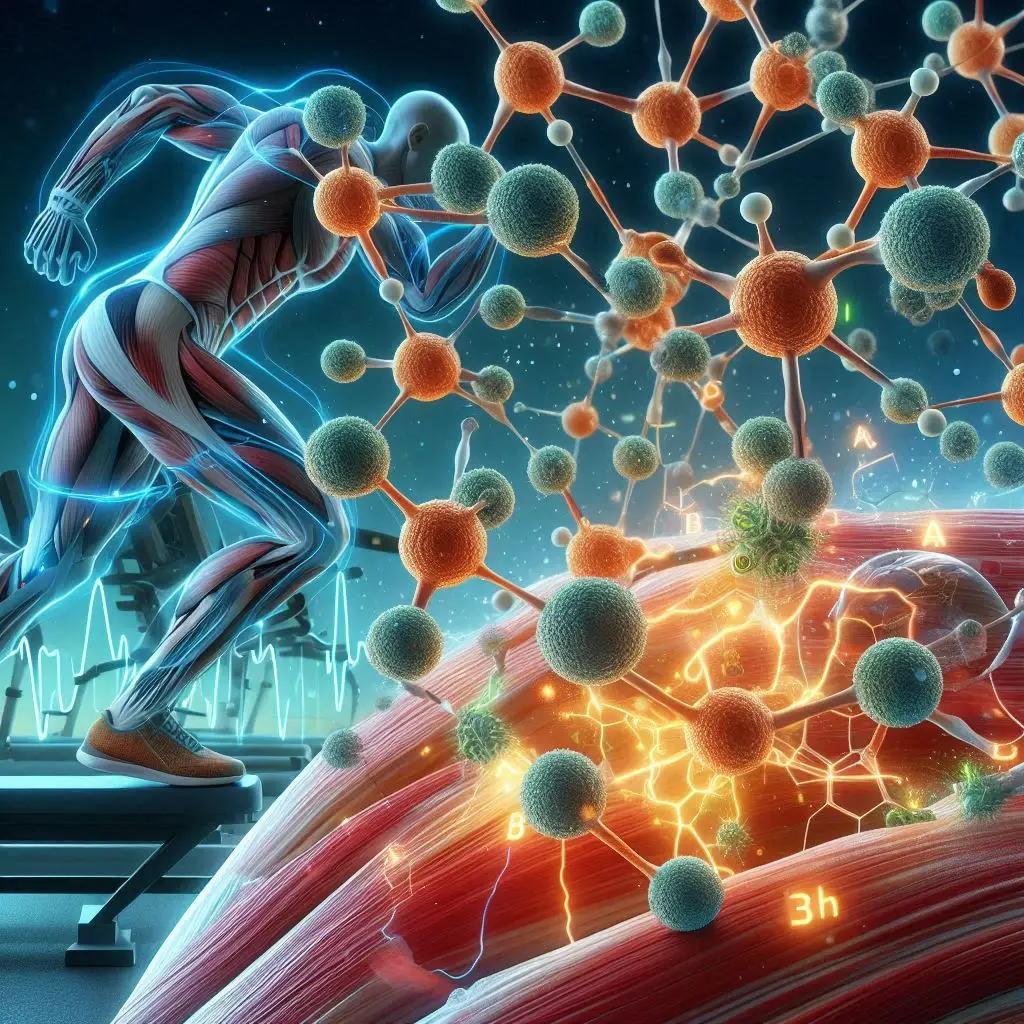
Unlike most amino acids, which are metabolized in the liver, BCAAs are mainly metabolized within skeletal muscles, giving them the ability to act as a direct and rapid energy source during high-intensity or long-duration exercise.
BCAAs, especially leucine, also stimulate muscle protein synthesis, which is crucial for muscle growth and repair after workouts.
Common Myths About BCAAs in Muscle Protein Synthesis:
1. BCAAs alone are enough to build muscles:
Many athletes believe that taking BCAA supplements alone after training will directly lead to rapid muscle growth. Recent studies show that muscle protein synthesis requires the availability of all essential amino acids, not just the three BCAAs. Therefore, consuming BCAAs alone often does not produce a significant effect if there is no complete protein in the diet.
2. Increasing the dose increases results:
Taking more BCAAs does not necessarily lead to increased muscle stimulation. The body has a maximum capacity to use these amino acids, and exceeding this limit may not enhance protein synthesis—it may simply waste money and supplements.
3. BCAAs completely prevent muscle breakdown:
It is true that BCAAs may reduce muscle breakdown during exercise, but they are not a magical solution. Overall dietary balance, including adequate protein, carbohydrates, and healthy fats, plays a larger role in muscle preservation.

What Does Science Actually Say?
Recent research highlights several important points about BCAAs and their relationship to protein synthesis:
1. BCAAs are part of the picture, not the whole picture:
To fully activate muscle protein synthesis, the body requires a complete set of essential amino acids. Consuming complete proteins such as eggs, chicken, or protein supplements containing all essential amino acids provides much greater stimulation than BCAAs alone.
2. BCAAs are beneficial in certain circumstances:
Such as low-protein diets, intermittent fasting, or for athletes undergoing intense, prolonged training. In these cases, BCAAs may help reduce muscle breakdown and stimulate some growth, but they are not a substitute for complete protein.
3. Timing and dosage have a relatively limited role:
Many people believe that taking BCAAs immediately before or after exercise is critical. The reality is that total daily protein intake is the most important factor, and supplement timing has far less impact than commonly believed.

When and How Much BCAAs Should You Take?
When branched-chain amino acids (BCAAs) are consumed, they reach the muscles through the bloodstream. To maximize their effectiveness, it is important to take a sufficient amount that significantly raises their concentration in the blood.
According to a 2007 report by the World Health Organization (WHO), the Food and Agriculture Organization (FAO), and the United Nations University (UNU) titled “Protein and Amino Acid Requirements in Human Nutrition“, the estimated daily requirement of BCAAs is 85 mg per kilogram of body weight.
It is recommended to divide this intake into multiple doses throughout the day for optimal absorption.

BCAAs are not the magic solution promoted by some commercial advertisements. They can be useful in certain situations, especially leucine, but they are not a substitute for a complete and balanced protein intake. Muscle protein synthesis is a complex process that depends on the availability of all essential amino acids, overall nutrition, exercise intensity, and adequate sleep.
For those interested in nutrition and muscle building, scientific understanding is key to avoiding spending money on supplements that may not deliver the expected results. At Nutrition Travels, we provide accurate and reliable information about the role of BCAAs and other dietary supplements, helping you build your nutrition plan scientifically and effectively. BCAAs can play a supportive role, but relying on them alone is far from reality. Focusing on a balanced diet rich in protein, combined with appropriate exercise and sufficient rest, will yield the best long-term results.