
When it comes to building muscle and improving athletic performance, most people focus intensely on their workouts. Heavier weights. More reps. Harder sessions. Scientifically speaking, muscle recovery is what truly drives muscle growth and performance gains — not the workout itself, but what happens after it.
Muscle recovery is the biological process that repairs microscopic damage caused by exercise. Without adequate rest, proper nutrition, and smart timing of protein and carbohydrates, your body stays in a breakdown state instead of shifting into growth mode. In other words, without recovery, you are tearing down muscle — not building it.
Let’s break down why recovery is not optional, but a core part of training.

Why Muscle Recovery Is Part of Training:
1- Training Breaks Down — Recovery Builds Up:
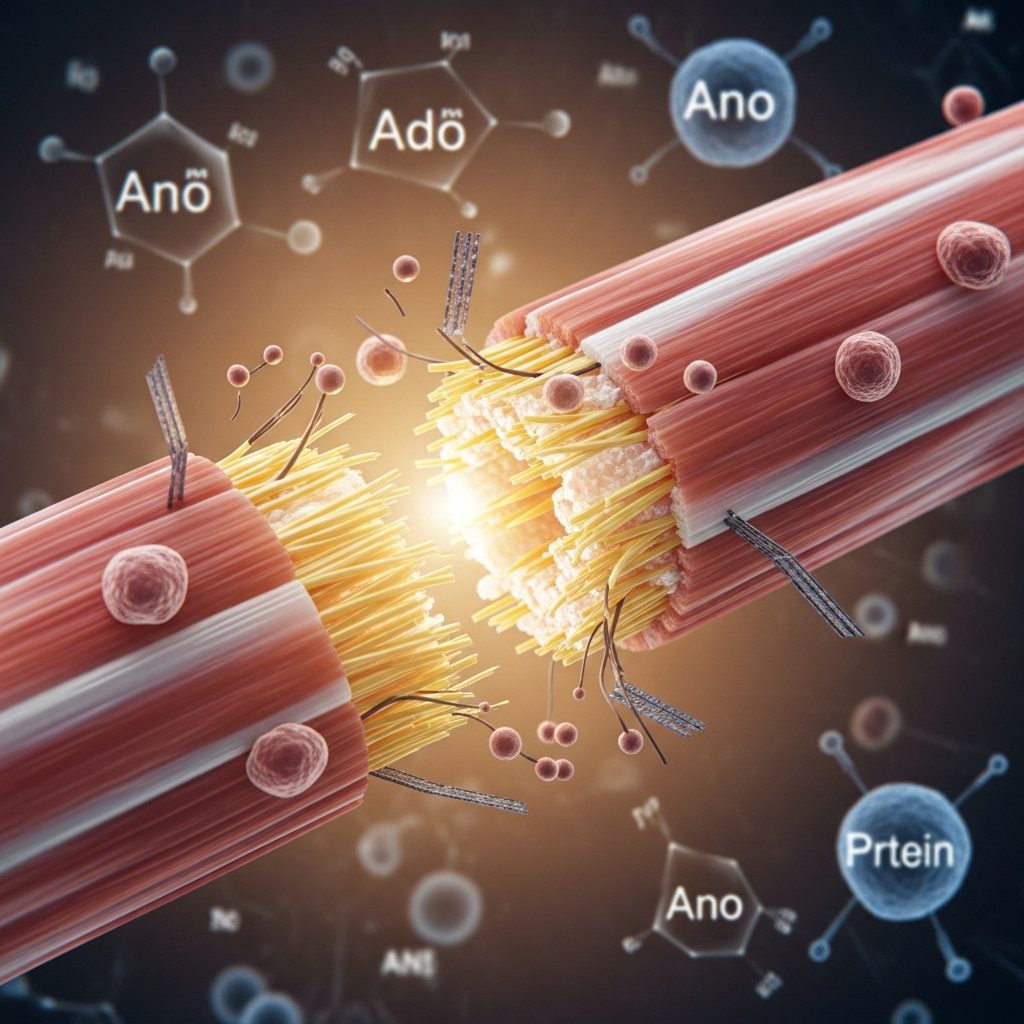
Resistance training creates tiny micro-tears in muscle fibers. This is a normal and necessary stimulus. However, the actual increase in muscle size and strength happens when the body repairs these fibers during rest — a process known as supercompensation.
During recovery:
-
- Damaged fibers are rebuilt stronger and thicker
- Muscle protein synthesis increases
- Glycogen (stored carbohydrates) is replenished
- Growth hormone is released
Without this repair window (typically 24–72 hours depending on intensity), muscles cannot adapt and grow.
2- Preventing Reverse Progress (Overtraining):
Skipping rest days may feel productive, but physiologically it can backfire.
Insufficient recovery can lead to:
-
- Persistent muscle soreness
- Decreased strength and performance
- Tendon inflammation
- Increased cortisol (stress hormone)
- Catabolism (muscle breakdown instead of growth)
Over time, this may result in Overtraining Syndrome (OTS), characterized by fatigue, stalled progress, joint pain, and reduced motivation , Recovery protects your progress.

How Long Do Muscles Need to Recover?
- Large muscle groups (legs, back): 48–72 hours
- Smaller muscle groups (arms, shoulders): 24–48 hours
- High-intensity sessions: up to 72 hours
Training the same muscle group without allowing adequate rest interrupts the rebuilding process.
Muscle Recovery : The Importance of Rest Days
Rest days are not laziness. They are strategic.
1- Active Recovery vs. Complete Rest:
Rest doesn’t mean doing nothing. In fact, active recovery can accelerate healing.
Examples:
-
- Light walking
- Swimming
- Yoga
- Gentle stretching
- Mobility work
Active recovery increases blood circulation, helping deliver oxygen and nutrients to damaged tissues while removing metabolic waste.
2- Mental Recovery Matters Too:
Training intensely without breaks increases psychological stress. A planned rest day:
-
- Reduces mental fatigue
- Restores motivation
- Improves focus in the next workout
Recovery is physical and neurological.
Muscle Recovery : The Science of Nutrient Timing
While total daily nutrition is critical, when you eat also influences recovery speed.
After training, the body enters a heightened state of nutrient sensitivity. This is often called the “anabolic window”, typically within 30–60 minutes post-workout (and up to 2 hours).
During this period:
-
- Muscles absorb amino acids more efficiently
- Glycogen replenishment accelerates
- Muscle protein synthesis increases
Post-Workout Nutrition : What and Why?
1- Protein: Repair and Growth:
Protein provides amino acids needed to repair muscle micro-tears.
-
- Recommended amount:
20–40 grams of high-quality protein post-workout.
-
- Daily intake target:
1.2–2 grams per kilogram of body weight
(or 0.7–1 gram per pound)
Distributing protein evenly every 3–4 hours enhances muscle growth more effectively than consuming it in one large meal.

2- Carbohydrates: Restoring Energy:
During training, muscles deplete glycogen stores. Without carbohydrates, recovery slows.
Carbs:
-
-
- Refill muscle glycogen
- Reduce muscle fatigue
- Lower cortisol
- Improve next-session performance
-
Best strategy: Combine protein + complex carbohydrates.
Examples:
-
-
- Chicken breast with rice
- Eggs with whole-grain toast
- Greek yogurt with fruit
- Whey protein shake with banana
- Low-fat chocolate milk
-
Muscle Recovery : Protein Timing Strategies
- Pre-workout (30–60 min before):
Helps reduce muscle breakdown during exercise. - Post-workout (within 60 min):
Maximizes muscle repair and glycogen restoration. - Before bed:
Slow-digesting protein like casein or Greek yogurt supports overnight muscle recovery.

Sleep The Ultimate Recovery Supplement:
No supplement rivals sleep.
During deep sleep (7–9 hours):
-
- Growth hormone (GH) peaks
- Muscle repair accelerates
- Cortisol levels decrease
- Protein synthesis increases
Poor sleep reduces testosterone, increases stress hormones, and slows recovery.
Recovery rule:
If you train hard, you must sleep hard.
Tips for better sleep:
-
- Dark, quiet room
- Avoid screens before bed
- Maintain a consistent schedule
Hydration: The Overlooked Factor
Water is essential for:
-
- Nutrient transport
- Muscle contraction
- Reducing cramps
- Cellular repair
Even mild dehydration reduces strength and slows recovery.
Practical tip:
Drink 2–3 cups of water for every pound (0.5 kg) lost during intense training.

Advanced Recovery Tools:
While rest and nutrition are foundational, additional strategies can enhance results:
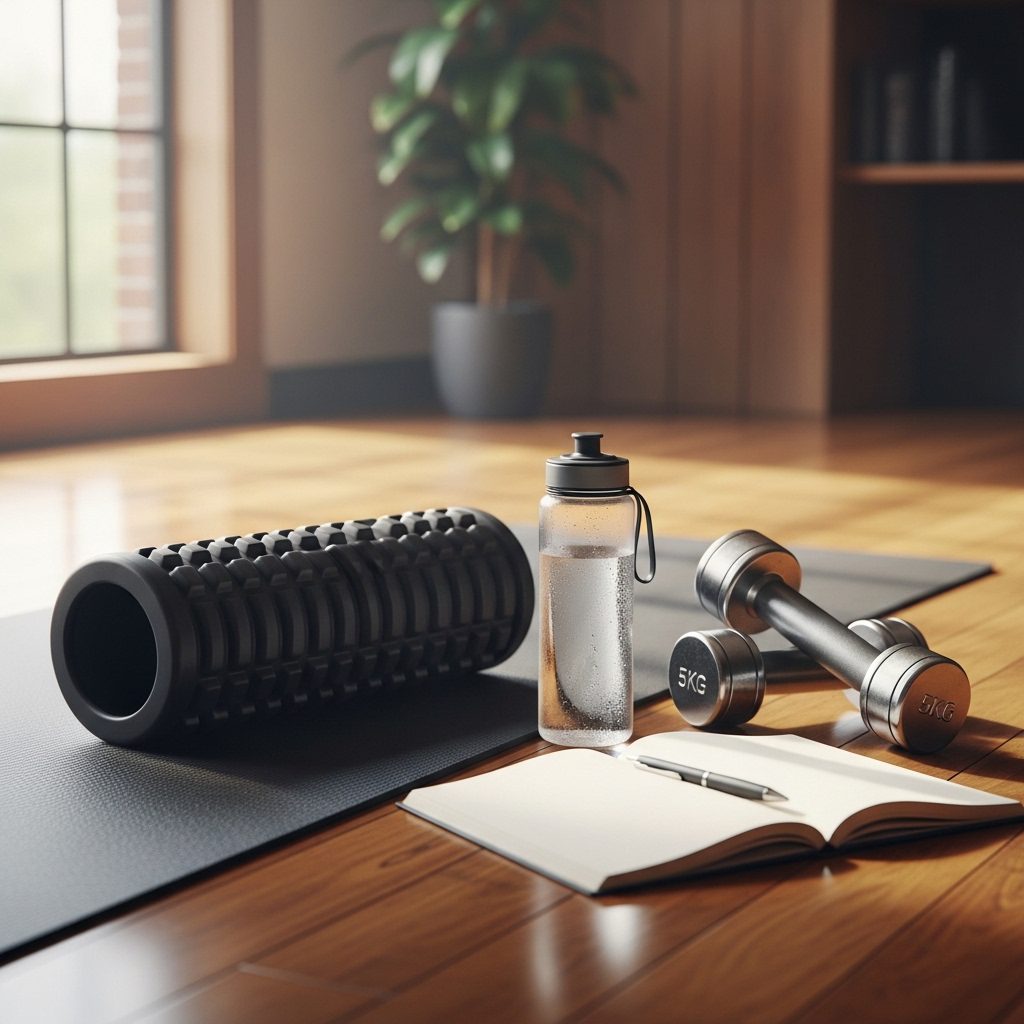
1- Foam Rolling & Massage:
Improves circulation and reduces delayed onset muscle soreness (DOMS).
2- Cold Therapy (Ice Baths):
15–20 minutes may reduce inflammation after intense sessions.
3- Creatine Supplementation:
Supports high-intensity performance and may improve recovery speed.
4- Antioxidant-Rich Foods:
Fruits, vegetables, and healthy fats help reduce oxidative stress.
Why Muscles Grow After Training — Not During:
Training = Stimulus
Recovery = Adaptation
During lifting:
-
- Muscle fibers break down
- Glycogen depletes
- Cortisol increases
During recovery:
-
- Fibers rebuild stronger
- Energy stores replenish
- Anabolic hormones dominate
- Supercompensation occurs
Without rest, you remain in breakdown mode.

Practical Recovery Blueprint:
To maximize muscle growth:
-
- Sleep 7–9 hours nightly.
- Allow 24–72 hours between training the same muscle.
- Consume 20–40g protein post-workout.
- Pair protein with carbohydrates.
- Hydrate consistently.
- Schedule rest days every 3–4 training days.
- Include active recovery sessions.
- Manage stress levels.

Rest days prevent overtraining, reduce injury risk, and allow supercompensation to occur. Post-workout protein and carbohydrates replenish glycogen and repair muscle tissue. Sleep enhances growth hormone release and lowers cortisol. Together, these elements transform effort into results.
If you want stronger muscles, better performance, and consistent progress, start prioritizing recovery just as much as training.
Ready to maximize your results the smart way?
Discover more science-backed fitness and nutrition strategies at Nutrition Travels and take your performance to the next level
But when you prioritize smart rest days, strategic nutrient timing, high-quality protein intake, proper hydration, and deep sleep, your body enters optimal rebuilding mode — allowing you to train harder, grow stronger, and perform better long term.
In strength training, the smartest athletes understand this truth:
The workout breaks you down. Recovery builds you up.