

Post-Flu Recovery is essential during the winter season and times of seasonal flu outbreaks, as our bodies go through a challenging experience—not only with direct symptoms like fever, cough, and fatigue, but also in overall energy levels and the ability to perform daily activities. After the illness, many people may feel persistent weakness, loss of appetite, or even a decline in focus. This is where smart nutrition can play a crucial role, helping the body recover and restore vitality naturally and sustainably.
In this article, we will explore the most important foods that can support recovery after the flu and explain how various nutrients contribute to rebuilding strength and energy, along with practical tips for including them in your daily diet.

Fluids for Effective Post-Flu Recovery:
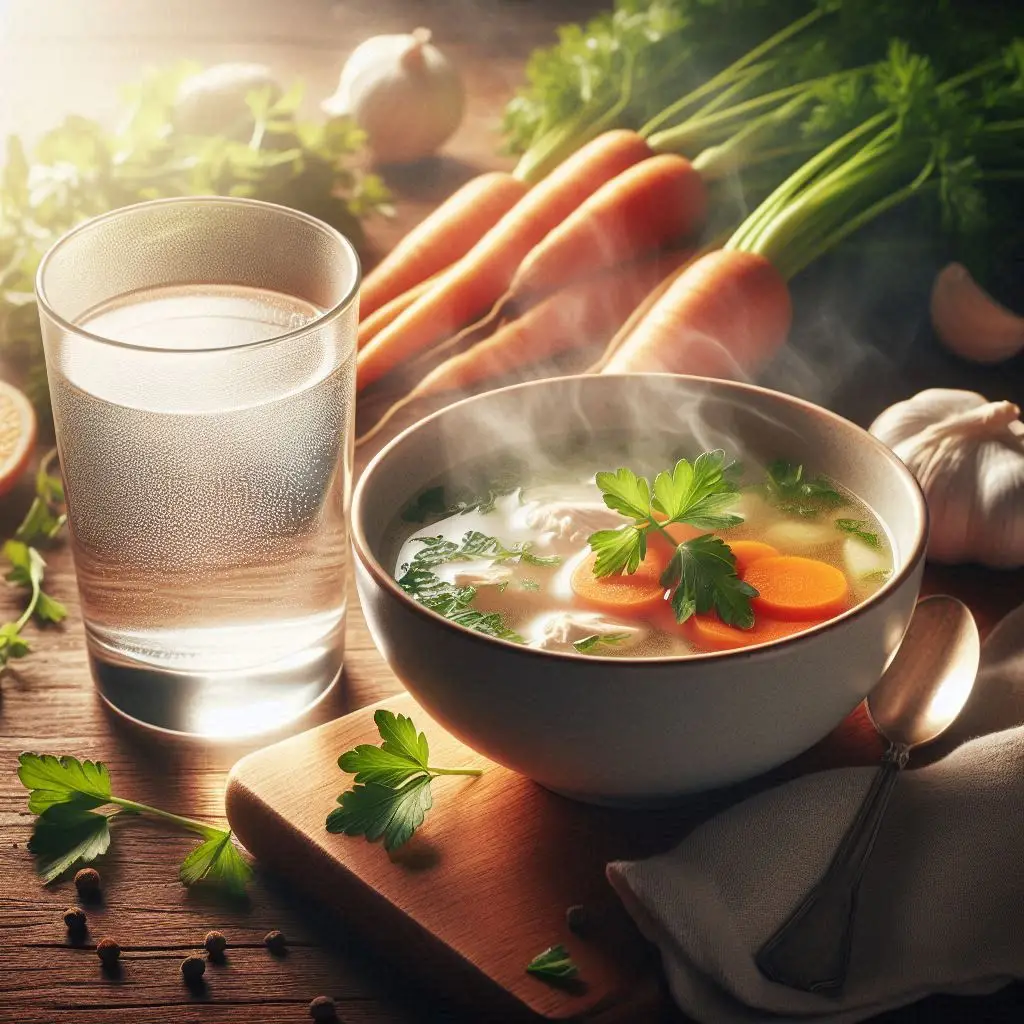
Water is the first and most essential choice, helping to replace fluids lost due to fever and preventing dehydration. Soups are also an effective way to stay hydrated, especially as they contain sodium, which helps maintain fluid balance in the body.
Chicken soup, in particular, combines hydration with nutrients, providing protein and zinc from the chicken, vitamin A from carrots, and vitamin C from vegetables, in addition to the soothing effect of warm fluids on nasal congestion.
Protein and Post-Flu Recovery: Rebuilding Strength:
Illness may increase protein needs due to immune activation and reduced intake, whether from muscle tissue or the immune system, which relies on protein to build antibodies and defense cells. Therefore, consuming high-quality protein sources after recovery is important for regaining strength, building muscles, and supporting the immune system.
Best protein sources after the flu:
- Lean meats such as chicken and turkey.
- Eggs, which provide complete and easily digestible protein.
- Legumes like lentils and beans, offering rich plant-based protein.
- Fish, especially fatty types like salmon and tuna, which are rich in omega-3 fatty acids.
Leafy Green Vegetables:
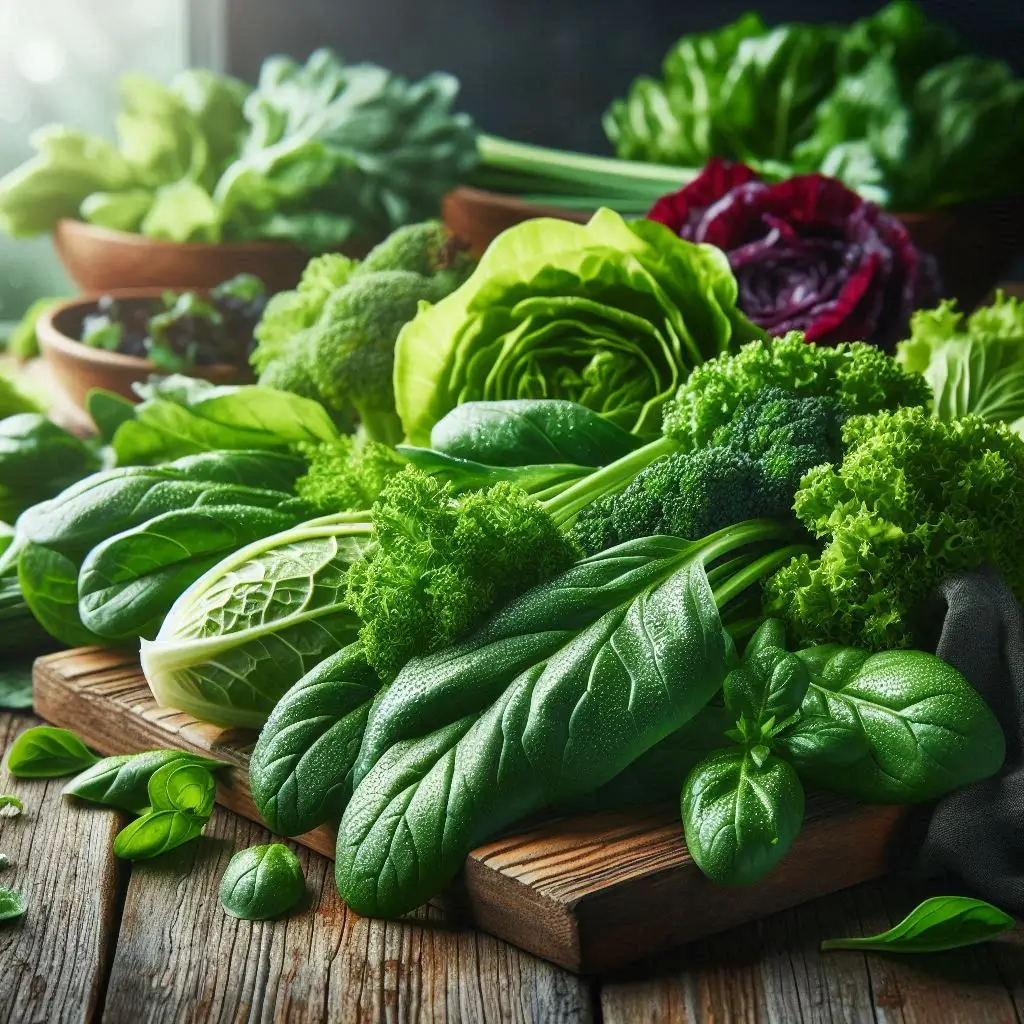
Leafy green vegetables are excellent sources of iron, calcium, and essential vitamins such as C and K. This combination provides important chemical compounds for immune cells, helping them perform their functions properly. Some great leafy greens include spinach, cabbage, lettuce, and kale, which can complement lunch and dinner meals.
Healthy Fats: Supporting Energy and Brain Function:
Healthy fats are an essential part of the diet after illness, as they provide concentrated energy, support brain function, and reduce inflammation.
Sources of healthy fats:
- Olive oil, which can be added to salads or cooked dishes.
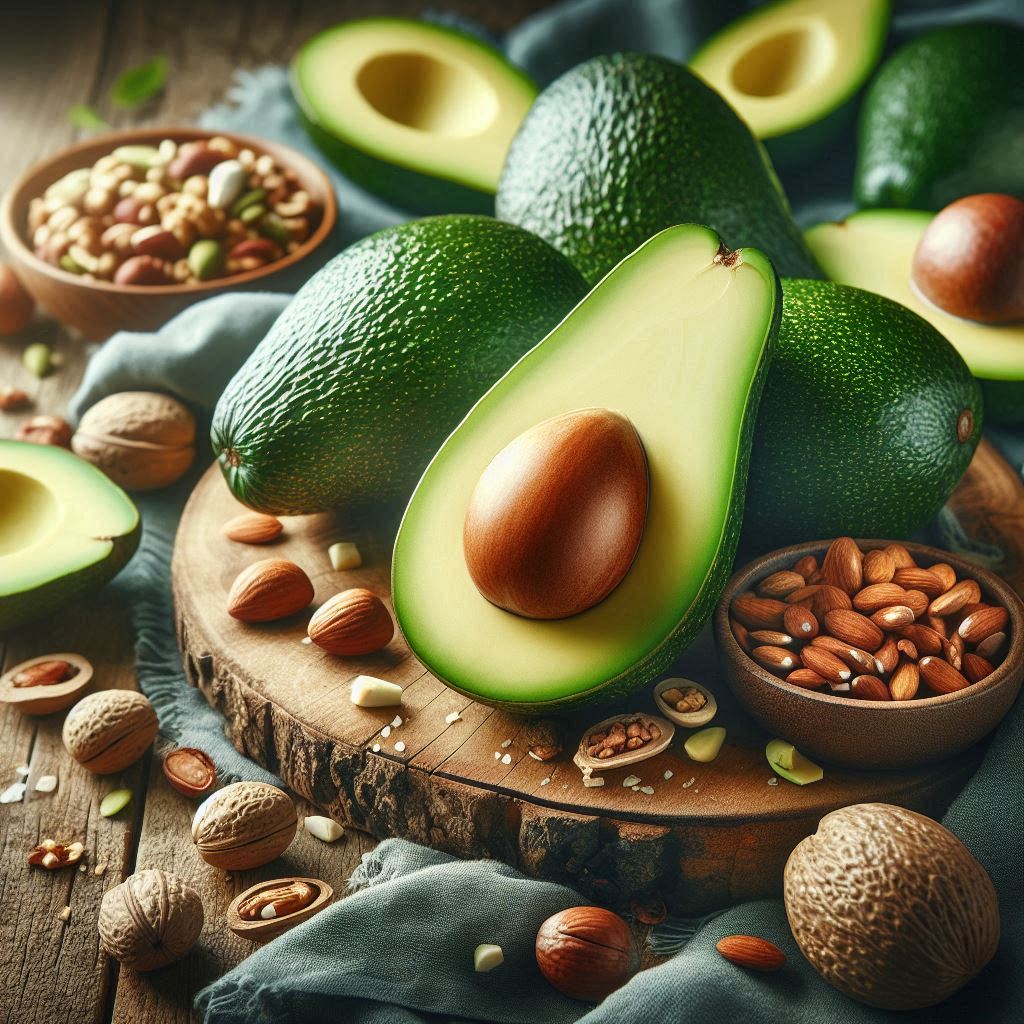
- Nuts such as almonds and walnuts, providing omega-3 fatty acids.
- Avocado, rich in healthy monounsaturated fats and nutrients.
Healthy fats also help with the absorption of fat-soluble vitamins like A, D, and E, which are crucial for boosting immunity and overall recovery.
Mineral-Rich Foods: Building Inner Strength:
During illness, the body may lose important minerals like iron, zinc, and magnesium, which play key roles in energy production and immune support.
Examples of mineral-rich foods:
- Red meat and leafy vegetables.
- Nuts and whole grains.
Including a variety of these foods helps prevent potential deficiencies after illness and supports faster recovery of activity levels.
Complex Carbohydrates: A Steady Source of Energy:
After the flu, the body needs a continuous source of energy to regain its activity. Complex carbohydrates provide slow and effective energy, helping maintain stable blood sugar levels, which reduces sudden fatigue or dizziness.
Examples of beneficial complex carbs:
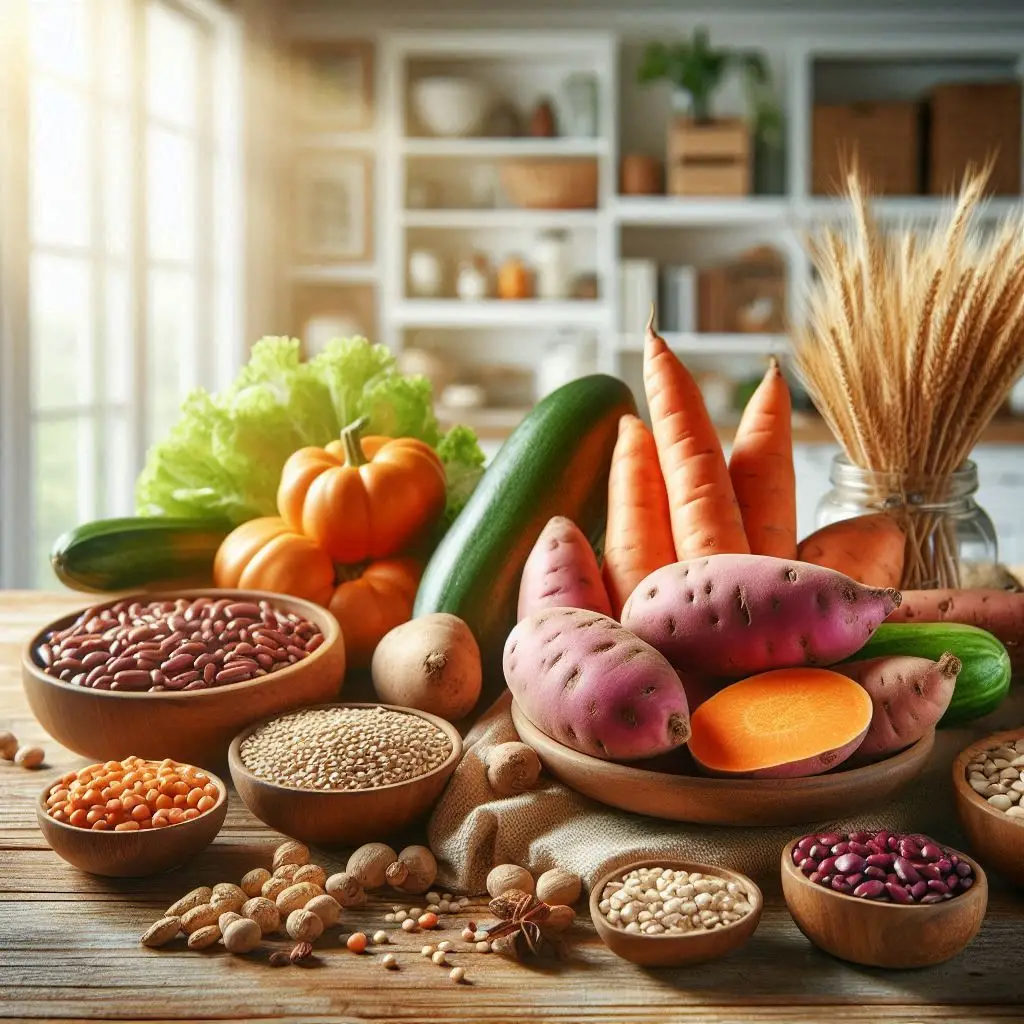
- Oats, containing soluble fiber that supports digestion and improves satiety.
- Brown rice and quinoa, providing additional vitamins and minerals along with energy.
- Sweet potatoes, rich in beta-carotene and antioxidants.
Combining these foods with protein and vegetables can create a balanced meal that gradually helps the body recover.
Post-flu recovery or recovery from any seasonal illness is not just a rest period for the body; it is an opportunity to replenish it with nutrients that help build energy, support immunity, and improve overall health. Proteins, complex carbohydrates, fruits and vegetables, healthy fats, essential minerals, and sufficient fluids all work together to help the body return to normal activity faster and more sustainably.
For more specialized information on healthy nutrition and recovery after seasonal illnesses, you can follow the latest updates on Nutrition Travels, where we provide reliable and practical information to support your health and vitality.