

Reverse dieting is a smart and strategic method to gradually increase your daily calorie intake after a period of dieting. Many people who have followed a strict diet struggle to maintain their weight afterward. Suddenly returning to previous eating habits often leads to rapid weight gain, frustration, and sometimes a loss of the progress they’ve worked so hard to achieve.
Reverse dieting offers a solution. By slowly increasing calories over weeks or months, you can restore your metabolism, prevent fat gain, preserve muscle mass, and even enjoy improved energy levels for workouts and daily activities. In this article, we’ll explain exactly how reverse dieting works, step by step, and share practical tips to implement it safely and effectively.

Step 1: Calculate Your Maintenance Calories
The first step in reverse dieting is understanding how many calories your body needs to maintain its current weight. This number is called Total Daily Energy Expenditure (TDEE). It includes:
- Basal Metabolic Rate (BMR): Calories your body burns at rest to support vital functions like breathing, circulation, and cell repair.
- Physical Activity: Calories burned during workouts, daily movements, and other activities.
Several online calculators can help estimate your TDEE based on your age, weight, height, and activity level. For example, if your TDEE is 2,000 calories per day, consuming this amount should maintain your current weight. Knowing your baseline is critical because it allows you to plan how to add calories gradually without gaining fat.

Step 2: Gradually Increase Calories
Reverse dieting emphasizes slow, controlled increases in calories, usually 50–100 calories per week. This method allows your metabolism to adapt naturally without storing the extra energy as fat.
- Why slow increases matter: After a diet, your metabolism often slows down due to prolonged calorie restriction. A sudden jump in calories can overwhelm your system, causing rapid fat gain. By increasing slowly, your body adjusts to higher intake levels, giving your metabolism time to catch up.
- Example: If you finish your diet at 1,500 calories daily, start by adding 50–100 calories per week. In 6–8 weeks, you may reach your pre-diet maintenance level of 2,000 calories without gaining fat.
Step 3: Focus on Nutrient-Dense Foods
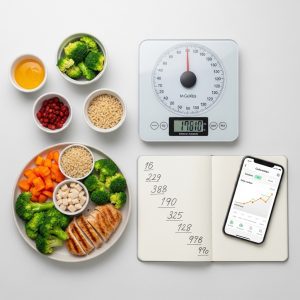
Not all calories are equal. In reverse dieting, the quality of calories is crucial. Choose foods that are nutrient-rich, high in protein, fiber, and healthy fats.
Proteins: Chicken, fish, eggs, lean beef, tofu, Greek yogurt, whey or plant-based protein powders. Proteins help preserve and build muscle mass.
Complex Carbohydrates: Brown rice, oats, quinoa, sweet potatoes, whole grains. They provide sustained energy and support workouts.
Healthy Fats: Avocado, olive oil, nuts, seeds, fatty fish. Fats help regulate hormones like leptin, which controls hunger and fullness.
Fruits and Vegetables: High in fiber, vitamins, and antioxidants. They enhance satiety and reduce overeating. Examples include broccoli, zucchini, spinach, apples, guava, and berries.
Focusing on these foods ensures that your body receives nutrients for recovery and performance while minimizing fat storage.

Step 4: Strength Training & Muscle Building
One of the most effective ways to prevent fat gain during reverse dieting is strength training. Adding resistance exercises helps your body use extra calories for muscle growth rather than storing them as fat.
- Muscle burns more calories: The more muscle you have, the higher your resting metabolic rate.
- Recommended exercises: Squats, deadlifts, bench press, rows, and pull-ups. Aim for 3–5 sessions per week, depending on your fitness level.
- Protein intake: Maintain high protein consumption (1.6–2.2g per kg of body weight) to support muscle repair and growth.

Step 5: Monitor Progress
Tracking progress is key. Here’s how:
- Weigh yourself weekly: Minor increases are normal and often due to glycogen and water.
- Take measurements: Track waist, hips, and other areas to notice subtle fat gain.
- Adjust if needed: If fat gain becomes noticeable, hold calories constant for a week or two before adding more.
Reverse dieting usually spans 4–12 weeks, depending on your starting point and metabolism. Patience is critical.

Step 6: Lifestyle Tips for Successful Reverse Dieting
To maximize results, consider these additional strategies:
- Hydration: Drink at least 2–3 liters of water daily. Water supports digestion, metabolism, and workout performance.
- Meal Timing: Eat 5–6 smaller meals instead of 3 large meals to manage hunger and energy. Finish dinner at least 3 hours before sleep.
- Sleep: 7–9 hours nightly promotes recovery, hormone balance, and metabolism.
- Physical Activity: Stay active beyond workouts. Walking, taking stairs, or light sports help burn extra calories.
- Mindful Eating: Listen to your hunger cues and avoid emotional eating. Focus on tasting and enjoying your food slowly.

Reverse Dieting Benefits
- Metabolism Restoration: Helps overcome diet-induced metabolic slowdown.
- Weight Stabilization: Prevents rapid “yo-yo” weight gain.
- Muscle Preservation: Supports energy for resistance training and maintains lean body mass.
- Hormonal Balance: Restores leptin and other hunger-regulating hormones.
- Performance Boost: Provides energy for workouts and daily life activities.
Common Pitfalls and How to Avoid Them
- Increasing calories too quickly: Can lead to fat gain. Stick to small increments.
- Neglecting strength training: Extra calories will go to fat if muscles aren’t stimulated.
- Skipping tracking: Without monitoring, it’s hard to adjust before fat accumulates.
- Ignoring sleep and stress: High cortisol can cause water retention and fat gain.
Reverse Dieting in Action
- Week 1–2: Add 50–100 calories daily. Track weight and energy.
- Week 3–6: Gradually continue increasing. Keep protein high and train consistently.
- Week 6–12: Reach estimated maintenance calories. Observe body’s response and stabilize intake.

Some weight gain is normal at first due to glycogen replenishment and water, not fat. This is temporary and supports better performance and energy.
Reverse dieting is a practical and sustainable approach for increasing your calorie intake after a period of dieting without gaining unwanted fat. By adding calories gradually, prioritizing nutrient-dense foods, engaging in regular strength training, and monitoring your progress, you give your metabolism the chance to recover and adapt without rebound weight gain. Patience, consistency, and mindful tracking are the core elements that make reverse dieting effective for long-term success.
At Nutrition Travels, we understand that maintaining your progress after a diet can be just as challenging as losing the weight itself. That’s why we provide reliable guidance, expert tips, and science-backed nutrition strategies to help you transition smoothly and confidently. For more practical advice on reverse dieting, calorie management, and sustainable eating plans, visit Nutrition Travels and start strengthening your journey to a healthier, balanced lifestyle today.