Transylvania, often referred to as “the land beyond the forest,” is a historic region in central Romania that offers far more than the legendary tales of Dracula. Enclosed by the majestic Carpathian Mountains, this region is a haven of natural beauty, Gothic castles, medieval towns, and Saxon villages, blending history, culture, and breathtaking landscapes. A journey here feels like stepping into a storybook, where every hill, valley, and cobblestone street has its own tale.

Beyond the Dracula Myth: The Real Transylvania
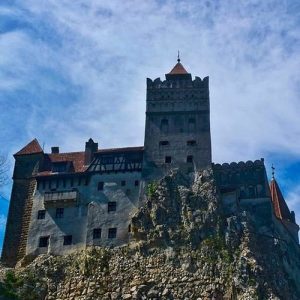
While Bram Stoker’s 1897 novel transformed Vlad the Impaler, or Vlad Tepes, into the infamous vampire Dracula, the truth is far more fascinating. Vlad III was a 15th-century ruler of Wallachia, notorious for his brutal defense against Ottoman invaders. Although often associated with Bran Castle, the historical Vlad did not reside there permanently, and the castle’s link to vampires is largely mythical.
Local folklore predates these tales, with legends of Strigoi, spirits believed to rise from graves to drain the life of the living. These stories, combined with the region’s dense forests and misty mountains, inspired generations of local myths. Visitors exploring Transylvania will find that the region’s real charm lies in its rich history, cultural heritage, and untouched nature—far beyond any supernatural story.
Majestic Castles and Fortresses
Transylvania is home to some of Europe’s most remarkable Gothic castles and fortresses, each with its own unique story:
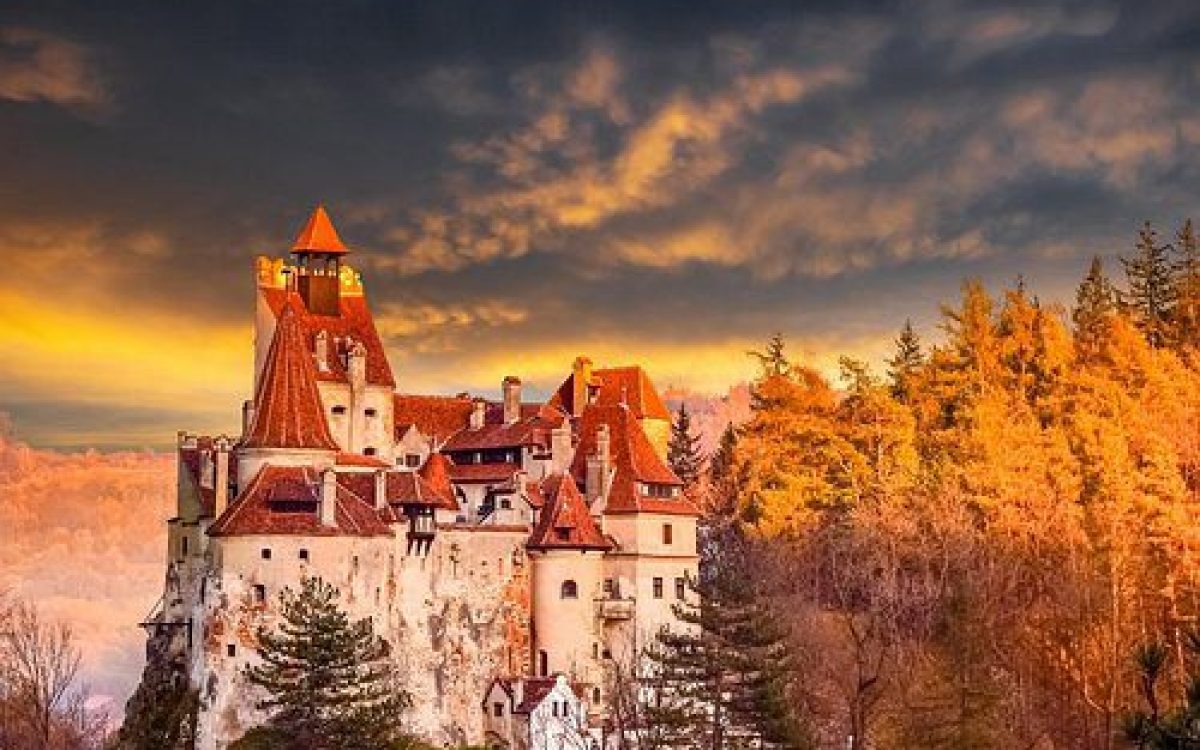
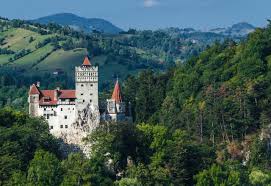
- Bran Castle: Known globally as “Dracula’s Castle,” this dramatic fortress sits near Brașov. Built on a steep cliff, it was historically used to guard mountain passes. Today, it offers breathtaking views, historical exhibits, and a connection to legends that spark the imagination.
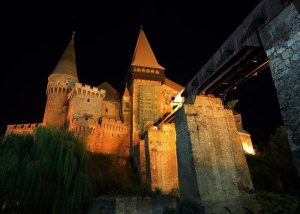
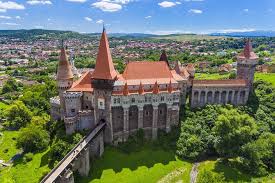
- Corvin Castle (Hunyadi Castle): Located in Hunedoara, this 15th-century Gothic marvel is one of the largest castles in Europe. Its towering walls, imposing gatehouses, and intricate courtyards make it a must-see for lovers of medieval architecture.
- Peleș Castle: A Renaissance masterpiece in Sinaia, this castle was the summer residence of the Romanian royal family. Its lavish rooms, detailed woodwork, and beautifully landscaped gardens showcase the luxury and artistry of a bygone era.
- Râșnov Fortress: Perched atop a hill, this medieval citadel offers panoramic views of the surrounding countryside. Visitors can explore its ancient walls, deep wells, and learn about the defensive strategies that shaped the region’s history.
Medieval Towns and Saxon Villages
Transylvania’s towns and villages reflect a unique cultural tapestry of Romanian, Saxon, and Hungarian influences:
- Sighișoara: A UNESCO World Heritage Site and the birthplace of Vlad the Impaler, this city enchants visitors with its colorful houses, cobblestone streets, and the iconic Clock Tower. The citadel’s fortified walls transport travelers back in time.
- Brașov: Nestled in the Carpathians, Brașov features the Black Church, historic squares, and the famous Rope Street, one of the narrowest streets in Europe. Its medieval architecture and lively atmosphere make it perfect for strolling and sightseeing.
- Sibiu: Once a Saxon capital, Sibiu captivates with its Baroque architecture, charming squares, and cultural festivals. The city’s rich history is evident in every building and plaza.
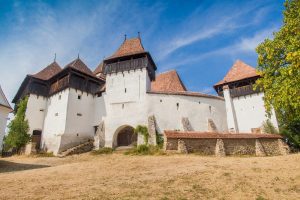
- Viscri & other Saxon villages: These villages offer a glimpse into traditional rural life with fortified churches, well-preserved houses, and authentic local experiences.
The region also boasts over 150 fortified churches in southeastern Transylvania, some dating back to the 13th century, reflecting the region’s defensive strategies and community life during medieval times.
Stunning Nature and Outdoor Adventures
The Carpathian Mountains dominate the landscape, providing dense forests, deep valleys, and hiking trails suitable for all levels. Nature enthusiasts can spot brown bears, wolves, and a variety of bird species. Glacial lakes, like Lake Bâlea, add serene beauty, while rolling hills and valleys invite exploration on foot, horseback, or bicycle.
For those seeking adventure, Transylvania offers:
- Hiking through the Carpathians, including scenic ridge trails
- Wildlife tours in natural reserves
- Horseback riding and traditional village experiences
- Photography opportunities with panoramic views of mountains and castles
The region’s natural environment is not just beautiful—it’s alive with stories, legends, and centuries of human interaction with the land.
Cultural and Historical Insights
Transylvania’s rich history is evident in its architecture, festivals, and local traditions. The mixture of Romanian, Saxon, and Hungarian influences creates a unique cultural mosaic. Visitors can experience traditional foods, crafts, and music that have been preserved for generations.
The castles and fortresses offer not just visual splendor but also stories of military strategy, political intrigue, and daily life in medieval times. Walking through the cobblestone streets of towns like Sighișoara or Brașov, travelers can imagine life centuries ago, from bustling markets to quiet monastic retreats.
Culinary Experiences and Local Traditions
A visit to Transylvania isn’t complete without indulging in local cuisine. Traditional dishes include:
- Sarmale: Cabbage rolls stuffed with rice and meat
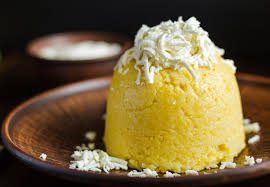
- Mămăligă: Cornmeal porridge served with cheese or cream
- Cozonac: Sweet bread often filled with nuts or poppy seeds
Local markets in towns like Sibiu and Brașov offer fresh produce, handmade crafts, and artisanal cheeses, providing a taste of authentic Romanian life. Seasonal festivals celebrate folklore, music, and traditions, immersing visitors in centuries-old culture.


Tips for Visiting Transylvania
- Best times to visit: Spring (March–May) for mild weather and blooming landscapes; Summer (June–August) for hiking and outdoor activities; Autumn (September–November) for vibrant foliage.
- Castles and fortresses: Explore Bran, Corvin, Peleș, and Râșnov.
- Historic towns: Walk through the medieval streets of Sighișoara, Brașov, and Sibiu.
- Nature adventures: Hike in the Carpathians, explore forests, and visit wildlife reserves.
- Cultural experiences: Sample traditional Romanian cuisine, visit local markets, and engage with village life.
Why Transylvania Deserves More Than a Legend
Transylvania’s allure extends far beyond Dracula tales. It is a land where natural beauty, history, and culture converge. From Gothic castles and medieval towns to Saxon villages and the stunning Carpathian wilderness, the region offers an immersive experience that combines adventure, education, and awe-inspiring scenery.
Every visit is a journey through time, where landscapes and architecture tell stories of kings, warriors, and local communities that have thrived for centuries. Travelers can enjoy both the serenity of nature and the excitement of exploring historic sites.
Ready for a Journey Beyond Legends?
At Nutrition Travels, we believe travel should nourish both body and soul. Discover the real Transylvania—its castles, medieval towns, and breathtaking landscapes—and experience a journey full of history, culture, and adventure. Let us guide you to destinations that inspire wonder, curiosity, and unforgettable memories.