
Skin issues, especially acne, have long been a concern for many people, not just in terms of appearance but also in self-confidence and overall comfort, highlighting the importance of the gut-skin connection, which directly links gut health to skin health.
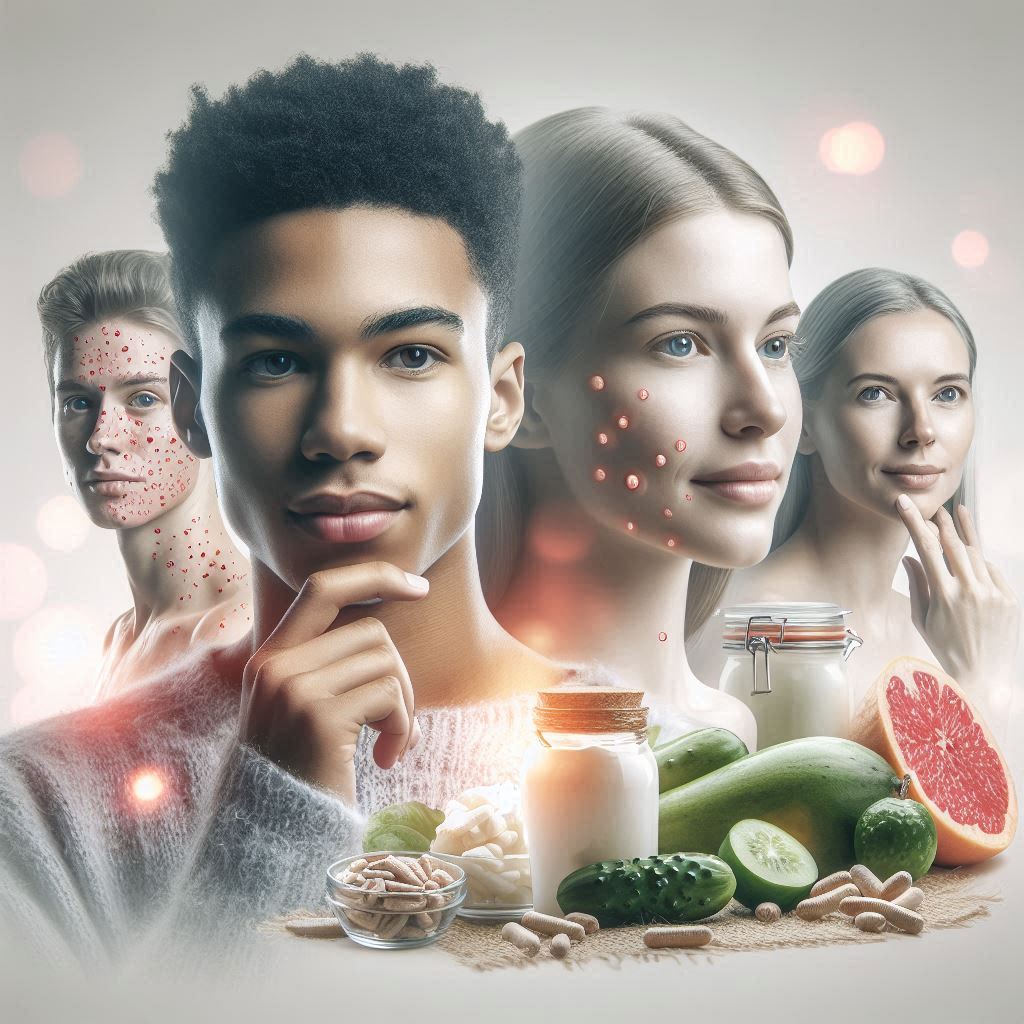
Understanding the Gut-Skin Connection and Its Role in Acne:
The digestive system is not just a place to break down food and absorb nutrients; it is an integrated system that affects the entire body, including the skin. The gut contains trillions of beneficial bacteria, known as the gut microbiome. These bacteria play a crucial role in regulating the immune system, metabolism, and even mood.
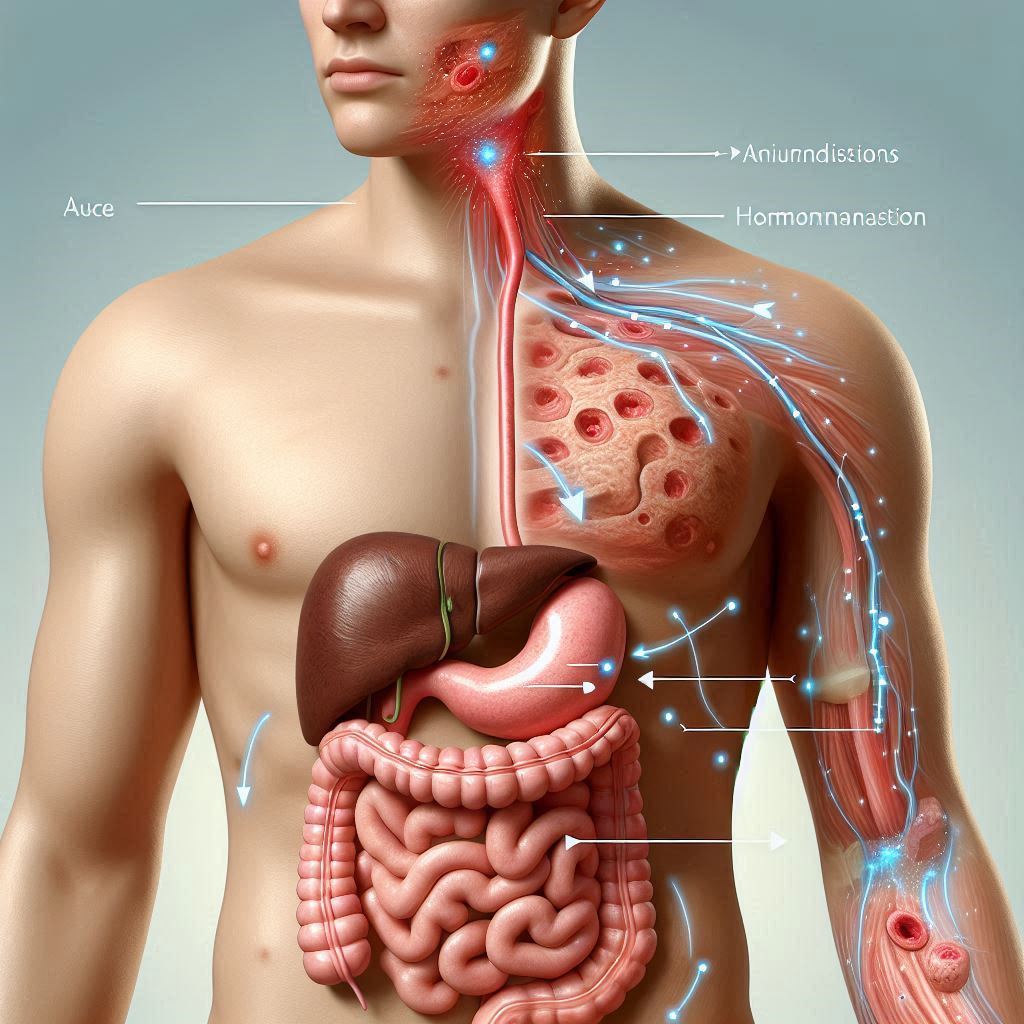
When the natural balance of these bacteria is disrupted, a condition known as dysbiosis, it can manifest as skin issues such as acne, dryness, or chronic inflammation. This imbalance may lead to increased intestinal permeability, sometimes referred to as Leaky Gut, where damaged gut walls allow molecules and toxins to enter the bloodstream, triggering inflammation that affects the skin.
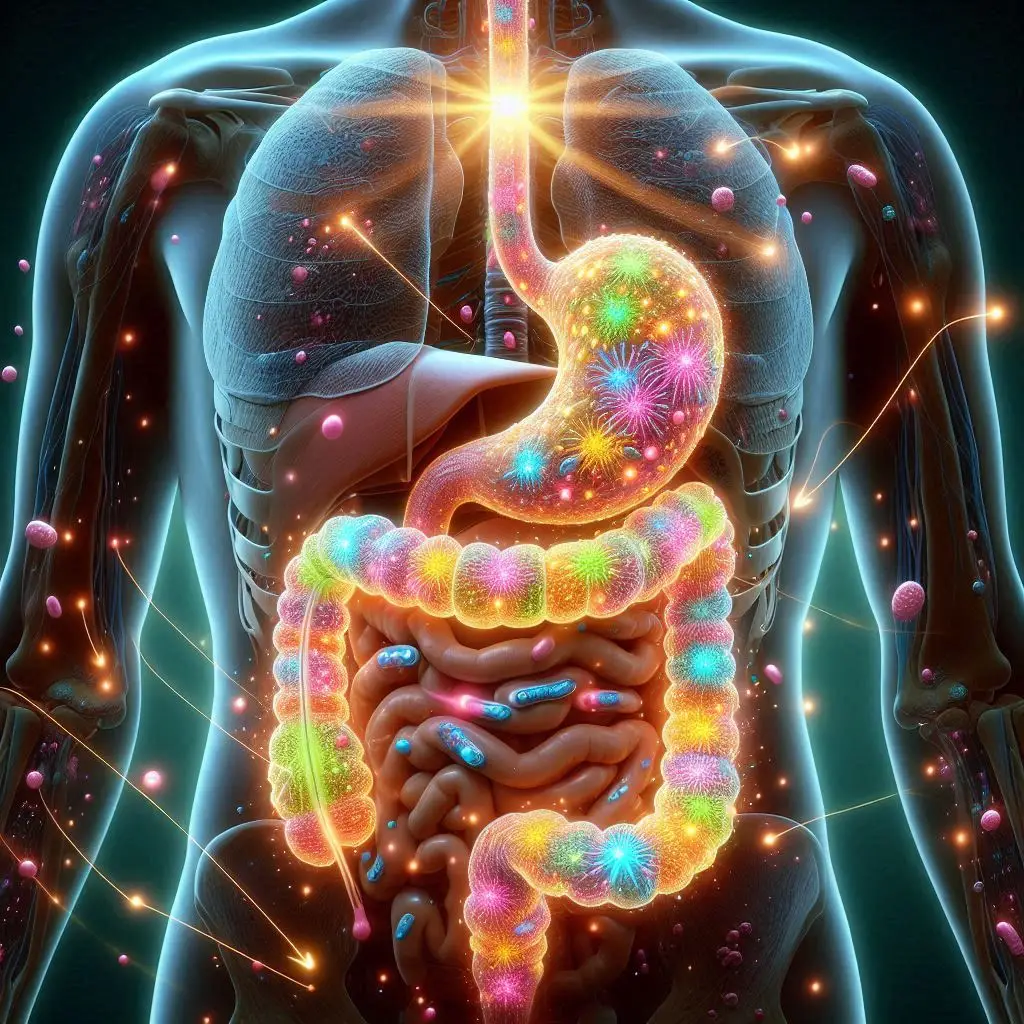
How Gut Health Affects Acne and Skin Inflammation:
There are several mechanisms through which the digestive system can impact skin health:
1. Chronic Inflammation:
When the gut microbiome is imbalanced, harmful bacteria may proliferate. This creates a state of chronic inflammation, which spreads through the bloodstream and triggers skin inflammation, resulting in acne breakouts.
2. Hormonal Imbalance:
The digestive system is essential for processing and eliminating excess hormones, including estrogen and androgens. When digestion is slow or inflamed, these hormones can recirculate in the body, increasing sebum production.
3. Impaired Nutrient Absorption:
An unhealthy digestive system struggles to absorb essential nutrients properly, such as zinc, vitamin A, omega-3 fatty acids, and antioxidants—all crucial for healthy, glowing skin. Without these nutrients, the skin may become more prone to acne and slower to heal.
4. Leaky Gut and Toxin Build-Up:
Damage to the intestinal lining allows unwanted particles, such as bacteria, toxins, and undigested food, to enter the bloodstream. This condition is known as leaky gut syndrome.
Nutrition and Its Role in Supporting Gut and Skin Health:
Improving digestion does not require a miracle—it’s a set of simple, consistent dietary habits that can make a significant difference over time:
1. Avoid Foods That May Trigger Acne:
Some common foods can trigger sensitivities, such as gluten, dairy products, soy, and eggs. There are two ways to identify these foods: either by following an elimination and gradual reintroduction diet over several weeks, or by a simple blood test to detect sensitivities.
2. Eat Fiber-Rich Foods:
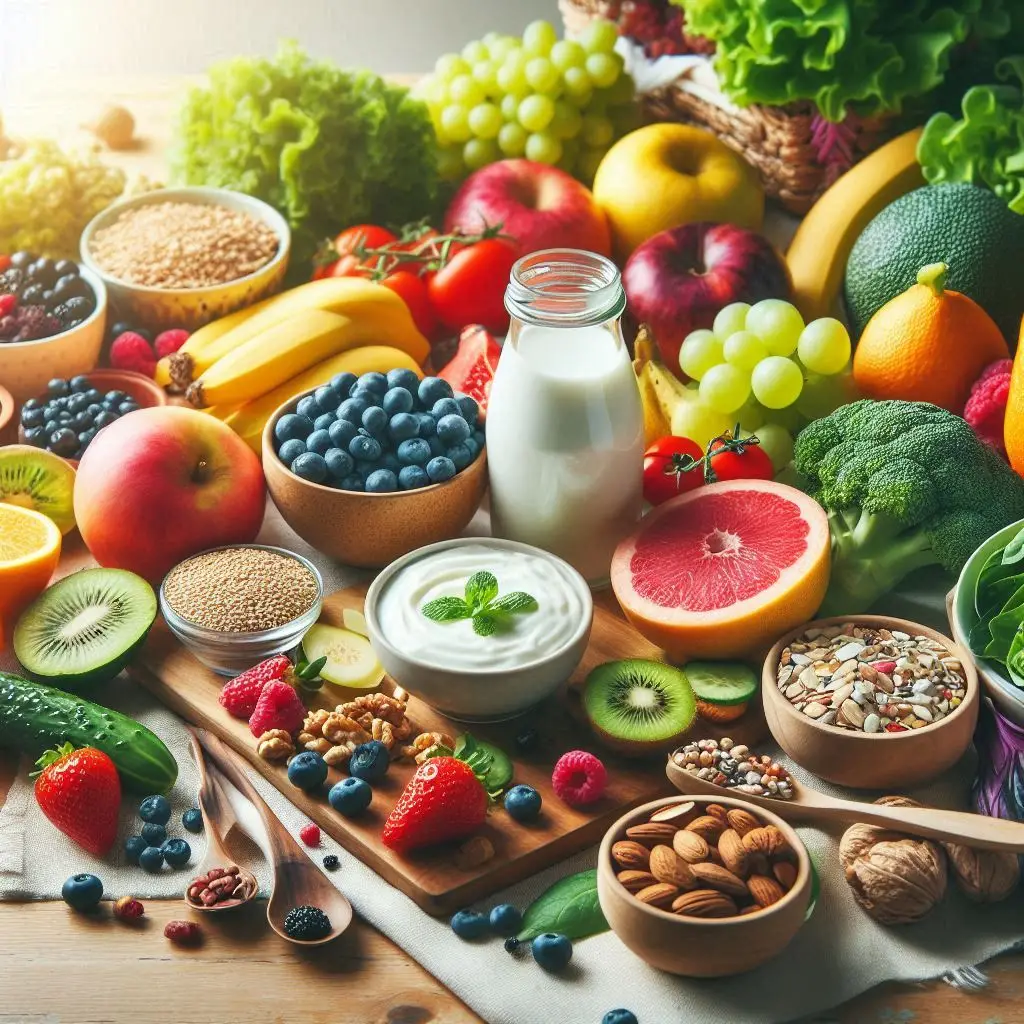
Fiber is essential for beneficial bacteria to produce short-chain fatty acids that reduce inflammation. These fatty acids help maintain the structure and function of the gut lining. Gut health tests often measure these fatty acids, which are usually low due to a lack of fiber in the diet. Whole grains, legumes, nuts, seeds, fruits, vegetables, and cooled potatoes help support healthy levels of these acids.
3. Hydration and Lifestyle:
Drinking enough water is essential for gut and skin health. Dehydration can cause skin irritation and digestive problems. Managing stress is also crucial, as chronic stress negatively affects gut and skin health. Relaxation techniques like yoga, meditation, and deep breathing can reduce stress and improve overall health.
4. Stress Management and the Gut-Brain Axis:
Stress directly affects gut health by impairing digestion and altering the balance of gut bacteria. This creates a vicious cycle: stress affects the gut, and gut imbalance contributes to skin problems.
5. Probiotics and Supplements:
Consuming probiotics as a supplement or regularly eating fermented foods can help restore the gut microbiome balance. Nutritional supplements containing strains such as Lactobacillus or Bifidobacterium are particularly effective in managing skin conditions linked to gut microbiome imbalance.
Lifestyle Habits That Enhance the Gut-Skin Connection:
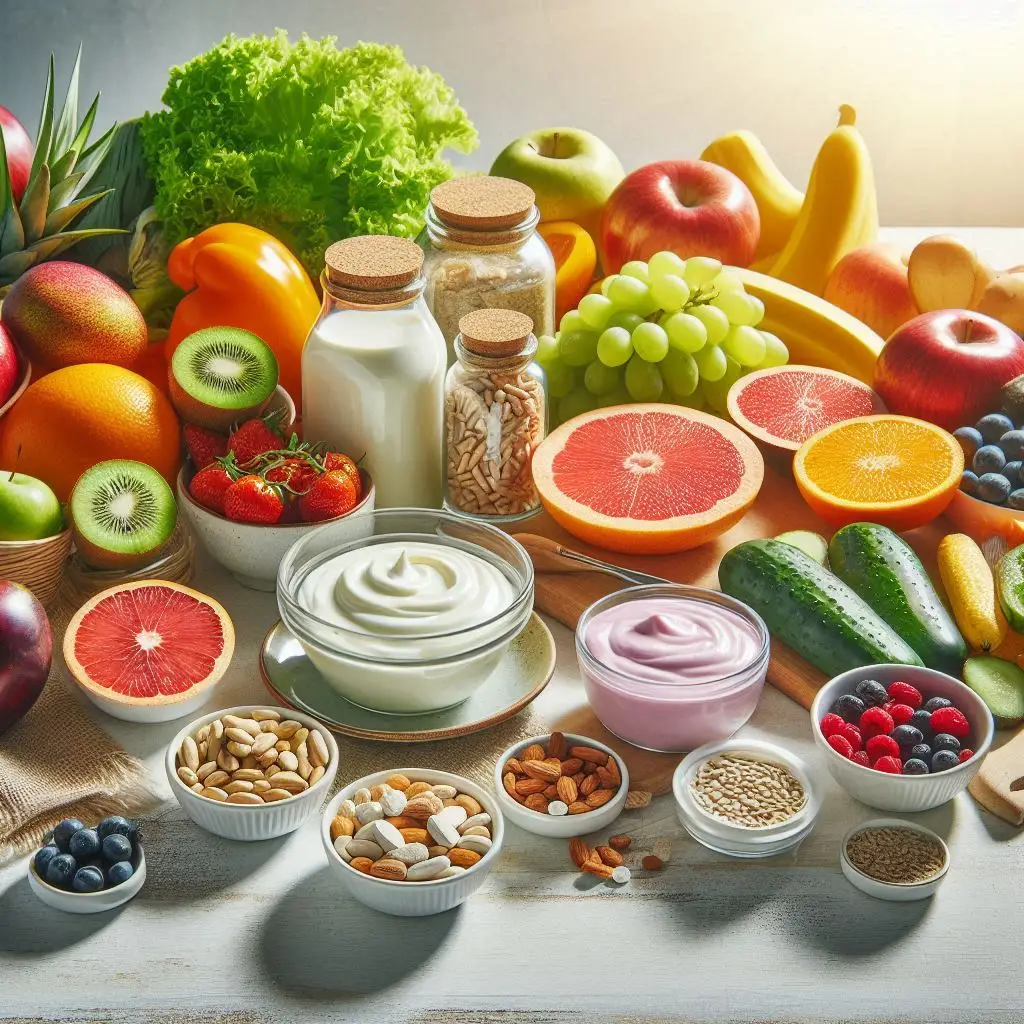
Beyond diet, certain lifestyle elements can enhance nutrition’s impact on skin health:
1. Adequate Sleep: Helps restore hormonal balance and supports immune function.
2. Stress Reduction: Chronic stress increases cortisol secretion, which can exacerbate acne.
3. Physical Activity: Light exercise, such as walking or yoga, improves blood circulation and supports a healthy gut microbiome.

The connection between the gut and the skin is not just a theory—it is a scientifically supported fact. Improving digestive health, whether through nutrition or lifestyle, can reduce inflammation, balance hormones, and enhance the absorption of essential nutrients, all of which positively affect the skin and reduce acne issues.
For more reliable scientific information and practical advice, you can follow the content on our website Nutrition Travels, where we provide everything related to nutrition and health in a simple and practical way. The result is not only clearer skin but better overall body health.