The plant-based diet has gained significant popularity over the past decade, with many people choosing it for ethical, environmental, or health reasons. Yet, despite its growing adoption, a number of myths and misconceptions continue to circulate—particularly regarding protein and iron intake. Many skeptics claim that vegan diets lead to muscle weakness, iron deficiency, or overall poor health. The truth is quite different: when carefully planned, a plant-based diet can provide all the essential nutrients your body needs, including protein and iron, while offering numerous health benefits.
Understanding Protein in Plant-Based Diets
One of the most persistent myths is that plant-based diets do not provide enough protein. This is not accurate. Protein is vital for building and repairing tissues, supporting the immune system, and maintaining muscle mass. The misconception that only animal products contain “complete” proteins is outdated.
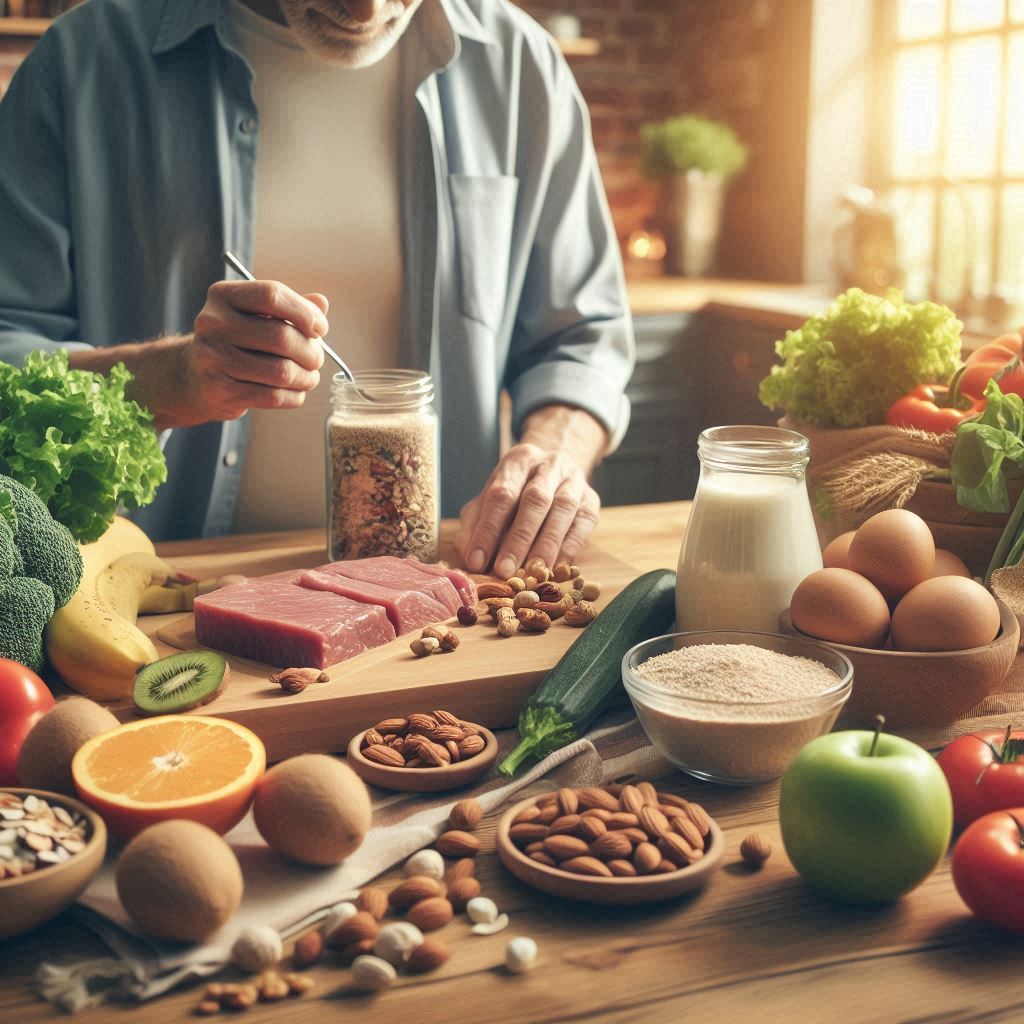
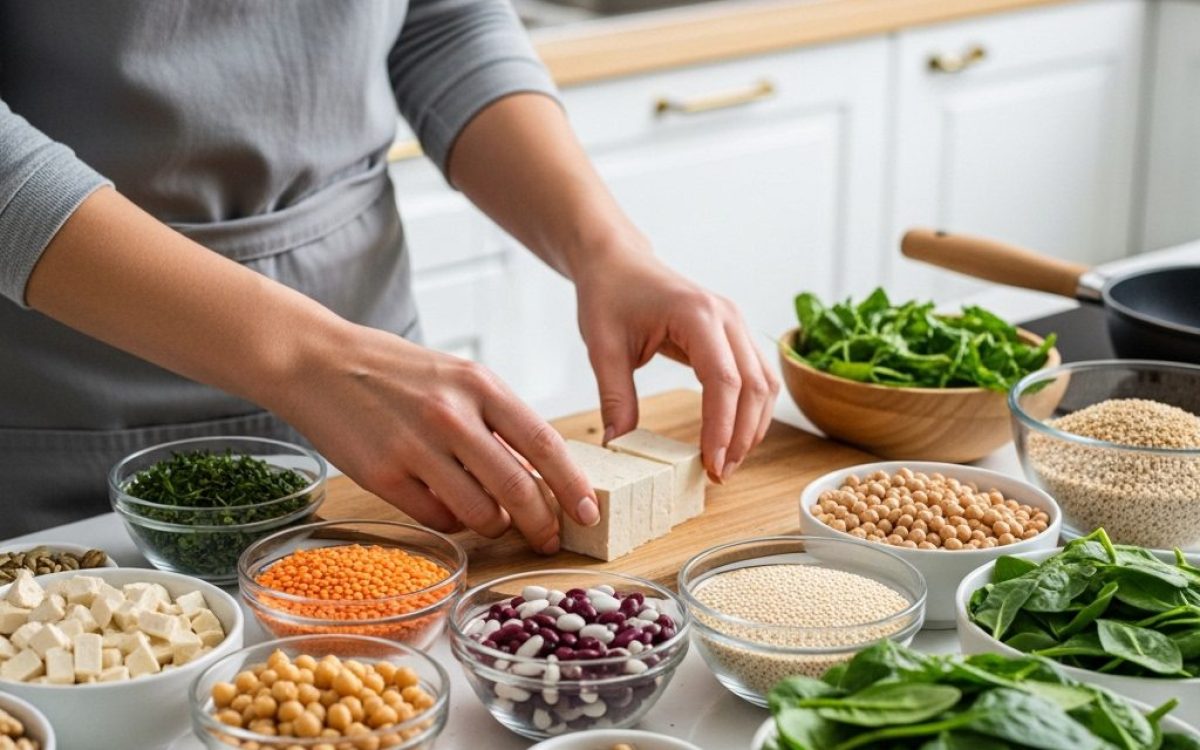
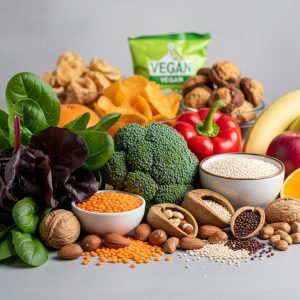
Plant-based protein sources, such as lentils, chickpeas, beans, tofu, tempeh, quinoa, nuts, and seeds, can meet all protein needs when consumed in a varied diet. For example, combining legumes with grains—like lentils and rice—ensures that all essential amino acids are consumed. Moreover, soy protein and quinoa are complete proteins on their own, containing all the essential amino acids required for the body.
Key Facts About Plant-Based Protein:
- Myth: Vegetarians or vegans cannot get enough protein.
- Fact: Legumes, soy products, nuts, seeds, and whole grains provide abundant protein sufficient for daily requirements.
- Myth: Only animal protein builds muscles.
- Fact: Plant-based proteins, when consumed in adequate quantities, can support muscle growth, repair, and high-level athletic performance.
Protein intake should generally be around 0.8 grams per kilogram of body weight for average adults, but this can vary depending on activity levels. Athletes and physically active individuals may require slightly higher intake, which can be easily met with diverse plant-based foods.
Iron in a Plant-Based Diet
Another common misconception is that plant-based diets lead to iron deficiency. Iron is essential for carrying oxygen in the blood, producing energy, and supporting overall cellular function. While plant-derived iron (non-heme iron) is less easily absorbed than heme iron from animal products, its bioavailability can be significantly enhanced by pairing it with vitamin C-rich foods such as citrus fruits, bell peppers, broccoli, and tomatoes.
Iron-Rich Plant Foods:
- Spinach, kale, and other dark leafy greens
- Lentils, chickpeas, beans
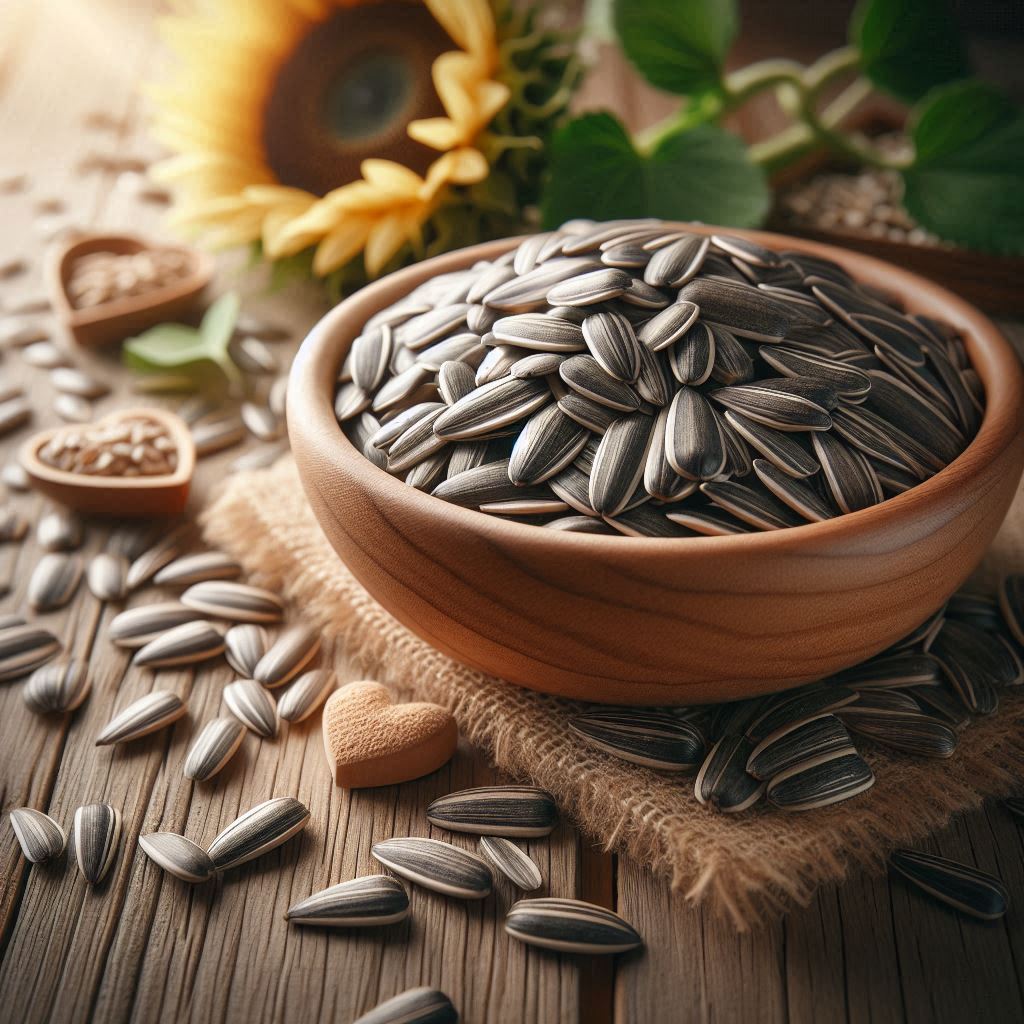
- Pumpkin seeds, sesame seeds, and nuts
- Quinoa and fortified cereals
Tips for Optimal Iron Absorption:
- Combine iron-rich foods with vitamin C sources in the same meal.
- Avoid drinking tea or coffee immediately after meals, as tannins can inhibit iron absorption.
- Consider fortified foods if dietary iron intake is insufficient.
It is important to note that certain groups—such as women during menstruation, pregnant women, and growing children—may need to monitor iron intake more closely, sometimes requiring supplements to maintain optimal levels.

Addressing Vitamin B12
Vitamin B12 is unique among essential nutrients because it is virtually absent in unfortified plant foods. This means vegans must rely on fortified foods or supplements to meet their B12 requirements. Adequate B12 intake is crucial for preventing anemia and maintaining a healthy nervous system.
Common sources for plant-based B12 include:
- Fortified plant milks
- Fortified cereals
- B12 supplements
Without these, even a well-planned plant-based diet could result in deficiency over time. Regular monitoring of B12 status is recommended for strict vegans.

Debunking Other Common Myths
Myth 1: All plant-based foods are healthy
- Fact: Not all vegan or vegetarian foods are inherently healthy. Highly processed vegan snacks, sweets, or meat substitutes may contain excessive sugar, salt, or unhealthy fats. True health benefits come from whole, minimally processed foods.
Myth 2: Plant-based diets cannot support children or athletes
- Fact: A well-balanced vegan diet can meet the needs of all life stages, including childhood, adolescence, pregnancy, and competitive athletic training, as long as calorie, protein, and micronutrient needs are met.
Myth 3: Vegan diets lead to weak bones or low calcium
- Fact: Calcium is abundant in dark leafy greens, broccoli, fortified plant milks, and certain nuts. With careful planning, bone health can be maintained without dairy products.
Myth 4: Raw vegan diets are always superior
- Fact: While raw fruits and vegetables offer nutrients and fiber, some nutrients, such as beta-carotene and lycopene, are more bioavailable when lightly cooked. Overly restrictive raw diets can lead to deficiencies in calcium, vitamin B12, and vitamin D.
Strategies for a Balanced Plant-Based Diet
To ensure nutritional adequacy and optimize protein and iron intake, plant-based eaters should:
- Diversify protein sources: Include a variety of legumes, soy products, nuts, seeds, and whole grains throughout the day.
- Combine foods strategically: Pair grains with legumes for complete protein, and pair iron-rich foods with vitamin C sources to maximize absorption.
- Fortify or supplement when needed: Use fortified plant milks, cereals, or supplements for nutrients like vitamin B12, vitamin D, and iodine.
- Monitor key nutrients: Keep track of protein, iron, B12, calcium, zinc, and omega-3 intake, especially for children, pregnant women, and athletes.
- Choose whole, minimally processed foods: Focus on vegetables, fruits, whole grains, legumes, nuts, and seeds rather than processed vegan substitutes.
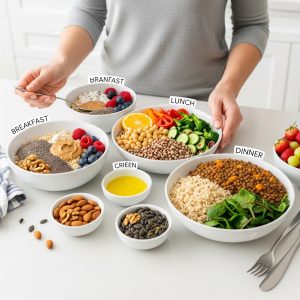
Meal planning examples include:
- Breakfast: Oatmeal with chia seeds, almond butter, and berries
- Lunch: Quinoa salad with chickpeas, roasted vegetables, and a citrus dressing
- Dinner: Lentil stew with brown rice and steamed greens
Snacks like almonds, walnuts, pumpkin seeds, or fresh fruit ensure sufficient calories and nutrients while supporting satiety.
At Nutrition Travels, our goal is to empower individuals with science-based guidance on plant-based nutrition. By debunking myths about protein, iron, and other nutrients, we help people make informed choices, ensuring that their dietary plans are not only nutritionally adequate but also enjoyable and sustainable.
A properly planned plant-based diet is capable of supporting energy levels, muscle growth, and overall health. It can reduce the risk of chronic diseases while promoting longevity. With the right knowledge, vegetables, legumes, nuts, seeds, grains, and fortified foods provide all the essential nutrients your body requires—without the need for animal products.
Dispelling myths about protein and iron is crucial for anyone considering a plant-based diet. Far from being insufficient or inadequate, a well-structured vegan diet can provide all essential nutrients, support athletic performance, enhance energy, and improve long-term health outcomes. Key strategies include diversifying protein sources, pairing iron with vitamin C, monitoring vitamin B12, choosing whole foods over processed alternatives, and staying informed about nutrient needs at every life stage.