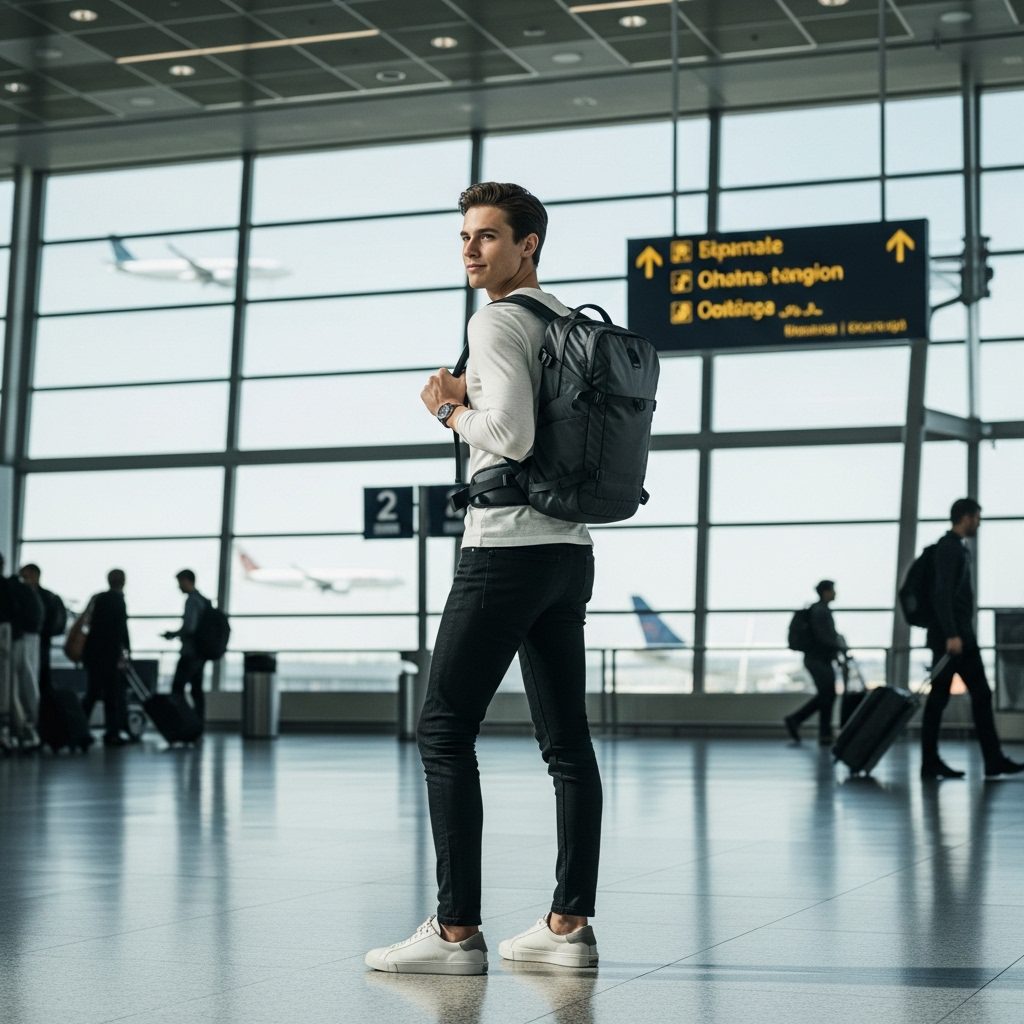

Jet Lag is a common challenge for travelers crossing continents, especially when exploring new cultures and creating unforgettable experiences. Its effects go beyond feeling tired, impacting focus, mood, digestion, and overall enjoyment of travel. Fortunately, recent scientific research has provided effective ways to reduce Jet Lag symptoms, making long trips more comfortable and productive.
In this article, we’ll cover 7 science-backed tips that help travelers adapt quickly to new time zones and fully enjoy their trips.
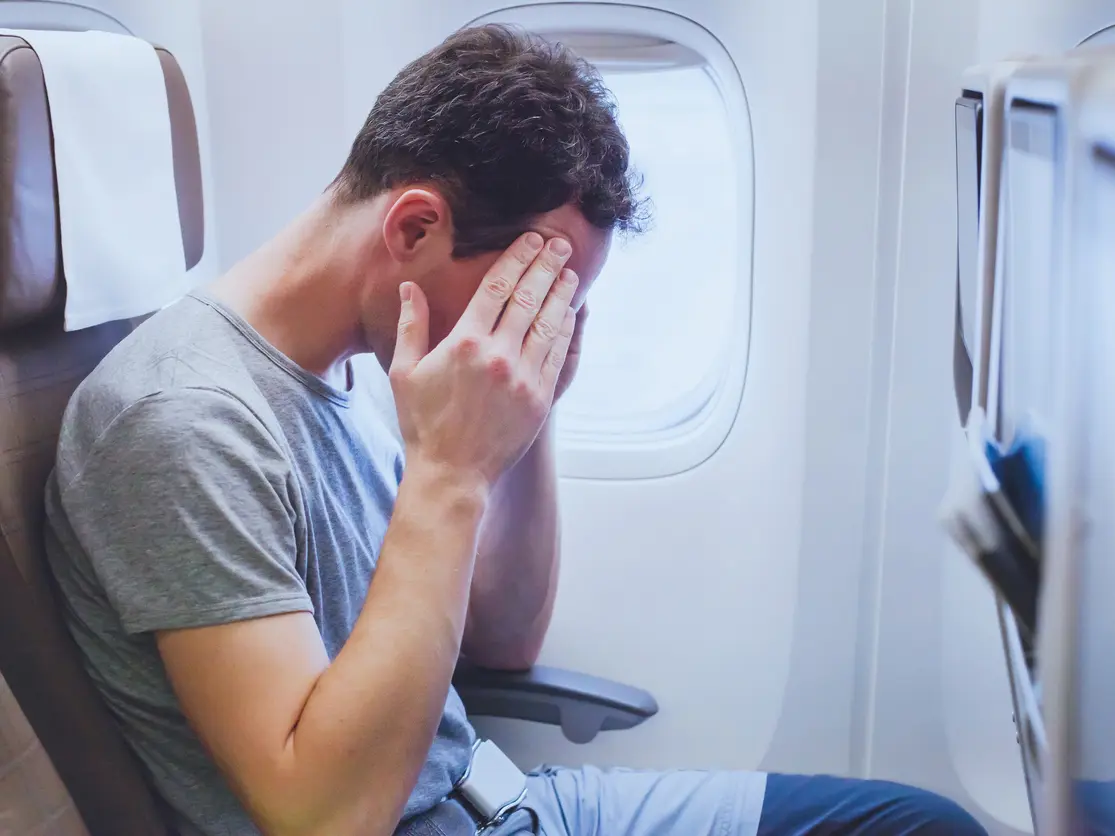
Some tips to follow to avoid feeling exhausted during long trips:
1. Wear Comfortable Clothing:
When it comes to long-distance travel, you’ll spend a lot of time on the plane. Avoid wearing heavy layers or tight clothes that cling to your body, cause moisture, or create discomfort due to pressure on your skin.
Opt for comfortable cotton or athletic clothing, along with shoes that are easy to slip off to stretch your feet during the flight.
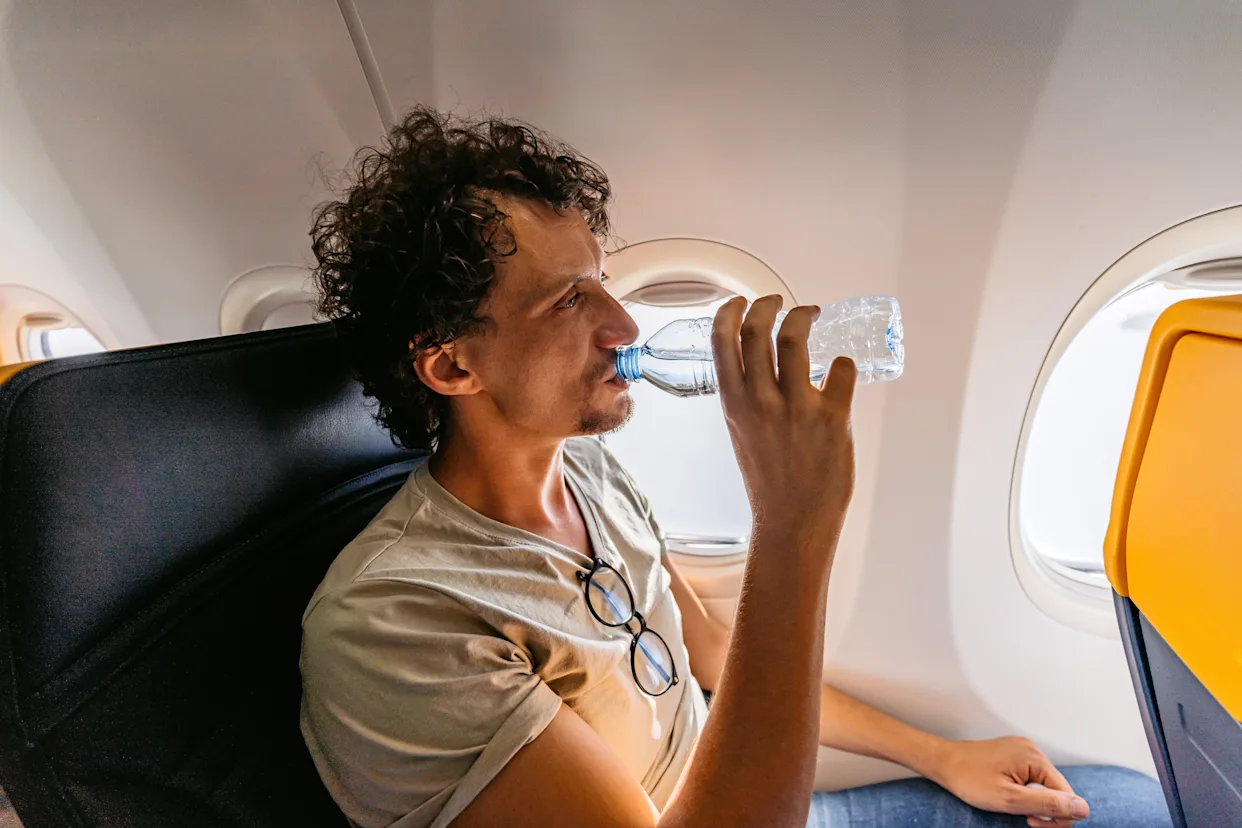
2. Drink Plenty of Water:
Long trips can cause fatigue and sometimes dehydration. It’s recommended to drink adequate amounts of water before, during, and after your flight to quickly alleviate symptoms of long-haul travel fatigue.
3. Sleep Strategies to Minimize Jet Lag on Planes:
If you’re one of those who cannot sleep on planes, this can be a major issue during long flights. To rest during your journey:
First, avoid coffee and soft drinks before traveling. Opt for calming beverages that help you relax and sleep.
Second, use a sleep mask, neck pillow, and earplugs. Then, relax in your seat and prepare for deep sleep.
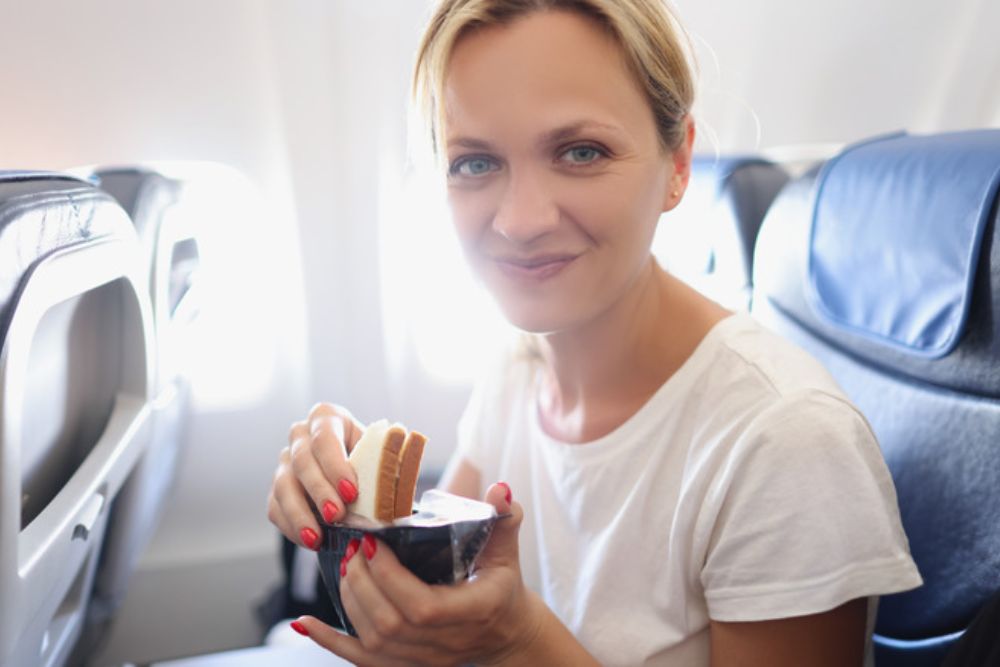
4. Adjust Meal Timing to Help Your Body Beat Jet Lag:
It’s not just sleep that’s affected during long trips; meals also play a role in regulating your biological clock. Scientific studies show that eating at the appropriate times according to local time can help your body adapt faster.
If you arrive in the morning, try having breakfast like the locals, even if you’re not hungry. Similarly, eating dinner according to local time helps your body adjust its internal clock and reduces fatigue.
5. Simple Exercises to Reduce Jet Lag Symptoms:
We’re not talking about running on the plane, but you can do small exercises while seated. You might feel there’s no space to move, but even small, repetitive movements improve blood circulation and stretch muscles and joints.
You can also walk around the cabin and do stretching exercises, which help relieve tense muscles during a long flight. Repeat these exercises regularly, ideally every 30 minutes.
6. Choose a Good Airline:
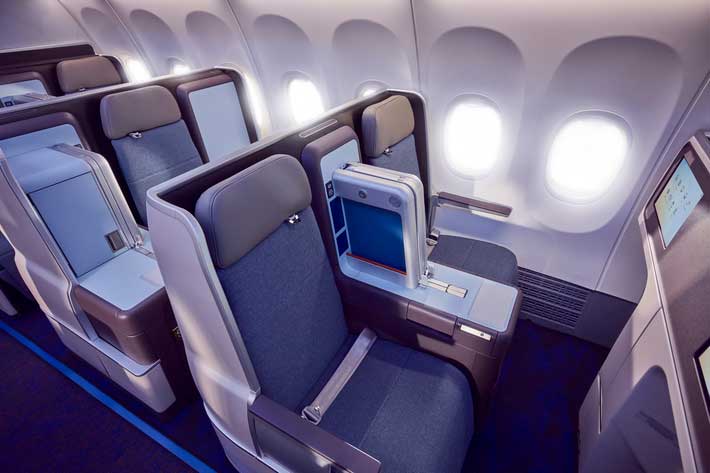
Experts recommend choosing a reliable airline for long trips. Good airlines usually feature a modern fleet equipped with advanced comfort, quality seats, air purification systems, and other important factors to help combat long-haul travel fatigue.
7. Control Light Exposure:
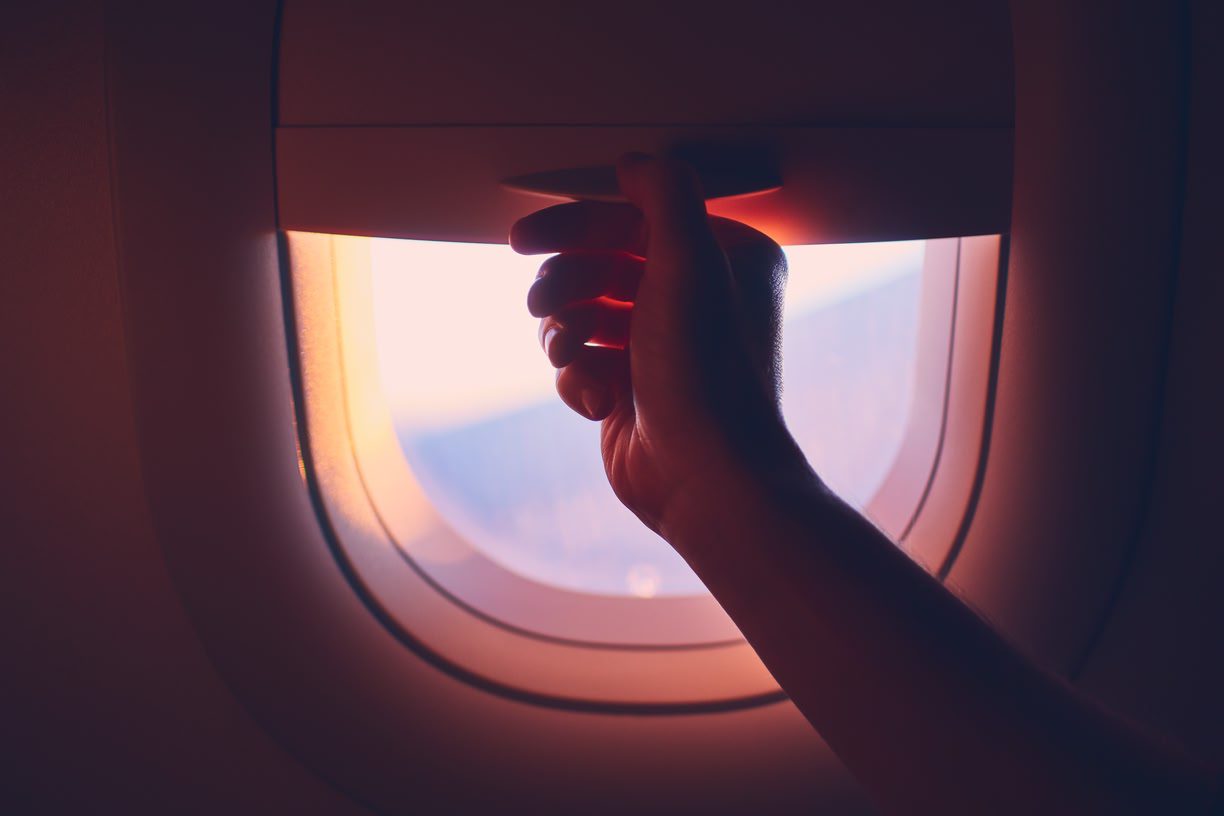
This is perhaps the most effective way to fight jet lag: adjusting your body’s biological clock by controlling your light exposure. Make the most of natural light and wear sunglasses on the plane to avoid excessive artificial light exposure.
Beating Jet Lag is not impossible, but it requires awareness and a well-planned strategy before, during, and after travel. By adjusting sleep and meal times, getting natural light, doing light exercise, and staying well-hydrated, travelers can significantly reduce fatigue caused by time zone differences.
For travel and tourism enthusiasts, these tips not only help you enjoy your trip but also allow you to make the most of every moment at your destination, whether it’s exploring cities, tasting local cuisine, or capturing the most beautiful photos that tell the story of your journey.
At Nutrition Travels, you can find more detailed information and science-backed tips on how to overcome Jet Lag and organize your long trips in a healthy and enjoyable way, ensuring a travel experience full of energy and activity, far from fatigue and exhaustion.