

Weight loss is often described as a simple equation of calories in versus calories out. While calories do matter, this explanation ignores one of the most powerful forces shaping body weight: hormones. Hormones act as chemical messengers that regulate hunger, metabolism, fat storage, energy levels, and even motivation. When these hormones are balanced, weight loss becomes easier. When they are disrupted, losing weight can feel almost impossible.
Two hormones play a particularly critical role in weight management: insulin and cortisol. Understanding how these hormones work—and how daily habits influence them—can completely change the way you approach weight loss.

The Role of Hormones in Weight Loss
Hormones communicate directly with your brain and organs, telling your body when to eat, when to burn energy, and when to store fat. Dieting without considering hormones often leads to frustration, plateaus, and weight regain.
When hormonal signals are constantly disrupted by stress, poor sleep, highly processed foods, or extreme dieting, the body enters a protective mode. Instead of burning fat, it holds on to it. This is why many people struggle with stubborn weight despite eating less or exercising more.

Insulin: The Gatekeeper of Fat Storage
Insulin is a hormone produced by the pancreas that helps regulate blood sugar levels. Whenever you eat carbohydrates or sugar, insulin is released to move glucose from your bloodstream into your cells to be used for energy.
How Insulin Affects Weight
When insulin levels rise frequently, the body prioritizes fat storage over fat burning. Excess glucose that is not immediately used is converted into fat and stored, especially around the abdomen.
Over time, repeated insulin spikes can lead to insulin resistance, where cells no longer respond efficiently to insulin. As a result, the body produces even more insulin, locking fat inside fat cells and making weight loss increasingly difficult.
High insulin levels also:
- Prevent fat breakdown
- Increase hunger shortly after meals
- Promote abdominal fat storage
How to Support Healthy Insulin Levels
- Reduce added sugars and refined carbohydrates
- Focus on protein-rich meals
- Increase fiber intake
- Choose whole foods over processed ones
- Stay physically active, especially strength training
When insulin levels stabilize, the body can finally switch from storing fat to burning stored fat for energy.

Cortisol: The Stress Hormone That Sabotages Weight Loss
Cortisol is released by the adrenal glands in response to stress. In short-term situations, cortisol is helpful—it increases alertness and provides quick energy. However, modern life often keeps cortisol levels elevated for long periods.
How Cortisol Promotes Weight Gain
Chronic stress, lack of sleep, emotional pressure, and extreme dieting all raise cortisol levels. When cortisol remains high, the body believes it is under constant threat and begins storing fat as a survival mechanism.
High cortisol levels can:
- Increase appetite
- Trigger cravings for sugary and high-fat foods
- Break down muscle tissue
- Slow metabolic rate
- Promote fat storage around the abdomen
This explains why many people gain weight during stressful periods even if their diet has not changed.
Ways to Lower Cortisol Naturally
- Prioritize 7–9 hours of quality sleep
- Practice stress management techniques like meditation or deep breathing
- Avoid overtraining and extreme exercise
- Eat regular, balanced meals
Reducing stress is not just good for mental health—it is essential for fat loss.
The Insulin–Cortisol Connection
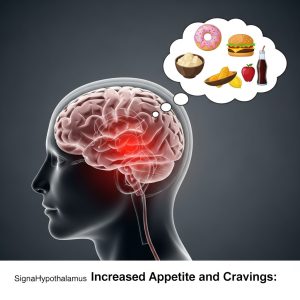
Insulin and cortisol work closely together. Elevated cortisol increases blood sugar levels, which then triggers insulin release. High insulin can cause blood sugar crashes, leading to increased hunger and cravings. This creates a cycle of overeating, stress, and fat storage.
Breaking this cycle requires more than willpower. It requires balancing blood sugar, managing stress, and supporting the body with proper nutrition and recovery.
Other Hormones That Influence Body Weight
While insulin and cortisol are major players, several other hormones affect weight loss:
- Ghrelin (Hunger Hormone): Increases appetite, especially with poor sleep
- Leptin (Fullness Hormone): Signals satiety; resistance to leptin can cause overeating
- Thyroid Hormones: Control metabolism speed; low levels slow calorie burning
- Estrogen: Changes in estrogen can affect fat distribution, especially in women
Hormonal balance depends on lifestyle, not just genetics.

How Dieting Can Disrupt Hormones
Severely restricting calories may cause quick weight loss at first, but it often backfires. Extreme dieting raises cortisol, increases hunger hormones, lowers metabolic hormones, and encourages fat storage once normal eating resumes.
Sustainable weight loss happens when the body feels safe and nourished, not deprived.
Daily Habits That Support Hormonal Balance
To improve hormonal health and support long-term weight loss:
- Eat whole, nutrient-dense foods
- Include protein, fiber, and healthy fats in every meal
- Avoid excessive sugar and ultra-processed foods
- Sleep consistently
- Manage stress daily
- Exercise regularly without overtraining
Small daily habits create powerful hormonal shifts over time.

Final Thoughts
Weight loss is not a battle against your body—it is a process of understanding it. Hormones like insulin and cortisol strongly influence whether your body burns fat or stores it. When blood sugar is stable and stress is managed, fat loss becomes more natural and sustainable.
By focusing on hormonal balance rather than extreme dieting, you can achieve better results while improving your overall health and well-being.
At Nutrition Travels, we believe that understanding how your body works is the foundation of lasting health. Weight loss is not about punishment or restriction—it’s about balance, awareness, and smarter lifestyle choices. By learning how hormones like insulin and cortisol affect your body, you can take control of your health journey and build habits that support both your body and mind for the long term.