In the world of nutrition, the journey does not stop at choosing healthy foods, counting calories, or balancing nutrients. Even the ideal diet can completely lose its value if it is not accompanied by awareness of safe food handling practices in the kitchen.
Food poisoning is not a distant or rare issue; it is one of the most common health disorders worldwide, and it often begins with small details at home that many people think are insignificant.
For individuals interested in health and nutrition, the focus is usually on food quality, but food safety represents the other half of the health equation. Bacteria such as Salmonella cannot be seen with the naked eye and do not always change the taste of food, yet they can turn a nutritious meal into a source of danger.
Below is a detailed look at five of the most common mistakes in home kitchens that are directly linked to an increased risk of food poisoning.
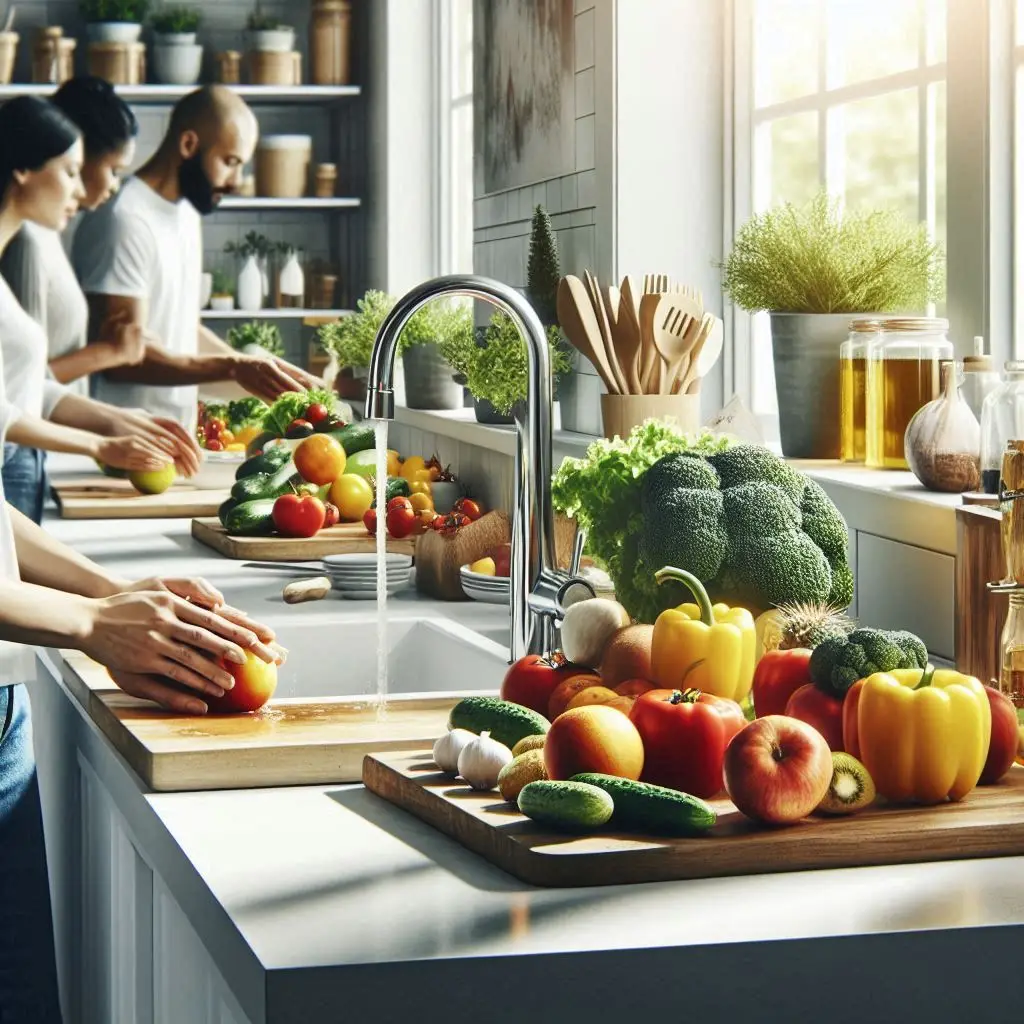
Kitchen Mistakes That Increase the Risk of Food Poisoning:
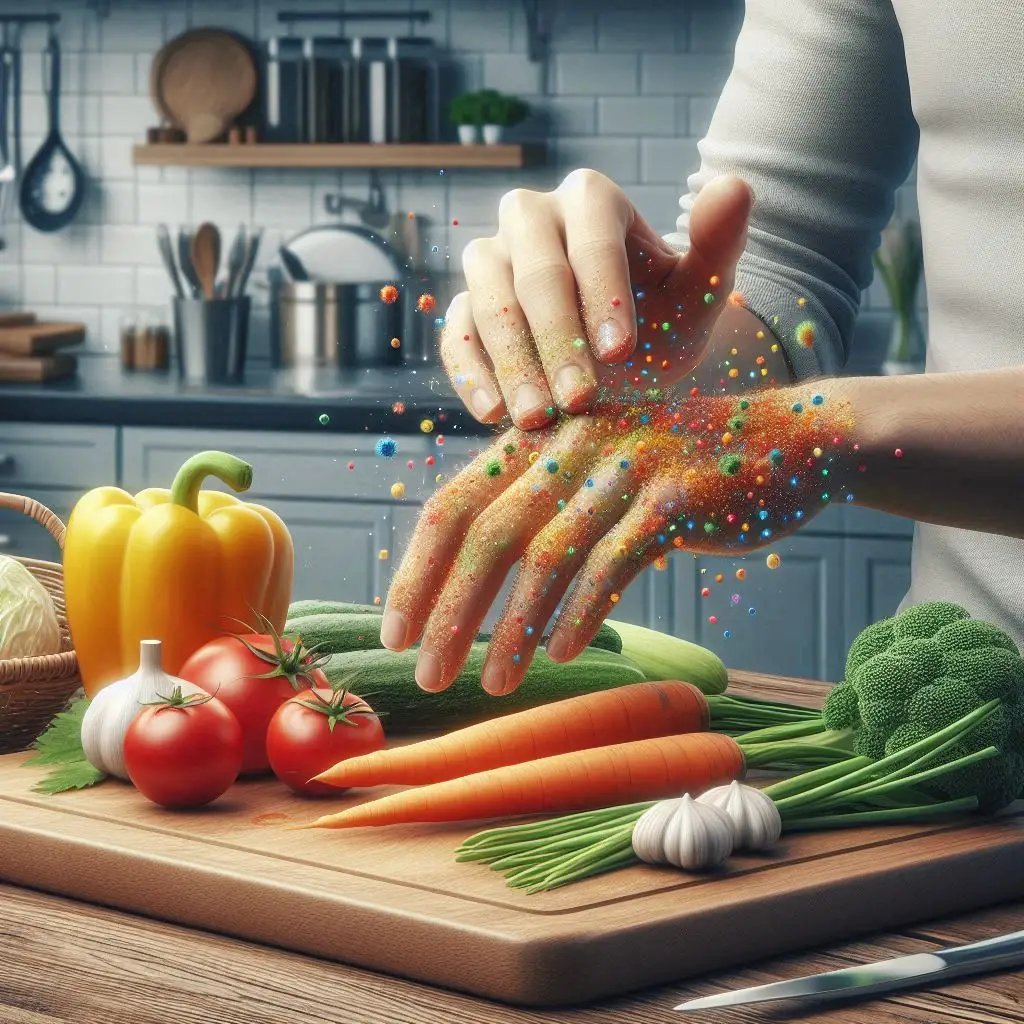
1. Not Washing Hands Properly Before Cooking – A Major Food Safety Risk:
Failing to wash hands is considered one of the most prominent mistakes made during food preparation. Dr. Michael Levine from the Department of Emergency Medicine at the University of California, Los Angeles, says that ignoring handwashing or washing hands quickly without proper care may allow dangerous germs to transfer to food or directly into the body when touching the mouth, nose, or eyes.
Experts emphasize that handwashing is necessary not only before and after handling food, but also after using the bathroom or touching surfaces or phones while cooking.
To achieve effective cleaning, soap and warm water should be used, and hands should be scrubbed thoroughly for at least 20 seconds, focusing on the areas between fingers and under the nails.
2. Leaving food leftovers in the refrigerator for too long before cooling them:
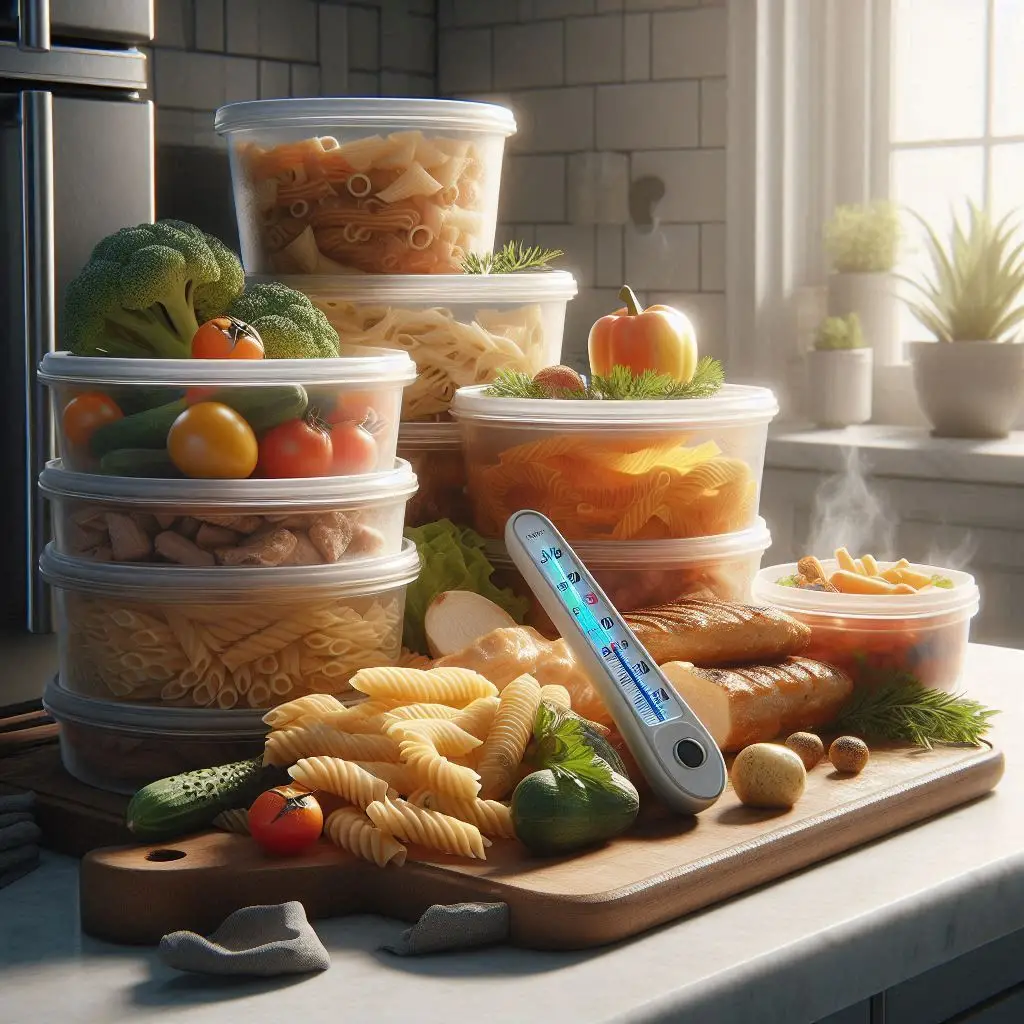
Leaving food leftovers for a long time before refrigerating them can increase the risk of foodborne illness.
Food poisoning bacteria multiply more rapidly between 40°F and 140°F (between 4°C and 60°C), which is why hot food should be kept above 140°F until it is time to eat. After the meal, leaving food outside the refrigerator for a long time gives bacteria the opportunity to grow while the food cools.
The general rule: put leftovers in the refrigerator within two hours, and make sure your refrigerator is set at 40°F or lower.
3. Not cooking food thoroughly:
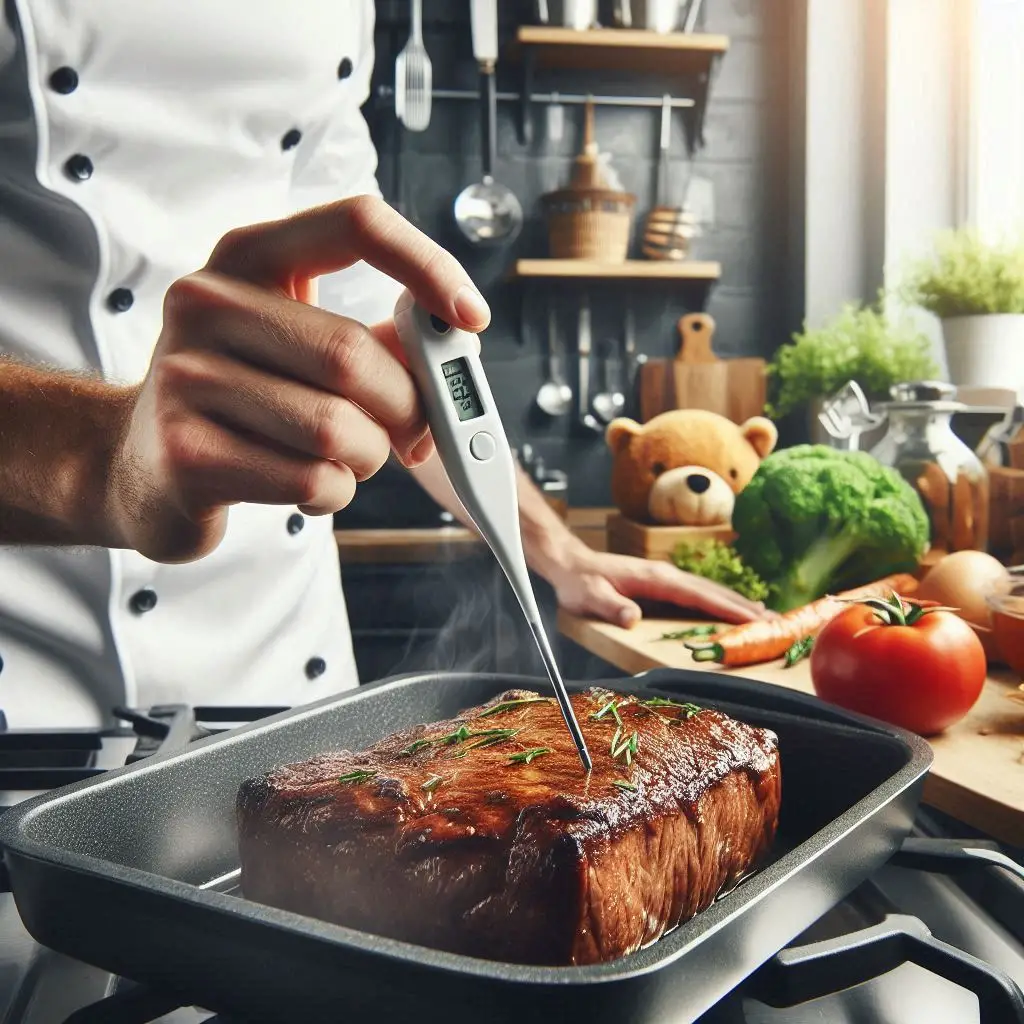
Another frequent mistake is not cooking food sufficiently, especially meat, poultry, and seafood.
Eating undercooked meat increases the risk of bacterial infections such as Salmonella, which may lead to serious symptoms including severe diarrhea, vomiting, and fever.
It is always recommended to use a food thermometer during cooking to ensure that meat has reached the proper temperature that fully kills harmful bacteria. It is also important to avoid tasting food during cooking before making sure it is completely done.
For those interested in high-protein nutrition, such as athletes, consuming meat and eggs is a fundamental part of the diet, making awareness of proper doneness an important factor for overall health.
4. Using the same cutting board for meat and vegetables:
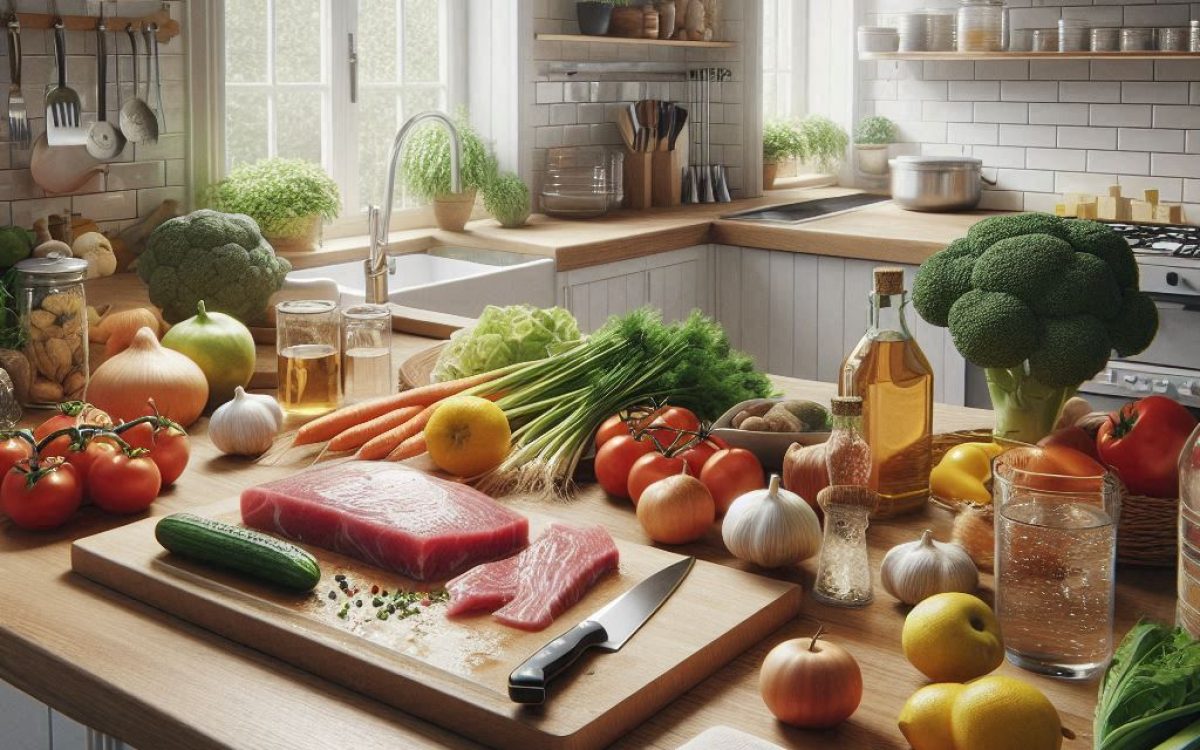
Cutting boards are among the kitchen tools most exposed to bacteria. When cutting raw meat, poultry, or fish, microbes may stick to the surface, and even after a quick wipe, invisible traces may remain.
When the same board is used to cut vegetables or fruits that are eaten raw, bacteria transfer directly to the food without going through the cooking stage that could reduce the risk. Here, a healthy dish such as fresh salad can become a carrier of germs.
This mistake is common even among nutritionally aware individuals because the focus is often on ingredient quality rather than the path of bacterial transfer inside the kitchen. Separating tools between raw and cooked foods or between meats and plant foods is one of the fundamental principles of food safety.
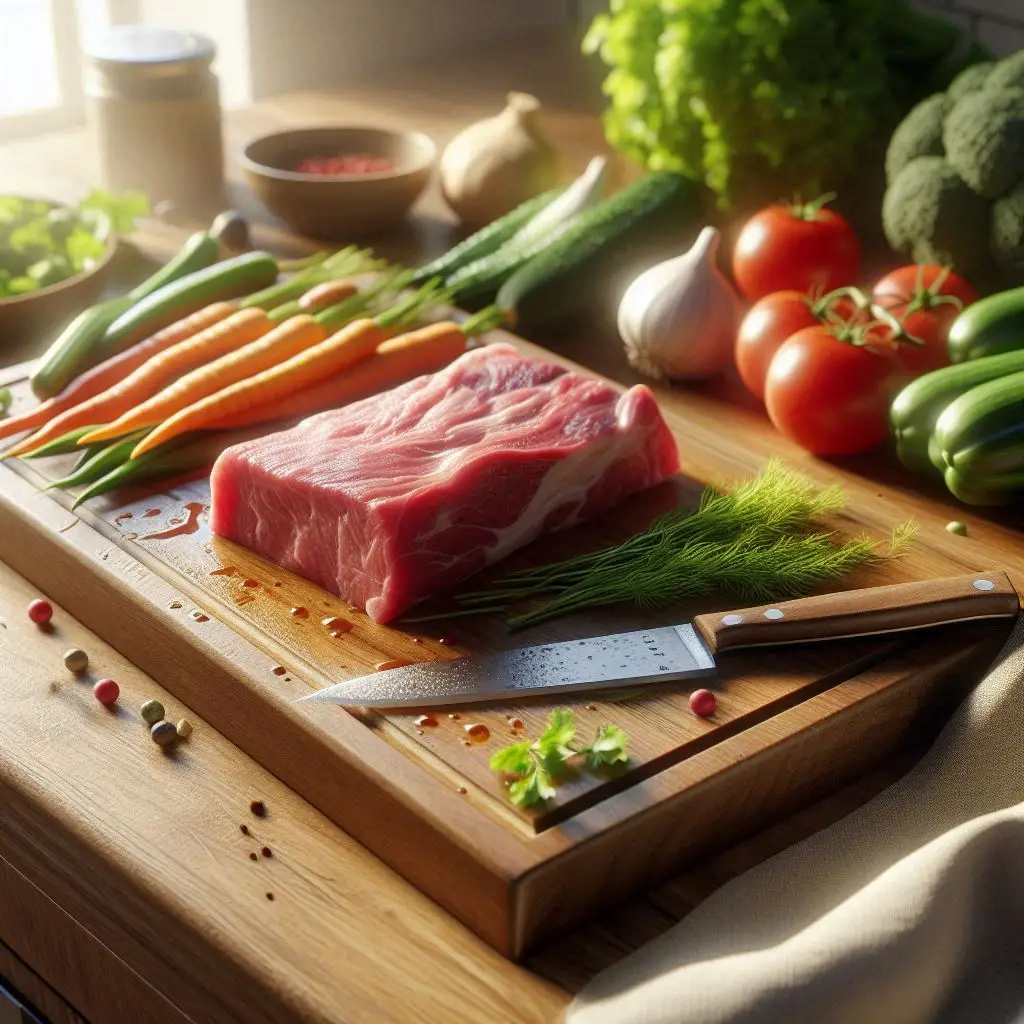
5. Storing food improperly:
Leftovers should be stored in airtight containers or covered well, and they should be reheated sufficiently before consumption.
Kitchen safety does not require great effort as much as it requires commitment to some healthy habits. By avoiding common mistakes that lead to food contamination and the spread of germs, you can protect yourself and your family from foodborne illnesses. Always make sure to follow health guidelines to maintain a clean and safe kitchen environment.
Who Is Most at Risk of Severe Food Poisoning Complications?
Although food poisoning can affect anyone, some groups are more vulnerable to its severe effects, such as:
- Children
- Older adults
- Pregnant women
- People with weakened immune systems

In the journey of caring about health and nutrition, the focus may seem centered on ingredients, calories, or vitamins, but safe food handling represents the body’s first line of defense. Small kitchen mistakes do not always show immediate effects, but they may be the cause of sudden health disturbances.
At Nutrition Travels, content is provided based on nutritional awareness and food safety, helping readers understand the relationship between proper nutrition and safe food handling in a clear and practical way that fits everyday life.