

The United States is home to one of the largest and most diverse national park systems in the world. From dramatic canyons and towering granite cliffs to lush forests, waterfalls, deserts, and coastlines, U.S. national parks offer unforgettable experiences for nature lovers of all levels.
If you are new to exploring national parks, the idea of planning your first visit may feel overwhelming. With changing seasons, large park sizes, wildlife considerations, and permit systems, beginners often wonder where to start. This guide will help you understand what national parks are, which parks are best for first-time visitors, and how to plan a safe and enjoyable trip.
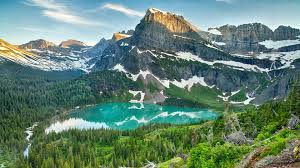
What Is a National Park?
A national park is a protected area managed by the U.S. government through the National Park Service (NPS). These parks are preserved to protect natural landscapes, wildlife, and cultural heritage while allowing visitors to enjoy and learn from them responsibly.
Key features of U.S. national parks include:
- Government protection and conservation
- Public access for recreation and education
- Regulated activities to minimize environmental impact
- Ranger programs, visitor centers, and marked trails
Today, the U.S. National Park System includes over 60 national parks and hundreds of protected areas across the country.
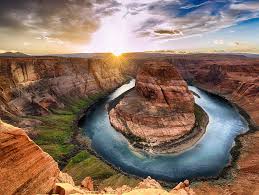
Why Visit National Parks as a Beginner?
National parks are ideal for beginners because many offer:
- Well-maintained and clearly marked trails
- Visitor centers with maps and safety guidance
- Scenic viewpoints accessible without intense hiking
- Educational ranger programs and guided walks
You don’t need advanced hiking skills or special equipment to enjoy most parks. Many experiences—such as scenic drives, short walks, wildlife viewing, and photography—are beginner-friendly.
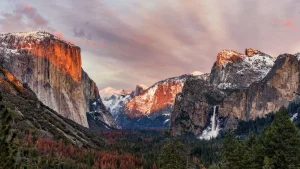
Best National Parks in the USA for Beginners
1- Yellowstone National Park (Wyoming, Montana, Idaho)
Yellowstone is often the first choice for new visitors—and for good reason. It is the world’s first national park and one of the most unique.
Why it’s great for beginners:
- Boardwalks around geysers and hot springs
- Easy access to major attractions like Old Faithful
- Abundant wildlife including bison, elk, and wolves
Highlights:
Old Faithful geyser, Grand Prismatic Spring, Lamar Valley wildlife viewing
Best time to visit:
April–May or September–October for fewer crowds and mild weather
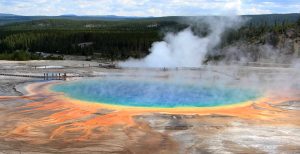
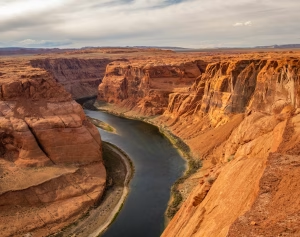
2- Grand Canyon National Park (Arizona)
Few places leave a stronger first impression than the Grand Canyon. Its massive scale and layered rock formations can be enjoyed without difficult hikes.
Why it’s great for beginners:
- Paved Rim Trail along the South Rim
- Stunning viewpoints accessible by shuttle or short walks
- Optional guided tours and mule rides
Highlights:
Mather Point, Yavapai Observation Station, Colorado River views
Best time to visit:
March–May or September–November
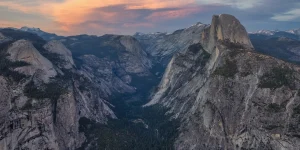
3- Yosemite National Park (California)
Yosemite is famous for its granite cliffs, waterfalls, and giant sequoia trees. Despite its dramatic landscape, it’s very accessible.
Why it’s great for beginners:
- Flat walking paths in Yosemite Valley
- Easy trails like Valley Floor Loop
- Well-developed infrastructure and services
Highlights:
Yosemite Falls, El Capitan, Half Dome (viewpoints), giant sequoias
Best time to visit:
May–September (reservations may be required during peak season)
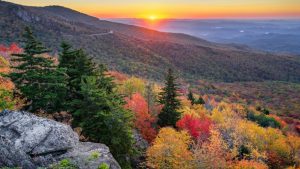
4- Great Smoky Mountains National Park (North Carolina & Tennessee)
This is the most visited national park in the U.S., and it’s especially friendly for families and first-time visitors.
Why it’s great for beginners:
- Free entrance
- Gentle hiking trails
- Rich biodiversity and scenic drives
Highlights:
Clingmans Dome, Cades Cove, waterfalls and historic cabins
Best time to visit:
April–May for wildflowers or September–November for fall foliage
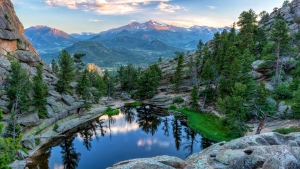
5- Rocky Mountain National Park (Colorado)
If you want to experience alpine landscapes without extreme hiking, Rocky Mountain National Park is a great option.
Why it’s great for beginners:
- Easy lakeside trails like Bear Lake
- Scenic drives above the tree line
- Frequent wildlife sightings (elk, marmots)
Highlights:
Trail Ridge Road, Bear Lake, alpine views
Best time to visit:
June–September (some areas close in winter)
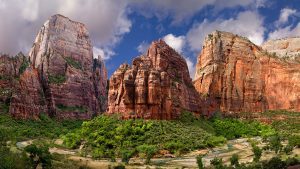
6- Zion National Park (Utah)
Zion offers unique red-rock landscapes and canyon views that feel almost otherworldly.
Why it’s good for beginners:
- Riverside Walk is flat and accessible
- Shuttle system makes navigation easy
- Short scenic hikes available
Highlights:
Zion Canyon, The Narrows (optional challenge), canyon viewpoints
Best time to visit:
April–May or September–November
Tips for Visiting National Parks as a Beginner
Choose the Right Season
Weather conditions vary dramatically by park. Some roads and trails close during winter, while summer can bring crowds and extreme heat.
Best overall seasons:
Spring (April–May) and Fall (September–October)
Plan and Book Early
Popular parks often require:
- Advance reservations for lodging or campgrounds
- Timed-entry permits or road access passes
Always check the official National Park Service website before your visit.
Start with Easy Trails
Begin with well-marked, short, and paved or maintained trails. This helps you understand the terrain before attempting longer hikes.
Follow Safety Rules
- Stay on marked trails
- Never approach or feed wildlife
- Carry water, sun protection, and proper footwear
- Follow the “Leave No Trace” principle
Use Visitor Centers
Visitor centers are invaluable for beginners. Rangers provide:
- Updated weather and trail conditions
- Maps and safety advice
- Educational programs and guided walks
Final Thoughts: Start Small, Explore Big
Exploring national parks for the first time is about enjoying nature at your own pace. You don’t need to see everything in one trip. Start with famous, accessible parks like Yellowstone, Yosemite, or the Grand Canyon, and build confidence with each visit.
With proper planning, respect for nature, and realistic expectations, your first national park adventure can become the beginning of a lifelong love for outdoor travel.
America’s national parks offer unforgettable landscapes, rich wildlife, and peaceful escapes for travelers of all experience levels. Whether you dream of watching geysers erupt, standing at the edge of a massive canyon, or walking beneath giant trees, there is a national park waiting for you.
For more beginner-friendly travel guides, nature inspiration, and destination tips from around the world, visit Nutrition Travels and start planning your next adventure today.