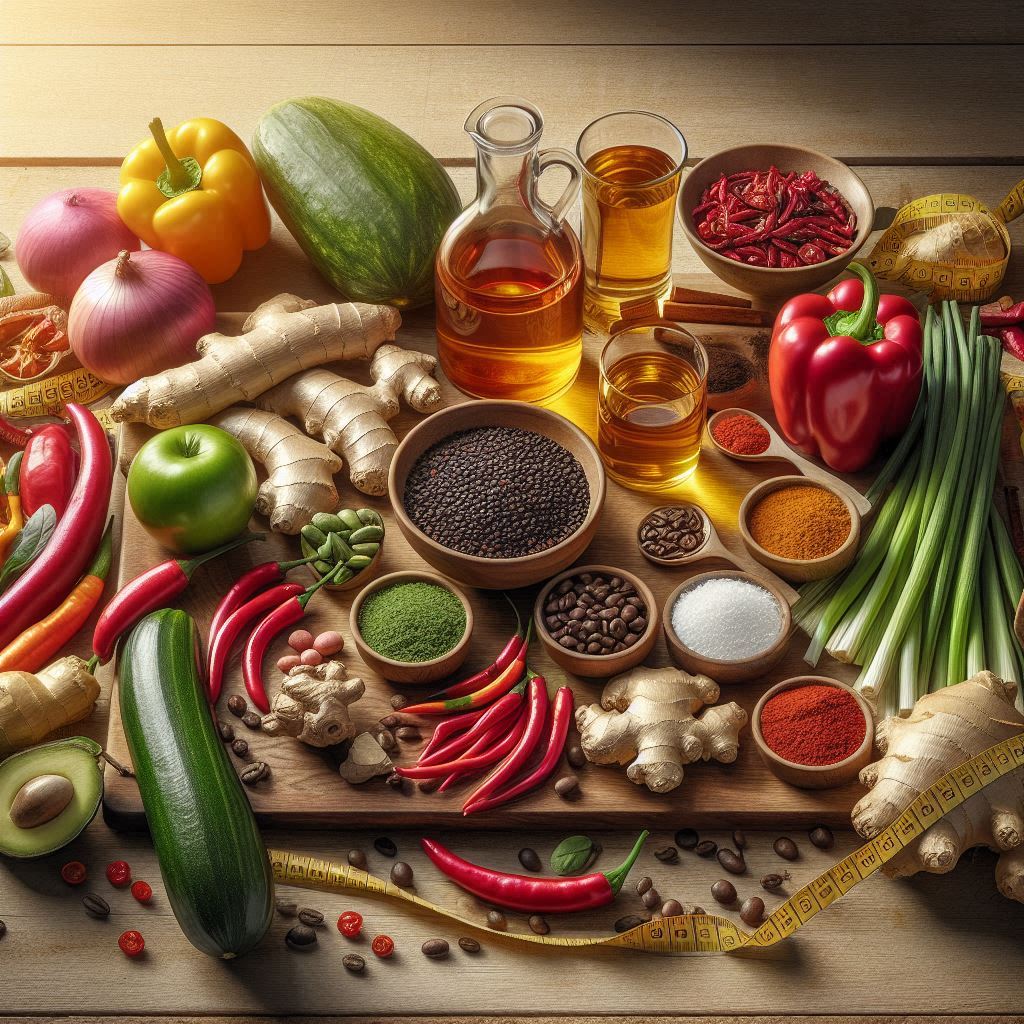

Good digestion is one of the fundamental factors for feeling comfortable and having daily energy, and it affects overall body health. Many people notice issues like bloating, gas, or feeling heavy after eating certain meals. Identifying the foods to avoid can help reduce these digestive problems. While the effect of foods may vary from person to person, there are some food groups that can increase the likelihood of bloating or digestive difficulties for most people.

1. Highly Processed Foods to Avoid:
It is advisable to limit the consumption of highly processed foods such as cold cuts, frozen dinners, sugary desserts, canned foods, ready-to-eat meals, and snacks including potato chips, as they may impact digestive health. Reducing these foods and replacing them with natural, home-cooked options supports digestive health and helps reduce bloating.
2. Spicy Foods to Avoid for Sensitive Stomachs:
Hot peppers and spicy seasonings contain capsaicin, which can irritate the stomach lining and worsen digestive issues in sensitive individuals.
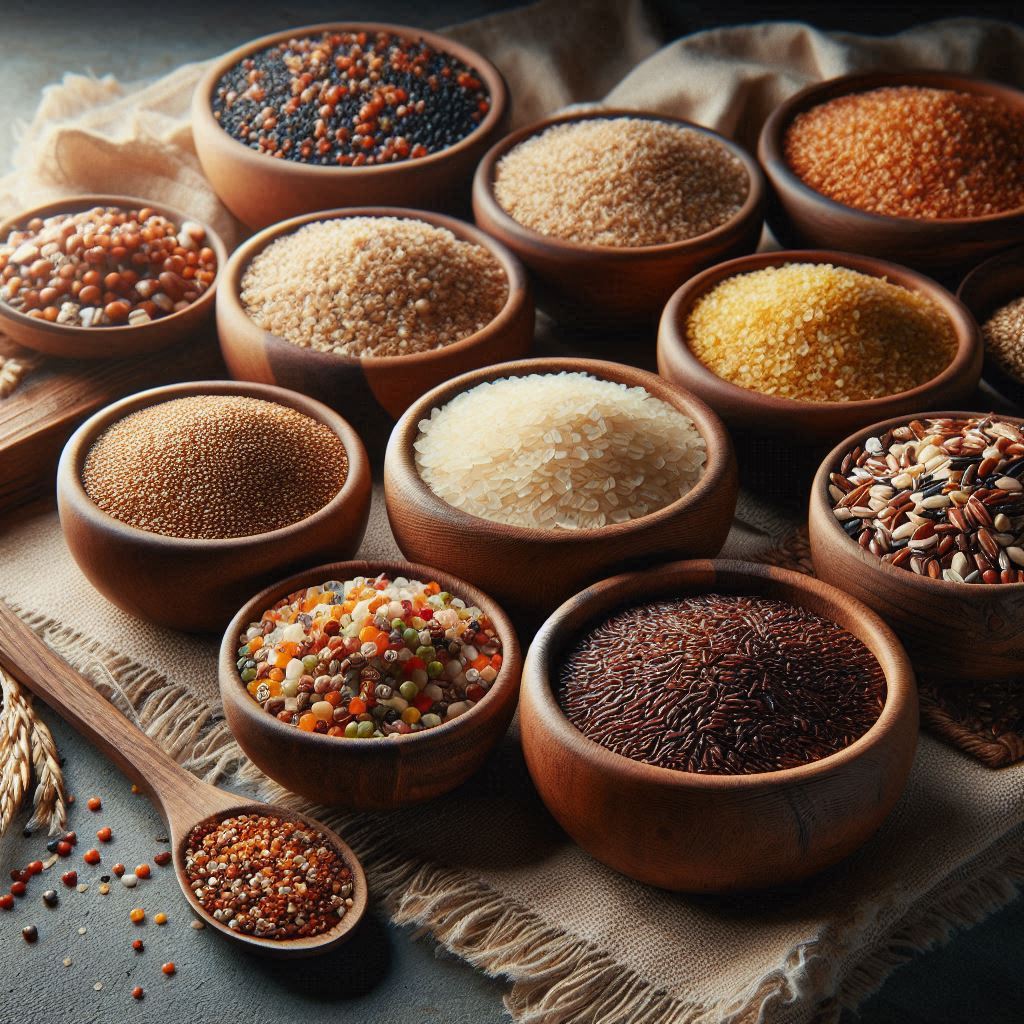
3. Whole Grains That Are Not Soaked:
Whole grains like whole wheat, oats, and brown rice contain beneficial fiber, but in some cases, they may be hard to digest if not prepared properly. For individuals sensitive to excess fiber, these grains can cause bloating or gas. Proper cooking or soaking the grains before preparation reduces their impact on digestion.
4. Dairy Products for Those with Lactose Sensitivity:
Dairy products like whole milk, creamy cheese, or cream may cause bloating and gas for individuals who have difficulty digesting lactose. Symptoms of lactose intolerance may include bloating, gas, and abdominal pain after consuming these products.
Healthy Alternatives: Fermented yogurt, lactose-free milk, or plant-based alternatives like almond or oat milk can be easier to digest and help reduce bloating.
5. Caffeine and Other Foods to Avoid:
Caffeine can increase stomach acid production, which may worsen conditions such as acid reflux or gastritis. Consuming coffee and tea in moderation, and favoring water or herbal teas like peppermint or chamomile, can aid digestion.
6. High-Fructose or Sugary Foods to Avoid:
Foods and drinks containing large amounts of simple sugars, such as soda, sweetened juices, and desserts, may affect digestion and increase gas production. Fructose in some fruits, such as apples or pears, can also be difficult to digest for some people. Consuming these sugars in moderation or choosing low-fructose fruits like berries can help reduce bloating.

General Tips to Improve Digestion and Reduce Bloating:
1. Chew food well: Proper chewing helps break down food and makes it easier to digest.
2. Stay hydrated: Drinking water regularly aids bowel movements and reduces constipation and bloating.
3. Avoid eating too fast: Eating quickly increases swallowed air and can contribute to gas and bloating.
4. Monitor individual foods: Everyone may have different sensitivities or reactions to certain foods, so paying attention to your body’s responses is useful.
5. Maintain a balanced diet: Focusing on meals that include soluble fiber, easily digestible proteins, and healthy fats enhances digestion and reduces bloating.

Healthy digestion is not just about feeling comfortable after a meal; it is an essential part of overall health and daily energy. Avoiding foods that cause bloating or digestive difficulties can be a helpful step for those who care about their health and daily comfort. Simple adjustments like choosing healthier alternatives, proper cooking, and monitoring portion sizes can have a significant impact on digestive comfort and energy levels. Understanding the relationship between food and the digestive system helps make better dietary choices that support long-term health.
At Nutrition Travels, we provide accurate, evidence-based information about nutrition and digestive health to help you make healthy dietary decisions every day.