
Dealing with children who are picky eaters can be a daily challenge. Some children refuse vegetables entirely, while accepting only familiar or processed foods. Understanding the reason behind this behavior is the first step toward change.
Picky eaters often have sensitivities to certain tastes or textures, or simply need more time to accept new flavors. Awareness and understanding of this behavior help create a smart nutritional plan without force or excessive mealtime struggles.
Why Focus on Vegetables for Picky Eaters?
Vegetables aren’t just colorful additions to a child’s plate—they are packed with essential nutrients such as:
- Vitamins and minerals
- Fiber for healthy digestion
- Antioxidants to support immunity
Teaching picky eaters to enjoy vegetables is an investment in their long-term health and should be part of a strategy for handling selective eating.

Present Vegetables Creatively for Picky Eaters
How vegetables are presented can significantly affect acceptance:
- Cut vegetables into fun shapes
- Mix colorful vegetables to attract attention
- Use small, cute plates
These tricks make eating vegetables more enjoyable and less forced for picky eaters.
Incorporate Vegetables into Foods They Already Like
Introduce vegetables gradually into familiar meals:
- Add them to pasta or pizza
- Mix them with sauces the child enjoys
- Prepare blended vegetable and fruit juices
This method allows children to feel comfortable and start accepting new flavors naturally.
Involve Children in Preparation
Children love to participate, especially with food:
- Let them wash or cut vegetables under supervision
- Allow them to choose which vegetables to try
- Let them create their own plate with a mix of vegetables and familiar foods
Participation fosters responsibility and encourages picky eaters to try new foods.

Patience and Persistence
Change doesn’t happen overnight. Some children may need to try the same vegetable 10–15 times before accepting it. Key strategies include:
- Offer vegetables regularly without pressure
- Celebrate small attempts, not just results
- Continue providing a variety of options
Over time, picky eaters will gradually develop a positive relationship with vegetables.
Practical Strategies to Encourage Vegetable Intake
1. Creative Alternatives to Traditional Meals
When a child refuses vegetables, try smart alternatives:
- Roast sweet potatoes instead of regular potatoes
- Serve cooked vegetables as small sticks with a light dip
- Add mashed vegetables to sauces or soups
These options gradually familiarize children with new flavors as part of a smart picky eater strategy.
2. Make Eating Vegetables Fun for Picky Eaters
Turn vegetable consumption into a game:
- Arrange vegetables by color to create faces or fun shapes
- Let the child choose which color to try first
- Use small cups or tools to make eating enjoyable
Picky eaters often respond better to play than direct instruction, increasing the likelihood they will eat vegetables.

3. Gradual Introduction of Flavors for Picky Eaters
Avoid forcing all vegetables at once:
- Start with soft or naturally sweet vegetables like carrots or red peppers
- Gradually mix in other vegetables
- Offer very small portions initially
The goal is to reduce resistance and make the transition smooth for picky eaters.
Positive Role Modeling by Parents
Children learn by watching. If they see parents enjoying vegetables:
- They are more likely to imitate them
- They feel less pressured
- Eating vegetables becomes a natural and enjoyable experience
This approach encourages eaters to develop a healthy relationship with food.
School and Meals Outside Home for Picky Eaters
Vegetable refusal may be more noticeable outside the home:
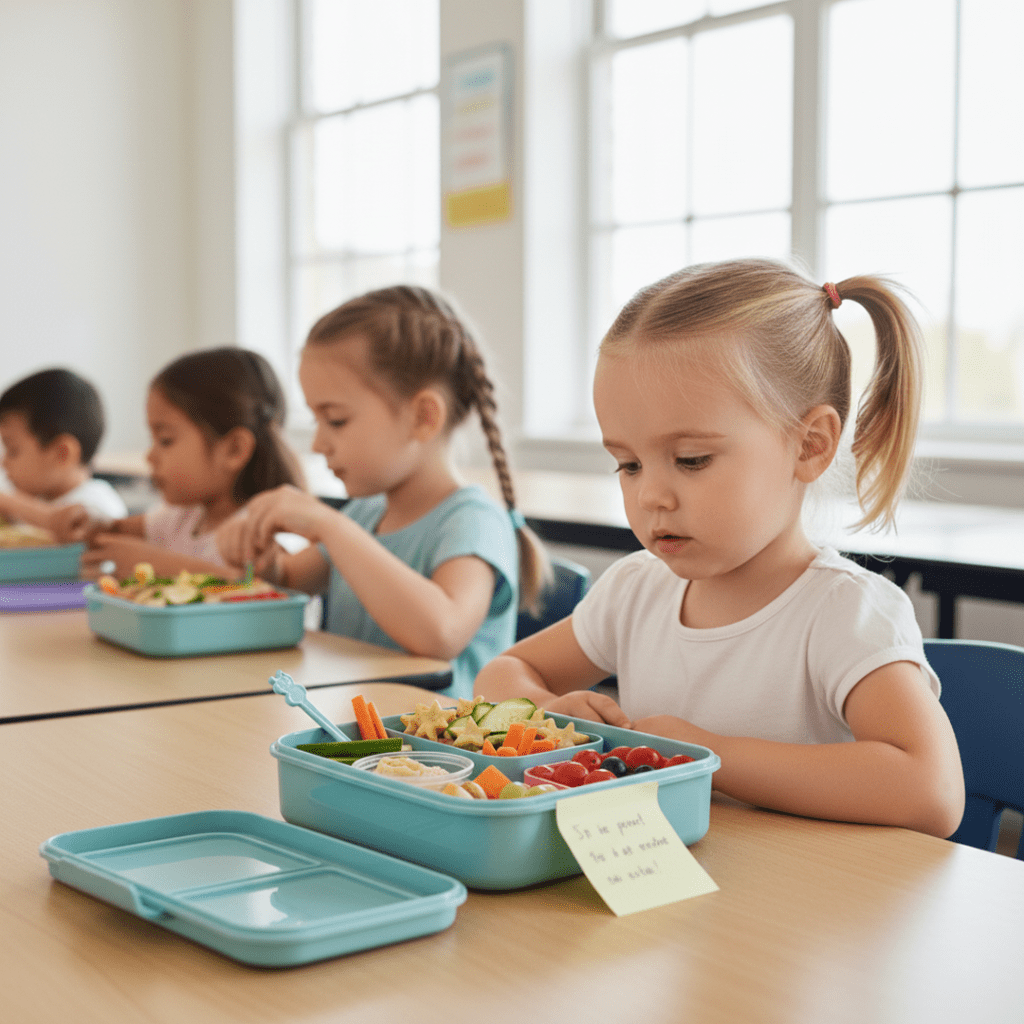
- Send pre-cut, ready-to-eat vegetables in the lunch box
- Include a light dip to encourage trying them
- Avoid pressure or comparisons with peers
Applying these tips helps picky eaters continue eating vegetables at school.
Common Mistakes to Avoid
- Forcing the child to eat
- Offering constant rewards for every bite
- Reducing vegetable servings to only alongside favorite foods
Avoiding these mistakes ensures a more successful strategy and protects the child’s emotional well-being.
Handling picky eaters requires patience, creativity, and gradual introduction. By presenting vegetables in fun ways, incorporating them into familiar meals, involving children in preparation, and modeling positive behavior, vegetable consumption can transform from a daily struggle into a sustainable healthy habit.
For more practical ideas on children’s nutrition, healthy recipes, and fun educational strategies, visit nutritiontravels, where we combine nutrition, fun, and daily health for kids.