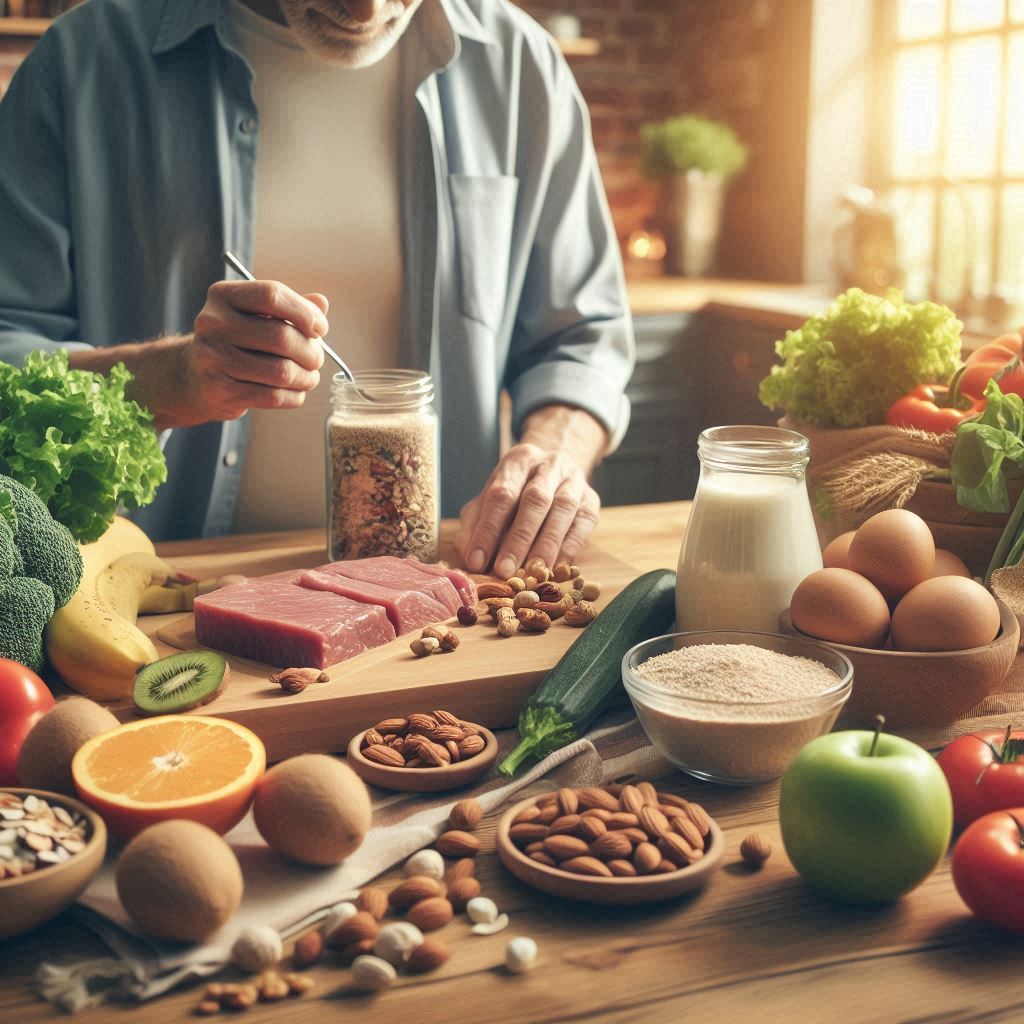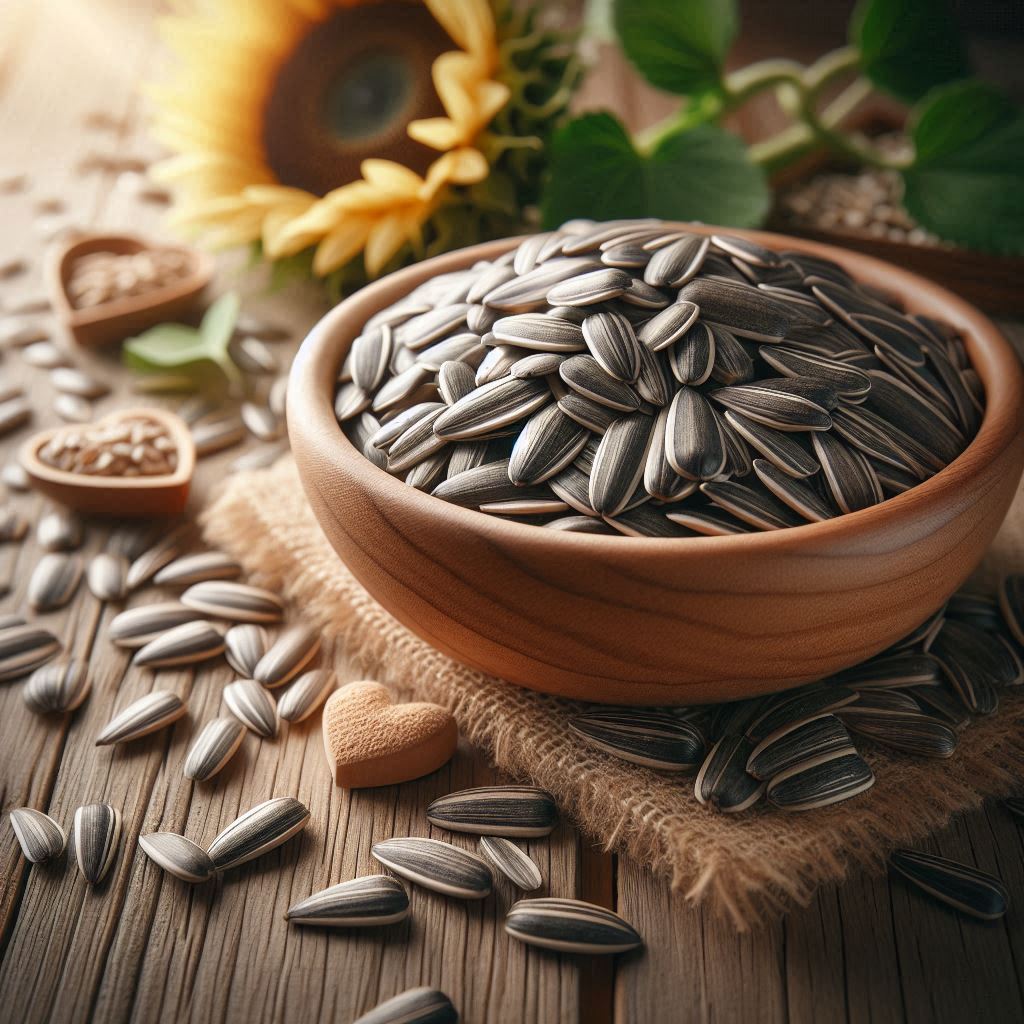

In our daily lives, many of us look for effective ways to boost our energy, as low energy or constant fatigue has become very common, especially with the pressures of work, studies, or exhausting daily routines. The reason behind this feeling may be more related to our eating habits than we think. Nutrition is not just a way to satisfy hunger; it is the primary fuel that gives the body the ability to stay active and focused throughout the day.
In this article, we will explore some natural ways to boost your energy through choosing the right foods, in a practical and easy-to-integrate way into daily life.
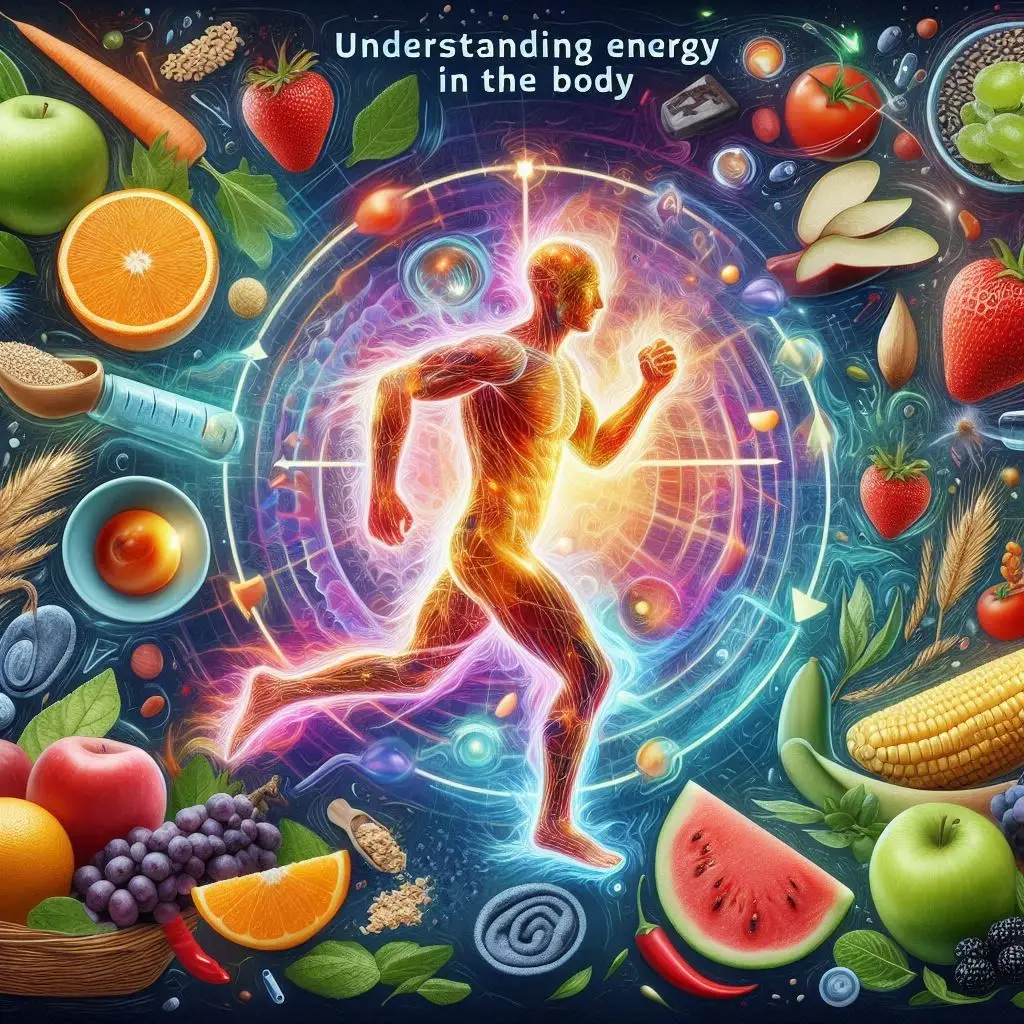
Understanding Energy in the Body:
Before diving into nutrition details, it’s important to understand how the body obtains energy. Energy mainly comes from converting the food we eat into glucose, which the body uses as a primary energy source, along with fatty acids and proteins that play a complementary role in supporting physical and mental performance. Any deficiency or imbalance in these elements can lead to feelings of fatigue or low vitality.
Complex Carbohydrates for Sustained Energy:
Eating complex carbohydrates can enhance energy by providing a steady and continuous supply of glucose to the body. Unlike simple sugars, complex carbohydrates are found in foods such as whole grains like brown rice, legumes, and vegetables, and are digested slowly, leading to gradual energy release. This helps maintain stable blood sugar levels, provides energy balance, builds long-lasting energy, and supports digestion.
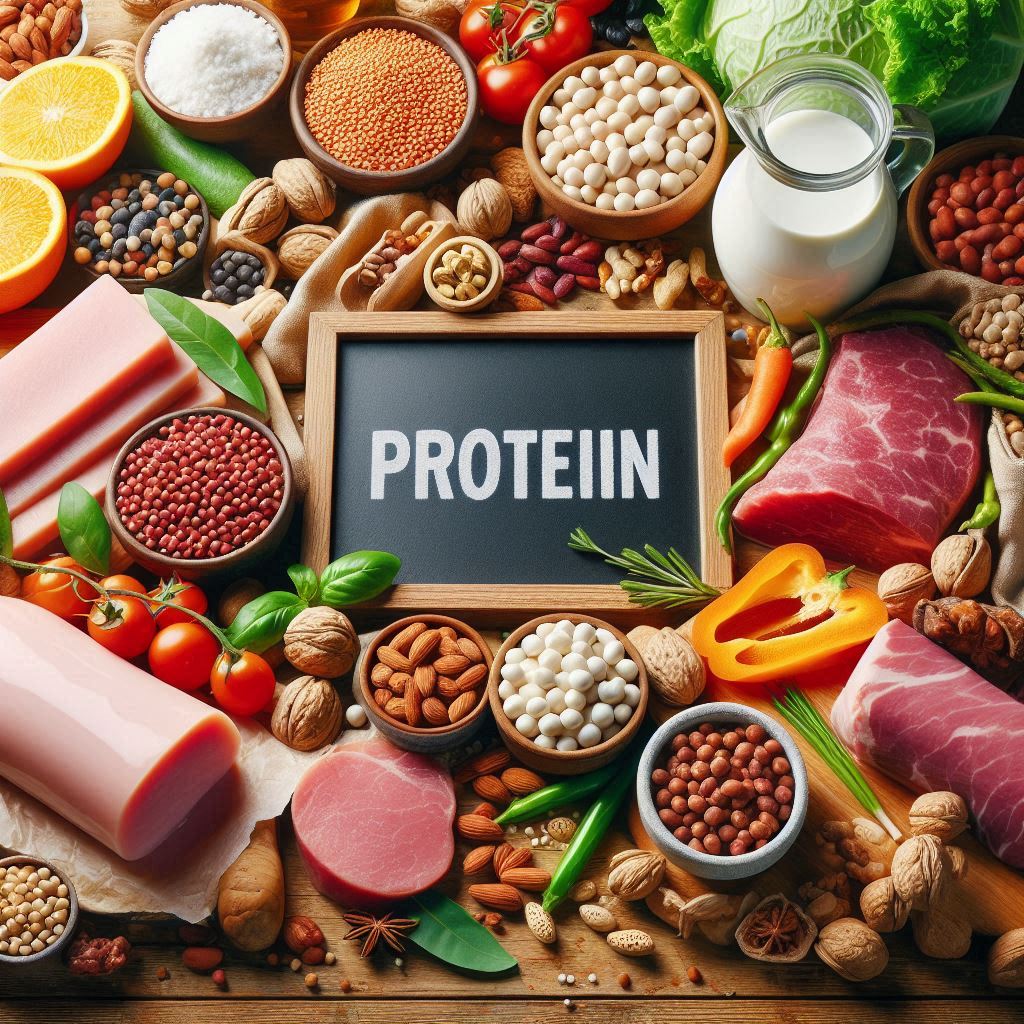
Proteins and Their Role in Ways to Boost Your Energy and Focus:
Consuming enough protein can make a noticeable difference in your energy levels, as it provides a sustainable source of energy for the body. Unlike the sharp spikes and drops that accompany meals high in sugar, protein-rich foods help stabilize blood sugar levels, preventing energy fluctuations. Integrating protein into your meals and snacks can help you stay active throughout the day. There are various options, including plant-based sources like chickpeas and tofu, as well as other options like fish and poultry.
Healthy Fats for Physical and Mental Energy:
Healthy fats are not the enemy of the body; on the contrary, they are essential for energy production. Fats like omega-3s found in fish, olive oil, and avocado help improve brain function, increase focus, and sustain energy for longer periods. Consuming a moderate amount of these fats daily can reduce fatigue and help you enjoy an active day.
Vitamins and Minerals as Essential Ways to Boost Your Energy:
Key nutrients and compounds that provide the body with energy include:
1. Vitamin B12:
Vitamin B12, along with other B vitamins, helps convert the food we eat into energy that the body’s cells can use, and also supports the health of nerves and blood cells. Vitamin B12 is found in many animal products such as meat, fish, and dairy products.
2. Iron:
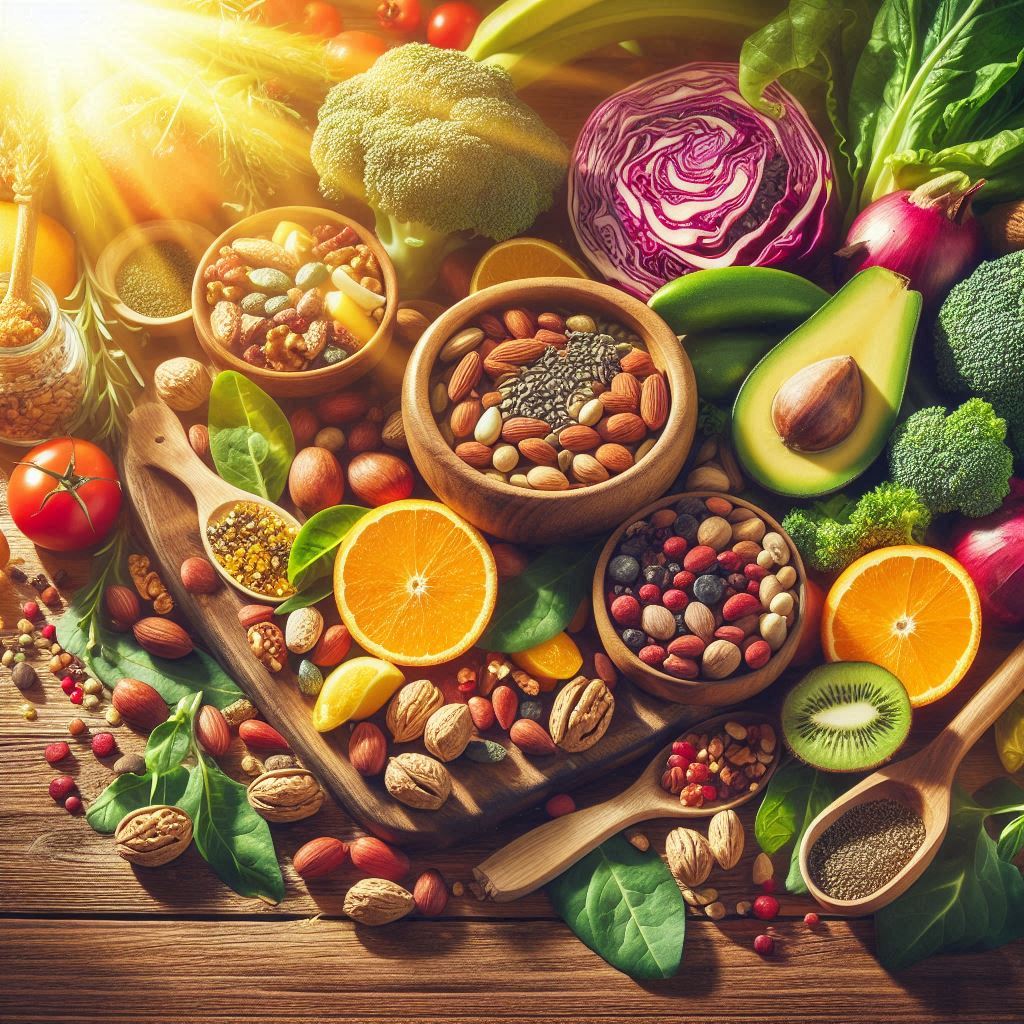
Essential for transporting oxygen to the body’s cells. Iron deficiency may lead to constant fatigue. Iron can be found in red meat, lentils, spinach, and nuts.
3. Magnesium:
Helps in the cellular energy production process, and is found in nuts, seeds, and leafy vegetables.
Avoid Foods That Interfere with Ways to Boost Your Energy:
Some foods and drinks may provide temporary feelings of energy but later lead to sudden drops, such as:
- Processed sugars and soft drinks.
- Fried foods and fast food.
- Excessive caffeine, which can cause energy fluctuations after its effect wears off.
Avoiding or reducing these foods helps the body maintain stable energy throughout the day.
Smart Healthy Snacks:
Choosing healthy snacks can be key to maintaining energy between main meals. Good options include:
- Nuts and seeds: excellent sources of protein and healthy fats.
- Yogurt with fruits: contains protein and natural carbohydrates.
- Sliced vegetables with hummus: rich in fiber and provide a feeling of fullness and energy.
These snacks help prevent sudden drops in energy levels and support mental and physical performance.

Meal Timing:
Eating regularly and at consistent times can help maintain energy levels. Skipping meals or delaying them for long periods leads to fatigue and poor focus. Getting used to having small, balanced meals every 3-4 hours enhances activity and keeps the body energized throughout the day.
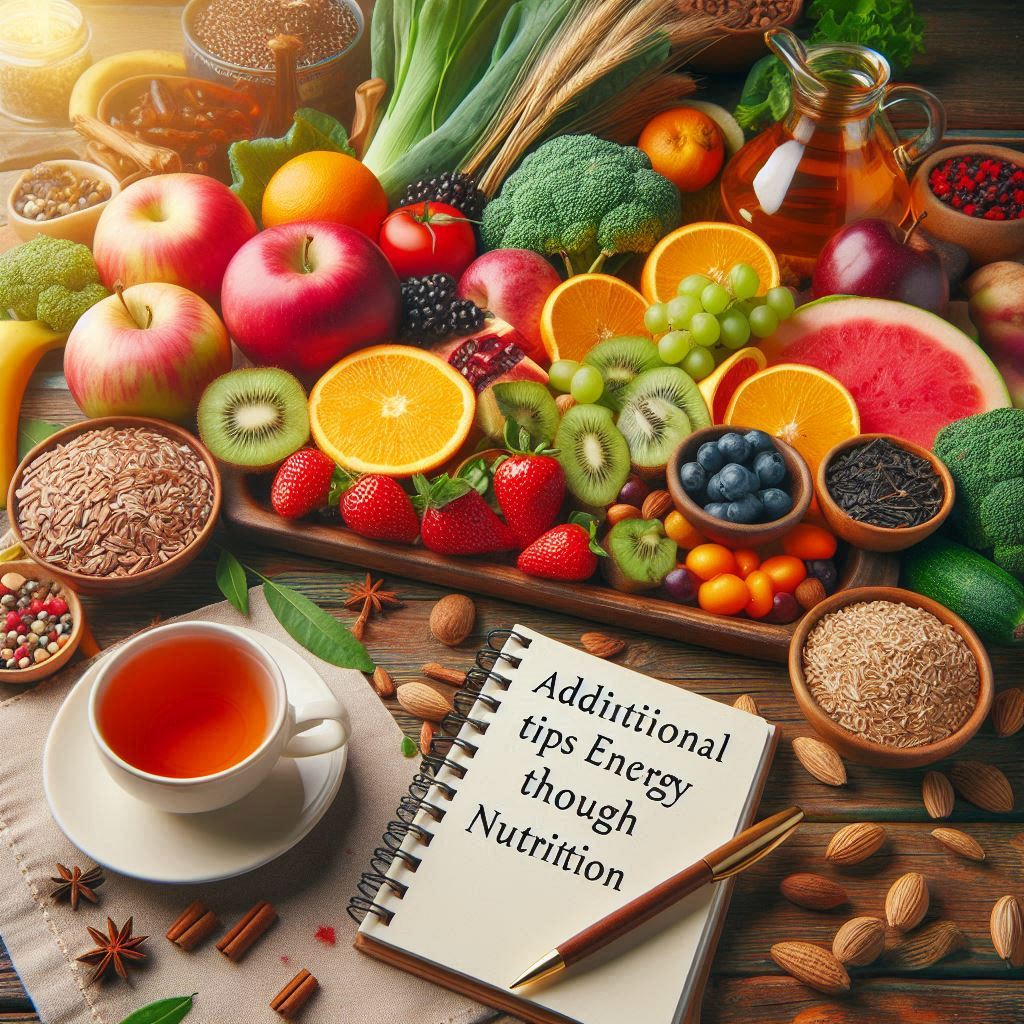
Additional Tips to Boost Energy Through Nutrition:
1. Eat plenty of vegetables and fruits rich in natural fiber.
2. Drink enough water and fluids.
3. Try a balanced breakfast that includes complex carbohydrates, protein, and healthy fats.
4. Avoid excessive caffeine or sugar to prevent energy dips after a temporary peak.
Boosting energy levels through nutrition depends on careful food choices, balanced nutrients, and avoiding foods that lower energy. By incorporating complex carbohydrates, proteins, healthy fats, vitamins and minerals, and water into your daily diet, you can maintain sustained energy throughout the day in a natural and safe way. Smart nutrition is not just a way to stay active, but also a long-term investment in your overall health and daily vitality.
At Nutrition Travels, we provide all the practical information and tips on healthy nutrition and ways to enhance vitality and activity, making smart nutrition not only a way to stay active but also a long-term investment in your overall health and daily energy.