
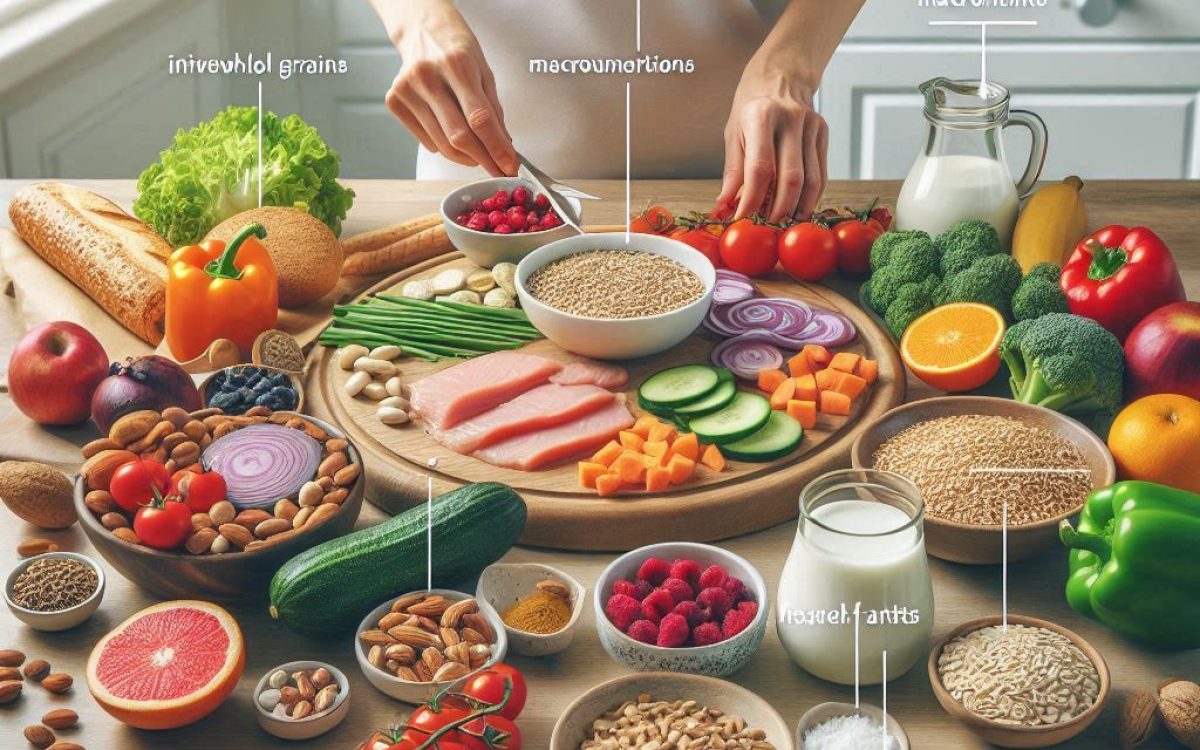
Eating well is not just about choosing healthy foods—it’s about understanding what your body truly needs. Nutrition is made up of two essential categories: macronutrients and micronutrients. Both are vital for energy, growth, and overall health, but they serve very different roles. In this guide, we’ll break down everything you need to know about these nutrients, why they matter, and how to get the right balance in your daily diet.

What Are Macronutrients?
Macronutrients are nutrients the body needs in large amounts. They provide energy and support essential bodily functions. The main macronutrients are: carbohydrates, proteins, fats, and water.
- Carbohydrates – Your Body’s Energy Source
Carbs are the body’s preferred fuel. They break down into glucose, which powers your brain, muscles, and organs. Choosing complex carbohydrates—like oats, whole grains, vegetables, and legumes—provides sustained energy, while simple sugars, found in candies and sodas, give quick bursts of energy but may lead to crashes and energy dips.
Carbs are also important for digestive health due to their fiber content. For example, whole grains and fruits support gut health, reduce cholesterol, and stabilize blood sugar levels. Balancing carbs with protein and healthy fats can help maintain steady energy throughout the day.
- Proteins – Building and Repairing Your Body
Proteins are made of amino acids and are essential for repairing tissues, building muscles, and producing enzymes and hormones. Adequate protein intake strengthens immunity, supports metabolic health, and helps maintain lean muscle mass.
Good sources include lean meats, poultry, fish, eggs, dairy, legumes, tofu, and nuts. Combining different protein sources ensures you get all essential amino acids, especially for vegetarians and vegans. For athletes, protein timing—like consuming protein after a workout—can enhance recovery and muscle growth.

What Are Micronutrients?
Micronutrients are nutrients your body needs in smaller amounts, yet they are essential for life. They include vitamins and minerals, which regulate body processes, support growth, and prevent deficiencies.
- Vitamins – The Body’s Regulators
Vitamins are organic compounds divided into water-soluble (B-complex, C) and fat-soluble (A, D, E, K). They support immunity, vision, skin health, energy production, and more.
- Vitamin C boosts immunity, acts as an antioxidant, and aids in collagen production.
- Vitamin D supports calcium absorption, bone strength, and immune function.
- Vitamin A is essential for vision, skin health, and cellular growth.
A deficiency in vitamins can lead to fatigue, weakened immunity, and chronic health problems, making it crucial to get adequate amounts through a varied diet or supplements if necessary.
- Minerals – Building Strong Foundations
Minerals are inorganic elements necessary for numerous bodily functions. Examples include:
- Calcium: Builds strong bones and teeth.
- Iron: Supports red blood cell function and energy.
- Magnesium: Helps with muscle relaxation, nerve function, and energy production.
- Zinc: Enhances immunity, wound healing, and protein synthesis.
Even though the body needs minerals in small amounts, deficiencies can cause serious health issues such as anemia, poor bone health, or impaired immune function.

Why Both Macronutrients and Micronutrients Matter
Macronutrients provide the energy and structure, while micronutrients help your body use them efficiently. For example:
- B-vitamins help convert carbs into usable energy.
- Vitamin D ensures calcium strengthens bones.
- Iron is required for hemoglobin to carry oxygen for energy.
Ignoring either can affect energy, mental focus, immune function, and long-term health. Balancing both ensures optimal physical performance, cognitive ability, and disease prevention.

Practical Tips to Balance Your Diet
Creating a diet that covers both nutrient types doesn’t have to be complicated. Here’s a simple guide:
- Fill Half Your Plate with Vegetables and Fruits – Provides vitamins, minerals, and antioxidants.
- Include Lean Proteins – Supports muscle repair, growth, and satiety.
- Add Whole Grains – Provides sustained energy and digestive fiber.
- Choose Healthy Fats – Supports brain function, hormone regulation, and absorption of fat-soluble vitamins.
- Stay Hydrated – Water enhances digestion, nutrient transport, and energy.
- Limit Processed Foods and Sugars – These add calories without essential nutrients.
Additionally, meal timing matters. Consuming balanced meals throughout the day maintains steady energy levels, prevents overeating, and supports metabolism.

Sample Daily Plate for Balanced Nutrition
- Breakfast: Oatmeal with berries, a scoop of protein powder, and a handful of nuts.
- Lunch: Grilled chicken, quinoa, and mixed vegetables with olive oil.
- Snack: Greek yogurt with fruit or a small handful of seeds.
- Dinner: Salmon, sweet potato, and steamed broccoli.
- Hydration: 6–8 glasses of water, plus herbal teas if desired.
This approach ensures a healthy mix of macronutrients and micronutrients every day, supporting energy, recovery, and long-term health.

Benefits of Balanced Nutrition
Following a balanced diet has numerous positive effects:
- Steady energy for daily activities and workouts.
- Muscle and bone strength through adequate protein, calcium, and vitamin D.
- Enhanced immunity from vitamins, minerals, and antioxidants.
- Mental clarity and focus from omega-3 fats and complex carbs.
- Reduced risk of chronic diseases, including diabetes, heart disease, and osteoporosis.
- Weight management through satiety from fiber, protein, and healthy fats.
Whether you’re a student, athlete, parent, or senior, paying attention to both macronutrients and micronutrients ensures your unique needs are met efficiently.

Understanding macronutrients vs. micronutrients is more than a nutrition lesson—it’s a practical guide for a healthier life. Macronutrients fuel and build your body, while micronutrients regulate critical processes and prevent deficiencies. By paying attention to both, you ensure that your body functions at its best every day.
Take control of your health today: rethink your meals, include a variety of whole foods, prioritize hydration, and track your nutrient intake. Even small, consistent changes can make a huge difference in your energy, immunity, and overall wellness.
For more expert nutrition tips, meal plans, and practical health advice, visit nutrition travels and start your journey to a healthier life now!