The gut has become one of the most discussed topics in nutrition and wellness. Researchers found that the gut is not just for digesting food, but also a key hub for communication with the immune system and overall well-being. Many people notice digestive issues, bloating, or even persistent fatigue, and the cause may be related to how the gut functions and the health of the bacteria living in it.
Therefore, understanding the link between diet and digestive health is essential, as proper nutrition can naturally strengthen the immune system.
What is Gut Health?
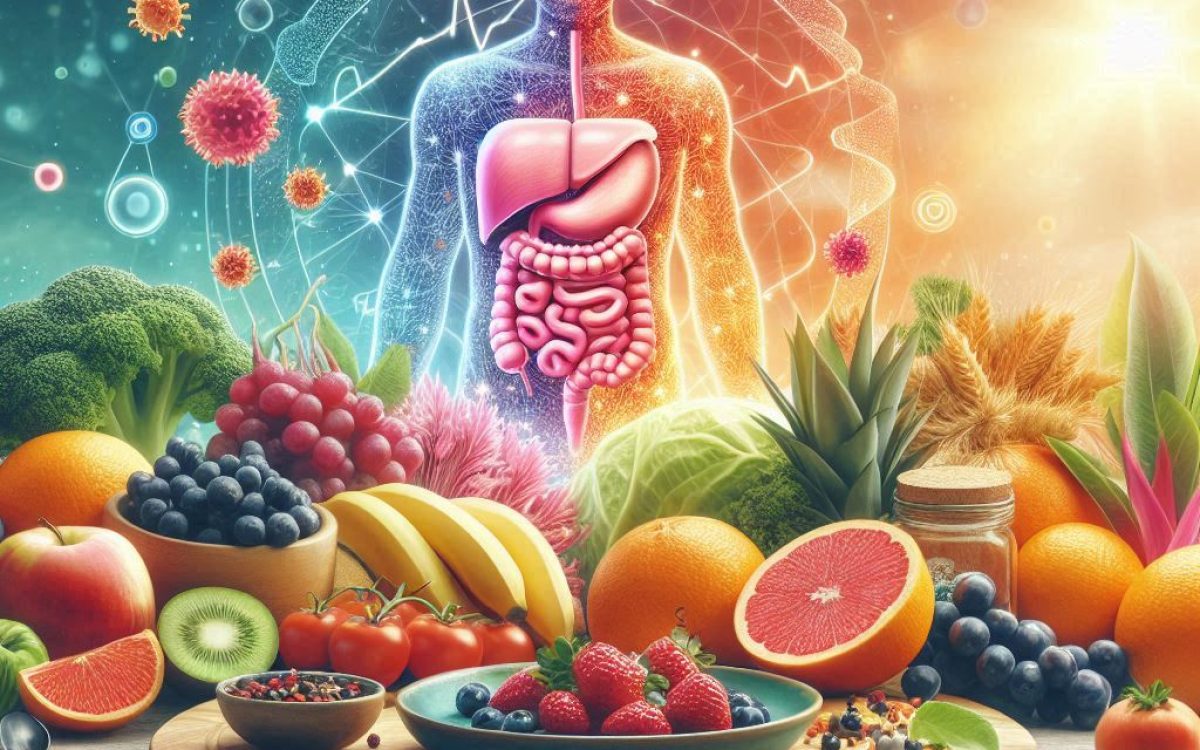
Gut health refers to the optimal functioning of the digestive system, including digestion, nutrient absorption, the balance of beneficial bacteria, and an effective immune response.
The gut microbiome—a complex community of bacteria, viruses, fungi, and other microorganisms—plays a key role in maintaining this balance. A healthy gut supports efficient digestion, protects against harmful pathogens, and helps regulate immune functions.
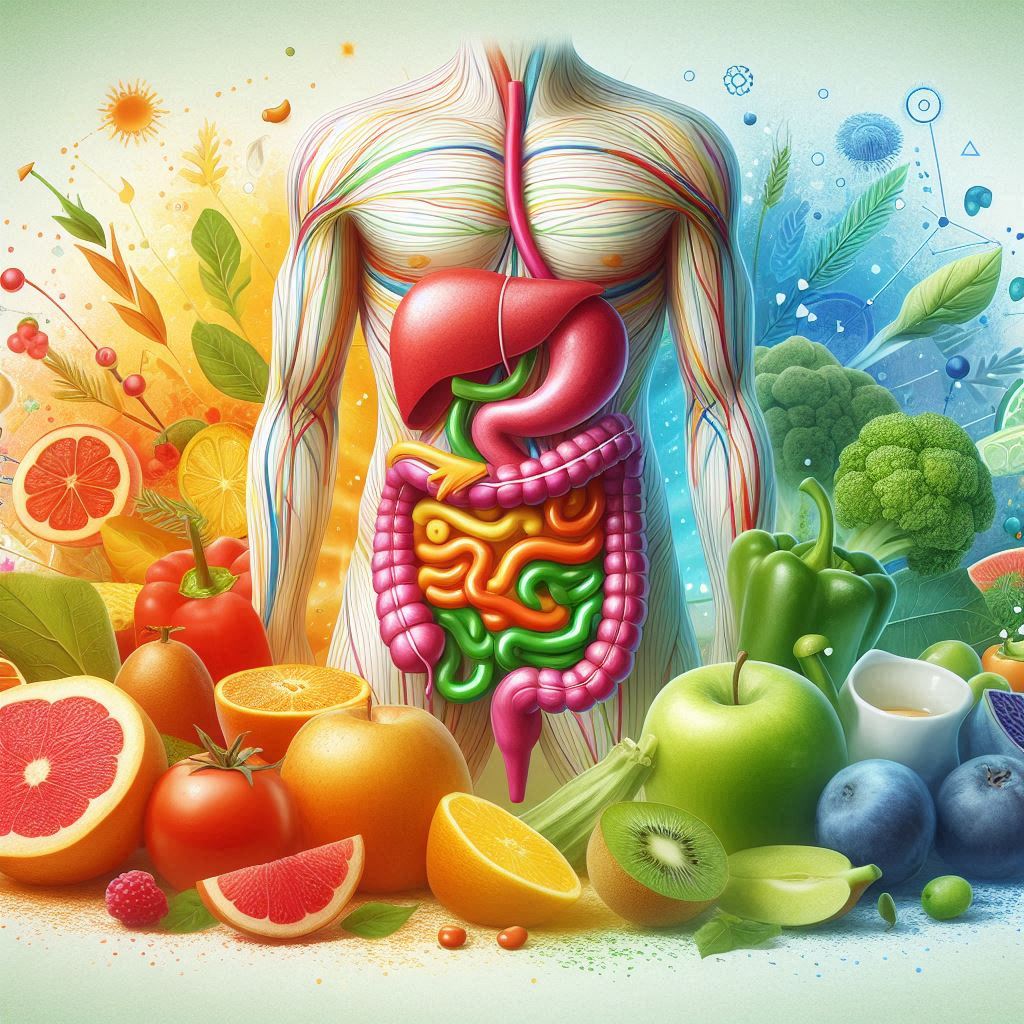
The Relationship Between the Gut and Immunity:
The gut is not just a unit for processing food—it is a complex ecosystem full of bacteria, fungi, and other microorganisms collectively called the gut microbiome. This microbiome helps regulate digestion, nutrient absorption, and immune defense.
When gut health is compromised, the balance between beneficial and harmful bacteria can be disrupted, leading to inflammation, weakened immune response, and increased susceptibility to infections and autoimmune diseases.
The Impact of Diet on Gut Health:
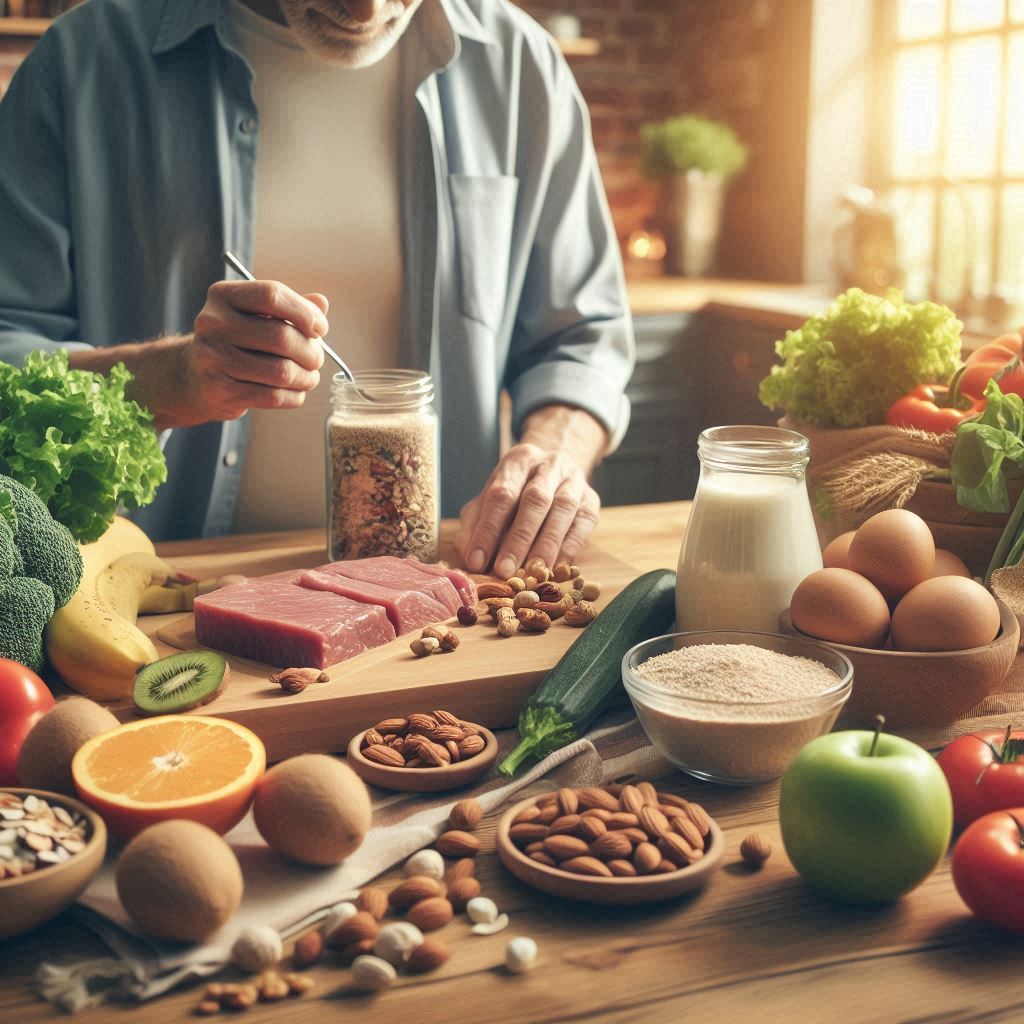
Diet plays a fundamental role in shaping the gut microbiome. Consuming foods rich in fiber, fruits, and vegetables supports the growth of beneficial bacteria, while processed foods and refined sugars promote the growth of harmful bacteria. Key points regarding diet include:
1. Dietary Fiber:
Fiber, found in vegetables, fruits, whole grains, and legumes, serves as the main food for beneficial bacteria. It helps them produce short-chain fatty acids, compounds that support gut health and reduce inflammation.
2. Probiotics:
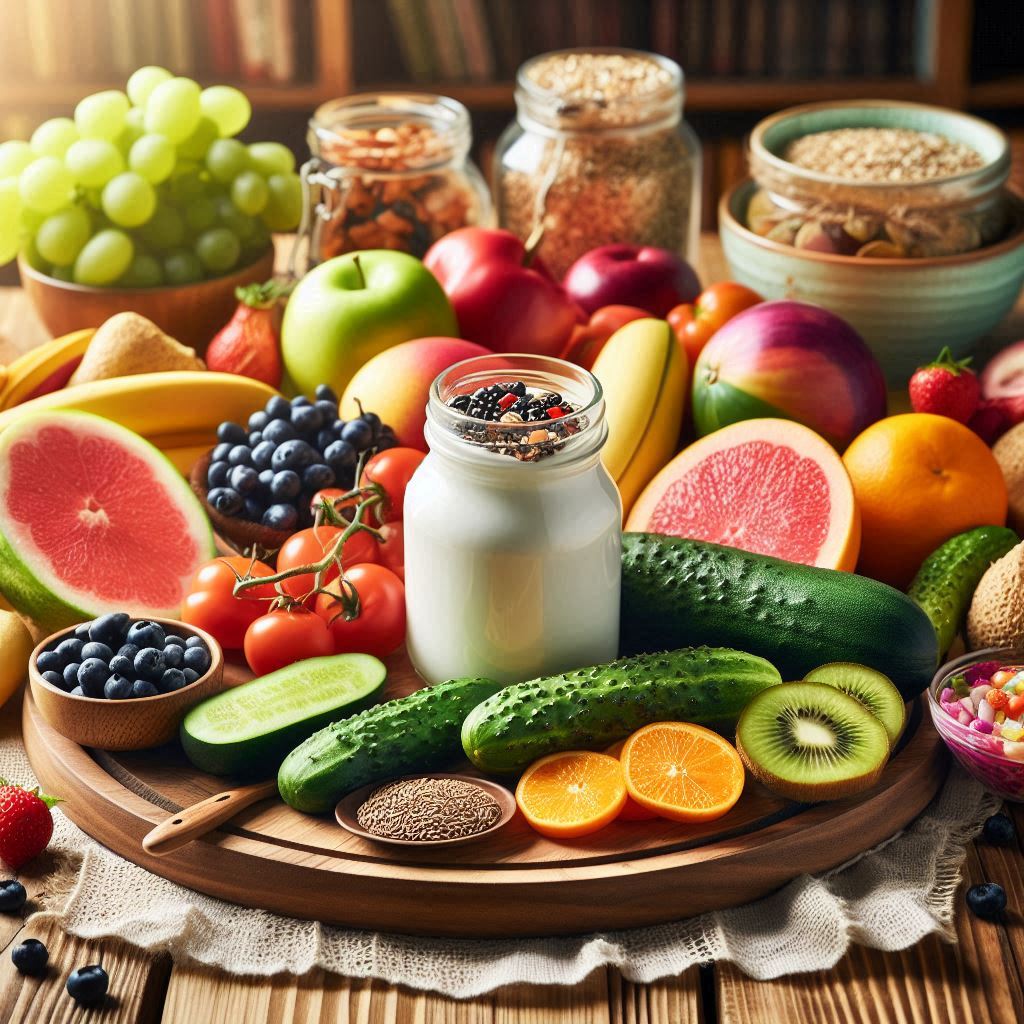
Probiotics are the beneficial bacteria themselves, found in foods such as yogurt, kefir, and fermented pickles. Consuming probiotics helps increase the number of good bacteria and improves microbiome balance.
3. Natural Probiotics:
Fermented foods like kimchi, miso, and certain types of cheese help improve gut health by providing beneficial bacteria that support the immune system.
4. Reducing Sugars and Saturated Fats:
Refined sugars and unhealthy fats promote the growth of harmful bacteria and may lead to chronic inflammation affecting overall health. Maintaining a balanced diet helps naturally support the immune system.
Signs of Poor Gut Health:
It is important to notice any symptoms that may indicate gut imbalance, such as:
- Persistent bloating and gas.
- Chronic constipation or diarrhea.
- Sudden food sensitivities.
- Persistent fatigue and weakened immunity.

Habits That Help Improve Gut Health:
In addition to diet, certain daily habits affect gut health:
1. Regular exercise: Physical activity improves circulation and enhances immune cell activity.
2. Good sleep: Consistent sleep helps promote microbiome health and improve immune response.
3. Stress management: Chronic stress negatively impacts the gut and reduces immune efficiency.
4. Drinking water: Proper hydration supports bowel movement and proper digestion.
5. Avoiding excessive sugar and unhealthy fats: Helps maintain microbiome balance.
Gut health is not just about digestion—it is the key to understanding the link between nutrition and immunity. People interested in their health can support their gut microbiome and strengthen the immune system naturally by following a balanced diet rich in fiber and probiotics while reducing processed foods. Additionally, daily habits such as proper sleep, physical activity, and hydration play a complementary role in maintaining gut and immune health.
In the end, taking care of gut health is a practical step anyone can take. It reflects the impact of smart nutrition on overall health and helps prevent many chronic health issues. For more useful information and nutrition tips, you can follow the latest updates on Nutrition Travels, where we provide reliable and comprehensive content to support your health in an easy and practical way.