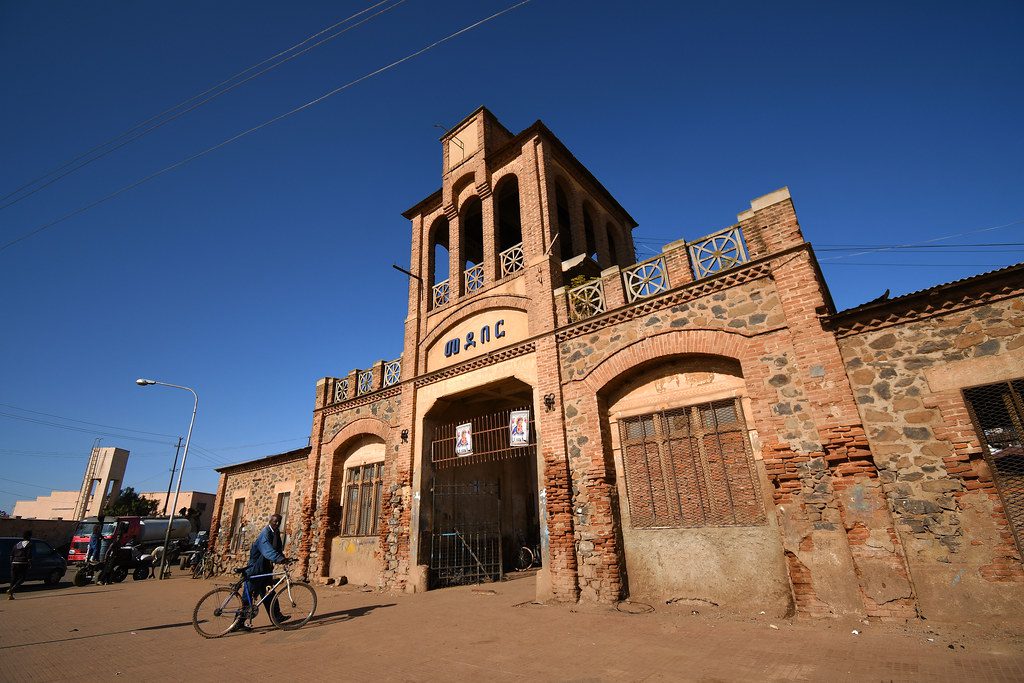
Asmara, the capital of Eritrea, is famously nicknamed the “Little Rome of Africa.” Nestled on the highlands of the Horn of Africa at an altitude of approximately 2,350 meters, the city boasts a moderate climate year-round, making it a perfect destination for travelers seeking culture, history, and architectural beauty. Its unique blend of African culture and Italian colonial heritage earned Asmara a well-deserved spot on UNESCO’s World Heritage list in 2017.
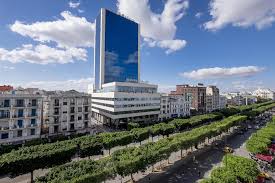
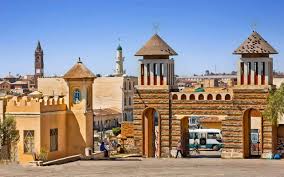
The city’s architecture is its most striking feature. Asmara offers a living museum of early 20th-century modernist architecture, including Futurism, Rationalism, Art Deco, and Cubist styles. Italian architects left an indelible mark during the colonial period (1890–1941), shaping streets, squares, and public buildings that are remarkably well-preserved today.
Architectural Highlights
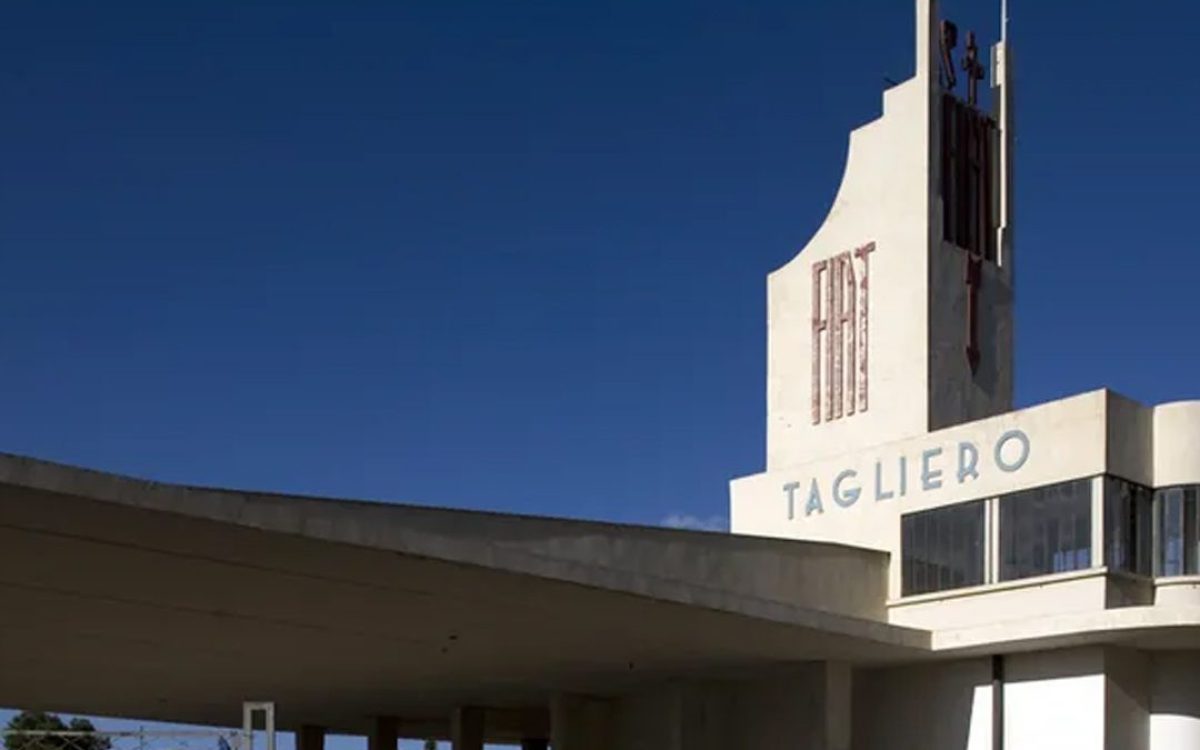
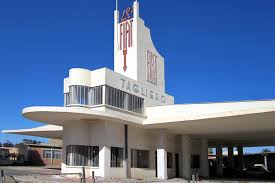
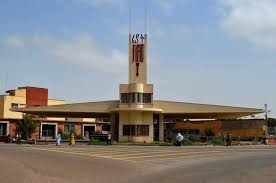
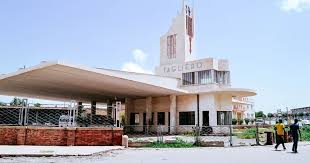
Fiat Tagliero Building: This former gas station is an iconic example of Futurist architecture. Its wings extend like an airplane ready for takeoff, offering visitors a chance to witness one of the world’s most extraordinary early modernist buildings.
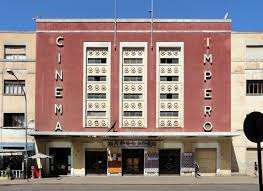
Cinema Impero: A shining example of Art Deco design, this cinema remains one of the finest in the world. Its symmetrical façade and geometric detailing make it a must-visit landmark for architecture lovers.
Hotel Africa: This cubist-inspired hotel embodies the bold modernist style of early 20th-century Italian architecture.
Asmara Opera House: A historic cultural venue showcasing unique architectural details, although currently closed to the public.
Our Lady of the Rosary Cathedral: A beautiful Catholic church with a Romanesque design, offering a serene spiritual atmosphere.
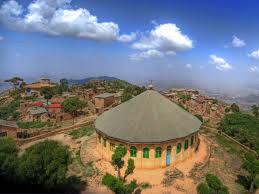
Enda Mariam Orthodox Cathedral: An important religious site blending multiple architectural styles, reflecting Eritrea’s cultural diversity.
Mosque of Al-Khalifa Al-Rashideen: A symbol of religious coexistence, highlighting Islamic architectural influences in the city.
Tank Graveyard & Keren War Cemetery: Historical sites commemorating Eritrea’s military history and offering unique photographic opportunities.
Streets, Markets, and Local Life
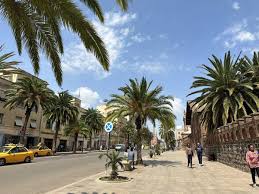
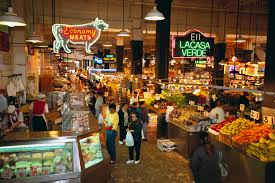
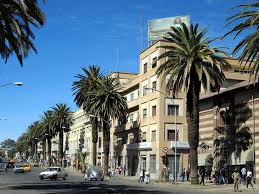
Harnet Avenue (Liberation Avenue): Asmara’s main street, lined with cafés, shops, and iconic buildings, serves as the heartbeat of the city. Walking here allows visitors to fully immerse themselves in the blend of Italian and Eritrean culture.
Medebar Market: A bustling local market where travelers can explore vibrant stalls selling spices, textiles, handmade crafts, and unique local products.
Central Market & Grain Market: Perfect spots for purchasing fresh fruits, vegetables, and traditional Eritrean coffee. Exploring these markets offers a glimpse into daily life in Asmara.
Asmara’s streets are pedestrian-friendly and ideal for photography enthusiasts, offering countless opportunities to capture stunning architectural details, lively markets, and the subtle blend of colonial and African aesthetics.
Why Visit Asmara?
- Architectural Marvels: From Futurist buildings to Art Deco cinemas, Asmara is an open-air museum of 20th-century Italian architecture.
- UNESCO World Heritage City: Recognized for its unique urban planning and preservation of colonial-era structures.
- Cultural Fusion: Italian and Eritrean influences merge in cuisine, cafés, and everyday life, providing a unique cultural experience.
- Moderate Climate: Its elevated location ensures pleasant temperatures year-round, ideal for walking tours.
- Peaceful Environment: Asmara is known for its cleanliness, safety, and calm atmosphere.

Nearby Attractions for Day Trips
- Massawa: A historic port city on the Red Sea, featuring Ottoman and Portuguese influences.
- Keren: Known for its markets and rich history, ideal for a cultural excursion.
- Dahlak Marine National Park: A paradise for nature lovers and divers seeking pristine coral reefs and beaches.
- Debre Bizen Monastery & Surrounding Highlands: Explore Eritrea’s spiritual heritage and stunning landscapes.
Travel Tips for Visiting Asmara
- Visa Requirements: Most travelers require a visa prior to arrival. Some nationalities, such as Sudanese, may obtain a visa on arrival.
- Safety: The city is generally safe, but avoid walking alone at night for personal security.
- Money: Cash is essential, as credit cards are rarely accepted. The US dollar is widely used.
- Transportation: Walking is the best way to explore the city’s architecture, but taxis are available for longer trips.
- Language: Tigrinya is the primary language, though English, Arabic, and Italian are commonly understood.
Cultural Experiences
- Coffee Ceremonies: Eritrean coffee culture is an experience not to miss. Visit a local café or participate in a traditional ceremony.
- Culinary Delights: Sample Eritrean cuisine at local eateries or Italian-influenced restaurants.
- Festivals and Events: Engage with local celebrations to understand Asmara’s rich cultural tapestry.
Best Photography Spots
- Harnet Avenue: Capture the bustling life and colonial façades.
- Fiat Tagliero Building: Perfect for dramatic shots of modernist architecture.
- Cinema Impero: Elegant geometric lines provide iconic compositions.
- Our Lady of the Rosary Cathedral & Enda Mariam Cathedral: Beautiful interiors and exteriors for architectural photography.
- Local Markets: Colorful stalls and dynamic street scenes offer vibrant photo opportunities.
Planning Your Trip
- Flights: Round-trip flights from major cities in Africa or the Middle East start around $500–$900, depending on season and booking platform.
- Accommodation: Prices vary from budget hostels to mid-range hotels and unique boutique stays.
- Budget: Daily expenses, including food and transport, can range from $20–50 per person.
For an affordable visit, plan to travel midweek, book flights early, and explore local markets for budget-friendly meals and souvenirs.
Asmara is more than a city—it’s a living testament to Eritrea’s history, Italian colonial heritage, and African identity. From its Art Deco cinemas and Futurist buildings to vibrant markets and peaceful streets, it offers an unforgettable experience for travelers seeking culture, architecture, and authenticity.
Start your journey now! Visit Nutrition Travels to plan your Asmara adventure, discover insider tips, and make the most of your trip to the “Little Rome of Africa.” Explore, photograph, and fall in love with this unique African gem!