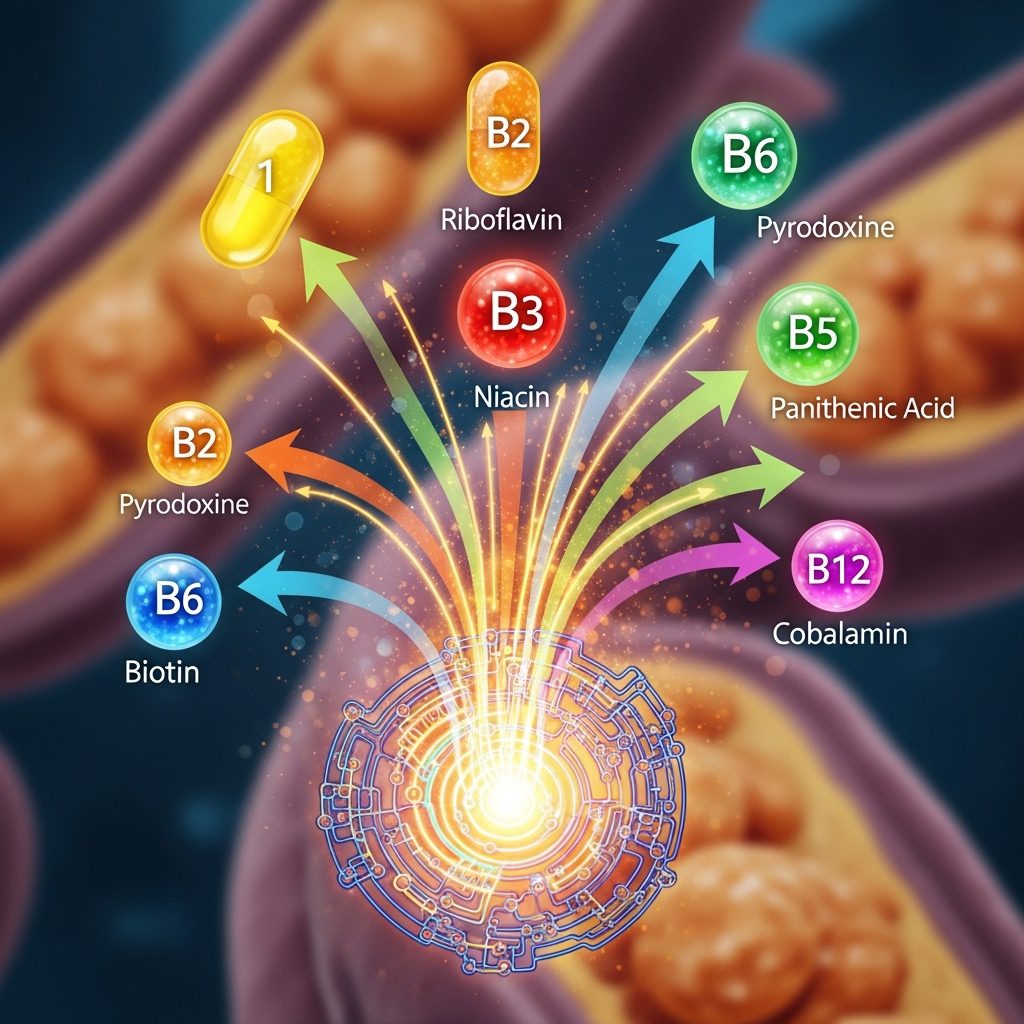

Balancing blood sugar isn’t just a health recommendation… it’s the key to stable energy, a steady mood, and the ability to focus without experiencing sudden crashes, intense hunger, or dips in productivity.
Most people go through daily energy fluctuations without realizing the real cause: poor blood sugar balance from the very first meal of the day until the last.
In this first part of the article, we’ll understand what real balance means, why blood sugar rises and falls, and how every meal and daily habit directly affects your energy levels.
What Does It Mean to Balance Blood Sugar?
Before talking about the steps, we need to understand the basics:
Blood sugar is the body’s main source of energy, where glucose is converted into fuel.
The issue isn’t sugar itself… it’s the spike and crash.
When blood sugar rises quickly, the pancreas releases insulin fast, followed by a sharp drop.
These fluctuations cause:
-
- Sudden hunger
- Headaches
- Dizziness
- Fatigue
- Sugar cravings
- Irritability or anxiety
Over time, poor blood sugar balance can lead to weight gain and unstable energy levels.

Why Does Blood Sugar Fluctuate During the Day?
These fluctuations often come from simple daily habits—but their impact is huge.
1) High-sugar breakfasts :
Many people start their day with cereal, pancakes, or fruit juice.
These spike blood sugar quickly and create the first “peak and crash” of the day, making your body start the morning stressed instead of stable.
2) Relying on caffeine instead of real food :
If the first thing you consume is coffee on an empty stomach, your body receives it as a shock.
Cortisol rises, which disrupts blood sugar balance.
3) Meals made of only carbs with no protein or fat :
Bread alone, pasta alone, or potatoes without additions… all cause very fast blood sugar spikes.
4) Delaying meals until extreme hunger hits :
When you reach intense hunger, your body thinks it’s in “emergency mode,” so it stores fat and demands sugar.
Start Your Morning Right: Protein First
A crucial rule in blood sugar balancing:
Always start breakfast with protein Why?
Protein calms the body, reduces sugar cravings throughout the day, and prevents that “I’m hungry again” feeling two hours after breakfast.
Examples of balanced breakfasts:
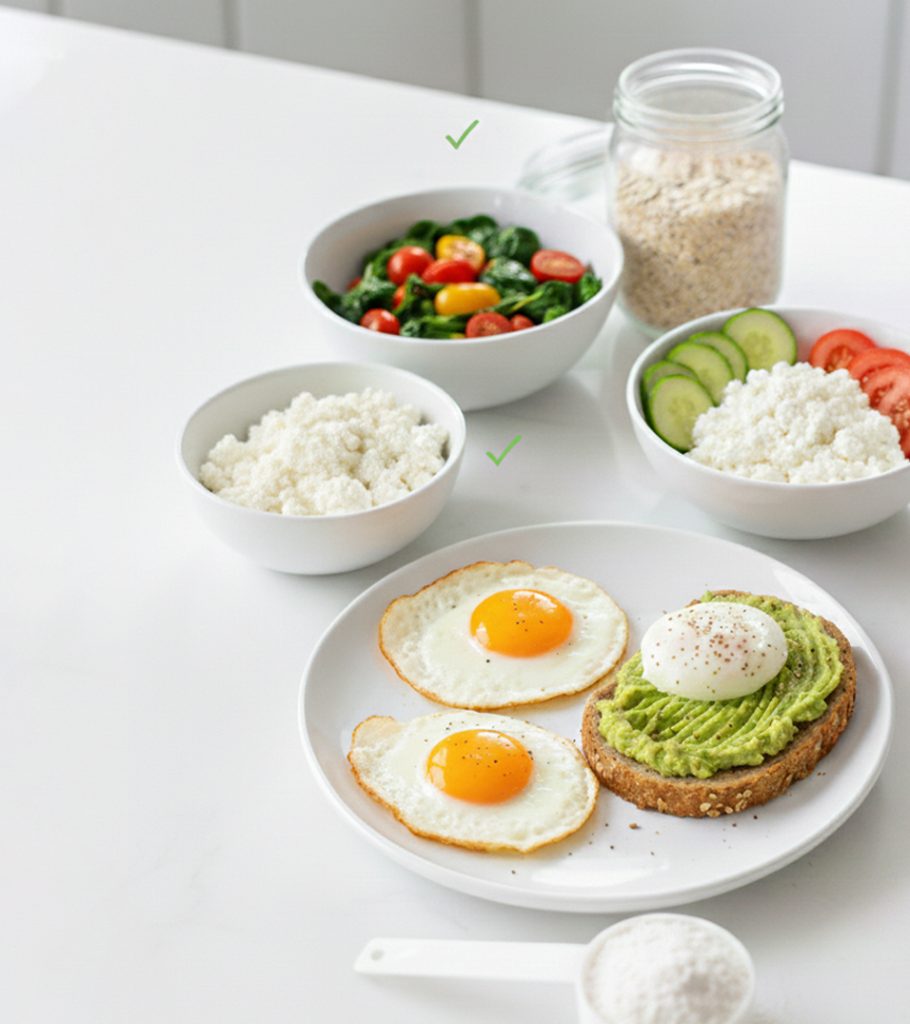
- 2 eggs + sautéed vegetables
- Cottage cheese + tomatoes and cucumber
- Whole-grain toast + avocado + egg
- Oats + protein powder
Just fixing breakfast can improve nearly 50% of your energy stability.
The Golden Rule: Fiber Before Carbs
The strongest principle in balancing blood sugar
Eating vegetables first before any starch dramatically reduces blood sugar spikes.
Fiber forms a natural barrier that slows glucose absorption from the stomach into the bloodstream.
For example:
-
- Before eating pasta… have a small salad.
- Before rice… eat cucumber or lettuce.
- Before fruit… eat 3 spoonfuls of oats or seeds.
This rule alone can significantly reduce sugar spikes.
Daily Sequence for Balanced Blood Sugar
To maintain stable energy from morning to night, follow this structure:
- Water + protein at the start of your meal
- Fiber or salad before carbohydrates
- 3–4 meals without reaching extreme hunger
- Healthy snacks between meals if needed
- Reduce white sugar as much as possible
These steps create the foundation for a stable, energized day.

How to Balance Blood Sugar for Stable Energy All Day Long (Part Two)
In part one, we covered the science and key daily habits affecting energy stability.
In part two, we’ll focus on deeper practices and practical tools that help you truly balance blood sugar whether you’re at home, at work, or on the go.
Walking After Meals: The Fastest Way to Balance Blood Sugar Without Restriction
If there’s one habit that will transform your energy… it’s this one.
Walking for 10–15 minutes after a meal can reduce blood sugar spikes by up to 30%.
Why is movement so effective?
Because your muscles work like a “sponge,” absorbing glucose from the blood without requiring extra insulin. This helps you:
-
- Feel fuller for longer
- Maintain steady energy
- Improve fat burning
- Sleep better at night
Whether you walk around the house, take a quick stroll outside, or tidy up after lunch… movement after meals is a core part of blood sugar balance.

Healthy Fats: A Key Player in Balancing Blood Sugar
Fats aren’t the enemy—on the contrary, they help stabilize sugar absorption.
Examples of healthy fats:
-
- Avocado
- Olive oil
- Nuts
- Chia seeds
- Almonds
- Tahini
Just adding a spoon of olive oil to your salad or a slice of avocado to your toast can make a big difference in post-meal blood sugar balance.
Choose Smart Carbs Instead of Restricting
You don’t need to avoid carbs—what you need is to choose the right kind.
Complex carbs digest slowly and provide steady energy:
-
- Oats
- Brown rice
- Quinoa
- Sweet potatoes
- Whole-grain bread
Meanwhile, fast carbs like white sugar, pastries, and juices cause big spikes and crashes that disrupt blood sugar balance.
Simple Rule:
If you crave sweets, eat them after a meal that contains protein and fiber, not on an empty stomach.
Sleep & Stress Management: The Hidden Foundation of Blood Sugar Balance
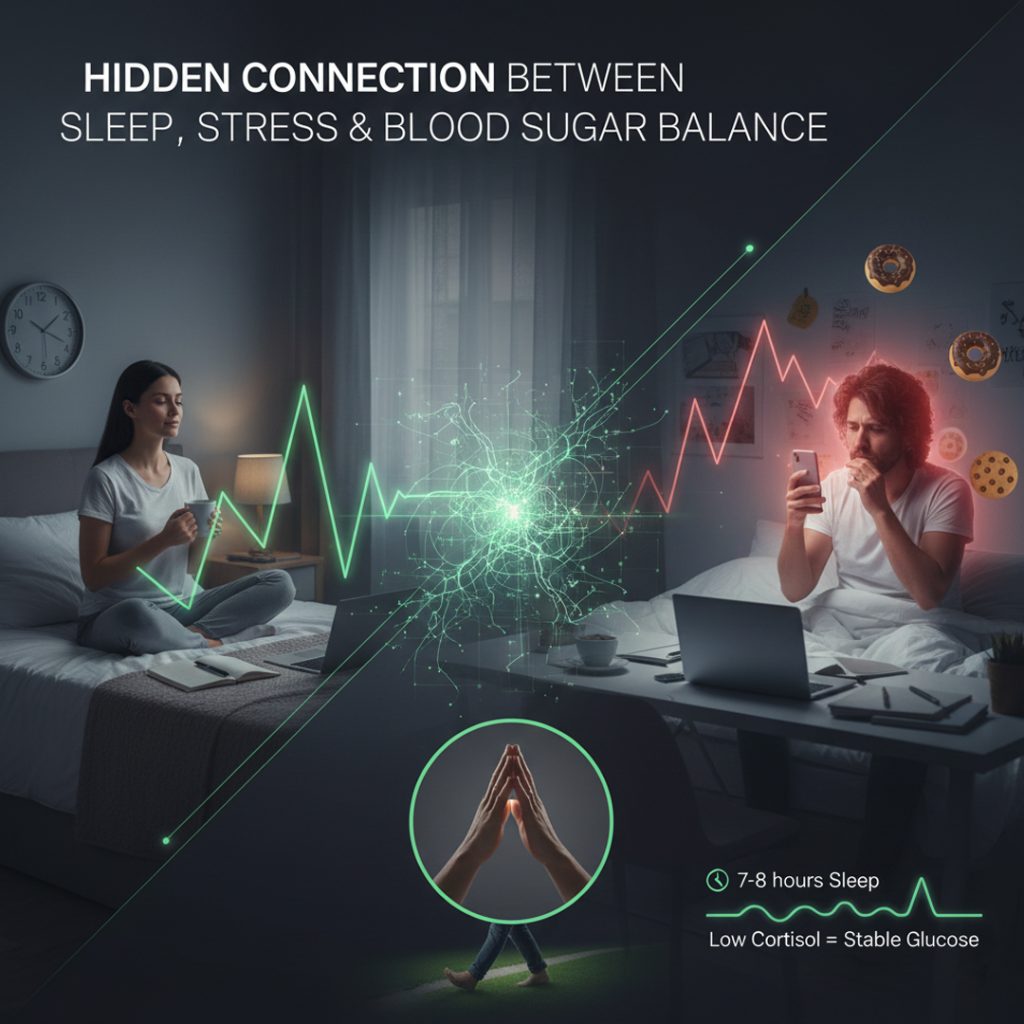
People often think blood sugar is only about food, but sleep and stress play a major role.
What does lack of sleep do?
- Increases hunger hormones
- Reduces insulin sensitivity
- Raises sugar cravings
- Lowers next-day energy
To maintain blood sugar stability, sleep 7–8 hours and avoid screens one hour before bed.
And stress? The silent disruptor
Stress boosts cortisol, which raises glucose levels even if you didn’t eat anything.
Simple solutions:
- 3 minutes of deep breathing
- Light walking
- Quick to-do list journaling
- Herbal tea
Practical Tools for Balancing Blood Sugar Daily
- Make half your plate vegetables
- Never start a meal with carbs
- Drink enough water
- Walk after meals
- Spread meals throughout the day
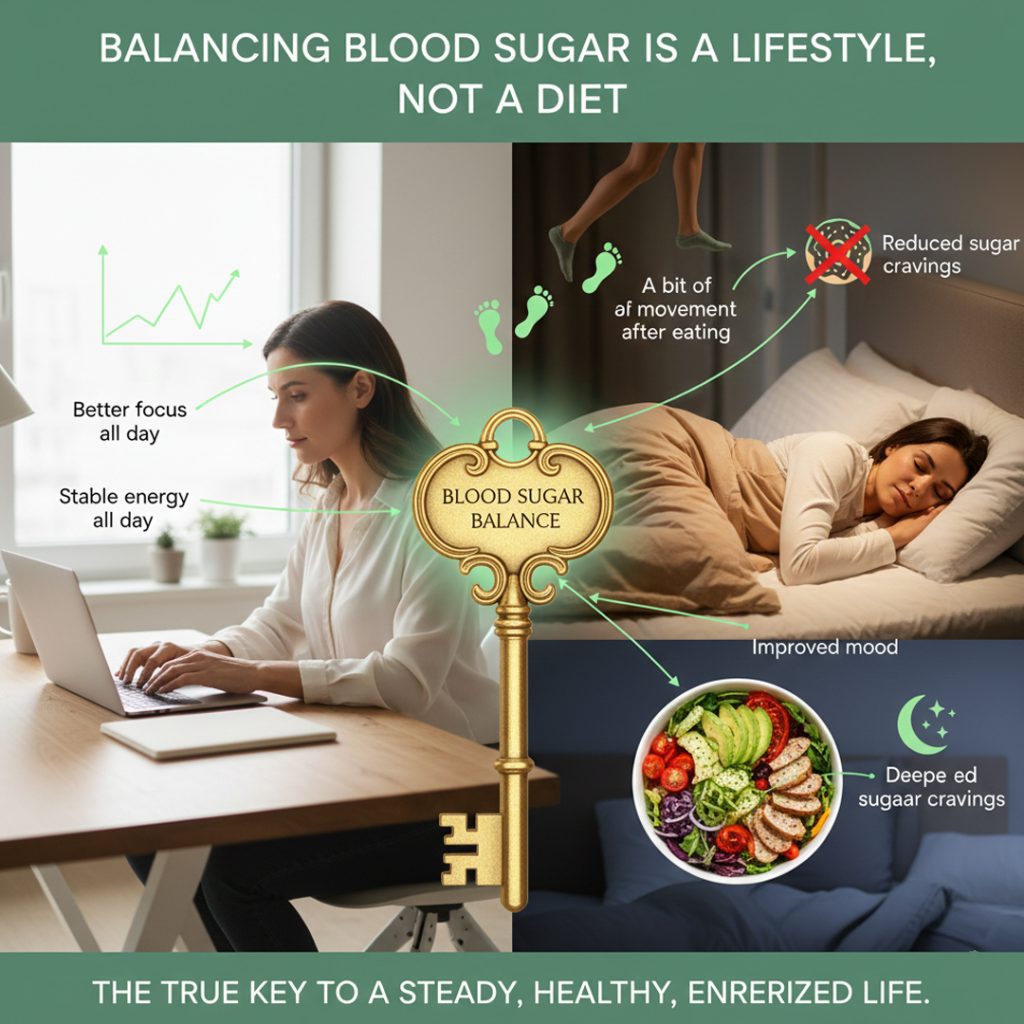
Balancing Blood Sugar Is a Lifestyle, Not a Diet
You don’t need deprivation or strict calorie counting.
Just smart steps, better sequencing of meals, and a bit of movement after eating—and you’ll feel the difference:
-
- Better focus
- Stable energy all day
- Deeper sleep
- Reduced sugar cravings
- Improved mood
Balancing blood sugar is the true key to a steady, healthy, energized life.
Begin Your Journey to Better Health
If you want to keep learning about nutrition in a simple, practical way—and explore more articles that link food, wellness, and travel—visit our website nutritiontravels.
You’ll find content that helps you live with more energy, smarter choices, and a lifestyle that harmonizes health with adventure.
Start here… your journey is worth it!