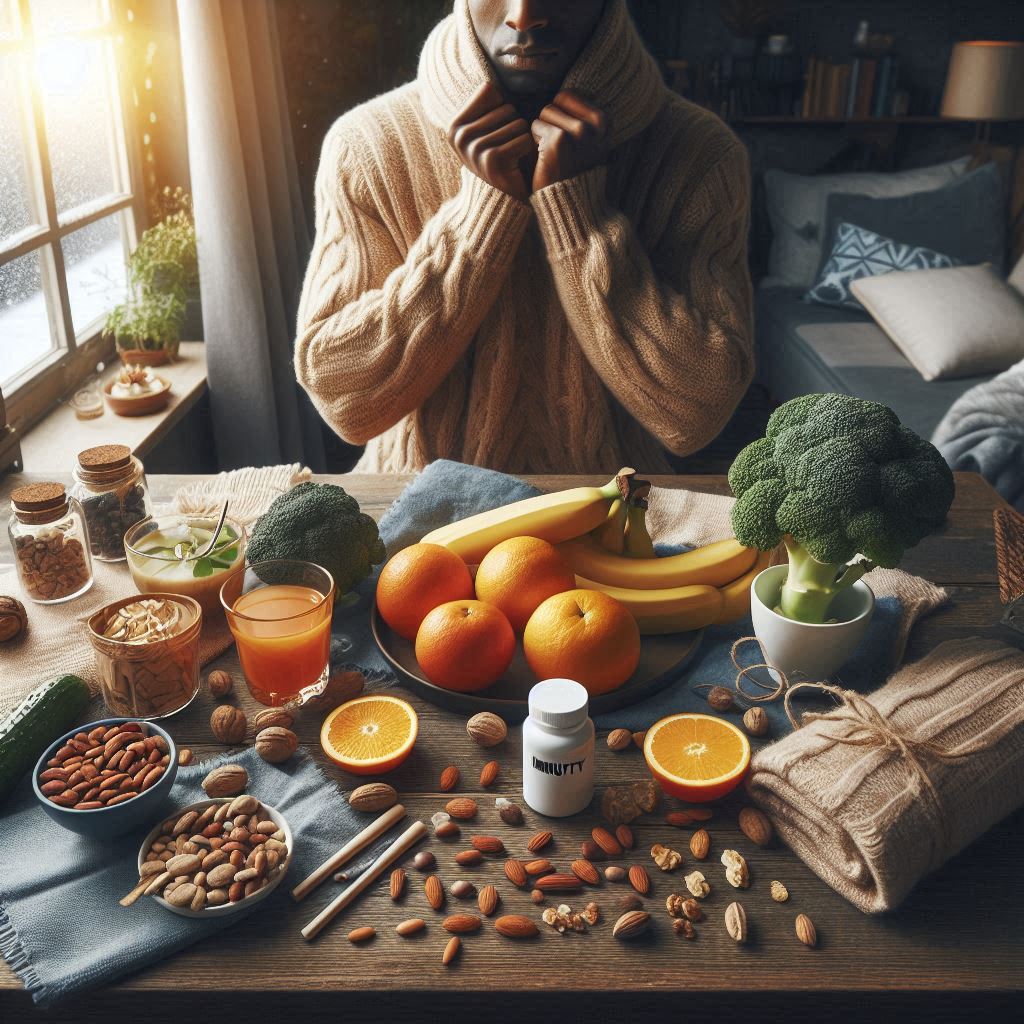
With the arrival of winter, the human body faces greater health challenges, especially with the increased risk of colds, flu, and other seasonal infections. Supporting your immune system is essential, and zinc for immunity is one of the key nutrients that nutrition experts highlight to keep you healthy during this season.

What is Zinc and Why Zinc for Immunity Matters?
Zinc is a rare mineral and an antioxidant that supports immune function. It may also help promote wound healing and support the senses of taste and smell, among other benefits. Beyond supporting the immune system, zinc enables the body to produce proteins and DNA and plays a role in the growth and development of children.
Why is Zinc More Important in Winter?
Winter usually means:
- Lower temperatures, which increase the body’s exposure to viruses.
- Less exposure to sunlight, leading to a deficiency in vitamin D, which complements zinc in supporting immunity.
- Consuming less diverse foods, often rich in empty calories instead of nutrient-dense options.
All of these factors make supporting immunity through minerals and vitamins more crucial, and zinc is one of the key pillars for this purpose.
Natural Sources of Zinc for Immunity:
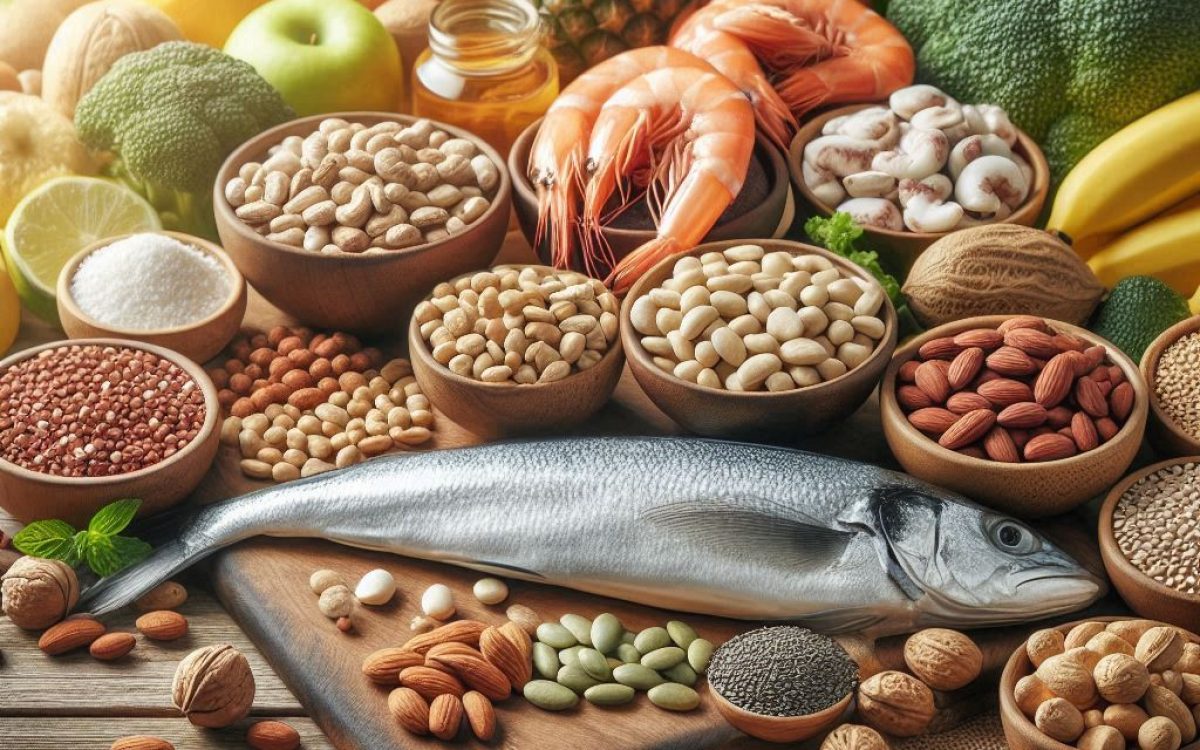
One of the best ways to ensure you get enough zinc is to follow a healthy diet. Fortunately, zinc is present in many foods, making it relatively easy to add more to your meals. The best sources of zinc include:
1. Meat and Poultry: Beef, lamb, and chicken are rich in zinc.
2. Seafood: Oysters and crab are among the most important sources of zinc.
3. Nuts and Seeds: Pumpkin seeds, cashews, and sunflower seeds are excellent plant-based sources.
4. Legumes: Lentils, chickpeas, and beans provide a good amount of zinc.
5. Whole Grains: Oats, quinoa, and brown rice contain zinc.
6. Dairy Products: Milk, cheese, and yogurt also provide moderate amounts of zinc.
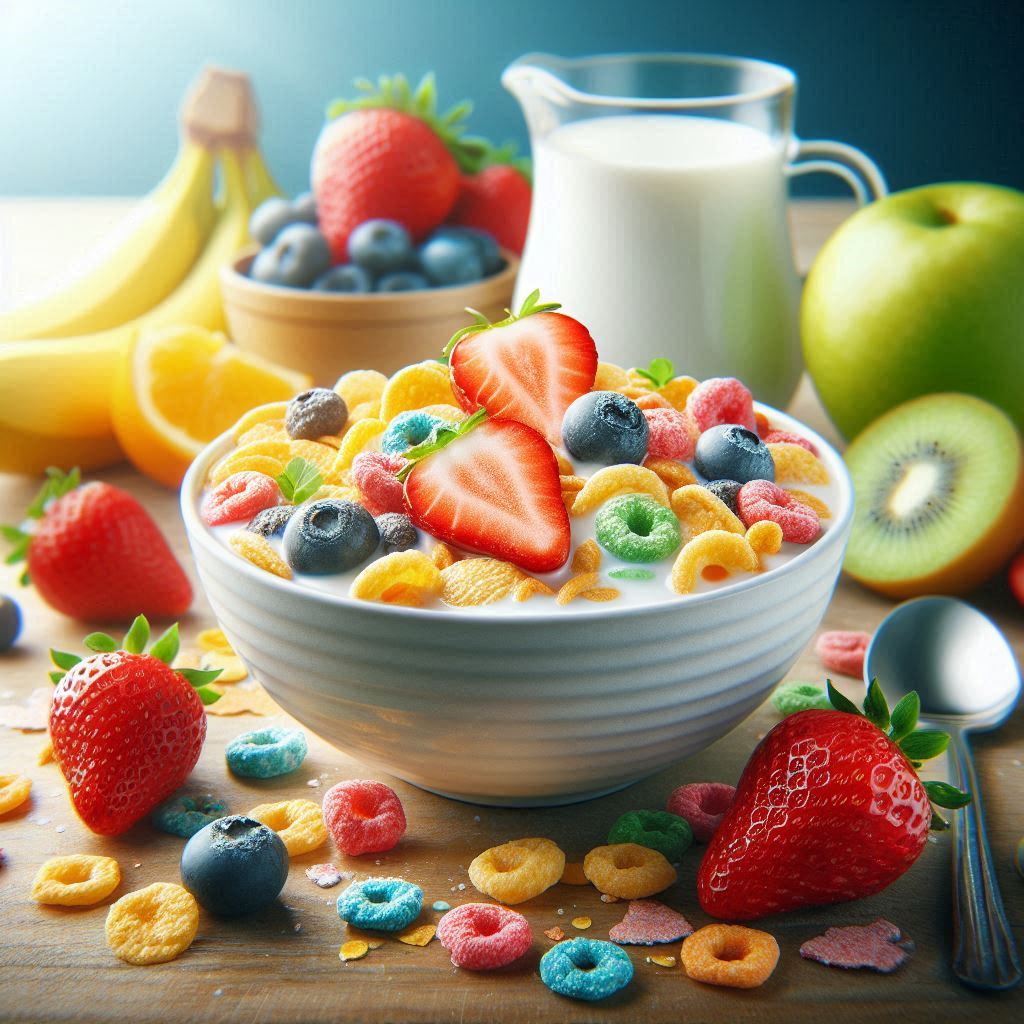
7. Fortified Cereals: Many breakfast cereals are high in zinc, making it an easy way to boost your intake.
Recommended Zinc Dosages:
Zinc needs vary depending on the individual, and a doctor usually prescribes the appropriate dose based on the person’s condition. General guidelines include:
| Age Group | Recommended Dose |
|---|---|
| Adolescents and Adults (Male) | 15 mg/day |
| Adolescents and Adults (Female) | 12 mg/day |
| Pregnant Women | 15 mg/day |
| Lactating Women | 16–19 mg/day |
| Children 4–10 years | 10 mg/day |
| Children 0–3 years | 5–10 mg/day |
It’s important to note that very high doses of zinc can have side effects, such as nausea or digestive disturbances. Therefore, it is best to obtain zinc primarily from food or supplements under professional supervision.
Zinc Supplements: Are They Necessary?
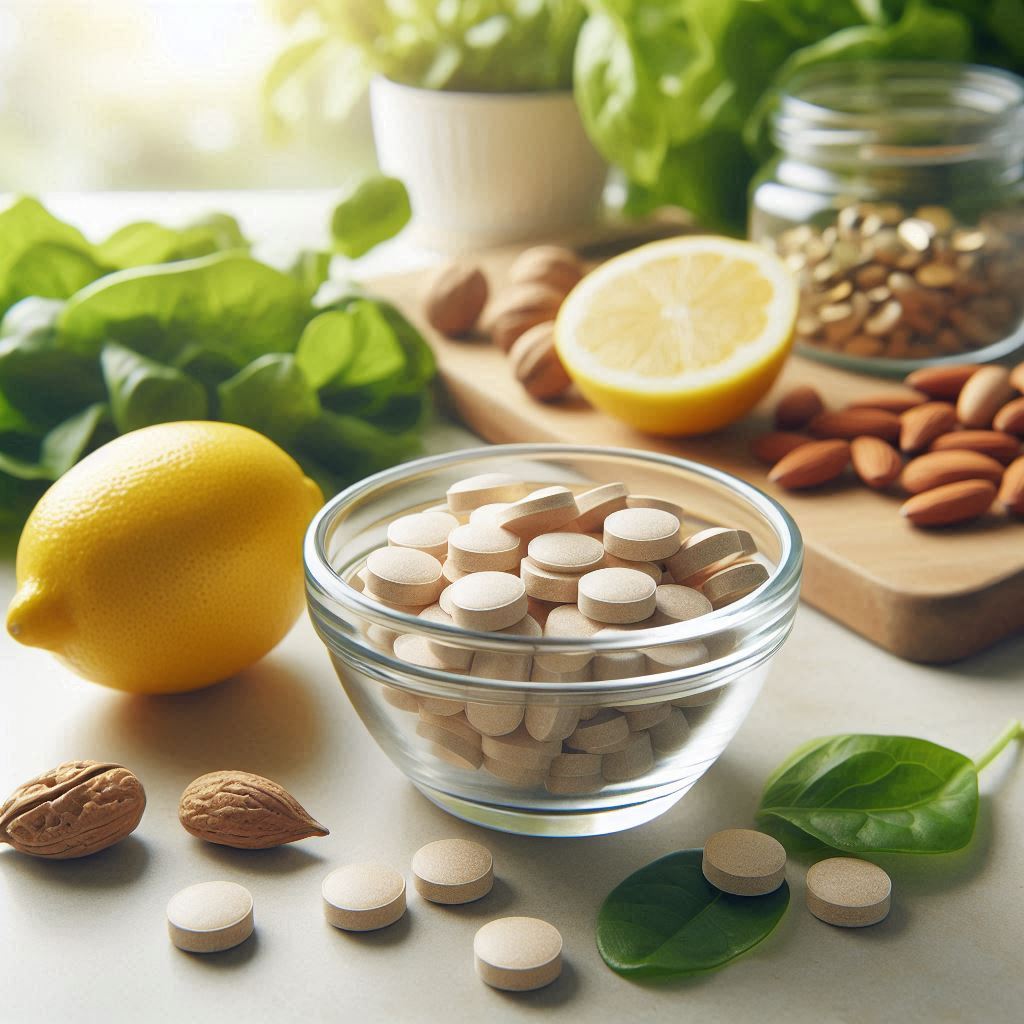
While obtaining nutrients from food is ideal, there are times when zinc supplements may be needed. If you cannot get enough zinc from your diet, or if you experience symptoms of deficiency, a doctor may recommend supplements.
Tips to Maximize Zinc Absorption:
1. Avoid taking zinc with calcium or iron supplements: Calcium and iron can interfere with zinc absorption, so wait at least two hours between taking these minerals.
2. Balanced diet: Combining zinc sources with plant-based or animal protein improves absorption.
3. Monitor early signs of zinc deficiency: Such as loss of appetite, weakened immunity, hair loss, and slow wound healing.
4. Moderate cooking of legumes and grains: Soaking or fermenting them reduces substances that inhibit zinc absorption.

Zinc is not just a simple mineral; it is a key player in supporting the immune system, especially in winter when the body faces increased health challenges. Getting zinc from natural foods and maintaining a balanced diet can help enhance your ability to resist seasonal illnesses and enjoy better overall health. For those interested in nutrition and health, zinc can be considered an essential component of a comprehensive plan to strengthen immunity, focusing on a healthy and balanced lifestyle.
For anyone who wants to learn more about the role of zinc in supporting the immune system and the best ways to obtain it, Nutrition Travels provides reliable and comprehensive information to help you make the right dietary choices for inner health, allowing you to enjoy a winter season with fewer illnesses and more vitality and energy.