
Vitamin C vs Zinc is a common comparison when it comes to boosting immunity. A strong immune system is the body’s first line of defense against diseases and infections. With today’s fast-paced lifestyle and constant stress, many people turn to natural remedies or supplements to protect their health. Both Vitamin C and Zinc are well-known for strengthening immunity and reducing the risk of colds, but the question remains: Which helps more, and which does the body need most?
In this article, we will provide a comprehensive comparison between Vitamin C and Zinc, explaining their benefits, natural sources, and their role in enhancing immunity, as well as reviewing scientific research to discover which one proves more effective.

Vitamin C – The Vitamin of Vitality and Energy:
What is Vitamin C?
Vitamin C, also known as ascorbic acid, is a water-soluble vitamin. The human body cannot store it in large amounts, which means we need to obtain it daily from food or supplements.
Benefits of Vitamin C:
Strengthening the immune system: Stimulates the production of white blood cells that fight infections.
- Powerful antioxidant: Protects the body from free radical damage, which can cause premature aging and chronic diseases.
- Enhancing iron absorption: Especially from plant-based sources, reducing the risk of anemia.
- Skin health: Essential in collagen production, maintaining skin elasticity, and speeding up wound healing.
- Fighting colds: While it doesn’t completely prevent colds, it reduces symptom severity and shortens the duration of illness.

Natural Sources of Vitamin C:
- Citrus fruits (oranges, lemons).
- Strawberries and kiwi.
- Red and green bell peppers.
- Broccoli and spinach.
- Tomatoes.

Zinc – The Essential Mineral for Immunity:
What is Zinc?
Zinc is a trace mineral required by the body in small amounts, yet it plays critical roles in hundreds of enzymatic reactions.
Benefits of Zinc:
Supporting the immune system: Aids in the growth and activation of immune cells.
- Wound healing: Plays a vital role in tissue repair and cell regeneration.
- Taste and smell support: Zinc deficiency may weaken these senses.
- Growth and development: Essential for children and adolescents.
- Fighting colds: Research shows zinc may reduce the duration of colds if taken within the first 24 hours of symptom onset.
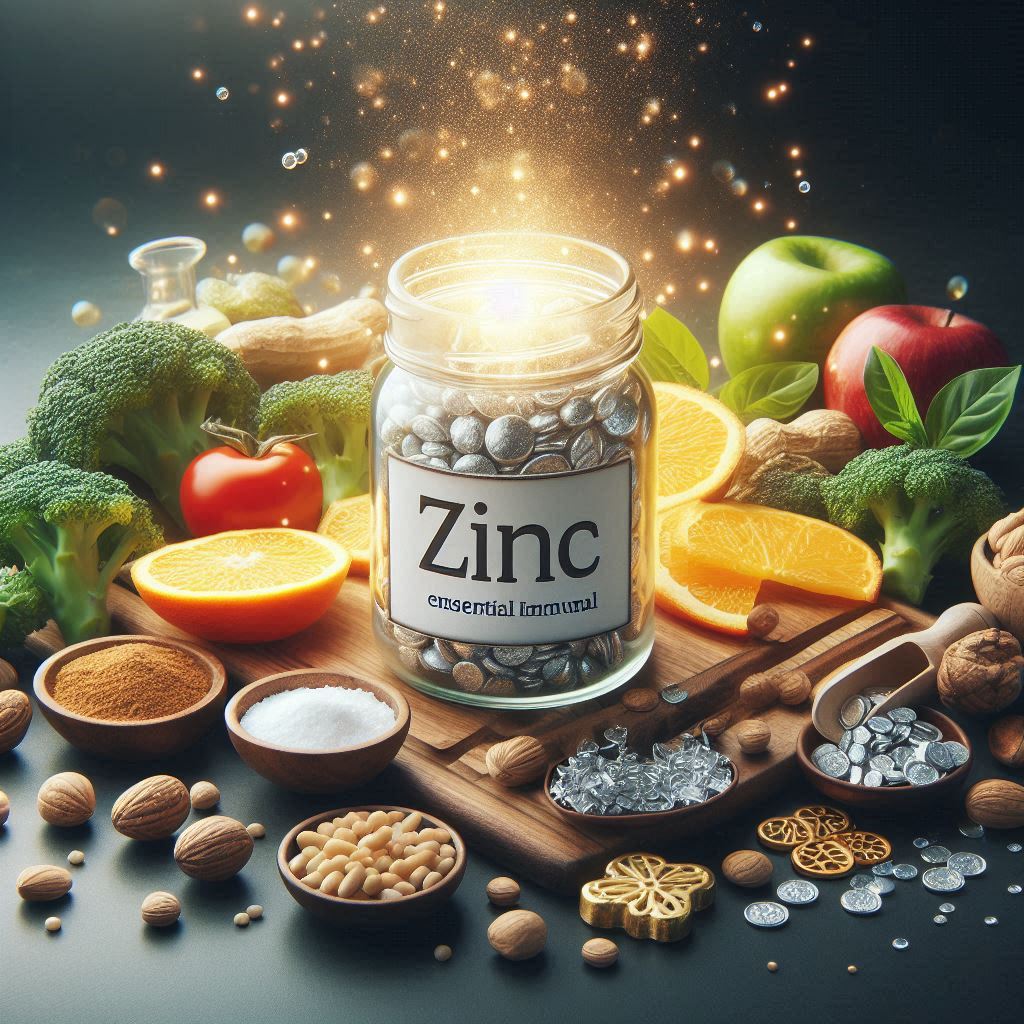
Natural Sources of Zinc:
- Red meat and poultry.
- Seafood such as oysters.
- Nuts and seeds (pumpkin seeds, cashews).
- Legumes (chickpeas, lentils, beans).
- Whole grains.
Vitamin C vs Zinc: What Does Scientific Research Say?
1. Vitamin C: Most studies indicate it does not completely prevent colds but reduces symptom severity by up to 30%.

2. Zinc: Research has proven that zinc supplements can shorten the duration of colds by 1–2 days if taken at the onset of symptoms.
3. Combining both: Many doctors recommend taking Vitamin C and Zinc together since they complement each other:
- Vitamin C combats oxidative stress and free radicals.
- Zinc directly activates the immune system.
Vitamin C vs Zinc: Recommended Daily Intake:
1. Vitamin C:
- Men: 90 mg/day
- Women: 75 mg/day
2. Zinc:
- Men: 11 mg/day
- Women: 8 mg/day
In conclusion, the discussion of Vitamin C vs Zinc should not be about choosing one over the other. Instead, both are vital nutrients that strengthen immunity in complementary ways. A diet rich in Vitamin C and Zinc ensures better protection, faster recovery, and long-term health.
At Nutrition Travels, we are committed to providing you with the most accurate nutritional information and guidance to help you better understand your body’s needs and build a healthy lifestyle based on knowledge and science.