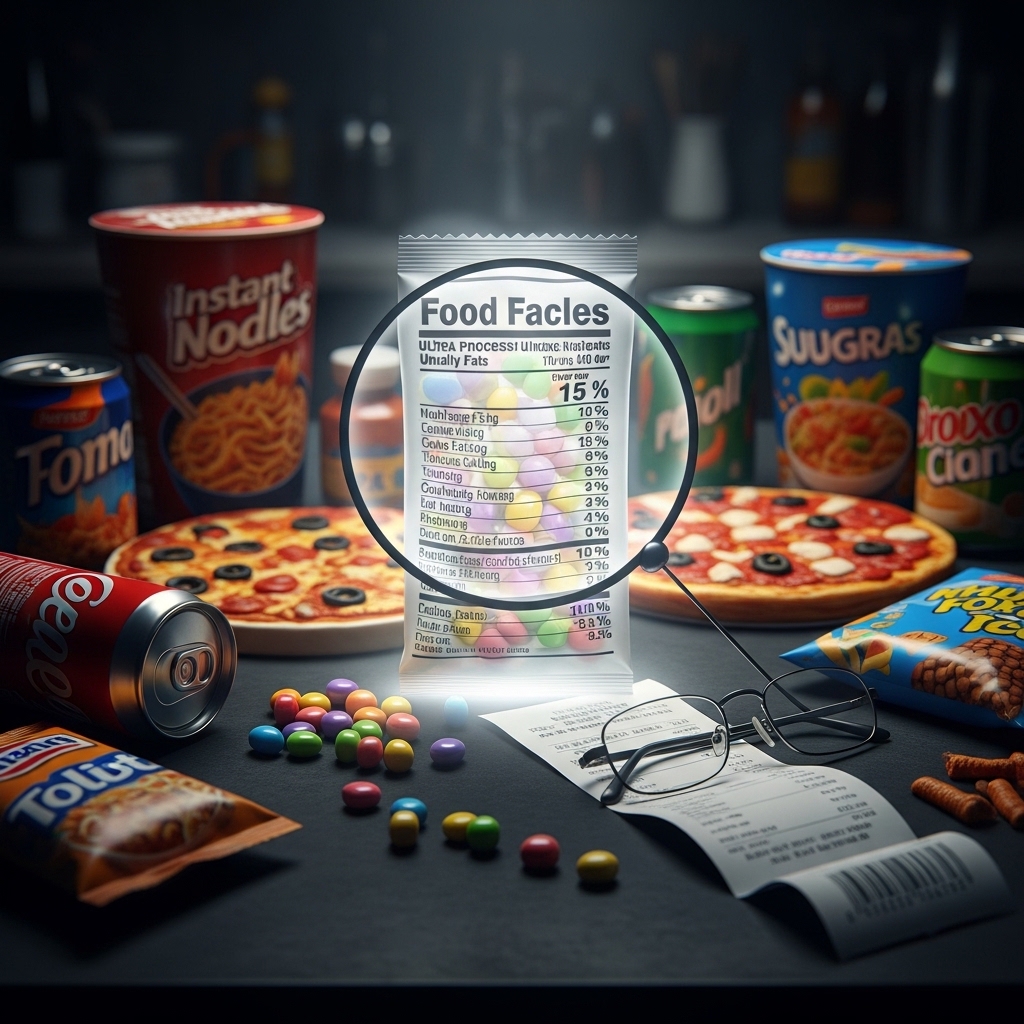
In the rush of everyday life, ready-made foods often seem like the easiest solution. Quick packaging, strong flavors, and affordable prices. But behind this “convenience” lies a less pleasant truth: ultra-processed foods , Many people consume them daily without realizing they have become a staple in their diet—not just an occasional choice.
The problem isn’t one single meal, but continuous reliance. This is where the hidden risks of ultra-processed foods begin to appear quietly, without obvious symptoms at first.
What Are Ultra-Processed Foods?
Ultra-processed foods are industrial products that go through multiple processing stages and often contain:
- Ingredients not typically used in home kitchens
- Additives to enhance flavor, color, and texture
- Higher-than-necessary amounts of sugar, fat, and salt
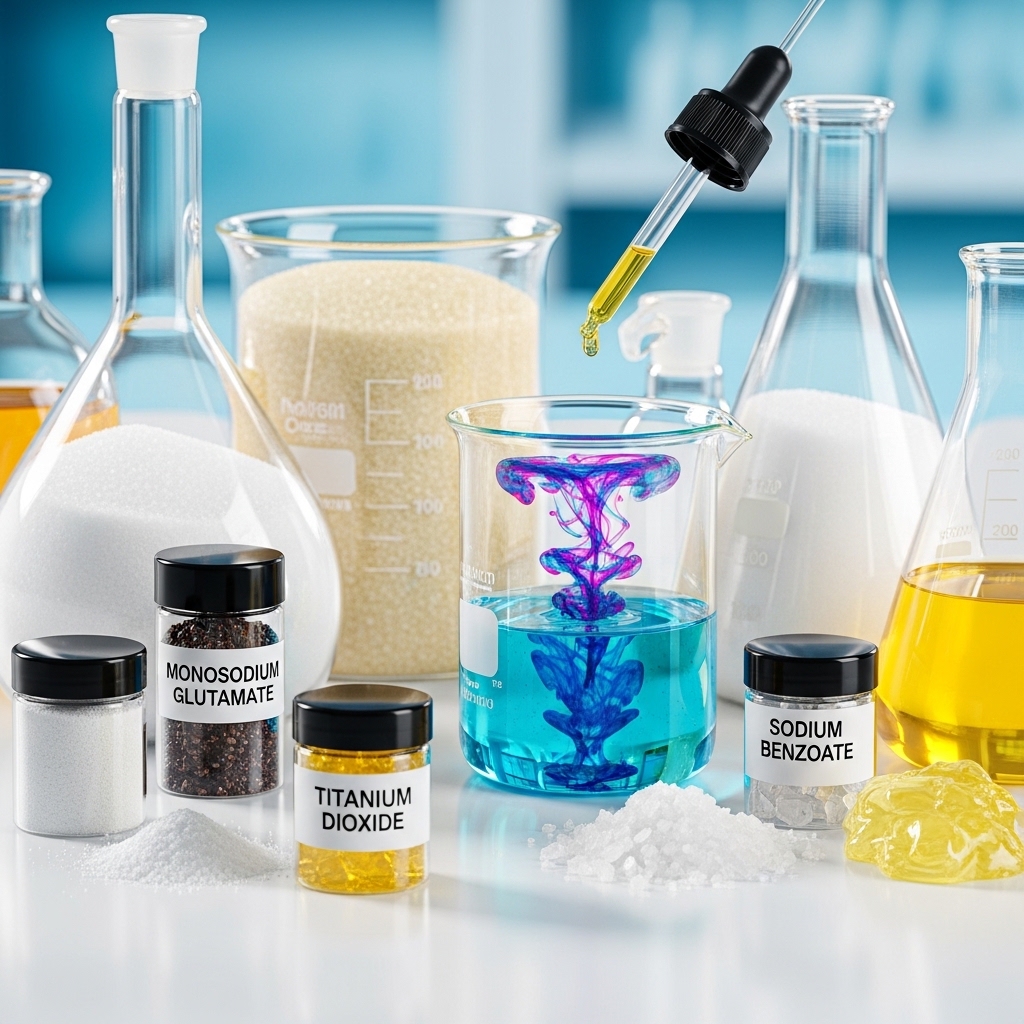
The Hidden Risks of Ultra-Processed Foods : Common examples include
- Ready-made and frozen meals
- Soft drinks and sweetened juices
- Packaged snacks
- Some types of bread and sweetened cereals
These foods are designed to be appealing and easy to consume—but not necessarily beneficial for the body.
Why Are Ultra-Processed Foods a Health Concern?
The real danger of ultra-processed foods isn’t just their calorie content, but their cumulative impact on the body.
Numerous studies link high consumption of ultra-processed foods to:
- Increased risk of obesity
- Blood sugar imbalances
- High blood pressure
- Increased chronic inflammation
- Poor gut health
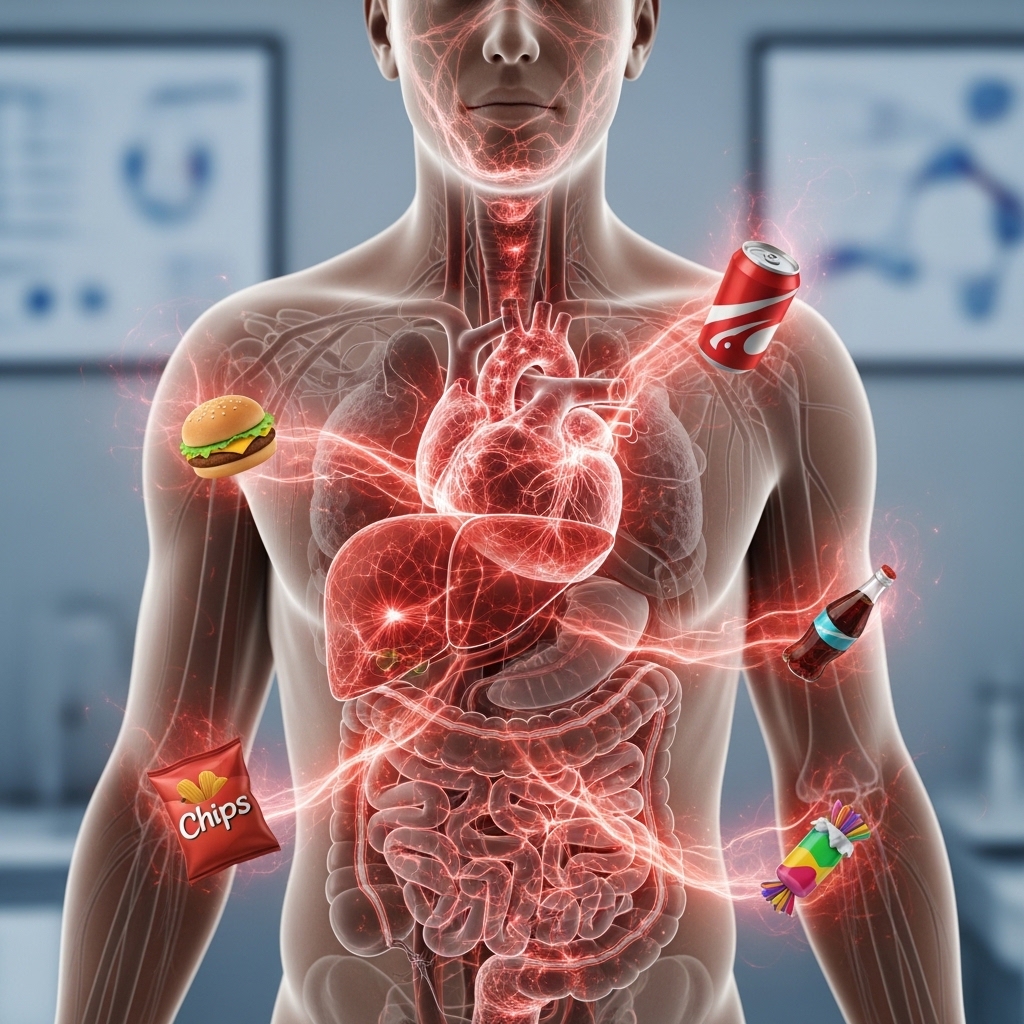
According to reports from the World Health Organization (WHO), dietary patterns heavily reliant on ultra-processed industrial foods are associated with higher risks of non-communicable chronic diseases.
The Bigger Problem: How Hard They Are to Detect
One of the most dangerous aspects of ultra-processed foods is that they sometimes disguise themselves as “healthy.”
Packages may claim:
- “Low fat”
- “Sugar-free”
- “Healthy” or “Light”
But when you read the nutrition label carefully, you often find:
- Added sugars under different names
- Hydrogenated oils
- Additives you don’t recognize
This is where learning how to read food labels like a professional becomes essential.
The Risks of Ultra-Processed Foods : How to Start Reading Food Labels Mindfully
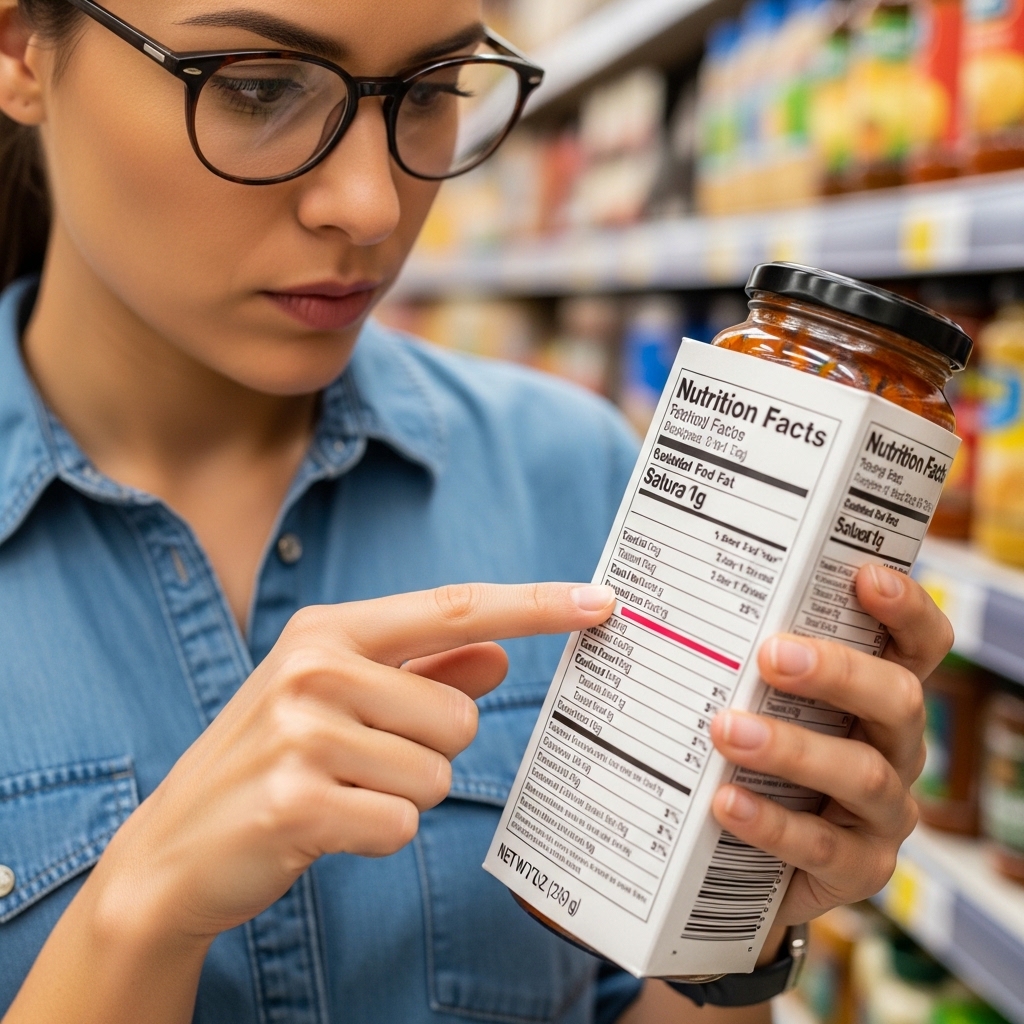
Reading labels doesn’t have to be complicated—it just requires attention. When dealing with ultra-processed foods, focus on:
- Ingredient list
- The longer the list, the higher the level of processing
- Ingredients are listed from highest to lowest by weight
- Hidden names for sugar
Sugar may appear as:
- Glucose syrup
- Fructose
- Maltodextrin
- Industrial fats
Terms like:
- Partially hydrogenated oils
are a clear warning sign.
Why Do Ultra-Processed Foods Affect Your Appetite?
One of the most harmful traits of ultra-processed foods is that they are designed to make you eat more without feeling full.
The combination of sugar + fat + salt affects reward centers in the brain, leading to:
- Constant cravings
- Difficulty controlling portion sizes
- Feeling hungry again shortly after eating
This has nothing to do with weak willpower—it’s a result of how these products are engineered.
A First Step Toward Change
The goal isn’t complete restriction—it’s awareness.
Reducing reliance on ultra-processed foods starts with a simple step:
knowing what you eat, and why.
In Part Two, we’ll explore:
- Practical strategies to reduce ultra-processed foods
- How to choose smarter alternatives
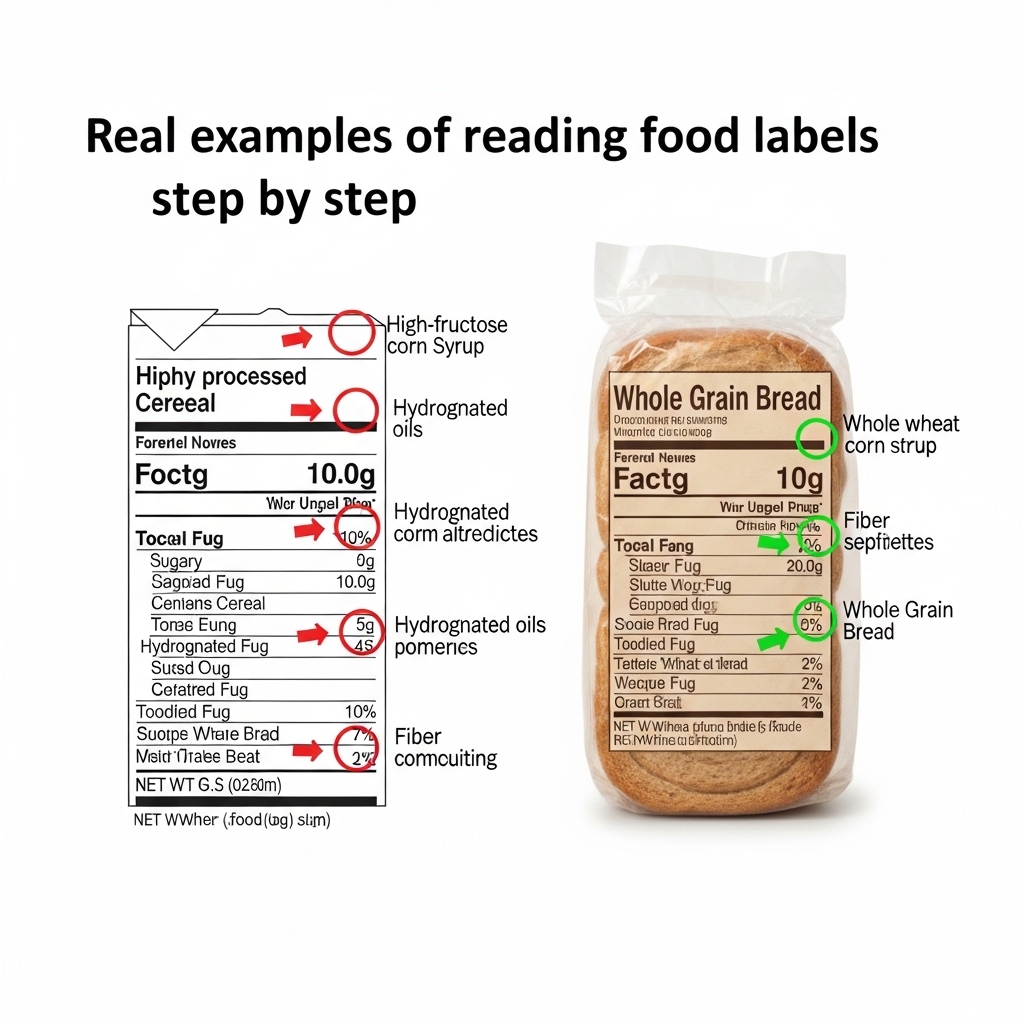
- Real examples of reading food labels step by step
- A dedicated section linked to a reliable government source
Now that we understand what ultra-processed foods are and why they pose long-term health risks, the most important question is:
Can we reduce them without feeling deprived?
The simple answer: yes—and it’s easier than you think.
This isn’t a food revolution, but small daily awareness that adds up over time.
How to Reduce Ultra-Processed Foods in Daily Life
Cutting back on ultra-processed foods doesn’t mean cooking for hours or giving up flavor. It’s about smarter choices:
- Replace ready-made meals with simple foods made from clear ingredients
- Choose products with one or two ingredients instead of long lists
- Prepare quick homemade snacks (like fruit with nuts) instead of packaged snacks
Every time you choose food closer to its natural state, you automatically reduce ultra-processed food intake.
Reading Food Labels: The Pro Level
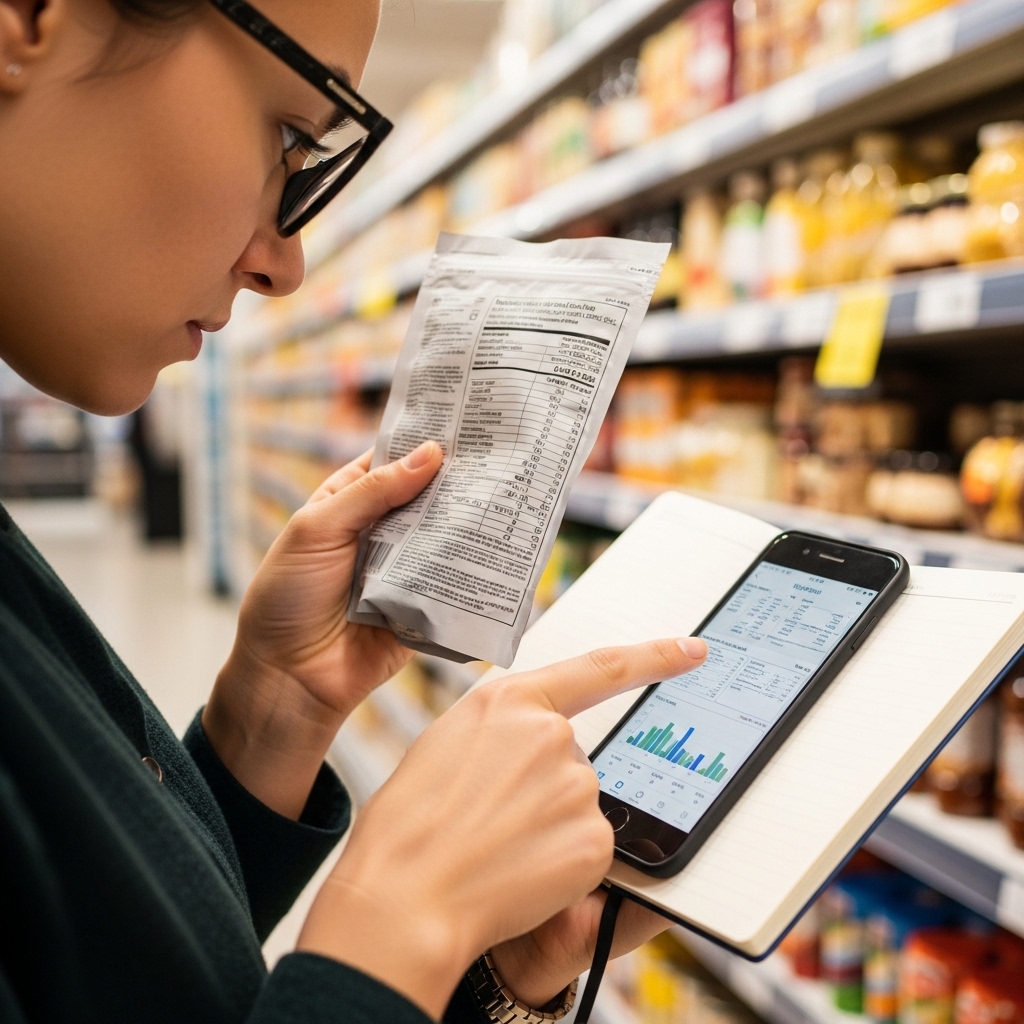
If you’re buying packaged food, pay attention to:
- Number of ingredients
- More than 10 ingredients usually means ultra-processed
- Ingredients you don’t understand
- Long chemical names
- Artificial colors
- Multiple preservatives
- Nutrition facts
Watch out for:
- High sodium
- Added sugars
- Saturated fats
These elements are often elevated in ultra-processed foods—even when the package claims it’s “healthy.”
Are All Packaged Foods Bad?
It’s important to clarify one thing:
Not all packaged foods are ultra-processed.
Examples:
- Canned beans with no additives = acceptable
- Tuna with only water and salt = good
- Plain yogurt with no added sugar = excellent
The real difference lies in the level of processing—not the packaging itself.
Long-Term Health Effects of Ultra-Processed Foods
Recent studies indicate that heavy reliance on ultra-processed foods may lead to:
- Increased risk of heart disease
- Metabolic disorders
- Reduced sense of fullness
- Higher levels of inflammation in the body
According to data from the U.S. National Institutes of Health (NIH), diets rich in processed foods are linked to higher risks of chronic diseases compared to diets based on whole foods.
Practical Steps to Reduce Ultra-Processed Foods (Without Pressure)
Instead of “I must avoid,” think “I balance”:
- Follow the 80/20 rule:
80% whole foods – 20% flexibility - Plan your main meals in advance
- Avoid grocery shopping while hungry
- Read the label before trusting the marketing
This approach helps reduce ultra-processed foods without struggle or guilt.
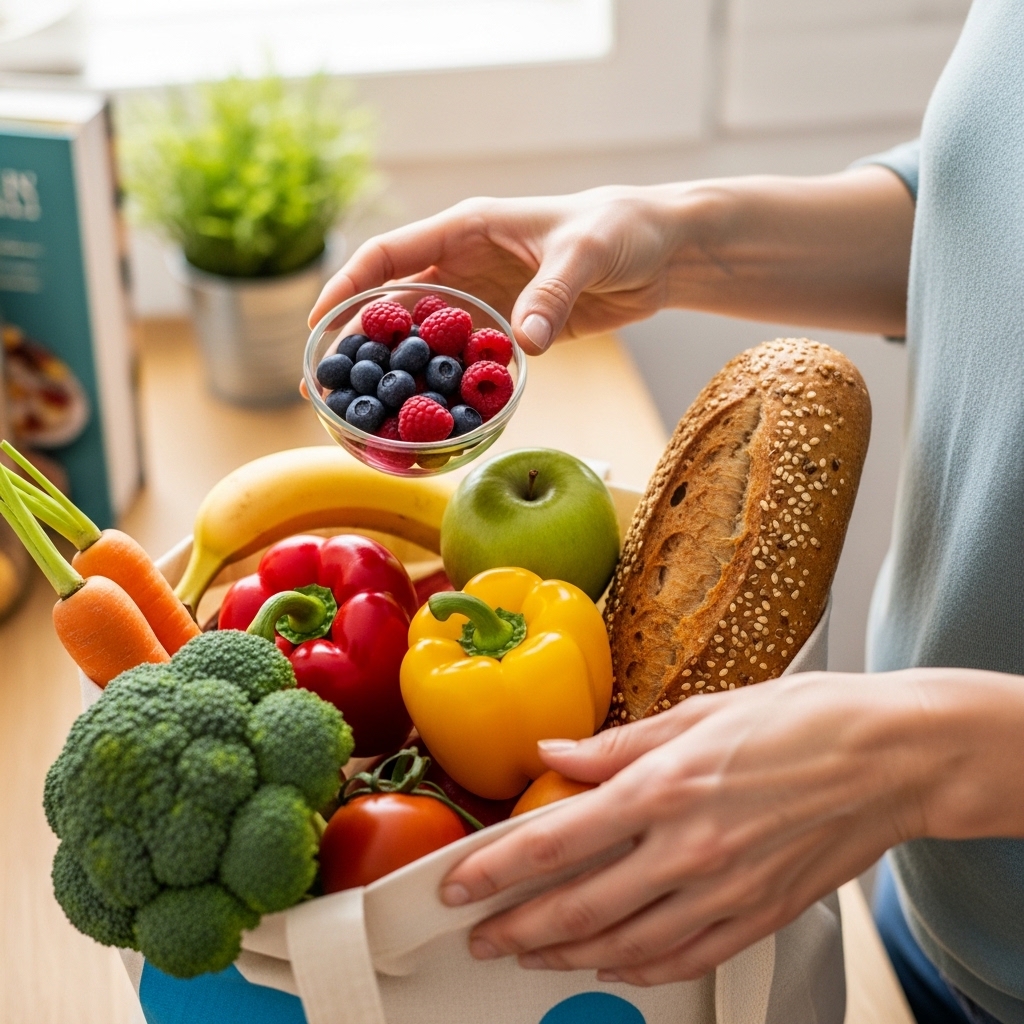
Ultra-Processed Foods Are Not Absolute Evil
The issue isn’t their existence—it’s dependence on them.
The body isn’t harmed by an occasional fast meal, but it is affected when such foods become the norm.
Awareness is the difference between a conscious choice and an automatic habit.
If you want to start eating smarter without complexity, stay aware of what you put on your plate, and read the label before trusting the advertisement.
For more evidence-based articles and realistic nutrition advice that helps you improve your health step by step, visit nutritiontravels and discover content created for you—not to sell you illusions.