
As we age, maintaining cognitive health becomes increasingly important. Memory lapses, reduced focus, and slower cognitive processing are natural parts of aging, but diet can play a pivotal role in protecting the brain. The MIND Diet, a hybrid of the Mediterranean and DASH (Dietary Approaches to Stop Hypertension) diets, is specifically designed to support brain health, slow cognitive decline, and reduce the risk of Alzheimer’s disease and age-related neurological disorders.

What is the MIND Diet?
The MIND Diet (Mediterranean-DASH Intervention for Neurodegenerative Delay) combines the heart-healthy principles of the Mediterranean diet with the blood pressure-lowering benefits of the DASH diet, creating a regimen focused on foods that promote brain health. Unlike other diets, MIND emphasizes 10 brain-healthy food groups while limiting foods known to impair cognitive function.
Key Principles:
- Include: Green leafy vegetables, other vegetables, berries, nuts, olive oil, whole grains, fish, beans, poultry, and wine (in moderation).
- Limit: Red meats, butter and margarine, cheese, pastries and sweets, fried or fast food.

Brain-Healthy Foods in the MIND Diet
1- Green Leafy Vegetables
Spinach, kale, broccoli, and other leafy greens are essential. Consuming six or more servings per week provides vitamin K, folate, and other nutrients linked to slower cognitive decline.
2- Berries
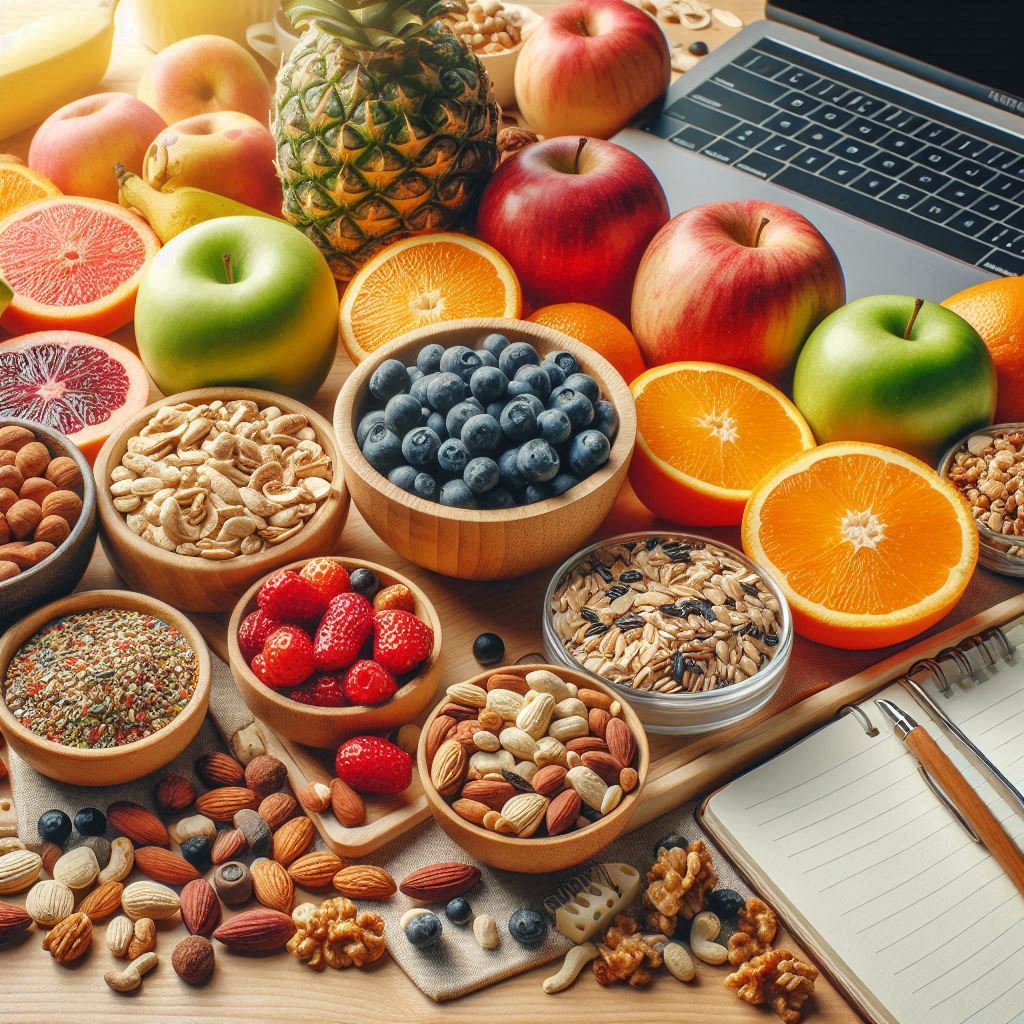
Blueberries, strawberries, and other berries are rich in antioxidants that protect neurons from oxidative stress. Eating at least two servings per week has been associated with improved memory and learning capacity.
3- Nuts
Walnuts, almonds, cashews, and other nuts provide healthy fats and vitamin E, which protect brain cells and improve cognitive function. The diet recommends five servings or more weekly.
4- Olive Oil
Using olive oil as the primary cooking fat supports brain health by reducing inflammation and providing monounsaturated fats essential for neuron function.
5- Whole Grains
Oats, quinoa, brown rice, and whole wheat bread provide steady energy, fiber, and B vitamins. Three servings per day help maintain stable blood sugar levels for optimal brain function.
6- Fatty Fish
Salmon, sardines, and mackerel are excellent sources of omega-3 fatty acids, critical for brain cell structure, improved circulation, and reduced risk of cognitive decline. The MIND Diet recommends at least one serving per week.
7- Legumes
Beans, lentils, and chickpeas are versatile plant-based proteins that also provide iron and fiber. Including 3–4 servings per week supports overall brain health.
8- Poultry
Chicken and turkey, consumed twice a week or more, provide lean protein without the saturated fat associated with red meats.

Foods to Limit
Limiting unhealthy foods is as important as eating the right ones. MIND encourages reducing:
- Red meat and processed meats.
- Butter and margarine (use <1 tablespoon daily).
- Cheese (less than once a week).
- Fried foods and fast food (limit to under once a week).
- Pastries and sweets (under 4–5 times per week).
By minimizing these foods, you reduce inflammation, oxidative stress, and potential damage to brain cells.

How the MIND Diet Protects the Brain
1- Antioxidants and Oxidative Stress
Brain cells are vulnerable to free radicals, which damage neurons and accelerate cognitive decline. Antioxidant-rich foods like berries, dark leafy greens, and dark chocolate protect against this damage.
2- Omega-3 Fatty Acids
Fatty acids from fish, flaxseeds, and walnuts enhance neuron membrane integrity, support blood flow, reduce inflammation, and may slow the progression of dementia.
3- Vitamins and Phytonutrients
Vitamin K from leafy greens, folate from legumes, vitamin E from nuts, and B vitamins from whole grains and poultry support memory, learning, and overall cognitive performance.
4- Anti-inflammatory Effects
Chronic inflammation is linked to cognitive decline. Olive oil, nuts, turmeric, and green tea contain anti-inflammatory compounds that protect brain tissue.
5- Neuroprotection and Cognitive Function
The combined effect of these foods enhances neuroplasticity, slows neuronal degeneration, and may reduce the brain’s biological age. Studies show adherence to the MIND Diet can reduce the risk of Alzheimer’s disease by up to 53% in highly compliant individuals and 35% in moderate followers.

Daily and Weekly Guidelines
- Leafy greens: 6+ servings/week
- Other vegetables: 1+ serving/day
- Berries: 2+ servings/week
- Nuts: 5+ servings/week
- Olive oil: Main cooking fat
- Whole grains: 3 servings/day
- Fish: 1+ serving/week
- Legumes: 3–4 servings/week
- Poultry: 2+ servings/week
- Unhealthy foods: Limit red meat, butter, cheese, fried foods, pastries
Tips to Enhance Brain Benefits
- Exercise Regularly – Physical activity improves blood flow to the brain, enhancing nutrient delivery.
- Stay Hydrated – Drinking at least 8 glasses of water daily supports cognitive function.
- Prioritize Sleep – Adequate rest is crucial for memory consolidation and brain repair.
- Consistency – The MIND Diet is a lifestyle, not a short-term diet. Long-term adherence yields the greatest benefits.
- Supplement When Needed – Consider vitamin B12 or omega-3 supplements if dietary intake is insufficient.

Additional Foods That Support Cognitive Health
While the MIND Diet focuses on 10 core foods, other additions can enhance brain performance:
- Eggs: Rich in vitamins B6, B12, and folate.
- Dark Chocolate: 70% cocoa or higher can improve blood flow to the brain and enhance cognitive function.
- Green Tea: Contains EGCG, supporting memory and focus.
- Turmeric: Curcumin reduces neuroinflammation and may support neurogenesis.
The Science Behind the MIND Diet
Research consistently demonstrates the MIND Diet’s effectiveness in reducing cognitive decline:
- Memory Preservation – Regular intake of leafy greens and berries is associated with better memory retention.
- Reduced Alzheimer’s Risk – Studies report a 35–53% reduction in risk for those following the diet rigorously.
- Delayed Cognitive Aging – Leafy greens can slow brain aging by up to 11 years.
- Anti-inflammatory Benefits – Nuts, olive oil, and fatty fish lower chronic inflammation linked to dementia.

Sample Daily Menu
Breakfast: Oatmeal with chia seeds, berries, and a sprinkle of walnuts
Lunch: Quinoa salad with leafy greens, chickpeas, cherry tomatoes, and olive oil
Snack: A handful of almonds or a small serving of dark chocolate
Dinner: Grilled salmon with steamed broccoli and brown rice
Optional: Green tea to enhance alertness and provide antioxidants
The MIND Diet is more than a diet—it’s a lifestyle for your brain. By prioritizing nutrient-dense foods and limiting harmful options, you can significantly reduce the risk of Alzheimer’s disease, protect your memory, and maintain cognitive function well into old age.
Consistency, variety, and mindful eating are key. Incorporate leafy greens, berries, nuts, olive oil, whole grains, fatty fish, legumes, and poultry into your weekly routine while limiting red meats, butter, cheese, sweets, and fried foods. Combined with regular exercise, adequate sleep, and hydration, the MIND Diet provides a comprehensive approach to healthy brain aging.
For practical tips, meal plans, and scientific insights on brain-healthy nutrition, visit Nutrition Travels and start protecting your brain today.