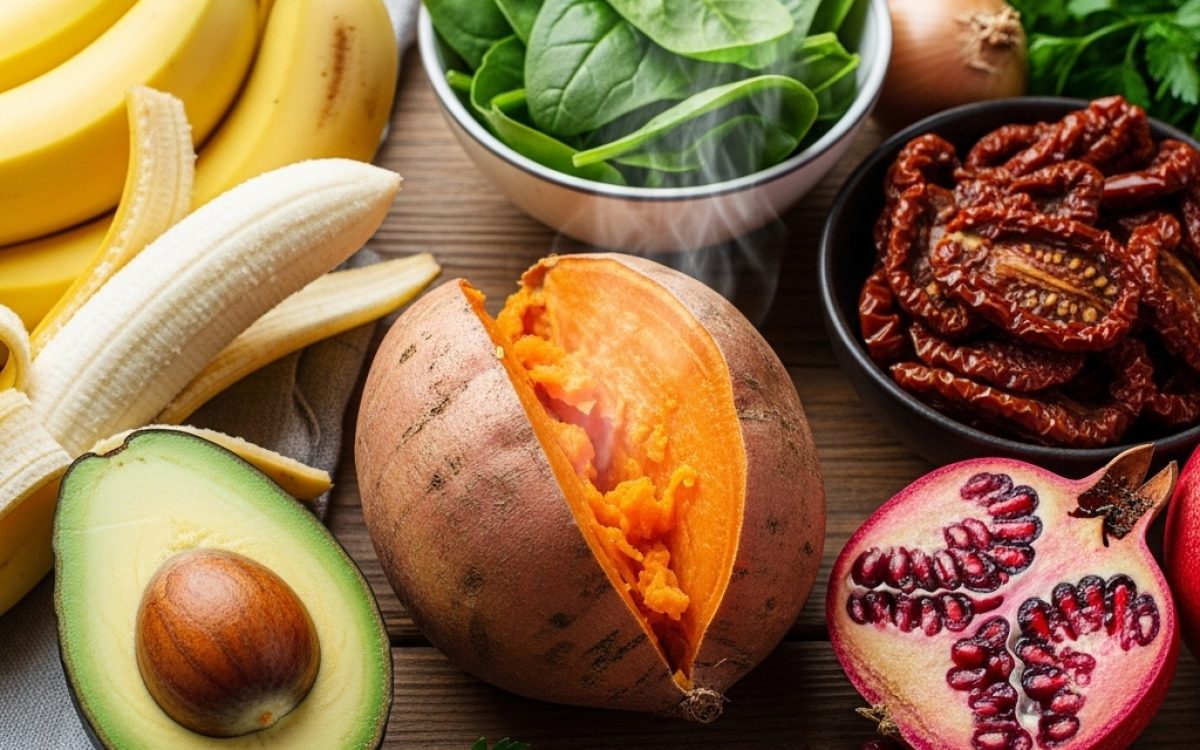
Potassium-rich foods aren’t just a casual dietary suggestion—they’re essential for supporting vital body functions that often go unnoticed until something goes wrong. Potassium works quietly in the background, yet it directly affects your heartbeat, muscle movements, fluid balance, and even nerve signaling.
Many people only realize its importance when they experience fatigue, muscle cramps, or blood pressure issues. In this article, we’ll explore why your body truly needs potassium-rich foods and how this mineral impacts your daily health—without the complexity or dry medical jargon.
What Is Potassium and Why Is It Essential?
Potassium is one of the electrolyte minerals, meaning it carries an electrical charge that helps cells perform their functions. It is crucial for maintaining fluid balance inside and outside the cells—a delicate balance that affects almost every process in the body.

When the body gets enough potassium-rich foods, it can:
- Regulate heartbeats naturally
- Support muscle contraction and relaxation
- Efficiently transmit nerve signals
- Balance sodium’s effects in the body
The problem is that modern diets, often high in processed foods, tend to be high in sodium and low in potassium, disrupting this delicate balance.
Potassium-Rich Foods : Potassium and Heart Health
The heart is a muscle, and like any muscle, it relies on precise electrical signals to maintain a steady rhythm. Potassium plays a key role in regulating these signals, helping to keep your heartbeat stable.
Regular intake of potassium-rich foods can:
- Reduce stress on blood vessels
- Improve blood pressure balance
- Lower the risk of arrhythmias caused by mineral deficiencies
Trusted health organizations, such as the World Health Organization (WHO), note that increasing dietary potassium while reducing sodium can help reduce the risk of heart disease and hypertension.
How Potassium Supports Muscle Health
If you’ve experienced sudden muscle cramps or weakness, low potassium could be a contributing factor. Muscles rely on a delicate balance of calcium, sodium, and potassium to function smoothly.
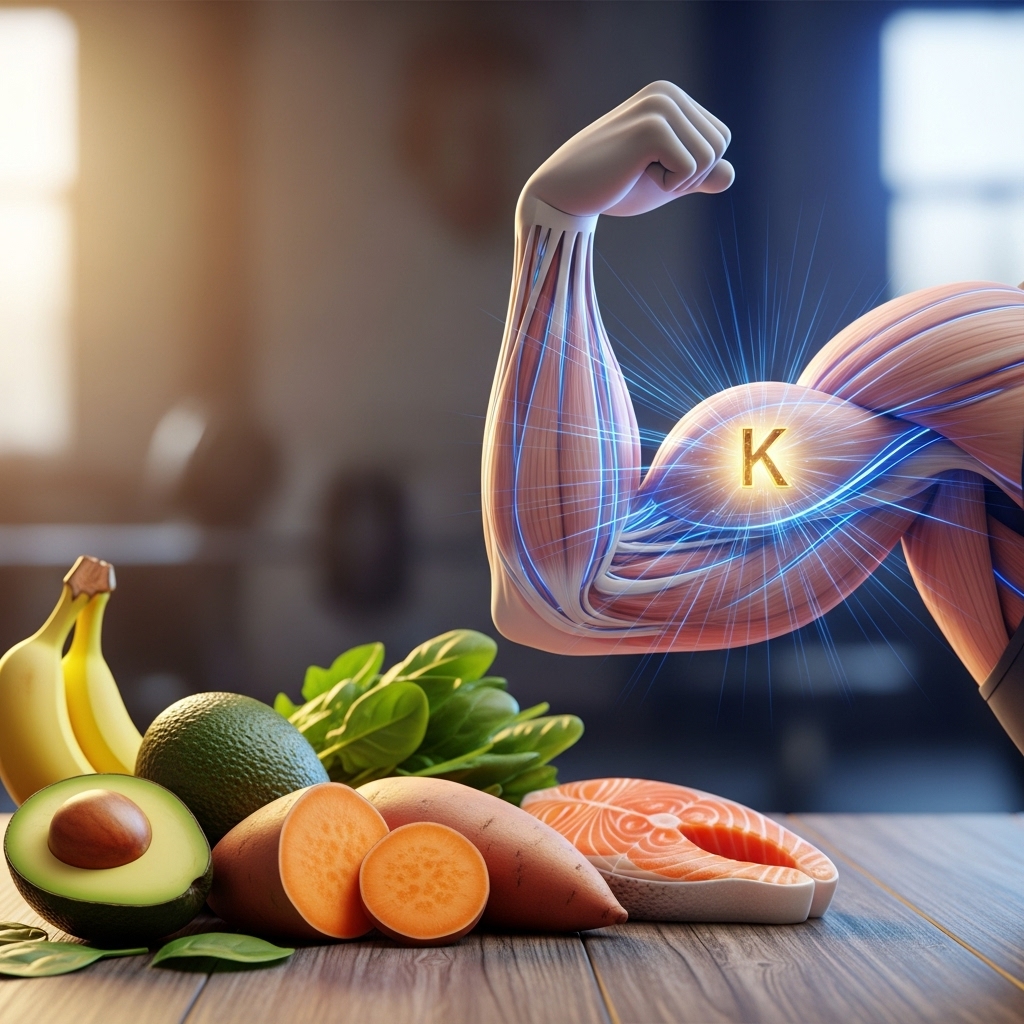
Potassium-rich foods help muscles:
- Contract and relax naturally
- Reduce cramps and muscle fatigue
- Support physical performance during daily activities or exercise
And this isn’t just about athletes—even simple activities like walking or carrying groceries rely on efficient muscle function.
Signs You Might Be Low in Potassium :
Potassium deficiency isn’t always obvious, but it may show through subtle signals often ignored, such as:
- Persistent fatigue without a clear reason
- Frequent muscle cramps
- Palpitations or irregular heartbeats
- General muscle weakness

Including potassium-rich foods in your daily diet can help prevent these symptoms before they escalate.
Potassium-rich foods : Why Food Is Better Than Supplements
While potassium supplements exist, getting potassium from food remains the safest and most effective option. Natural foods provide not only potassium but also fiber, vitamins, and antioxidants that support overall health.
Focusing on potassium-rich foods ensures:
- Better absorption
- A more balanced diet
- Reduced risk of unmonitored excess intake
Potassium-rich foods : How to Include Potassium in Daily Life
The good news: potassium is abundant in simple, accessible foods. You don’t need strict diets or supplements to meet your needs.
Top Sources of Potassium-Rich Foods
Fruits:
Fruits are one of the easiest ways to increase potassium intake:
- Bananas
- Oranges and natural juice
- Avocados
- Apricots (especially dried)
- Kiwis
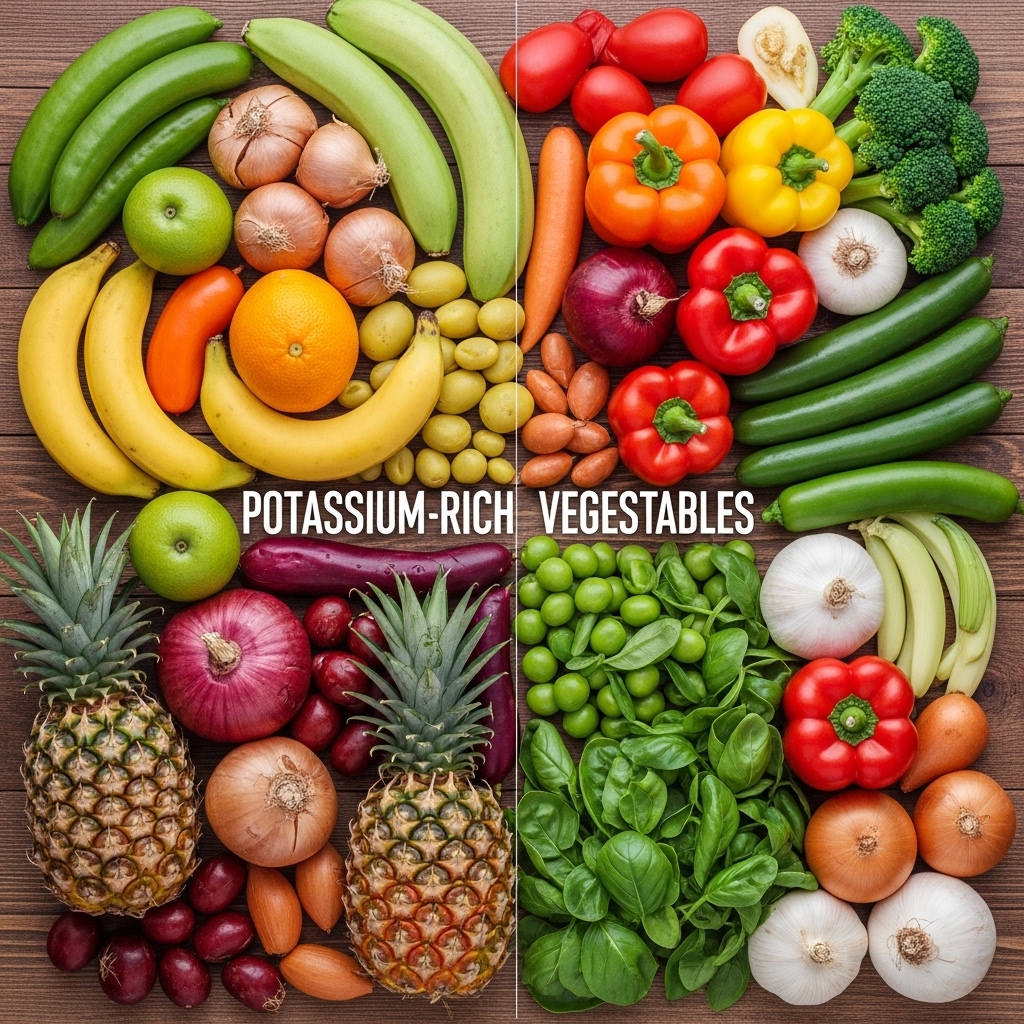
These fruits not only help balance minerals but also provide fiber and antioxidants that benefit overall health.
Vegetables:
Vegetables, especially leafy greens and root vegetables, are another potassium cornerstone:
- Potatoes and sweet potatoes
- Spinach
- Tomatoes
- Broccoli
- Zucchini
Cooking methods matter: prolonged boiling may reduce mineral content, while steaming or roasting preserves nutrients.
Legumes and Dairy:
Legumes such as lentils, beans, and chickpeas are excellent plant-based protein sources and rich in potassium, making them ideal for vegetarians.
Dairy products like yogurt and milk provide a combination of potassium and calcium, supporting muscle and bone health—as long as lactose is tolerated.
How Much Potassium Do You Need Daily?
According to the WHO, adults are recommended to consume about 3,500 mg of potassium daily from food sources to support heart health and counterbalance sodium intake.
The focus should always be on natural foods, with supplements only used when medically advised.
When to Be Cautious
Even with its benefits, certain health conditions require attention:
- Chronic kidney disease
- Some blood pressure medications
- Mineral balance disorders

In such cases, increasing potassium without medical guidance may be unsafe. Balance is key.
Potassium-Rich Foods : Practical Tips to Increase Potassium Easily
Instead of worrying about numbers, try simple steps:
- Add one potassium-rich fruit to your daily diet
- Make vegetables a staple of your lunch
- Replace processed foods with natural alternatives whenever possible
- Reduce sodium intake to let potassium work effectively
Small changes like these can make a big difference over time.
Why Potassium Deserves Your Attention
Eating potassium-rich foods isn’t a temporary trend—it’s a conscious step toward supporting your heart, muscles, and daily energy. It’s a clear example of how simple choices can improve quality of life without deprivation or complexity.
For practical, science-based guidance on improving your health through nutrition, visit nutritiontravels. You’ll find content that helps you make smarter dietary decisions, step by step, in a way that fits your daily life