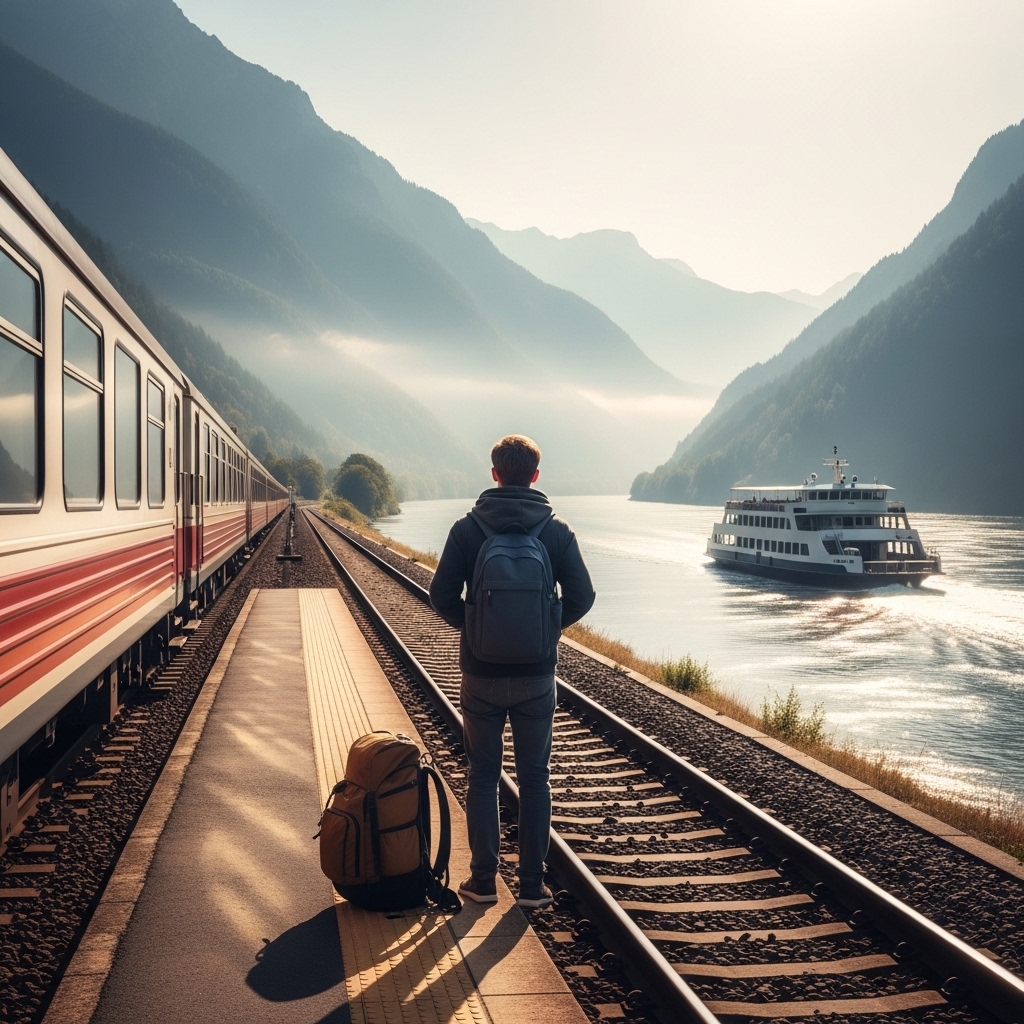

Traveling the world is about more than reaching your destination. It’s about the journey itself. There’s no better way to experience landscapes, cultures, and hidden corners than through multi-modal travel. By combining trains, buses, and ferries, you save money and unlock adventures planes cannot offer. From panoramic train rides through mountains to ferry crossings over sparkling waters, every leg of your journey becomes memorable.

Why Multi-Modal Travel Matters
Using multiple transport modes is more than a budget hack. It immerses you in local life. Trains let you relax and enjoy scenic views. Buses take you to villages and towns off the beaten path. Ferries offer unique perspectives of coastal regions and islands. Moreover, multi-modal travel encourages sustainability. It reduces reliance on private cars and short flights. Therefore, you explore with a smaller carbon footprint.
Trains: Fast, Scenic, and Comfortable
Trains form the backbone of multi-modal travel. They combine speed, comfort, and breathtaking views. High-speed trains like Europe’s TGV or Germany’s ICE connect major cities efficiently. Consequently, you save travel time.
Scenic routes through mountains, valleys, or countryside offer perspectives planes can’t match. For example, the Swiss Glacier Express or Japan’s Shinkansen during cherry blossom season is unforgettable.
Booking is convenient. Mobile apps and digital tickets let you reserve seats in advance. This way, you avoid long station lines. Trains are more than transport—they are moving observation decks for reading, relaxing, or enjoying landscapes.

Buses: Access the Hidden Corners
While trains connect major hubs, buses take you to smaller towns, villages, and hidden gems.
Buses are cost-effective. Companies like FlixBus or Eurolines often offer cheaper fares than trains. They are ideal for early bookings. Buses also reach areas trains cannot. This allows you to explore places few tourists see.
Modern buses offer amenities like Wi-Fi and comfortable seats. Consequently, long trips feel less tiring. Taking a local bus slows your journey. Moreover, it lets you interact with locals and uncover parts of a region guidebooks overlook.

Ferries: Explore Coastal Regions and Islands
Ferries provide a completely different travel experience. They blend relaxation with scenic adventure.
Ferries are essential for island hopping. In Greece or Scandinavia, they reach islands planes skip. They also offer stunning views. You can glide across the water while watching towns, lighthouses, and wildlife pass by.
Additionally, ferry rides often feel like excursions themselves. Imagine crossing a turquoise sea at sunset. The gentle breeze and open water make it a memorable chapter of your trip.

Tips to Maximize Your Multi-Modal Journey
- Plan Smart: Combine trains for city travel, buses for rural exploration, and ferries for coastal regions.
- Use Unified Passes: In Europe, Eurail or Interrail passes allow unlimited train and bus travel. This is perfect for budget travelers.
- Download Travel Apps: Apps like Omio, Citymapper, or Google Maps let you compare schedules and prices in real time.
- Be Flexible: Leave room for spontaneous detours. You never know what hidden café or scenic viewpoint might appear.
- Travel Light: A backpack or carry-on simplifies transfers between transport modes.

Engage with Locals Along the Way
One of the most rewarding parts of multi-modal travel is meeting local people. Sharing stories or learning hidden spots can lead to unforgettable experiences.
Every train, bus, or ferry ride is a window into local culture. It offers insights you won’t get from traditional tourist routes. Whether chatting with a bus driver in a village or getting tips from fellow travelers, these moments turn travel into a personal adventure.
Sustainable and Smart Travel
Multi-modal travel is eco-friendly and efficient.
Choosing public transport reduces carbon emissions. Walking or cycling enhances your experience and keeps you fit. Digital tickets, real-time tracking apps, and AI-assisted route planning make travel smoother. Consequently, you explore more while leaving a lighter footprint on the planet.

Real-Life Examples
- Europe: Take the TGV to Paris, FlixBus to Alsace villages, and a ferry to the French Riviera islands.
- Japan: Shinkansen connects Tokyo and Kyoto. Buses explore Nara’s outskirts. Ferries cross the Seto Inland Sea islands.
- Egypt: Train to Alexandria, bus to Siwa Oasis, and ferries along the Nile. Each leg offers a unique perspective.

Key Takeaways
Multi-modal travel turns moving from place to place into an adventure. Combining trains, buses, and ferries lets you explore more, save money, and create unique experiences. Remember, travel isn’t just about the destination—it’s about the journey, the stories, and discoveries along the way.
Embrace multi-modal travel as a way to explore the world intelligently, economically, and adventurously. Every train ride, bus journey, and ferry crossing reveals hidden corners, connects you with locals, and immerses you in cultures far beyond the ordinary tourist trail.
For more travel tips, guides, and inspiration, visit NutritionTravels and start planning your next unforgettable journey.