
In the world of nutrition and fitness, many people believe that anything liquid, natural, or made with fruits and vegetables is a completely healthy choice. Liquid Calories from natural juices and smoothies have become a core part of breakfast or post-workout meals for many people. However, the surprising reality is that some of these “healthy” drinks can become an obstacle to weight loss, and may even stall it at times, despite all the effort put into monitoring the diet.

What Are Liquid Calories?
Liquid calories are the calories we obtain from the fluids we consume as part of our daily diet. Juice and soft drinks are examples of liquid calories, which can build up quickly and pass by unnoticed.
These calories are very easy to consume, which is why most people overlook counting them. Many people drink several beverages throughout the day without realizing that a large portion of their daily calorie intake may come from these drinks.
Why Can a “Healthy” Smoothie Be an Obstacle?
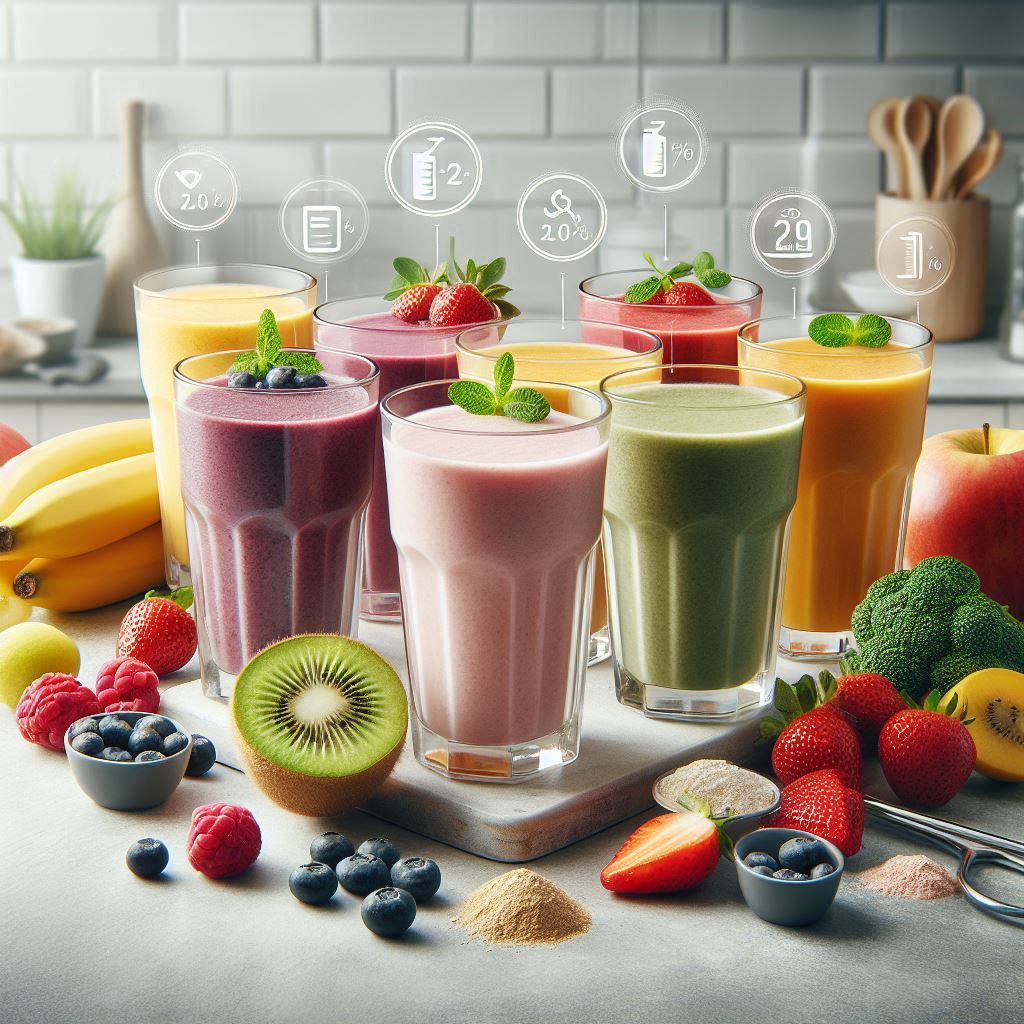
Many smoothies labeled as “healthy” contain fruits, milk, yogurt, or even additions such as nuts and peanut butter. All of these ingredients are nutritious, but they are also high in calories. For example, one smoothie made with a single banana, half a cup of yogurt, and one tablespoon of peanut butter can contain 300 to 400 calories. If this smoothie is consumed in the morning alongside other calorie-containing meals, total daily intake can increase quickly, affecting weight loss.

Natural Sugar and Liquid Calories: Not Always Your Friend:
Even if no sugar is added to the smoothie, fruits naturally contain sugars (fructose). These sugars raise energy levels quickly, but they can also increase insulin levels, which may slow fat burning in some individuals. In addition, the body often does not process natural sugars in liquid form the same way it processes sugars found in whole fruit. This means that a glass of juice can be equivalent to eating a piece of candy in terms of calories and its effects on the body.
Feeling Full: Liquid vs. Solid:
Studies have shown that the body feels less full after consuming liquid calories compared to solid calories. As a result, drinking a smoothie may not prevent hunger after an hour or two, while eating a meal with the same calorie content from solid food may provide a longer-lasting sense of fullness. This difference can be a major reason for the unintentional accumulation of excess daily calories.
Added Ingredients in Smoothies:
Many juice shops add ingredients such as chia seeds or even oats. These ingredients may be healthy, but they significantly increase the calorie content. If weight loss is the goal, these additions—despite their benefits—can make a “healthy” drink less suitable in terms of daily calorie intake.

How Can a Smoothie Be Evaluated Before Drinking?
When trying to manage weight, it can be helpful to understand the calorie content of each smoothie ingredient:
1. Fruits: Contain natural sugars and varying calorie levels depending on type and quantity.
2. Milk or yogurt: Even low-fat options contain protein and natural sugars.
3. Additions such as nuts or peanut butter: Very high in calories, despite being rich in healthy fats.
4. Honey or other sweeteners: Add “quick” calories without contributing to satiety.
Awareness of these details can help adjust smoothie portions or select ingredients in a way that aligns with weight loss goals.

Tips for Managing Liquid Calories Effectively:
This does not mean that all juices and smoothies are bad. The key idea is understanding their impact on the body. Some approaches to managing liquid calories include:
1. Monitoring portions and quantities: A small smoothie may be sufficient instead of a large one containing 500 calories.
2. Combining solid foods with liquids: Adding whole fruits or vegetables to breakfast may increase fullness and reduce extra calorie intake.
3. Limiting high-calorie additions: Nuts, peanut butter, or dark chocolate should be used in moderation.
4. Paying attention to fullness after drinking: If hunger appears quickly, it may be better to eat part of the fruit instead of consuming the full smoothie.

In the end, smoothies and natural juices are healthy in terms of vitamins, minerals, and fiber when prepared properly, but they can be misleading when it comes to weight loss. Liquid calories can add a large amount of energy quickly without providing adequate fullness, leading the body to consume additional calories later on.
Being aware of ingredients, portion size, and how drinks affect hunger can help better regulate daily calorie intake. In this way, smoothies can be enjoyed as part of a balanced diet without becoming an obstacle to weight loss goals.
And if you are interested in learning more details and practical tips about nutrition and weight loss, Nutrition Travels offers reliable and simplified information to help you make better dietary choices every day.