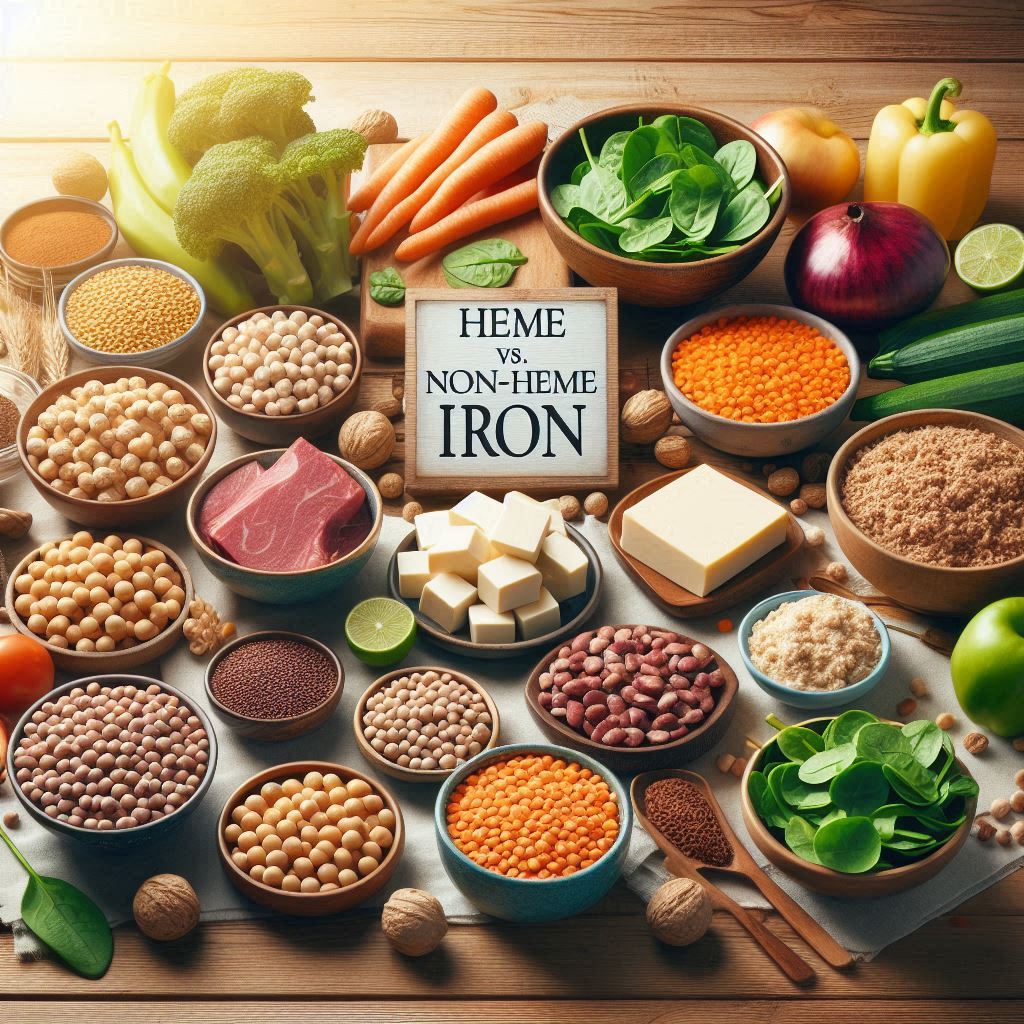

When we talk about heme vs. non-heme iron, many people often associate iron with meat and animal products. However, for those following a plant-based diet, this mineral remains essential for overall health, particularly for blood health and daily energy. Iron is not a uniform element across all foods; heme and non-heme iron each have their own characteristics and absorption process in the body.

What is Heme and Non-Heme Iron?
1. Heme Iron:
Heme iron, mainly found in animal foods such as meat, poultry, and fish, is similar in structure to hemoglobin, which makes it highly bioavailable and easily absorbed. Over 95% of functional iron in the human body exists as heme iron, making it essential for oxygen transport and energy production. Heme iron is absorbed directly by the cells of the small intestine without modification, bypassing inhibitors that typically affect non-heme iron absorption.
2. Non-Heme Iron:
This type is found in plant sources such as legumes, grains, leafy greens, and nuts. Your body absorbs non-heme iron at a lower rate, ranging from 2% to 20%, and its absorption largely depends on other dietary factors that can either enhance or reduce it.

Why is Iron Important?
Iron is a key component of many proteins, including hemoglobin, myoglobin, cytochromes, and enzymes involved in redox reactions. Hemoglobin is essential for transporting oxygen to body tissues. Iron deficiency can lead to iron-deficiency anemia, which causes persistent fatigue, poor concentration, frequent headaches, and even immune system problems. For vegetarians, the risk of iron deficiency is slightly higher if there isn’t a well-planned dietary approach.
How Can Vegetarians Improve Their Iron Levels?
Even with non-heme iron, absorption can be enhanced using certain dietary strategies, such as:
1. Consuming Vitamin C with iron-rich foods: Vitamin C (found in citrus fruits, strawberries, and bell peppers) greatly enhances non-heme iron absorption. It is recommended to pair vitamin C-rich foods with plant-based iron sources.
2. Reducing intake of absorption inhibitors: Avoid consuming foods high in phytates or oxalates alongside iron sources, or reduce their impact through soaking legumes and grains before cooking.
3. Using dietary supplements: In some cases, vegetarians may need iron supplements to ensure they meet the recommended daily intake, especially if iron levels are already low.

The Role of Supplements:
Sometimes diet alone may not be sufficient to maintain iron levels. In such cases, consulting a nutritionist or doctor is advised to determine the need for iron supplements. It is important to use supplements cautiously, as high doses may cause digestive issues.
Practical Tips for Vegetarians to Maintain Iron Levels:
1. Start meals with strong iron sources paired with vitamin C-rich foods.
2. Prepare legumes in a way that reduces absorption inhibitors, such as soaking and proper cooking.
3. Include nuts and seeds as snacks throughout the day to boost iron intake.
4. Monitor iron levels regularly, especially for those at higher risk, such as women during menstruation.

Even for those following a plant-based diet, there are scientifically proven ways to support iron levels. You can do this without relying on animal products. Understanding the difference between Heme and Non-Heme iron and using smart dietary strategies can help maintain energy, healthy blood, and prevent iron deficiency. Diversifying plant-based iron sources, combining them with vitamin C-rich foods, and avoiding certain inhibitors represents the safest and most effective way to support iron levels naturally and healthily.
Understanding heme vs. non-heme iron and using accurate strategies from Nutrition Travels allows vegetarians to maintain their health, physical strength, and mental well-being without compromising their plant-based lifestyle.