
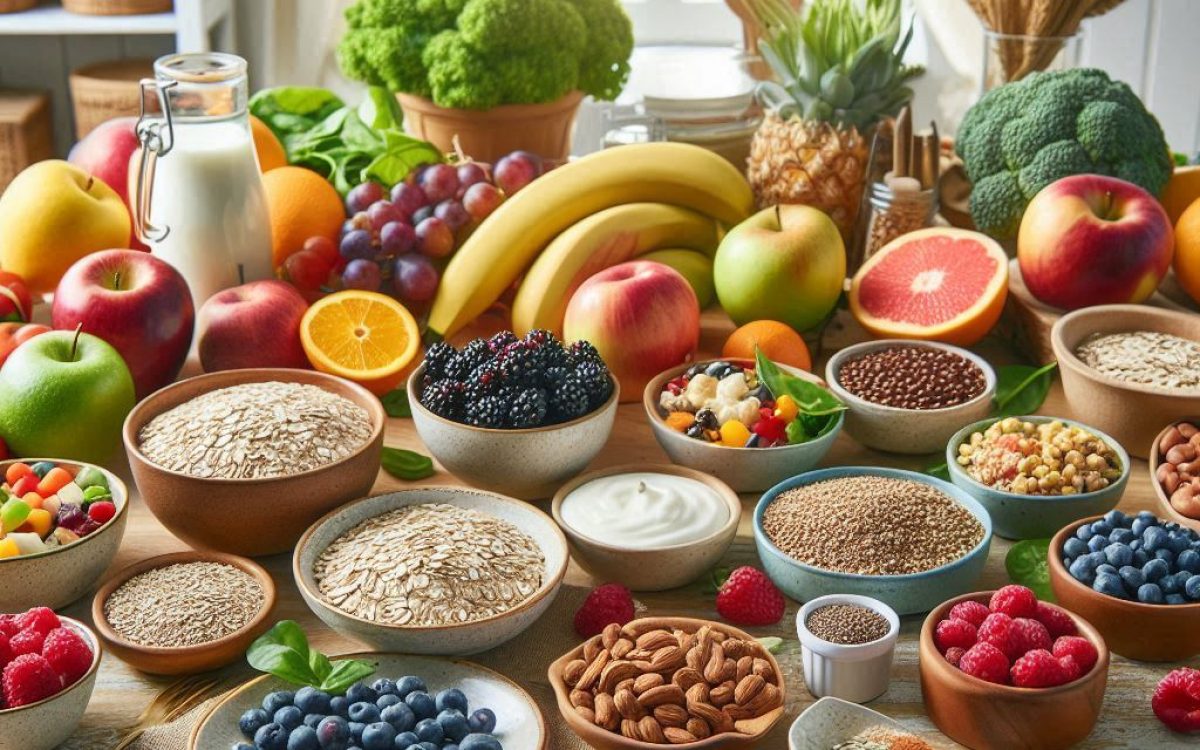
Managing blood sugar naturally is possible by choosing high-fiber foods like leafy greens, legumes, and low-sugar fruits such as berries. Pair them with protein-rich foods like fish, eggs, and nuts, and focus on healthy carbs like oatmeal while avoiding white bread, pasta, and processed juices.

Foods That Help Balance Blood Sugar
– Leafy and Non-Starchy Vegetables:
Spinach, kale, and Swiss chard are low in carbs, rich in fiber, vitamins, and minerals, helping stabilize sugar levels.
– Legumes:
Lentils, chickpeas, and beans are excellent fiber sources, help regulate blood sugar, and promote satiety.
– Fish and Seafood:
Provide high-quality protein and improve insulin sensitivity.
– Nuts and Seeds:
Almonds, walnuts, chia, and flax seeds are rich in healthy fats, fiber, and protein.
– Eggs:
High-quality protein source that helps maintain stable blood sugar.
– Low-Sugar Fruits:
Berries, apples, and citrus fruits provide fiber and antioxidants without spiking sugar levels.
– Whole Grains:
Oats, quinoa, and barley contain soluble fiber like beta-glucan, which slows sugar absorption.
– Fermented Foods:
Greek yogurt and kefir offer probiotics that enhance gut health and sugar regulation.
– Spices:
Cinnamon may improve insulin sensitivity and lower blood sugar naturally.

Foods to Avoid
- Refined Carbs: White bread, pasta, and pastries.
- Processed Juices: High in sugar with little fiber.
- Processed Foods: Often loaded with added sugars and unhealthy fats.
Lifestyle Tips for Blood Sugar Control
- Moderation is Key: Eat smaller, frequent meals instead of large heavy ones.
- Read Labels: Choose foods with at least 3 grams of fiber per serving.
- Combine Foods: Include a mix of protein, fiber, and healthy fats in each meal.
- Consult Your Doctor: A healthcare professional can help tailor a plan to your needs.
Maintaining stable blood sugar is crucial to prevent long-term complications like heart disease, kidney problems, liver issues, eye damage, nerve damage, and even limb amputation in severe cases. Short-term blood sugar fluctuations can cause fatigue, dizziness, confusion, or in extreme cases, loss of consciousness.

Benefits of Balanced Blood Sugar
- Prevents Serious Complications: Reduces risk of cardiovascular disease, neuropathy, and eye problems.
- Reduces Amputation Risk: Helps avoid severe foot complications.
- Improves Short-Term Well-Being: Prevents dizziness, fatigue, and mood swings.
- Boosts Overall Health: Stable sugar levels enhance energy and vitality.
- Lowers Post-Surgery Infection Risk: Blood sugar control is critical before operations.
How Foods Affect Blood Sugar
Carbohydrates primarily impact blood sugar. Simple carbs and added sugars cause rapid spikes, while complex carbs in whole grains and vegetables release sugar slowly. Protein, fiber, and healthy fats slow absorption and help maintain stable levels.
Foods That Raise Sugar Quickly
- Soda and processed juices
- Refined grains (white bread, white rice, pasta)
- Processed foods and sugary snacks
- High-GI fruits like watermelon and pineapple
Foods That Help Regulate Sugar
- Whole grains: oats, brown rice, whole wheat
- Vegetables: leafy greens, broccoli, cauliflower
- Legumes: beans, lentils, chickpeas
- Proteins: eggs, fish, plant-based proteins
- Healthy fats: avocado, nuts, seeds
Healthy Proteins for Blood Sugar Control
Protein improves insulin sensitivity, slows carb absorption, promotes satiety, and supports muscle mass that absorbs excess glucose.
Examples:
- Plant proteins: beans, lentils, chickpeas
- Lean poultry and fish
- Eggs
- Low-fat dairy
Avoid protein sources high in saturated fat or added sugars.
Healthy Fats
Good fats provide slow-digesting energy, prevent sugar spikes, and improve insulin sensitivity.
Sources:
- Monounsaturated and polyunsaturated fats: olive oil, nuts, seeds, avocado
- Omega-3 fats: fatty fish, flaxseeds

Fruits for Stable Sugar
Low-sugar fruits rich in fiber and antioxidants include berries, citrus fruits, apples, pears, and avocado. Limit portion size to ~15g carbs per serving and avoid juices or dried fruits.
Whole Grains & Starchy Vegetables
Complex carbs in brown rice, oats, quinoa, barley, sweet potatoes, squash, and corn digest slowly, providing sustained energy and stable sugar levels.
Beneficial Drinks
- Green tea: antioxidant-rich, helps regulate sugar
- Turmeric & ginger water: supports insulin sensitivity
- Green juice: leafy vegetables with a small portion of low-sugar fruit
- Aloe vera juice: may reduce blood glucose
- Apple cider vinegar water
- Herbal teas: chamomile, sage, fenugreek
Note: Always consult your doctor before adding new supplements or herbal drinks.
Common Mistakes That Raise Blood Sugar
- Consuming refined grains, sweetened juices, and fried foods
- Poor sleep, dehydration, and stress
- Certain medications (e.g., corticosteroids)
Balanced Diet for Diabetes
Half of your plate: non-starchy vegetables
Quarter: lean protein
Quarter: complex carbs
Include healthy snacks and plenty of water.
Example Meals:
- Breakfast: Boiled eggs with vegetables or oatmeal with nuts and fruit
- Lunch: Large green salad with grilled chicken/fish + ¼ cup brown rice/quinoa
- Dinner: Grilled fish or lean meat with lots of non-starchy vegetables
Supplements (after consulting your doctor)
- Magnesium: improves insulin sensitivity
- Vitamin D: supports pancreas health
- Vitamin C: aids blood sugar control
- B Vitamins: support carb metabolism and nerve health
- Omega-3 fatty acids: heart and sugar support
- Berberine: may mimic metformin effects
Herbs & Spices
- Cinnamon, fenugreek, aloe vera, ginger, garlic: all may help regulate blood sugar naturally
Lifestyle Habits
- Exercise: 150 min/week moderate or 75 min/week intense activity
- Sleep: 8–9 hours, maintain routine
- Hydration: plenty of water
- Stress management: yoga, meditation, walking

Maintaining stable blood sugar is not just about avoiding sugar—it’s about balance, quality food, and a healthy lifestyle. By combining high-fiber foods, lean proteins, healthy fats, exercise, and proper hydration, you can achieve energy stability and long-term health.
Start today by choosing one balanced meal, going for a short walk, or adding a low-sugar fruit to your day.
For more tips, recipes, and guides on blood sugar management, visit Nutrition Travels and make healthy living part of your daily routine!