

Discover how white sugar fuels post-meal fatigue, the hidden long-term risks it brings, and the healthiest alternatives to keep your energy steady all day.
Ever wondered why you feel tired or sluggish after a sweet treat? The answer lies in how refined sugar disrupts your body’s energy and hormones. In this article, we’ll uncover the science behind white sugar and fatigue, its long-term health effects, and smart strategies to stay energized.

What Is Refined Sugar?
White sugar — often called refined sugar — is one of the most widely used ingredients in modern diets… What most people don’t realize is that this sugar undergoes heavy processing before it ever reaches our tables
The Refining Process
- It starts with sugarcane or sugar beet.
- Through repeated processing, it’s stripped of fiber, minerals, and vitamins.
- The end result is pure white crystals made of glucose and fructose — quick energy with zero nutritional value.
Difference from Natural Sugars
- Natural sugars — like those in fruits, honey, or milk — come packaged with fiber, vitamins, minerals, and antioxidants that slow absorption and balance energy.
- Refined sugar, on the other hand, is pure “empty calories”: quick energy with nothing useful for your body.
In short: White sugar may feel like a quick energy friend, but it leaves you drained and tired shortly afterward.

The Blood Sugar Spike and Crash
Imagine this: you grab a slice of cake or a chilled soda… Within moments, your blood sugar levels skyrocket. Your body treats this as an alarm, calling on the pancreas to release a big dose of insulin — the hormone responsible for moving sugar into cells for energy.
At first, you feel a sudden boost of energy, like a power surge! But then:
- The large insulin release lowers blood sugar faster than expected.
- Suddenly, your energy plummets, leaving you tired, sluggish, and maybe craving sleep.
This cycle is called the “Sugar Spike & Crash.” It’s why sweets give you a short-lived thrill but leave you exhausted afterward.
And the danger? The cycle feeds on itself:
- Low sugar triggers hunger → especially cravings for more sweets.
- You eat more sugar → another spike, then another crash.
- Repeated crashes lead to chronic fatigue, poor focus, and greater risk of insulin resistance and diabetes.
Bottom line: Sugar is like a rollercoaster ride — thrilling for a moment, followed by a steep drop into exhaustion.

Why Sugar Triggers Fatigue
Feeling tired after a sugary meal isn’t random — it’s your body reacting:
1. Rapid Blood Sugar Swings
Blood sugar spikes fast after eating, then drops too quickly, leaving you with sudden energy loss.
2. Increased Insulin Secretion
Large sugar intake forces the pancreas to release excess insulin. This accelerates the crash, turning short-lived energy into tiredness.
3. Sleep Hormone Effect
Sugar boosts serotonin and melatonin — hormones linked to relaxation and sleep. That’s why sweets make you want to nap.
4. Heavy Meal Load
A big meal full of fats and carbs demands more energy for digestion, adding to the sluggishness.
5. Hidden Health Factors
Sometimes fatigue after meals signals insulin resistance or thyroid problems — in this case, it’s more than just sugar.
In short: White sugar tricks you with temporary energy, then quickly drains it away, leaving you exhausted.

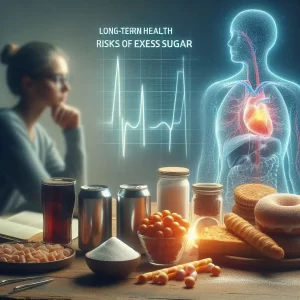
Long-Term Health Risks of Excess Sugar
Refined sugar may give moments of pleasure, but it’s more like a ticking time bomb for your health. Its dangers go far beyond post-meal fatigue:
-
Insulin Resistance – The Path to Diabetes
Chronic sugar intake overstimulates insulin production. Over time, cells lose sensitivity, leading to insulin resistance — the gateway to type 2 diabetes.
-
Weight Gain and Obesity
Empty calories fail to satisfy hunger, pushing you to eat more. Extra insulin also promotes fat storage, especially belly fat.
-
Heart Disease and Stroke
High sugar and fat levels in blood cause artery stiffening, increasing risk of heart attack and stroke.
-
Tooth Decay and Gum Disease
Sugar fuels oral bacteria, leading to cavities, decay, and gum inflammation.
-
Non-Alcoholic Fatty Liver Disease
Excess fructose overloads the liver, causing fat buildup and liver damage.
-
Increased Cancer Risk
Studies link high sugar intake to certain cancers, due to chronic inflammation and abnormal cell growth.
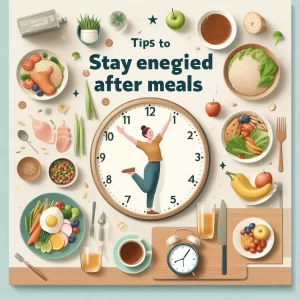
Tips to Stay Energized After Meals
Post-meal drowsiness isn’t inevitable! With smart habits, you can enjoy meals without losing energy.
-
Eat Smaller, Balanced Meals
Instead of one heavy meal, have smaller meals every 3–4 hours to keep blood sugar stable.
-
Choose Fiber-Rich Foods
Leafy greens, legumes, and whole grains slow sugar absorption and prevent energy crashes.
-
Add Protein and Healthy Fats
Protein (chicken, eggs, legumes) and healthy fats (nuts, avocado) keep you full longer and stabilize energy.
-
Move After Eating
Don’t give in to laziness! Even a 10-minute walk boosts circulation and digestion.
-
Stay Hydrated
Dehydration causes fatigue. Drink enough water and replace sodas with water or herbal tea.
-
Get Quality Sleep
Lack of sleep worsens sugar cravings and energy swings. Aim for 7–8 hours of deep sleep nightly.
Healthy Sugar Alternatives
Quitting white sugar doesn’t mean giving up sweetness. Try these natural, healthier options:
- Stevia – Zero-calorie natural sweetener, safe for diabetics and weight-loss diets.
- Honey – Rich in antioxidants, vitamins, and minerals (use in moderation).
- Date Molasses – Natural energy source packed with iron and minerals.
- Mashed Banana or Dates in Baking – Adds natural sweetness, fiber, and nutrients.
- Maple Syrup or Dried Fruits – Flavorful, nutrient-rich replacements for refined sugar.
Balanced Meal Ideas to Prevent Fatigue
Breakfast
- Boiled eggs or omelet with avocado slices.
- Whole-grain bread for fiber.
A mix of protein, healthy fats, and complex carbs to keep energy steady until midday.
Lunch
- Grilled chicken salad with leafy greens (spinach, arugula).
- Drizzle of olive oil and a handful of nuts.
Light yet filling, rich in protein and heart-healthy fats.
Dinner
- Grilled fish (salmon or sea bass).
- Brown rice for complex carbs.
- Sautéed veggies like broccoli, zucchini, and carrots.
A light, nutrient-rich dinner with omega-3 and fiber.
Healthy Snack
- Greek yogurt with fresh berries.
- Or a handful of unsalted nuts.
Snacks that give steady energy without sugar crashes.

White sugar may boost you for a moment, but it drains your energy and damages health in the long run. The key is moderation — and swapping it for natural, nutrient-rich alternatives that truly fuel your body.
Always remember: your health starts with your plate. And at Nutrition Travels, we’re here to guide your journey toward balanced, energized living.