

In the world of nutrition and health, many people are highly interested in nutrients that help boost immunity and protect the body from diseases. Among these nutrients, selenium in immune function stands out as an essential mineral. It supports the immune system and maintains cellular health against oxidative stress. Understanding how this mineral affects the body can help nutrition enthusiasts make informed dietary choices that support overall health.

What is Selenium?
Selenium is a trace mineral found naturally in soil. It is absorbed by plants and animals that we consume. The selenium content in foods depends on soil type and geographic location. This makes a balanced diet important to meet the recommended intake.
Selenium also helps enhance the body’s resistance to diseases and protects cells from oxidative stress.
Selenium in Immune Function and the Immune System:
Selenium benefits immunity because it is essential for the proper functioning of the immune system. It is also a key nutrient in combating the progression of viruses, including the human immunodeficiency virus (HIV).
Scientific research has shown that selenium deficiency may weaken antibody production and reduce the ability of immune cells to fight pathogens. On the other hand, consuming adequate amounts of selenium helps improve immune response and reduce inflammation, making it an essential nutrient for those interested in strong immune health.
Selenium and Oxidative Stress:
Oxidative stress is a condition that results from the accumulation of free radicals in the body, which are harmful molecules that can damage proteins and fats within cells. This damage is associated with many chronic conditions such as heart disease, cancer, and neurological disorders.
Here, selenium plays its role as an antioxidant. It works as part of antioxidant enzymes, such as glutathione peroxidase, which help neutralize free radicals and maintain cellular health.
Dietary Sources of Selenium for Immune Function:
1. Nuts: One of the richest sources of selenium, as a single nut can provide the recommended daily intake.
2. Fish and seafood: Such as salmon, tuna, and shrimp, which provide good amounts of selenium.
3. Meat and poultry: Beef, chicken, and turkey contain moderate levels of selenium.
4. Grains and seeds: Such as wheat, rice, and sunflower seeds, with the note that selenium content depends on soil quality.
5. Eggs and dairy products: Also provide a moderate amount of selenium to help meet daily needs.

The Impact of Selenium on Overall Health:
Paying attention to consuming adequate amounts of selenium is not limited to immunity and cell protection, but extends to supporting overall health in several ways:
1. Reducing the risk of certain types of cancer, especially prostate and lung cancer, by supporting the body’s ability to fight damaged cells.
2. Supporting heart health by reducing oxidative stress and chronic inflammation in blood vessels.
3. Enhancing cognitive function and protecting against age-related neurological decline, including some forms of dementia.
Recommended Daily Intake:
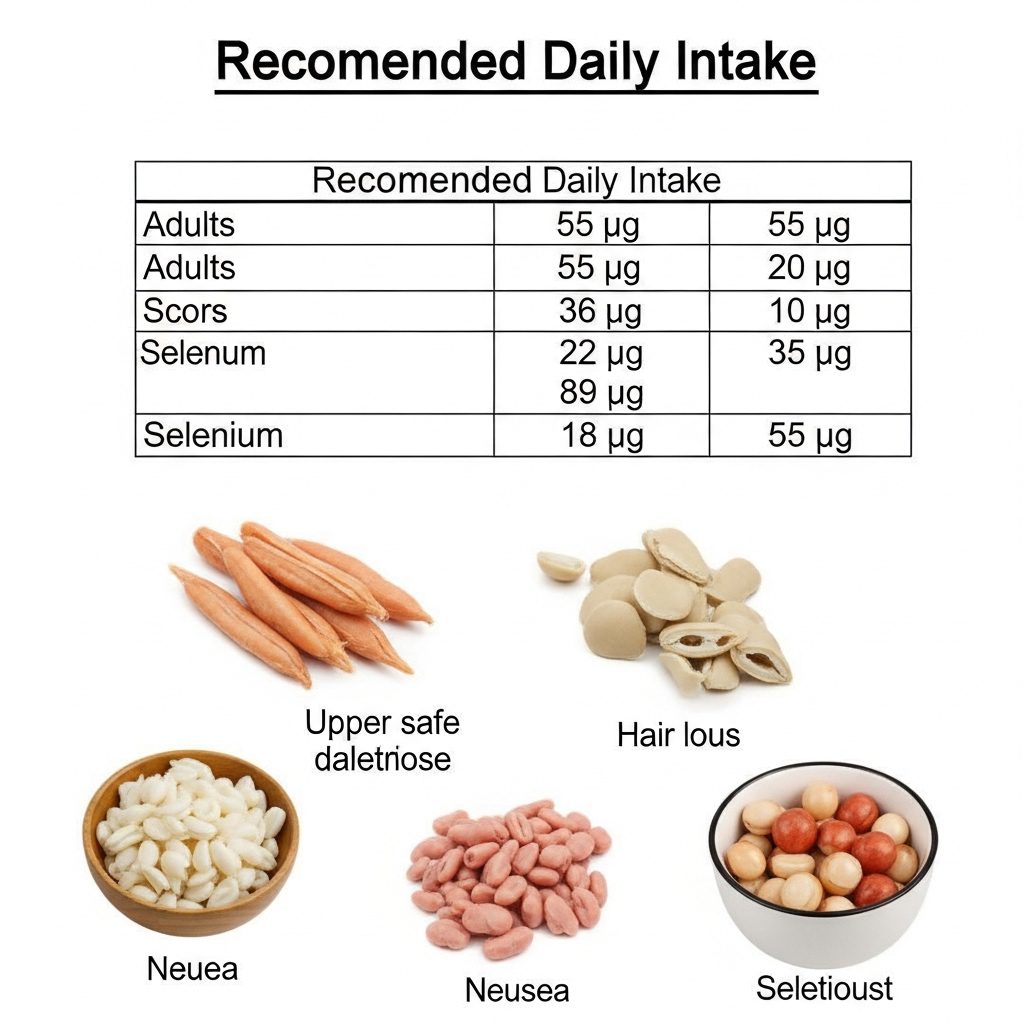
The recommended daily amount of selenium varies depending on age and gender. In general, adults need about 55 micrograms per day, while pregnant and breastfeeding women require slightly higher amounts to meet increased nutritional needs. It is important to note that exceeding the upper safe limit of selenium may lead to side effects such as nausea, hair loss, or digestive issues, which makes dietary balance essential.
Selenium can be considered a cornerstone in enhancing immune health and protecting the body from oxidative stress. Maintaining its balance in the diet helps support immune cells, regulate inflammation, and protect the body from chronic diseases. For individuals interested in nutrition, understanding selenium sources, recommended intake, and the importance of incorporating it into a balanced diet represents an important step toward improving overall health and preventing diseases in the long term. At Nutrition Travels, reliable and simplified information is available to help understand the role of various nutrients, including selenium, and how to benefit from them within a healthy and balanced lifestyle.