
Have you ever finished a workout and wondered: “I ate enough protein… but did my body actually use it?” This question brings us to an often-overlooked concept: protein bioavailability.
Not every gram of protein you consume is converted into new muscle tissue with the same efficiency. The difference isn’t just about quantity—it’s about how well your body digests, absorbs, and utilizes that protein.
In this first part, we’ll break down what protein bioavailability really means, why it differs between animal and plant sources, and how that affects muscle repair and growth.
Protein Bioavailability: What Is Protein Bioavailability?
In simple terms, protein bioavailability refers to:
The proportion of protein that is digested, absorbed, and effectively used by the body.
In other words, what matters isn’t just what’s on your plate—it’s what actually reaches your muscles.
When you eat protein, your body breaks it down into amino acids. These amino acids are the building blocks required to repair muscle tissue after exercise. However, the speed and efficiency of this process vary depending on the protein source.
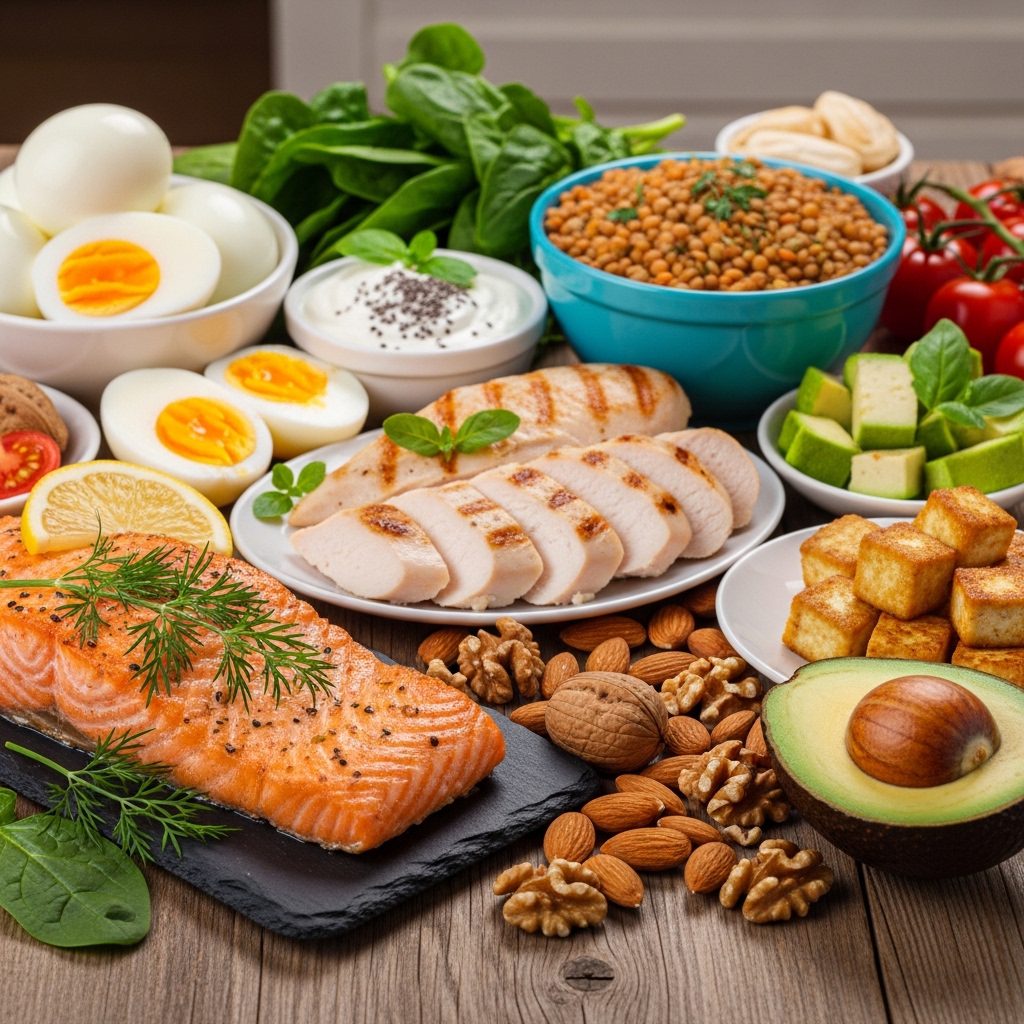
Why Bioavailability Matters for Muscle Repair:
After resistance training—whether weightlifting or bodyweight exercises—tiny micro-tears form in muscle fibers. The body needs essential amino acids to rebuild and strengthen those fibers.
When protein bioavailability is high:
-
- More amino acids enter the bloodstream.
- Muscle protein synthesis is stimulated more effectively.
- Recovery tends to be faster.
When bioavailability is lower:
-
- A greater total protein intake may be required to achieve the same effect.
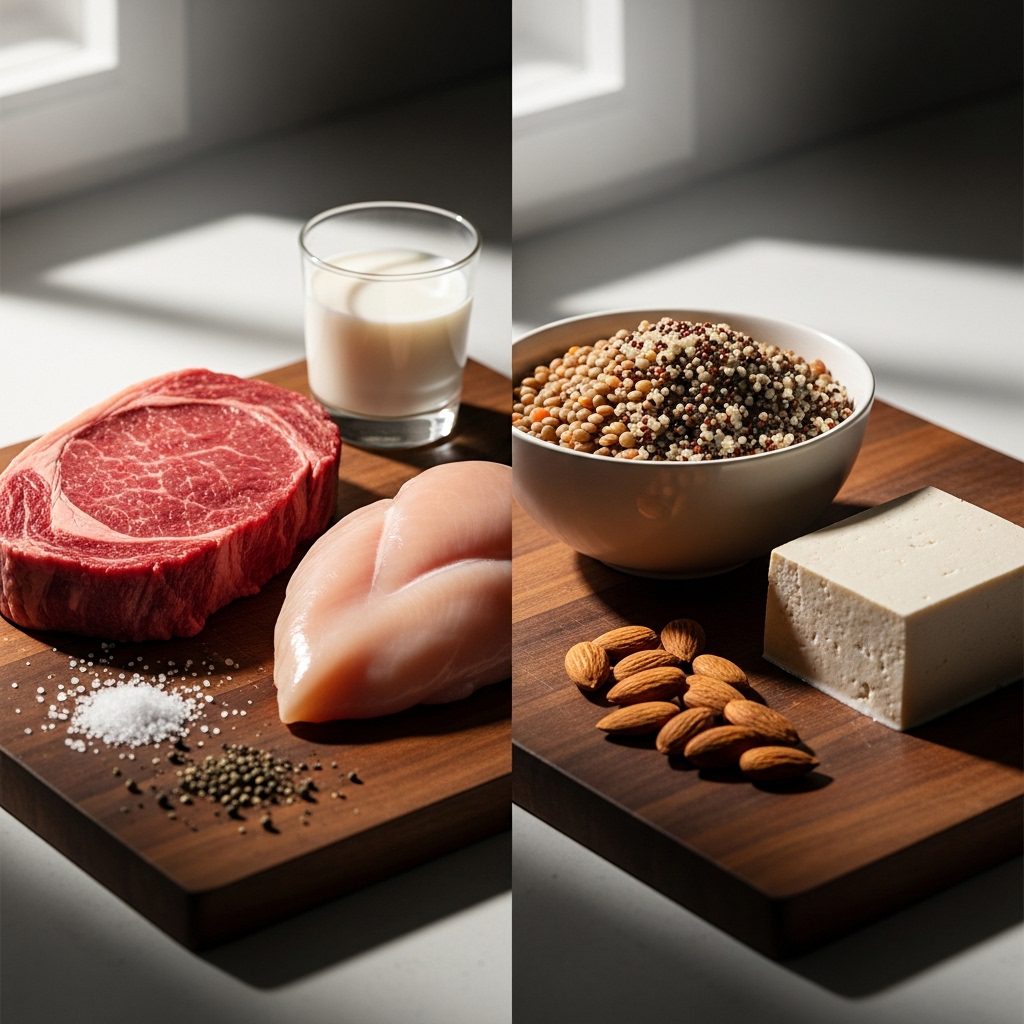
Animal Sources: Why Is Bioavailability Often Higher?
1. Complete Proteins:
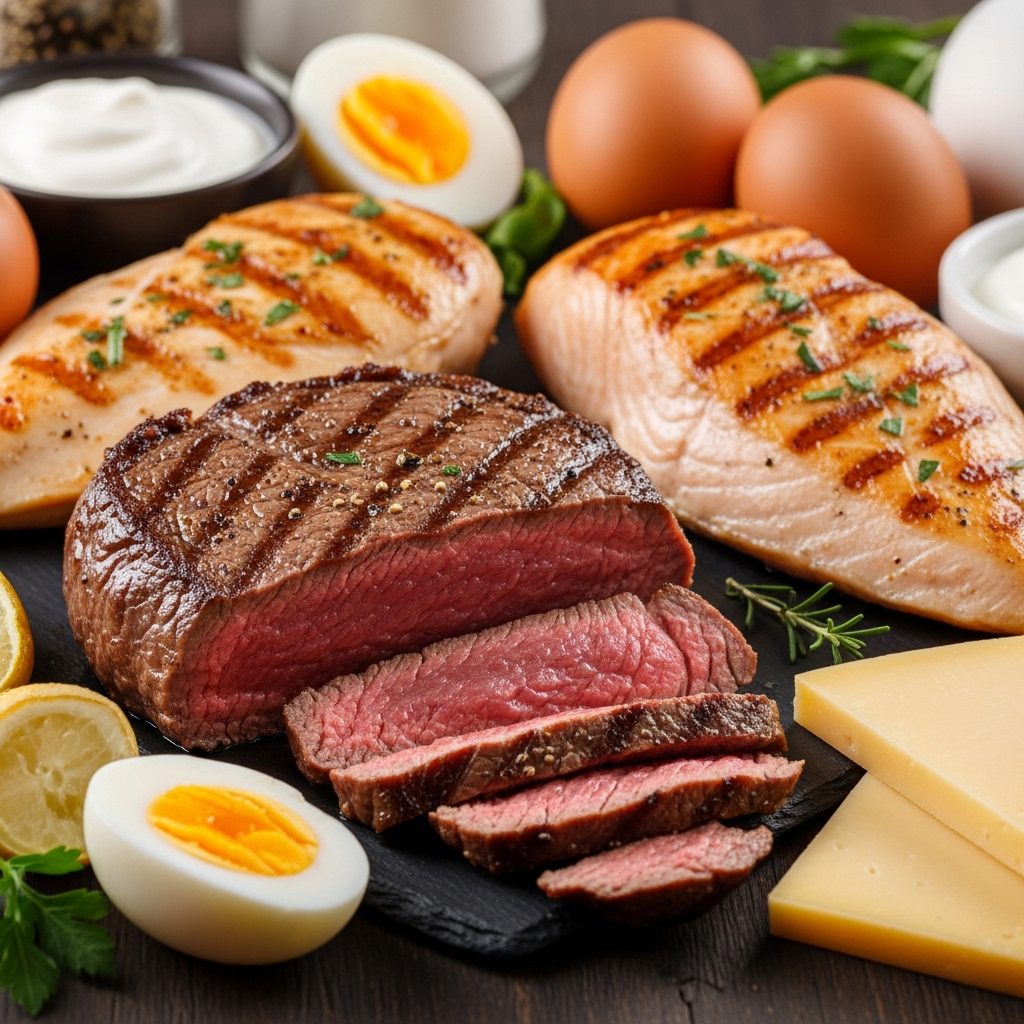
Animal-based proteins—such as meat, eggs, dairy, and fish—contain all nine essential amino acids in balanced proportions. This typically results in higher bioavailability.
For example:
Egg whites are considered one of the most highly absorbable protein sources.
Whey protein is also known for its rapid digestion and strong stimulation of muscle protein synthesis.
2. Digestibility:
Animal proteins generally contain fewer compounds that interfere with absorption (such as certain fibers or anti-nutrients found in plants), which further enhances bioavailability.
However, this does not mean animal protein is the only—or the best—option for everyone.
Plant Sources: Is Bioavailability Always Lower?
Not necessarily—but it can differ.
1- Limiting Amino Acids:
Some plant proteins (such as wheat or rice) are low in one or more essential amino acids. Relying on a single plant source may reduce overall bioavailability.
2- Anti-Nutritional Compounds:
Compounds like phytates can reduce mineral and nutrient absorption. However, soaking, cooking, and fermenting significantly reduce these effects.
3- The Power of Smart Pairing:
Combining legumes and grains (such as lentils with rice) improves the overall amino acid profile. With thoughtful combinations, plant-based diets can achieve strong bioavailability outcomes.
Protein Bioavailability: Can Vegans Build Muscle Effectively?
Absolutely:
Muscles don’t care about the source—they care about amino acids. Once protein is digested and broken down, the body uses the final building blocks the same way.
The key factors are:
-
- Adequate total protein intake
- Inclusion of all nine essential amino acids
- Sufficient leucine (a primary trigger for muscle protein synthesis)
When these conditions are met, muscle growth can be effectively stimulated on either an animal-based or plant-based diet.
Smart plant-based combinations include:
-
- Lentils + rice
- Chickpeas + whole-grain bread
- Peanut butter + oats
- Pea protein + rice protein (in supplements)
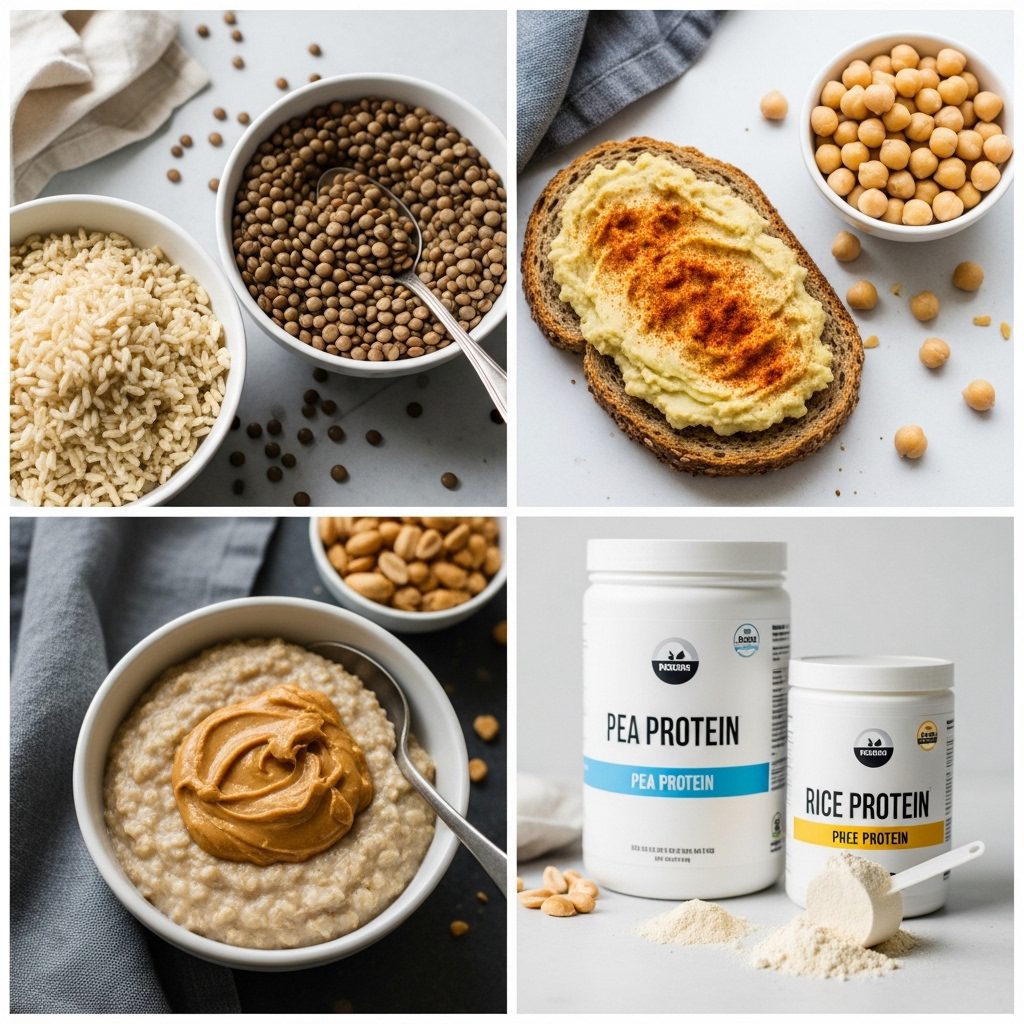
These pairings enhance the amino acid profile and bring efficiency closer to that of animal proteins.
Protein Bioavailability: Do Plant-Based Athletes Need More Protein?
In some cases, yes. A modest increase—around 10–15%—may help compensate for differences in digestibility or amino acid composition.
For example, a 70 kg athlete might aim for:
- 120 grams of protein per day
instead of 105 grams if relying entirely on plant sources.
It’s not a dramatic difference—but it’s strategic.
Applying Protein Bioavailability in Real Life:
Now that we understand the science, the practical question becomes:
How can you use this knowledge daily?
How Much Protein Do You Actually Need?
For physically active individuals, recommendations generally range from:
1.2 to 2.0 grams of protein per kilogram of body weight per day.
If dietary bioavailability is lower, a slight upward adjustment may be beneficial.
Why Protein Timing Matters:
Post-Workout:
Consuming a high-bioavailability protein source after training can help:
-
- Reduce muscle breakdown
- Accelerate recovery
- Support lean muscle growth
Daily Distribution:
Instead of consuming 60 grams in one sitting, it’s more effective to divide protein across 3–4 meals per day to stimulate muscle protein synthesis multiple times.

What About Protein Supplements?
They’re not essential for everyone.
-
- Whey protein is rapidly absorbed and highly bioavailable.
- Soy or pea protein are strong plant-based options, especially when blended.
That said, whole foods should remain the foundation.
Which Is Better: Animal or Plant Protein?
There’s no universal answer.
If your goal is:
-
- Maximum absorption efficiency with lower total intake → Animal sources may be practical.
- A plant-based lifestyle or reduced animal consumption → The same results are achievable with proper planning.
The most important factor is achieving the level of protein bioavailability that meets your individual needs.
Protein Bioavailability: Don’t Just Count Grams:
The real question isn’t:
“How much protein am I eating?”
It’s:
“How much protein is my body actually using?”
Understanding protein bioavailability gives you a strategic advantage in your health journey—whether you’re an athlete, a beginner, or simply aiming to improve your daily energy and recovery.
For science-based recommendations on protein needs and quality, you can consult the U.S. Department of Agriculture (USDA).

Your Journey Starts with Knowledge:
If you’re interested in exploring the deeper connection between nutrition and performance—or you’re looking for content that blends healthy living with mindful travel—discover more expert articles at nutritiontravels.
Read more. Learn more.
And give your body the best version of you.