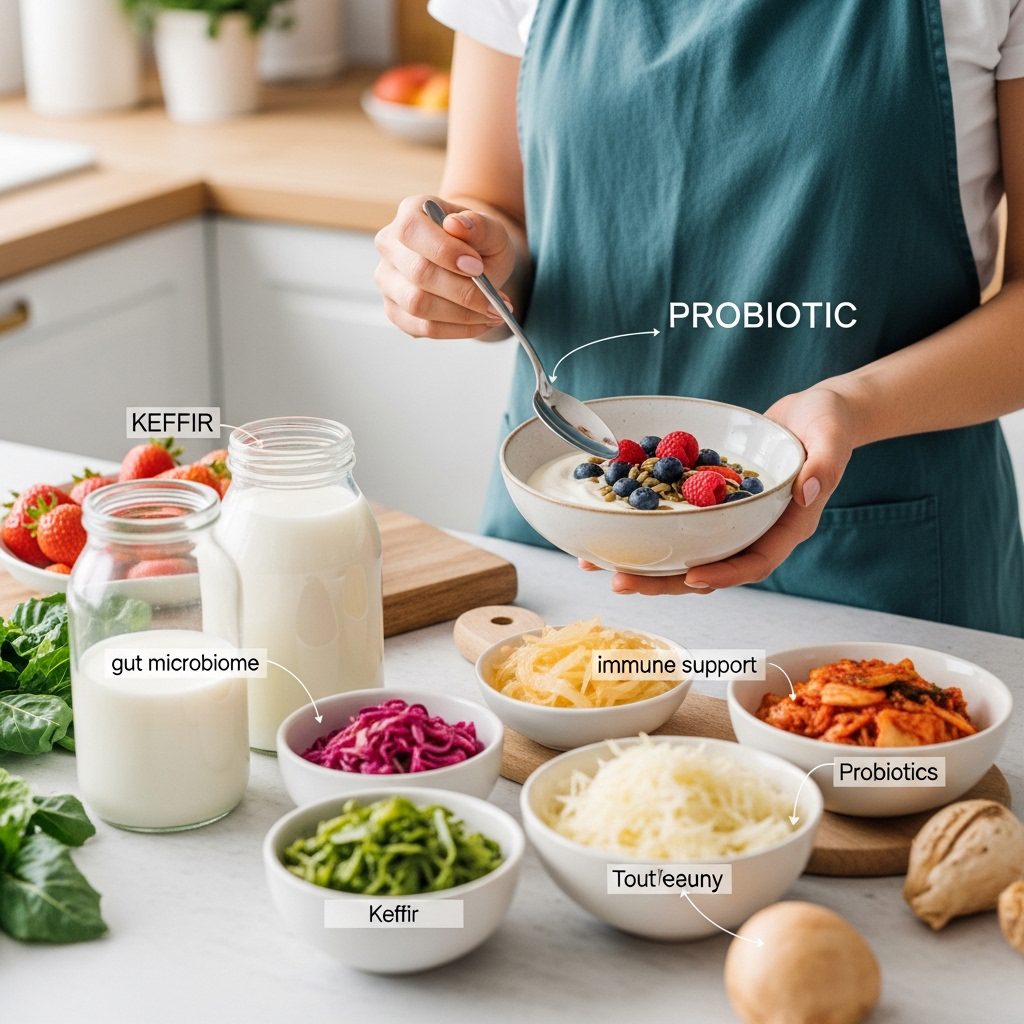
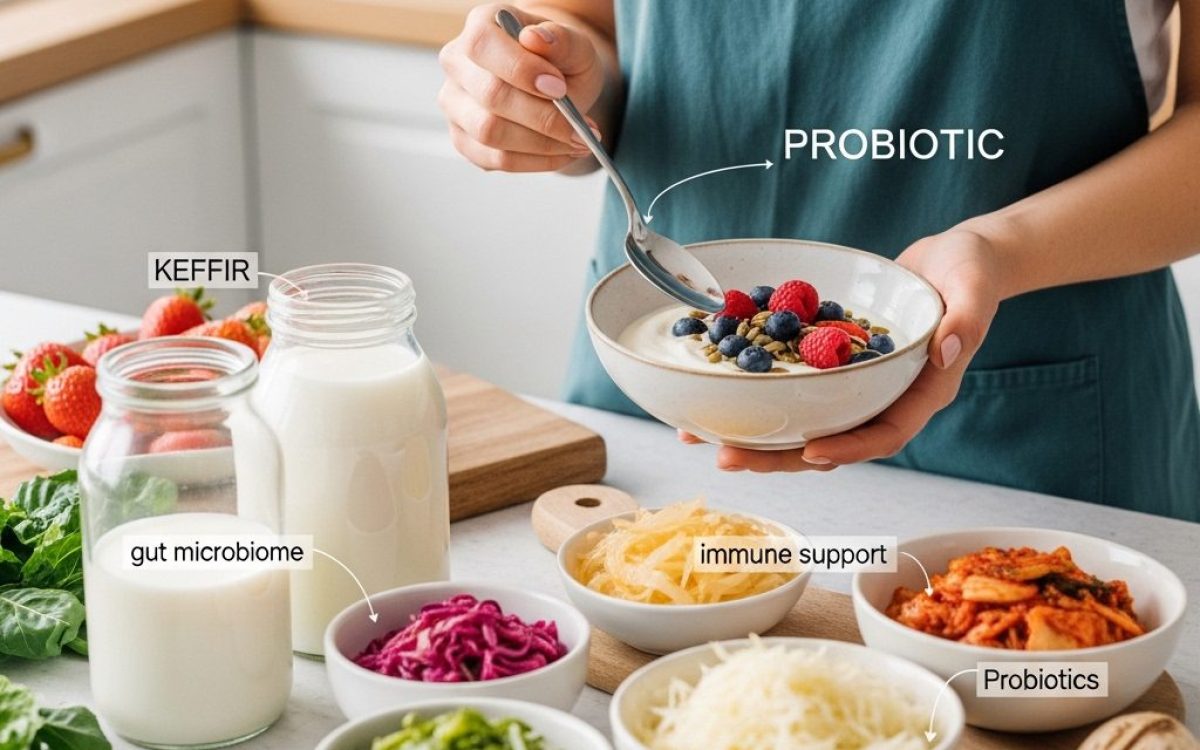
The human gut is more than just a digestive organ—it’s a central hub for immune function. Emerging research has highlighted the intricate connection between the gut microbiome and the immune system, revealing how the bacteria living in our intestines play a critical role in defending the body against infections, inflammation, and chronic disease. Probiotics, the beneficial microorganisms found in fermented foods and supplements, are key players in maintaining this delicate balance and boosting overall immune health.
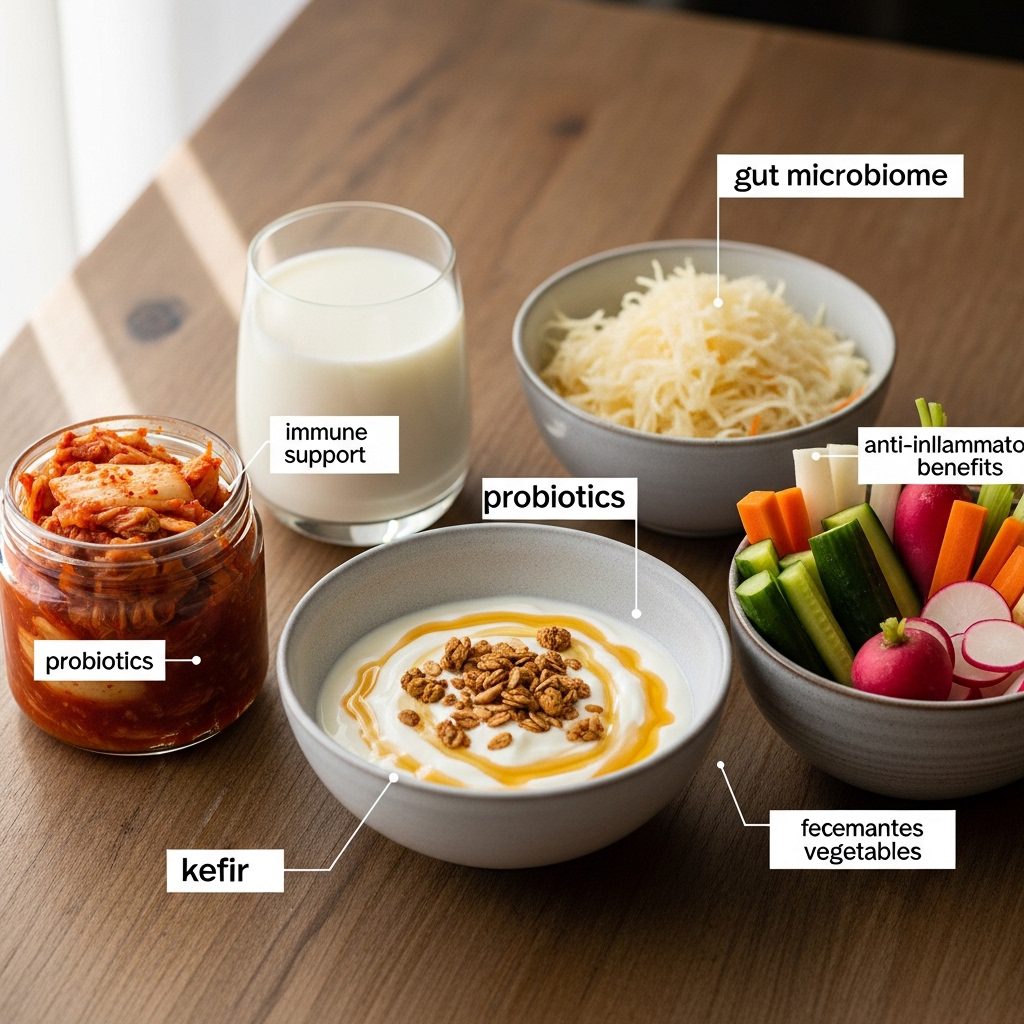
Understanding the Gut Microbiome:
The gut microbiome refers to the trillions of bacteria, fungi, and other microorganisms that inhabit the digestive tract. These microbes perform vital functions including digesting food, producing essential nutrients, and modulating immune responses.
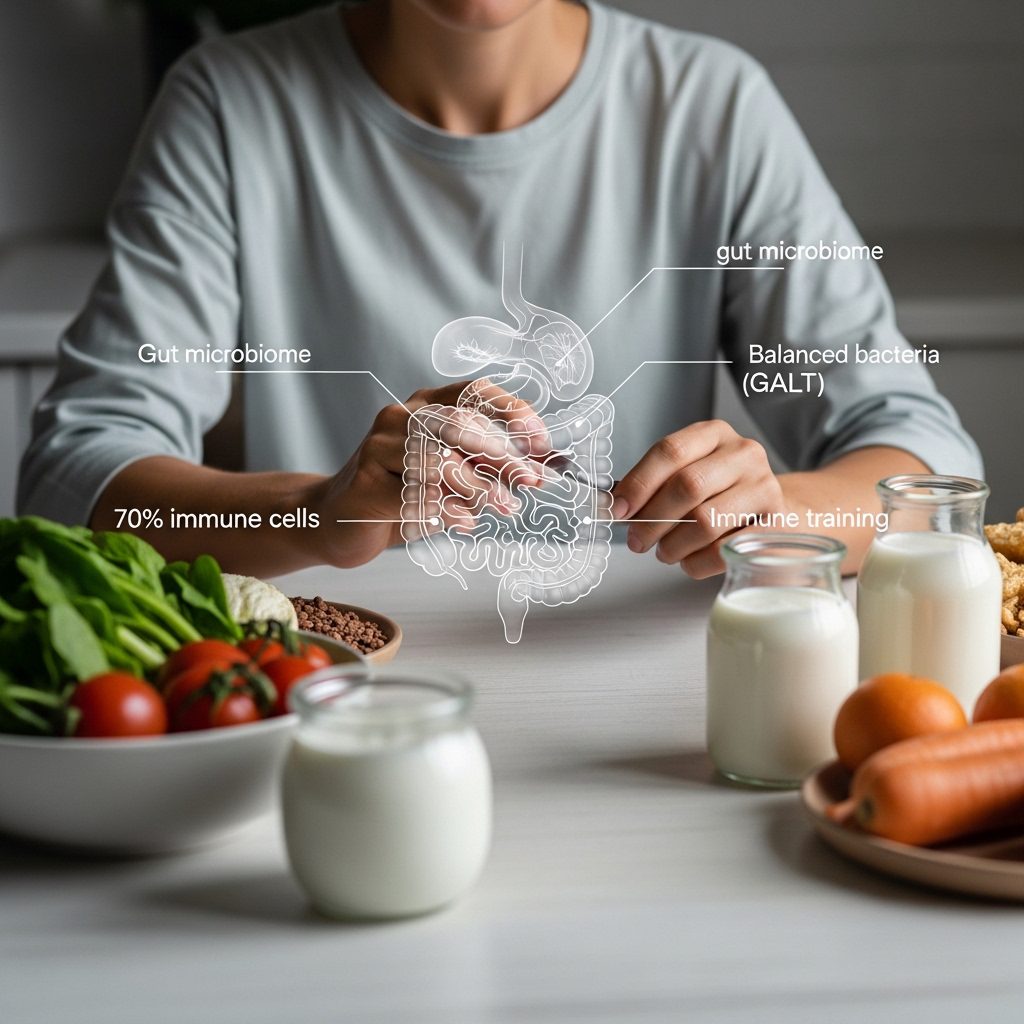
A healthy gut microbiome maintains a balanced ecosystem, where beneficial bacteria outnumber harmful pathogens. This balance supports the body in distinguishing between harmful invaders and harmless substances, preventing excessive inflammation and promoting a robust immune defense.
How the Gut Influences Immunity:
Approximately 70% of the body’s immune cells reside in the gut-associated lymphoid tissue (GALT), making the digestive system a key component of immune defense. The gut microbiome interacts with these immune cells in several ways:
- Training the immune system: Beneficial bacteria help educate immune cells to respond appropriately to pathogens.
- Producing antimicrobial compounds: Some gut microbes secrete substances that inhibit harmful bacteria.
- Modulating inflammation: A balanced microbiome can reduce chronic inflammation, which is linked to autoimmune and metabolic disorders.
Disruption of this delicate balance, known as dysbiosis, can impair immune function, leading to increased susceptibility to infections, allergies, and chronic inflammatory conditions.
The Role of Probiotics:
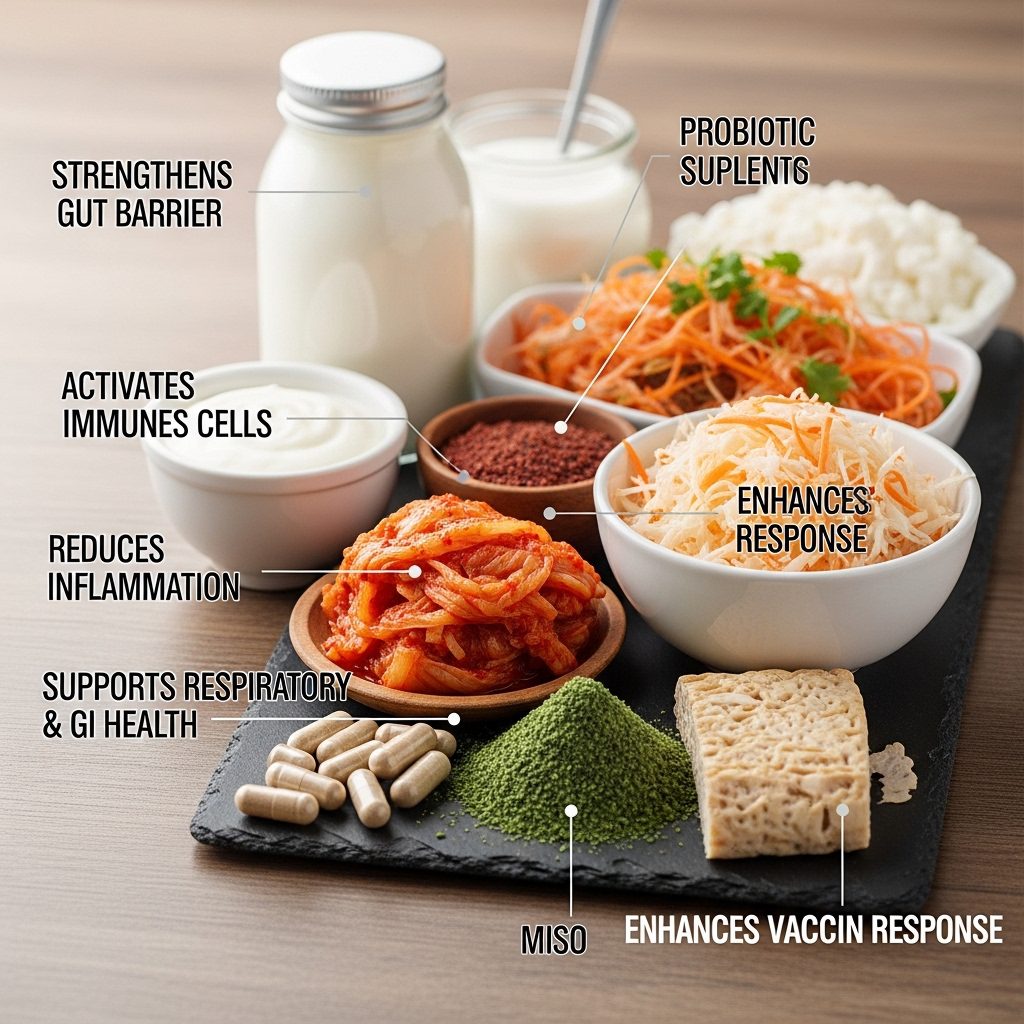
Probiotics are live microorganisms, typically bacteria or yeasts, that confer health benefits when consumed in adequate amounts. They are found naturally in fermented foods like yogurt, kefir, sauerkraut, kimchi, miso, and tempeh, or can be taken as dietary supplements.
Probiotics support immunity by:
- Enhancing the gut barrier: Strengthening the intestinal lining prevents pathogens from entering the bloodstream.
- Stimulating immune cells: Probiotics activate key immune cells, including macrophages, T cells, and natural killer cells.
- Balancing gut bacteria: They increase beneficial bacterial populations, which in turn regulate immune responses.
- Producing metabolites: Short-chain fatty acids (SCFAs) produced by probiotics reduce inflammation and support immune function.
Probiotics and Infection Resistance:
Clinical studies have shown that regular probiotic consumption can reduce the risk and duration of certain infections, particularly in the digestive and respiratory tracts. For example:
- Gastrointestinal infections: Probiotics can decrease the incidence of diarrhea caused by pathogens like Clostridium difficile and E. coli.
- Respiratory infections: Certain strains, such as Lactobacillus rhamnosus GG, have been linked to a lower risk of common colds and respiratory illnesses.
- Vaccine efficacy: Probiotics may enhance immune responses to vaccines, improving antibody production.
These findings suggest that probiotics not only maintain gut health but also actively support the body’s natural defenses.
Specific Probiotic Strains and Their Role in Immune Support:
Different probiotic strains offer varied health benefits:
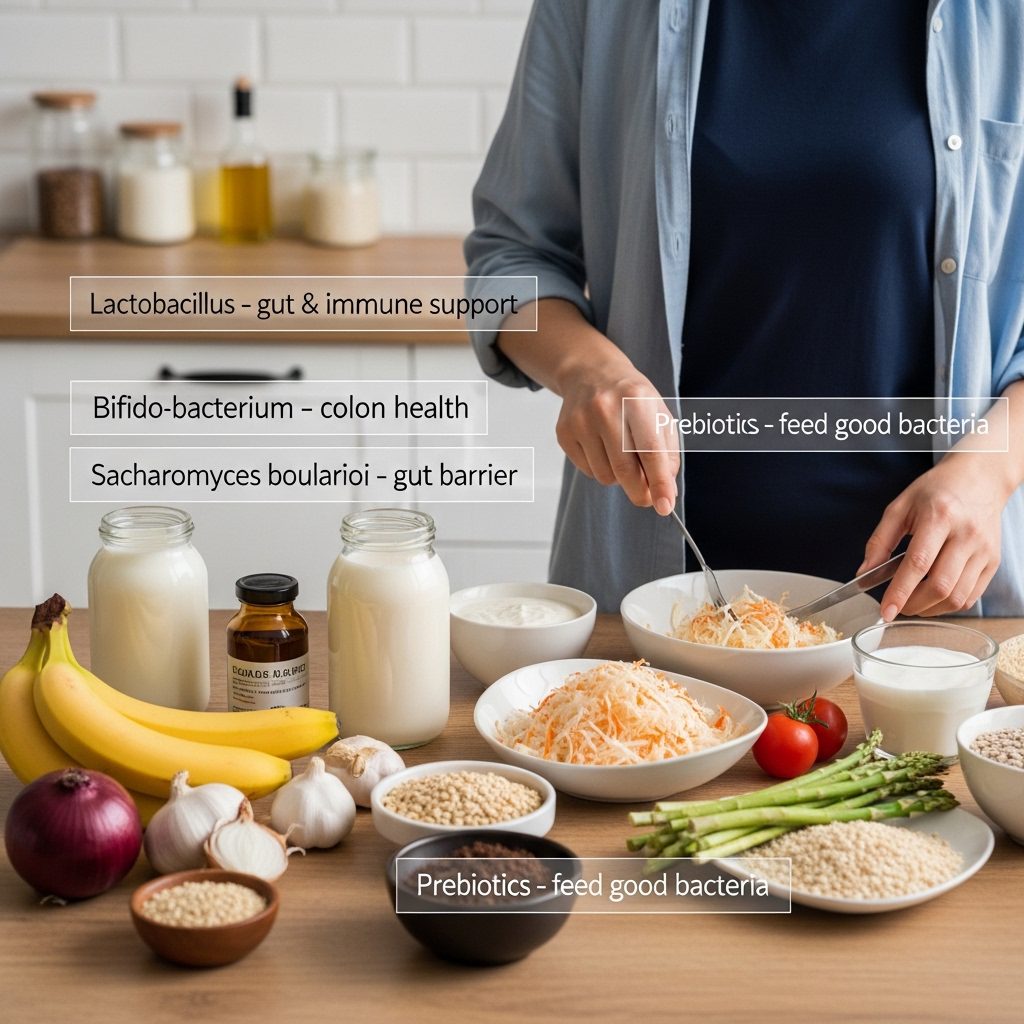
- Lactobacillus species: Aid in digesting lactose, maintaining vaginal health, and supporting gut immunity.
- Bifidobacterium species: Promote colon health, reduce inflammation, and prevent pathogen colonization.
- Saccharomyces boulardii: A beneficial yeast that supports gut barrier function and prevents antibiotic-associated diarrhea.
Incorporating a diverse range of probiotic strains ensures comprehensive immune support and gut health.
Prebiotics: Feeding the Good Bacteria:
While probiotics introduce beneficial bacteria, prebiotics serve as food for these microbes. Prebiotics are non-digestible fibers found in foods such as onions, garlic, bananas, asparagus, and whole grains. By feeding probiotics, prebiotics enhance their survival and activity, further strengthening the gut-immune connection.
Lifestyle Factors That Enhance the Gut-Immune Connection:
Beyond consuming probiotics and prebiotics, several lifestyle practices support a healthy gut microbiome:
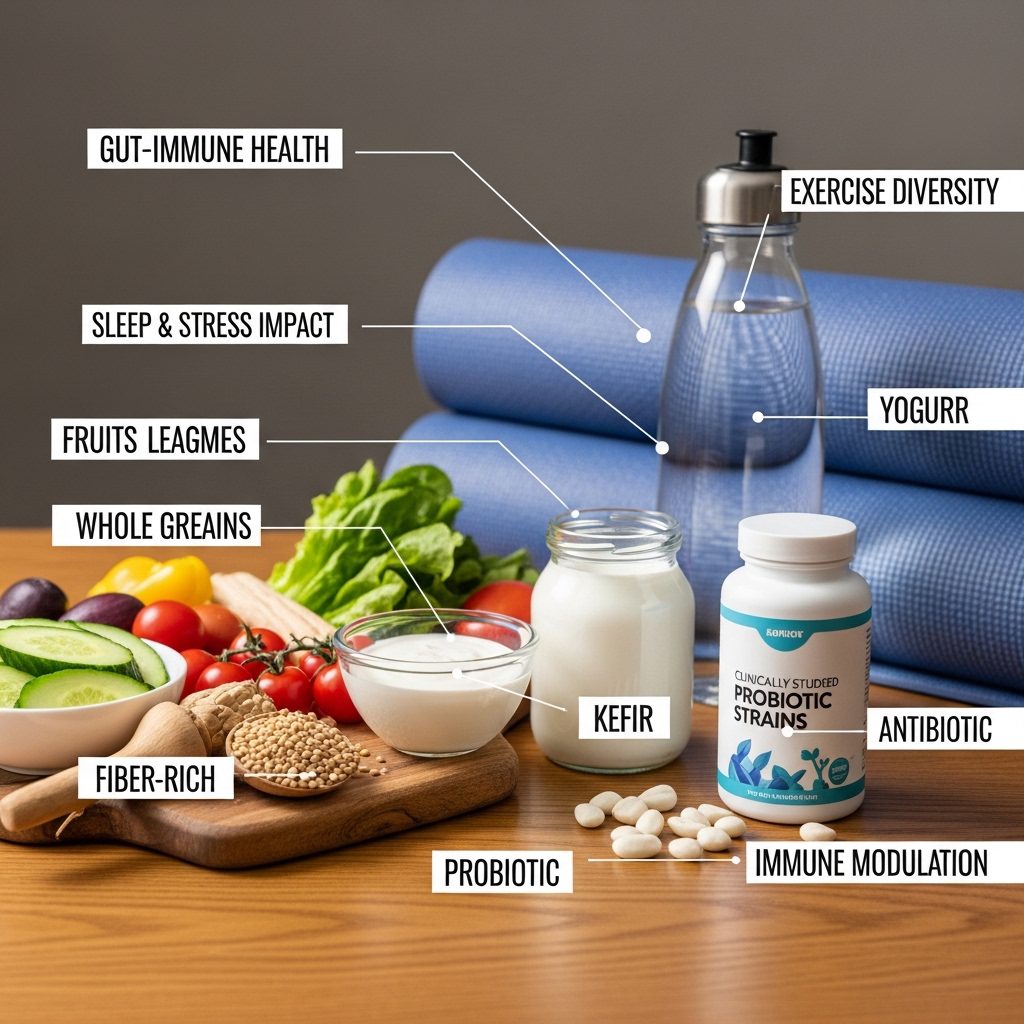
- Balanced diet: Focus on fiber-rich vegetables, fruits, legumes, and whole grains.
- Adequate sleep: Poor sleep can disrupt gut bacteria and weaken immunity.
- Stress management: Chronic stress negatively affects gut microbiota and immune function.
- Regular physical activity: Exercise promotes a diverse and resilient microbiome.
- Avoid unnecessary antibiotics: Antibiotics can disrupt gut balance, so use them judiciously.
These strategies complement probiotic intake and provide a holistic approach to immune resilience.
Safety and Considerations for Probiotic Use:
Probiotics are generally safe for healthy individuals. However, caution may be needed for:
- Immunocompromised individuals: Rare cases of bloodstream infections have been reported.
- People with certain medical conditions: Those with severe illnesses should consult a healthcare provider before starting probiotic supplements.
- Quality of supplements: Choose reputable brands with clinically studied strains and verified potency.
Monitoring symptoms and consulting with a healthcare professional ensures safe and effective probiotic use.
Scientific Research Highlights on the Gut-Immune Connection:
Recent studies emphasize the gut-immune relationship:
- A study in Frontiers in Immunology showed that probiotics modulate immune responses, reducing inflammation and supporting pathogen defense.
- Research published in Nutrients indicates that regular probiotic intake can shorten the duration of respiratory infections in both adults and children.
- Emerging evidence suggests probiotics may improve gut integrity and help prevent autoimmune diseases by modulating T-cell responses.
These findings underscore the growing recognition of probiotics as a critical tool for immune support.
The connection between the gut and the immune system is profound, highlighting the importance of a healthy microbiome for overall well-being. Probiotics play a pivotal role in maintaining this balance, supporting the gut barrier, modulating inflammation, and enhancing the body’s natural defenses. By incorporating probiotic-rich foods, complemented by prebiotics and a balanced lifestyle, you can strengthen your immune system naturally and promote long-term gut health.
For anyone looking to optimize immunity and digestive wellness, embracing probiotics is a simple yet powerful step. For more insights, nutrition tips, and science-backed dietary advice, visit Nutrition Travels for comprehensive guidance on supporting your gut and immune health.