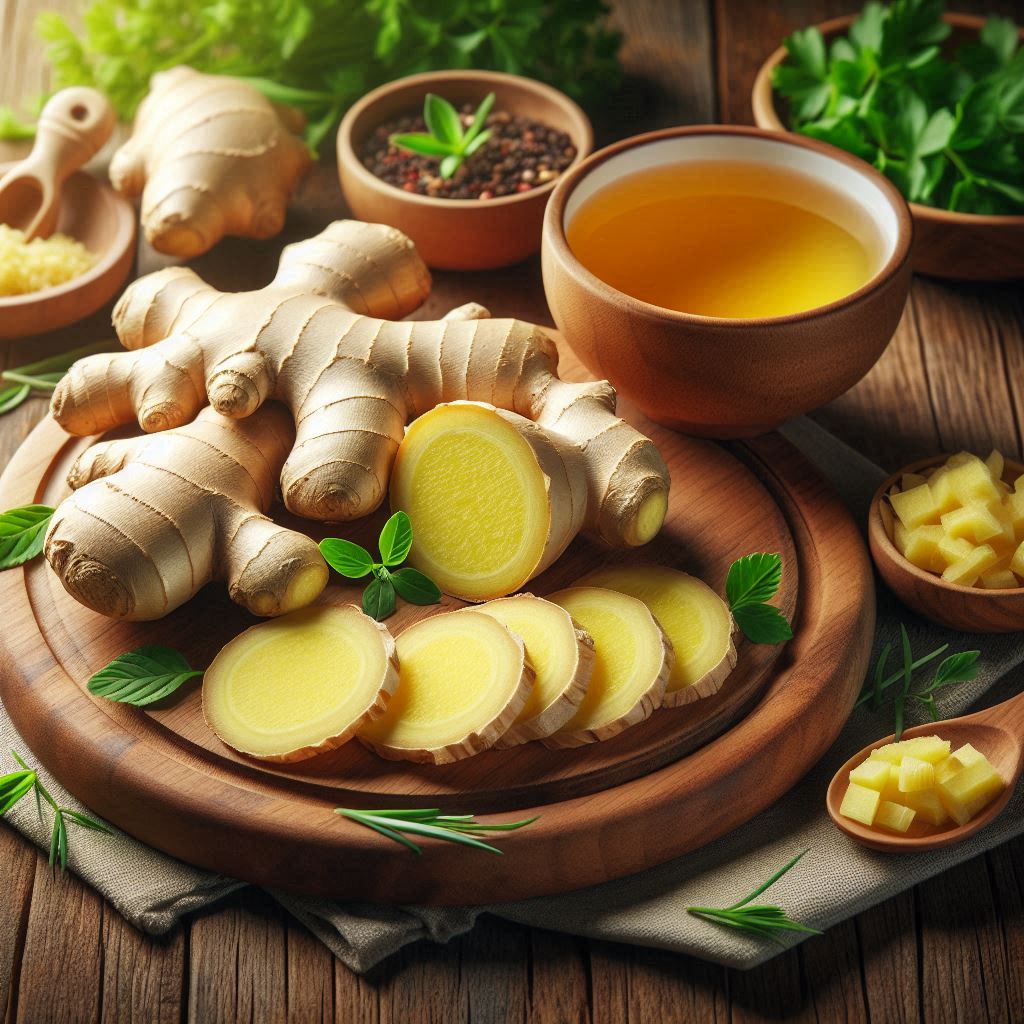
When discussing natural plants that have proven effective in supporting overall health, ginger root stands out as one of the most well-known and widely used herbs worldwide. Ginger is not just a spice added to foods; it is a treasure trove of bioactive compounds that provide the body with comprehensive health support, especially regarding inflammation and digestive functions.
What is Ginger Root:
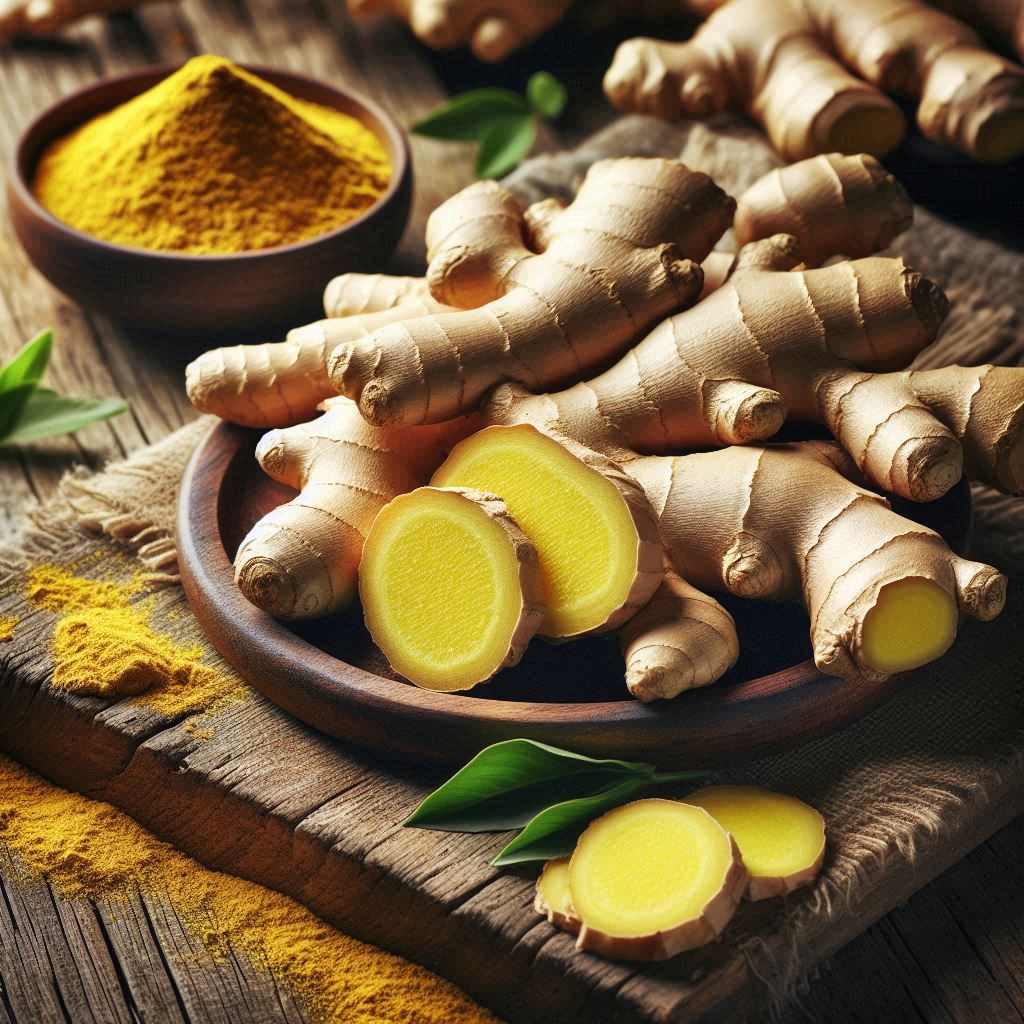
Ginger is a flowering plant native to Southeast Asia. It is used as a spice to add a mild flavor to both sweet and savory dishes. Ginger belongs to the Zingiberaceae family, which also includes spices such as galangal, turmeric, and cardamom.
In addition to its use in cooking, ginger is an essential ingredient in cosmetic products. It is widely used in traditional herbal remedies for its medicinal properties. Scientific research has shown that ginger has numerous health benefits, including anti-inflammatory, antioxidant, and anti-nausea properties. Ginger has also shown health benefits in pain relief, improving metabolic health, and digestive functions.
Anti-Inflammatory Properties of Ginger Root:
Ginger, with its pungent flavor, is a useful way to address inflammation, as it possesses anti-inflammatory properties due to the presence of gingerol, which acts as an antioxidant and reduces inflammatory enzymes. Ginger extracts may also reduce the secretion of many chemicals, such as leukotrienes, which increase the risk of arthritis.
Ginger also contains salicylates, which the body converts into a chemical known as salicylic acid, preventing nerves from forming prostaglandins and relieving pain caused by inflammation.
Benefits of Ginger for the Digestive System:
1. Relieving nausea and motion sickness: Consuming ginger in powdered form reduces seasickness and vomiting.
2. Stimulating stomach and intestinal motility: Ginger helps accelerate stomach emptying and improve intestinal movement, reducing bloating and the feeling of heaviness after meals.
3. Enhancing digestive enzyme secretion: The active compounds in ginger encourage the body to produce digestive juices and enzymes, facilitating the breakdown of food and absorption of nutrients.
4. Reducing gas and bloating: Through its soothing effect on the digestive system, ginger helps reduce gas accumulation and improves comfort after heavy meals.
Ginger and Its Effects on Heart Health and Metabolism:
In addition to its anti-inflammatory and digestive benefits, there is growing interest in ginger’s potential to support cardiovascular health. Some studies have shown that ginger may help:
- Regulate blood circulation and prevent fat accumulation in blood vessels.
- Help lower cholesterol levels.
- Support blood sugar balance by improving insulin sensitivity.

Ways to Use Ginger:
There are several ways to incorporate ginger into your daily diet:
1. Fresh ginger: Can be grated and added to juices, tea, or various meals for a distinct flavor and immediate health benefits.
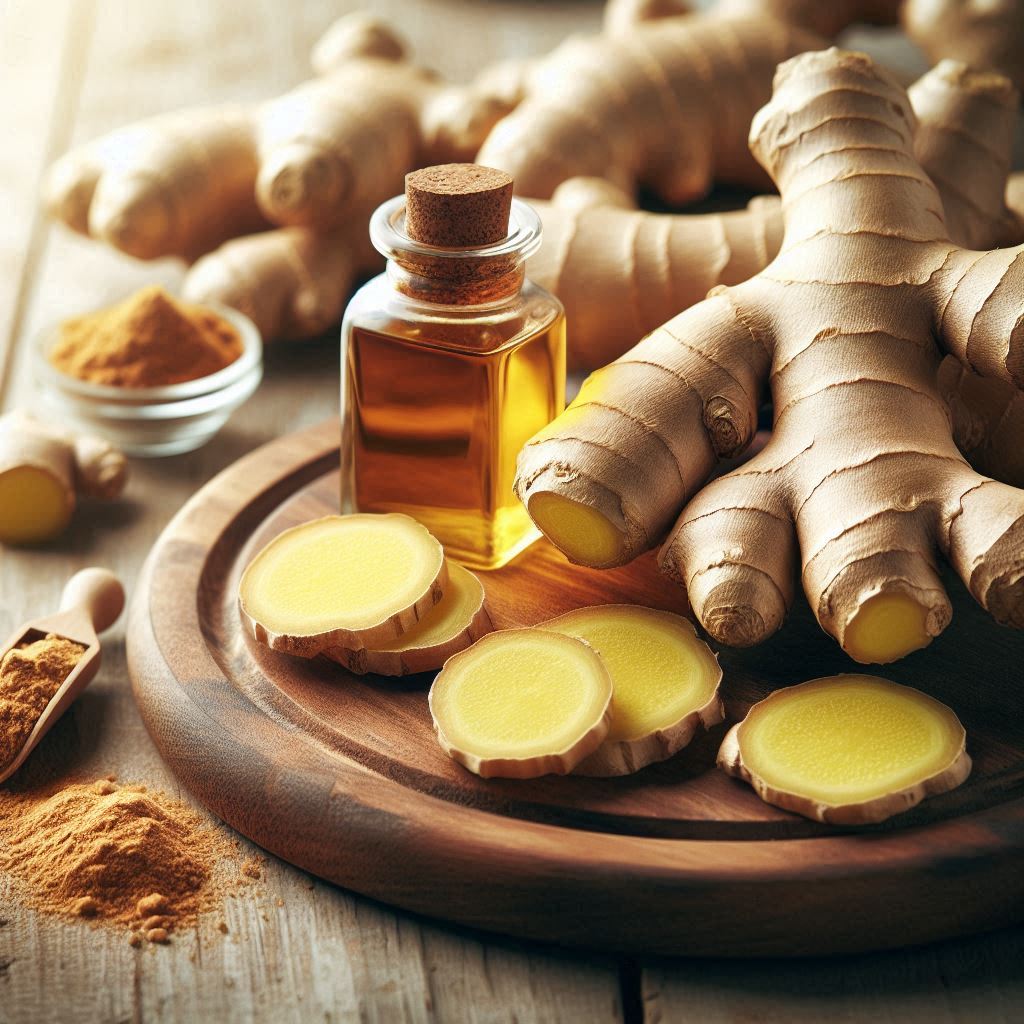
2. Ginger powder: Used in cooking and baking, retaining many of its active compounds.
3. Ginger extract or supplements: Provide concentrated doses of gingerol and shogaol, especially useful for people needing extra support for inflammation or digestive issues.
It is important to note that ginger is safe for most people when used in moderate amounts, but some individuals may experience mild stomach irritation or sensitivity. It is therefore recommended to start with small doses and monitor your response.
Integrating Ginger into a Healthy Diet:
To maximize ginger’s benefits, it is best to combine it with a diet rich in vegetables, fruits, healthy proteins, and whole grains. This combination ensures the intake of essential nutrients and enhances ginger’s effect in supporting overall health, whether in reducing inflammation or improving digestion.
For example, ginger can be added to:
- Green juices: With spinach, apple, and carrot, enhancing antioxidant power.
- Soups and cooked vegetables: Such as carrot soup or sweet potatoes with freshly grated ginger.
- Hot herbal drinks: A cup of ginger tea with honey can be beneficial after meals or when feeling nauseous.

Ginger root is a remarkable natural addition to any healthy diet due to its anti-inflammatory, digestive-supporting, cardiovascular, and metabolic-enhancing properties. Including it in your daily meals can enhance digestive comfort, reduce chronic inflammation, and provide the body with active compounds that protect against oxidative damage.
Over time, ginger has become more than just a spice; it is a dietary element that reflects a philosophy of caring for the body naturally and consistently, making it an ideal choice for those interested in health and nutrition.
At Nutrition Travels, you can find more detailed information and specialized articles that help you understand the benefits of ginger and other healthy foods in greater depth.