
When it comes to building a well-balanced vegetarian diet, vitamin B12 for vegetarians is one topic that simply cannot be overlooked. Vitamin B12 is essential for nerve health, red blood cell formation, and proper brain function. The challenge, however, is that this vitamin is found naturally almost exclusively in animal-based foods — which puts vegetarians and especially vegans at higher risk of deficiency without careful planning.
The good news? Preventing vitamin B12 deficiency is entirely manageable with the right knowledge, regular testing, and appropriate supplementation when needed.
Why Is Vitamin B12 a Critical Issue for Vegetarians?
Vitamin B12 (cobalamin) plays a vital role in:
- Producing red blood cells
- Supporting the nervous system
- DNA synthesis
- Preventing megaloblastic anemia
This is why addressing vitamin B12 for vegetarians is not optional — it’s a key health priority.
Why Are Vegetarians at Higher Risk?
Natural sources of vitamin B12 include:
- Meat
- Fish
- Eggs
- Dairy products

A strict vegan diet eliminates all of these sources. Even vegetarians who consume dairy or eggs may not consistently meet their daily requirements.
One of the challenges with vitamin B12 deficiency is that symptoms can develop slowly — sometimes over years — because the body stores B12 for extended periods. This delayed onset makes regular blood testing especially important.
How Much Vitamin B12 Do You Need?
The recommended daily intake for adults is approximately 2.4 micrograms per day.
However, supplement doses are often higher than this. Why? Because absorption rates vary and are not 100% efficient. This is why choosing a well-formulated supplement based on your individual needs is more reliable than guessing.
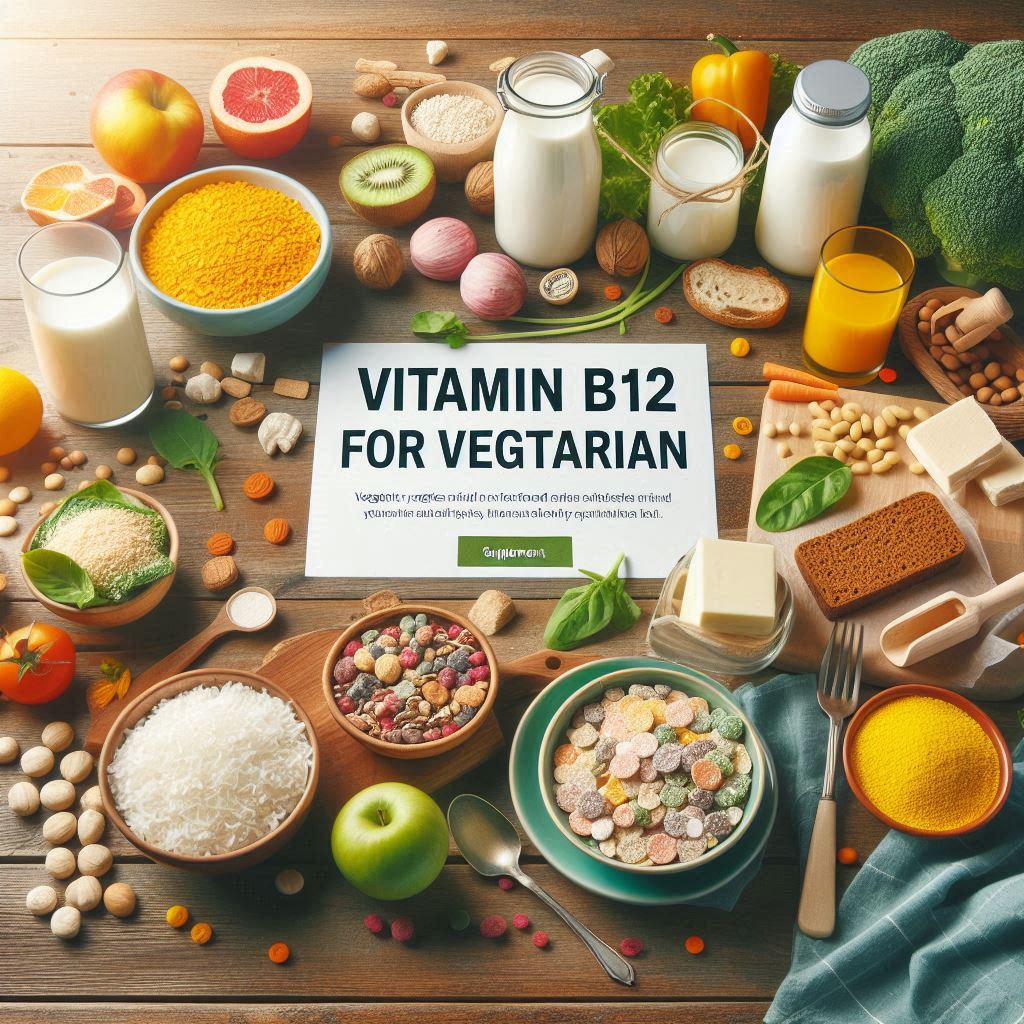
Fortified Plant-Based Sources:
When discussing vitamin B12 for vegetarians, fortified foods can help bridge the gap. Examples include:
- Fortified plant-based milk
- Certain breakfast cereals
- Fortified nutritional yeast
That said, it’s important to read labels carefully. Not all plant-based products contain B12, and fortified foods alone may not always provide adequate daily intake.

A Practical Starting Point:
If you’ve recently adopted a vegetarian or vegan diet, begin with two simple steps:
1. Get a blood test to measure your B12 levels.
2. Review your diet to determine whether you regularly consume fortified foods.
This approach replaces uncertainty with clarity and gives you a solid foundation for planning.
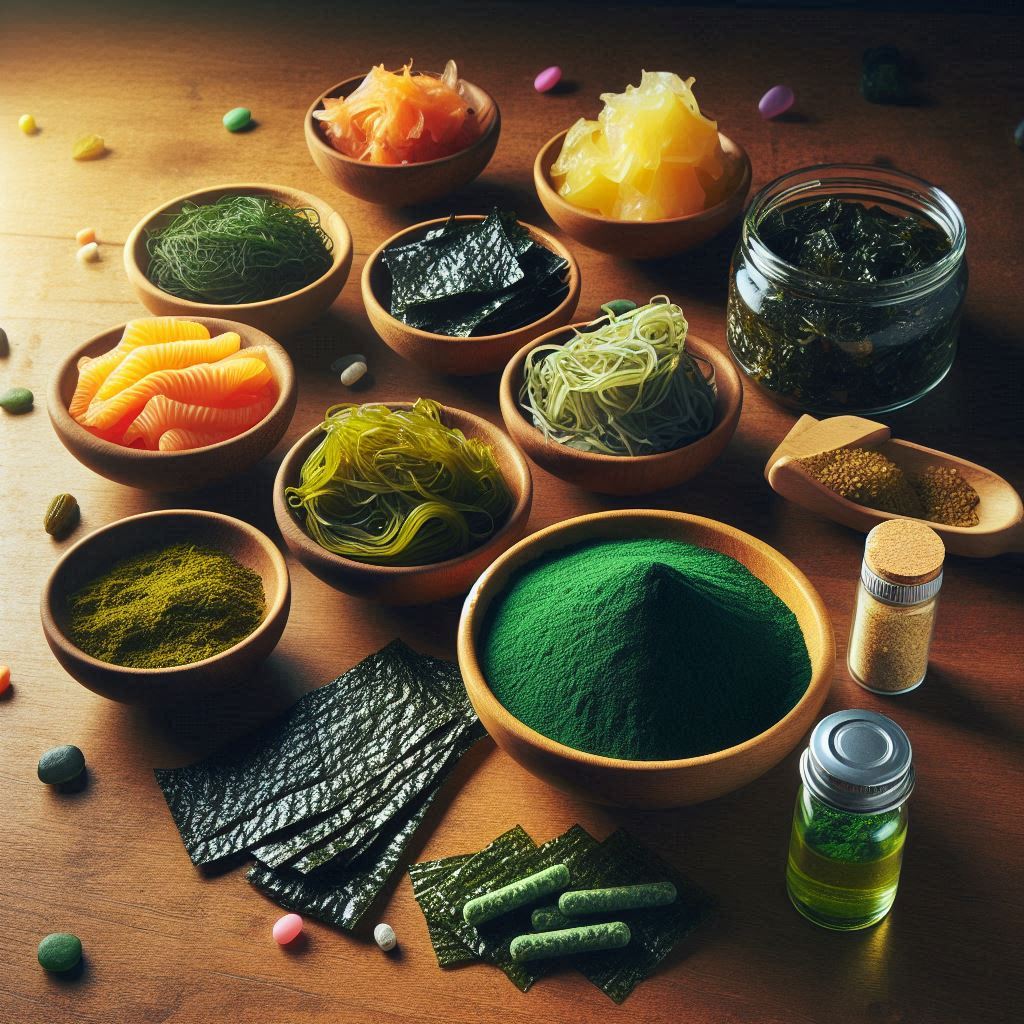
What About Algae and “Natural” Alternatives?
There’s a common belief that certain algae or fermented foods naturally provide sufficient vitamin B12 for vegetarians. However, research suggests that many of these sources contain inactive B12 analogs that the body cannot effectively use.
Relying on them as your primary source may increase your risk of deficiency without you realizing it.
Choosing the Right Vitamin B12 Supplement:
When selecting a B12 supplement, you’ll typically encounter two main forms:
1. Cyanocobalamin:
This is the most widely studied and stable form. The body efficiently converts it into active forms, and it is considered a reliable and cost-effective option for most people.
2. Methylcobalamin:
This is a biologically active form of B12. It may be preferred in certain cases involving absorption issues, but it tends to be less stable and sometimes more expensive.
Scientifically speaking, both forms are effective when taken in appropriate doses and on a consistent basis.
Vitamin B12 for Vegetarians: What’s the Right Dose?
Although the basic daily requirement is 2.4 micrograms, B12 supplements for vegetarians often contain 250–1000 micrograms per dose.

This is because absorption depends on a complex mechanism involving intrinsic factor in the stomach, and only a percentage of large oral doses is absorbed.
Common approaches include:
- A small daily dose
- A higher weekly dose
The ideal plan should be guided by blood test results and professional medical advice.
When Are Injections Necessary?
In certain cases, such as:
- Severe deficiency
- Malabsorption conditions
- Clear neurological symptoms
A physician may recommend vitamin B12 injections instead of oral supplements.
Injections act more quickly, but they are not necessary for everyone following a vegetarian diet. Regular monitoring helps prevent reaching this stage.
Common Mistakes to Avoid:
When managing vitamin B12 for vegetarians, avoid these frequent errors:
- Relying solely on how you “feel” without testing
- Assuming occasional egg consumption is enough
- Depending on unverified sources like algae
- Stopping supplementation immediately after lab results improve
Consistency matters, because the body cannot produce vitamin B12 on its own.

Vitamin B12 for Vegetarians : A Realistic Action Plan:
If you’ve been vegetarian for over a year and haven’t checked your B12 levels, make this month your starting point:
- Schedule a blood test for vitamin B12.
- If levels are borderline low, discuss preventive supplementation with a healthcare professional.
- Set a reminder to retest every 6–12 months.
These small steps turn vitamin B12 management into a routine health habit instead of a future concern.
Is Long-Term Supplementation Safe?
Vitamin B12 is water-soluble, meaning excess amounts are typically excreted in urine. For most individuals, appropriate supplementation under periodic monitoring is considered safe.
The greater risk lies in ignoring the issue. Untreated B12 deficiency can lead to serious and potentially irreversible neurological damage.
According to the U.S. National Institutes of Health (NIH), vitamin B12 deficiency may lead to fatigue, difficulty concentrating, numbness in the hands and feet, and even neurological complications if left untreated for a long period.
Vitamin B12 for Vegetarians : Final Thoughts:
Vitamin B12 for vegetarians is not an obstacle to a plant-based lifestyle — it’s simply a nutrient that requires awareness and smart planning.
Regular testing, selecting a reliable supplement, and maintaining consistent intake are enough to protect nerve health, energy levels, and mental clarity.

A vegetarian diet can be fully healthy and balanced — as long as its details are managed thoughtfully.
If you’re looking for clear, practical guidance on vitamin B12 for vegetarians and how to build a well-structured plant-based diet without common mistakes, visit nutritiontravels, where science-based nutrition meets simple, everyday application.