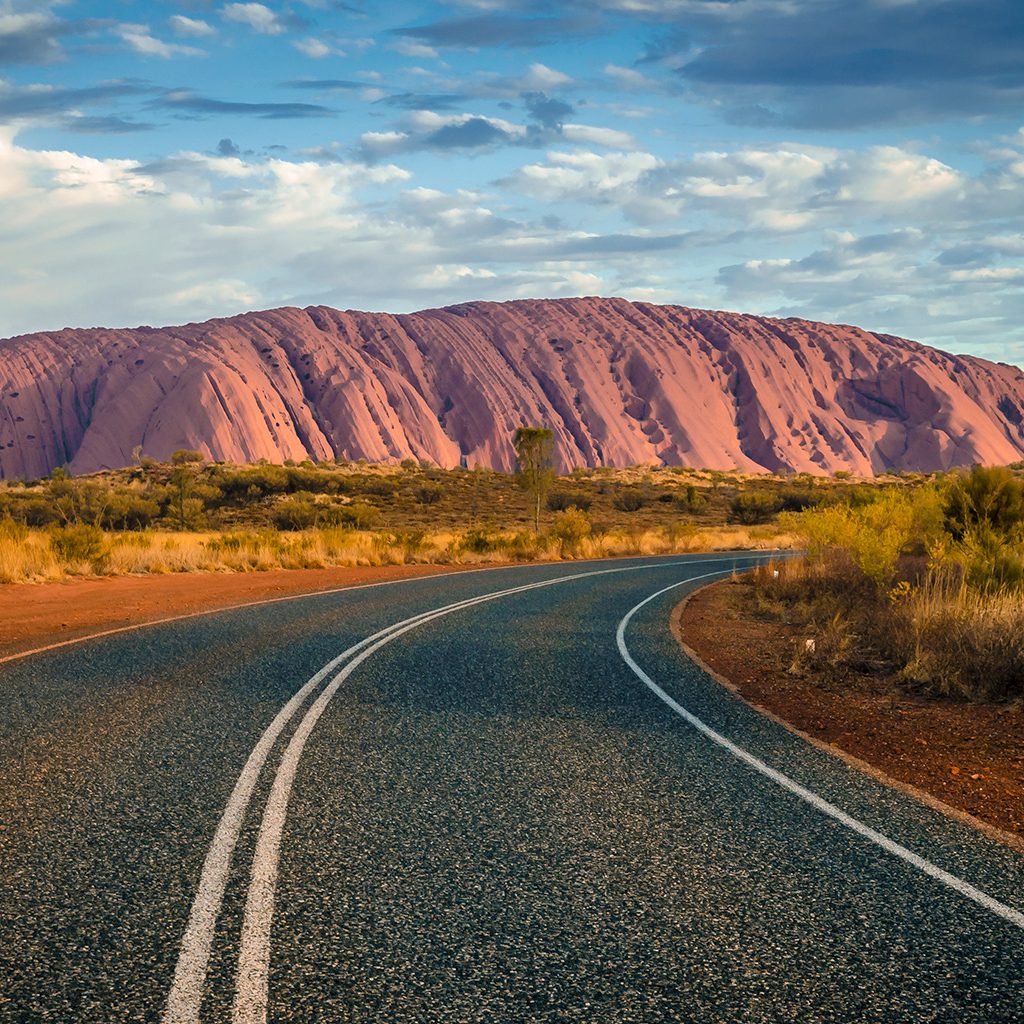

Few places on Earth carry the spiritual weight, cultural depth, and raw natural beauty of Uluru and the Red Centre. Located in the heart of Australia’s Northern Territory, this vast desert region is home to one of the world’s most iconic landmarks — Uluru — a sacred sandstone monolith that rises dramatically from the red earth of the outback.
But Uluru and the Red Centre are more than just a scenic destination. They represent one of the oldest living cultures on Earth, breathtaking desert landscapes, and an unforgettable road trip through Australia’s spiritual heartland.
If you are looking for a journey that blends adventure, culture, and meaning, this sacred region delivers an experience unlike anywhere else in the world.
Where Is Uluru and the Red Centre?
Uluru and the Red Centre are located in Australia’s Northern Territory, far from the coastal cities of Sydney and Melbourne. The region centers around Uluru-Kata Tjuta National Park, a UNESCO World Heritage Site recognized for both its natural significance and its cultural importance.
The Red Centre refers to the vast desert interior of Australia, characterized by red sand, rugged mountain ranges, and endless horizons. Its name comes from the iron-rich soil that gives the landscape its distinctive reddish color.
The nearest town to Uluru is Yulara, home to Ayers Rock Resort, which provides accommodation, tours, and essential services for visitors exploring the area.
The Sacred Meaning of Uluru:
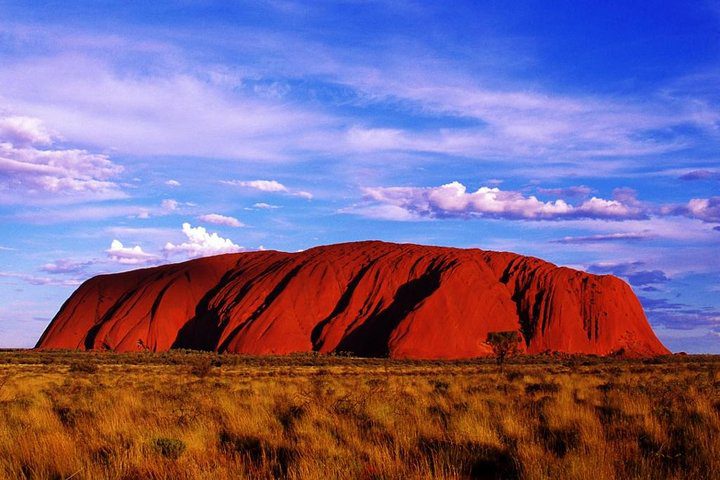
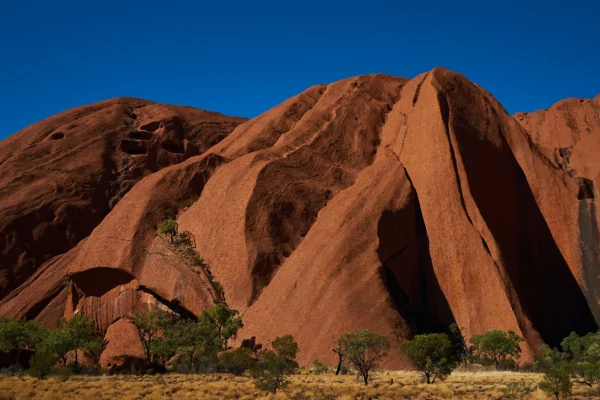
At the center of Uluru and the Red Centre stands Uluru itself — a monolith estimated to be over 550 million years old. Rising 348 meters above ground (and extending far below the surface), Uluru is one of the largest single rocks in the world.
However, its importance goes far beyond geology.
For the Anangu people, the traditional custodians of the land, Uluru is sacred. It plays a central role in Tjukurpa (often translated as Dreamtime), the spiritual belief system that explains the creation of the land and establishes cultural law.
Every cave, waterhole, and fissure around Uluru holds meaning connected to ancestral stories. These stories are not myths of the past — they remain living law and spiritual guidance for the Anangu people today.
In 1985, ownership of Uluru was officially returned to the Anangu community, marking a historic moment in Australian reconciliation.
Why Climbing Uluru Is No Longer Allowed:
For decades, tourists climbed Uluru despite its sacred significance. However, in October 2019, climbing Uluru was permanently banned out of respect for Anangu culture and visitor safety.
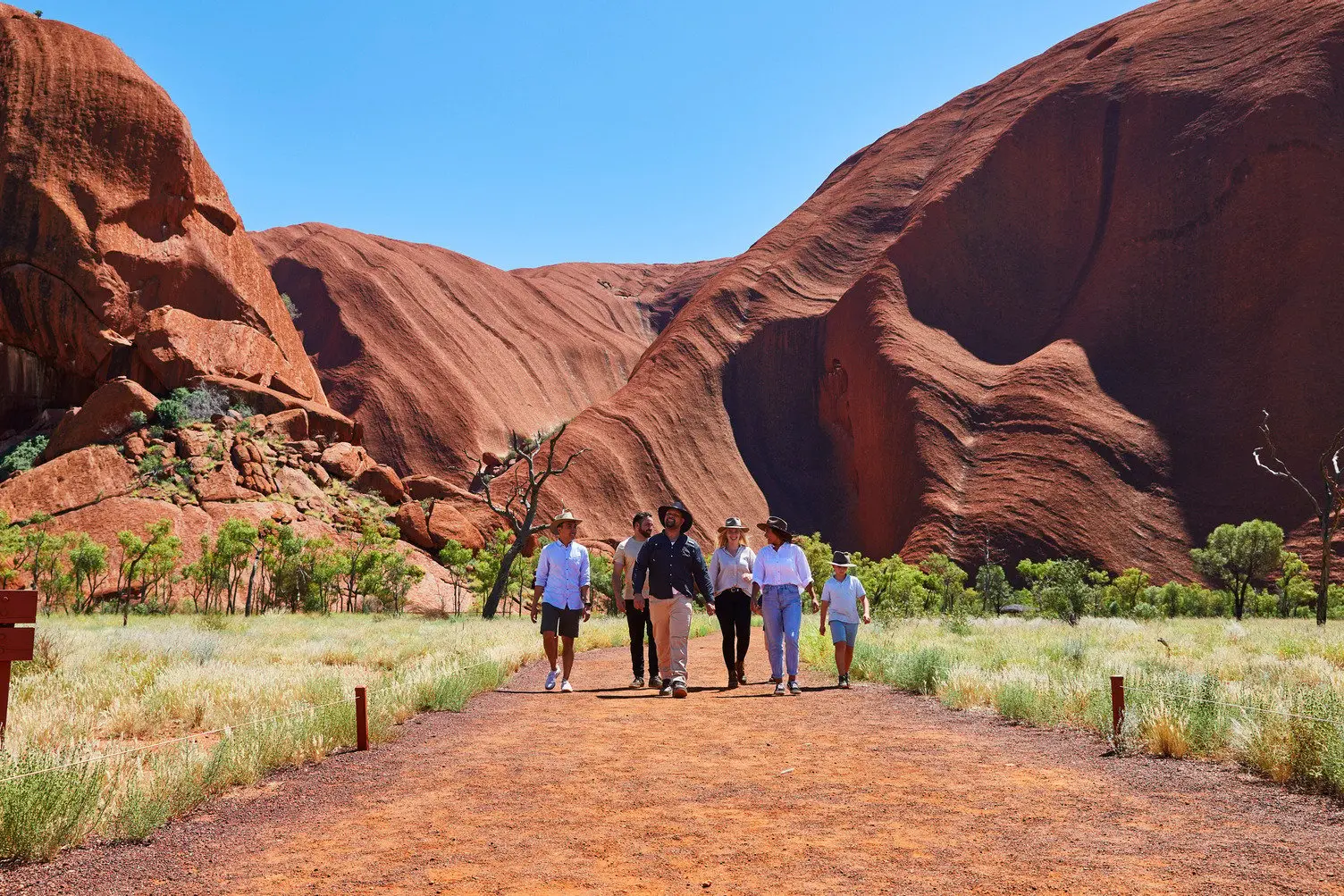
Today, travelers are encouraged to experience Uluru and the Red Centre in ways that honor Indigenous traditions. The 10.6 km Uluru Base Walk offers a respectful and immersive alternative. Along this path, visitors can see ancient rock art, learn about desert plants, and understand the cultural meaning of different sections of the rock.
Responsible travel in the Red Centre means respecting photography restrictions, staying on marked trails, and listening to Indigenous guidance.

The Magical Color Changes of Uluru:
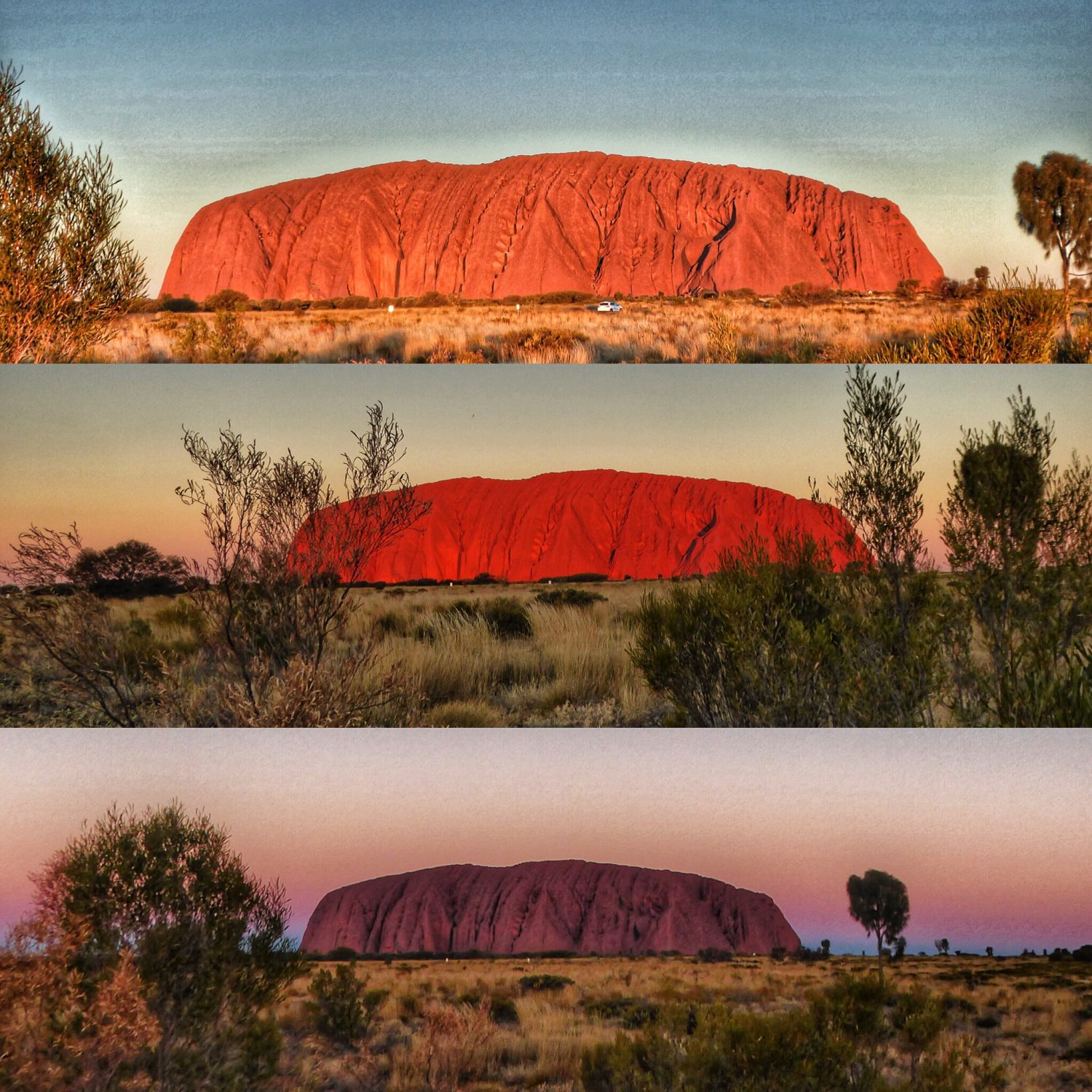
One of the most extraordinary aspects of Uluru and the Red Centre is Uluru’s dramatic color transformation.
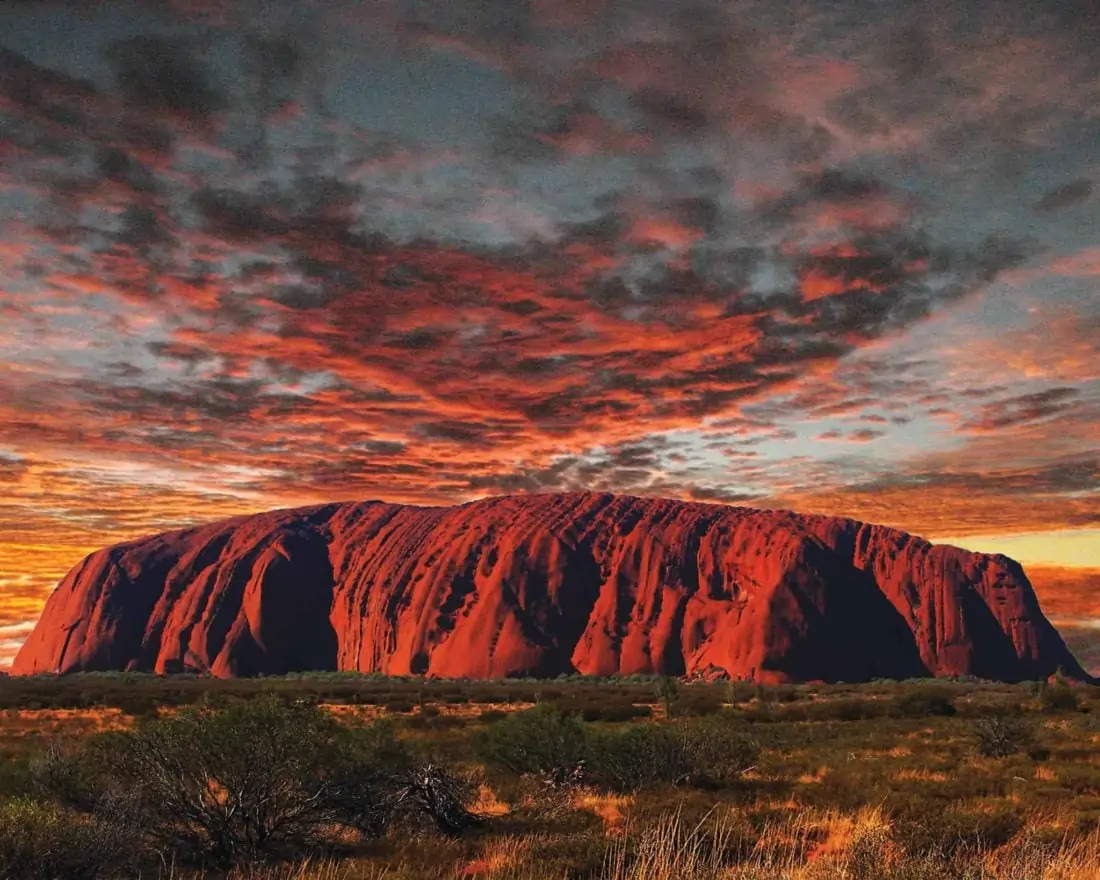
At sunrise, the rock glows golden-orange. As the day progresses, it deepens into earthy red. During sunset, Uluru appears to burn in brilliant crimson and purple tones.
This phenomenon occurs because of the iron minerals within the sandstone reacting with sunlight. Sunset viewing areas around the park allow visitors to witness one of Australia’s most iconic natural spectacles.
At night, the desert sky becomes a masterpiece of stars. With minimal light pollution, stargazing in the Red Centre is unforgettable.
Exploring Kata Tjuta and Beyond:
While Uluru is the highlight, Uluru and the Red Centre offer much more.
Nearby lies Kata Tjuta, also known as The Olgas. Meaning “many heads”, Kata Tjuta consists of 36 massive domed rock formations rising from the desert plain.
The Valley of the Winds walk is one of the most spectacular hikes in Australia, taking visitors through narrow gorges and elevated lookouts with panoramic desert views.
Further afield, travelers can explore:
- Kings Canyon – Famous for its Rim Walk and dramatic sandstone cliffs.
- Alice Springs – The vibrant outback town that serves as a gateway to the Red Centre.
Together, these destinations form the ultimate Australian outback road trip.
Unique Experiences in the Red Centre:
A visit to Uluru and the Red Centre is filled with unforgettable activities:
- Guided cultural tours led by Anangu guides
- Camel rides across red desert dunes
- Scenic helicopter flights over Uluru and Kata Tjuta
- Outdoor dining experiences under the desert sky
- Multi-day camping adventures in the outback
Each experience connects visitors more deeply to the landscape and its stories.
Best Time to Visit Uluru and the Red Centre:
The desert climate can be extreme. Summer temperatures often exceed 40°C (104°F), making outdoor activities challenging.
The best time to visit Uluru and the Red Centre is between May and September, when cooler temperatures make hiking and sightseeing more comfortable.
Flights operate directly to Ayers Rock Airport near Yulara, or visitors can drive from Alice Springs — approximately 4.5 hours away.
Wildlife and Desert Ecosystem:
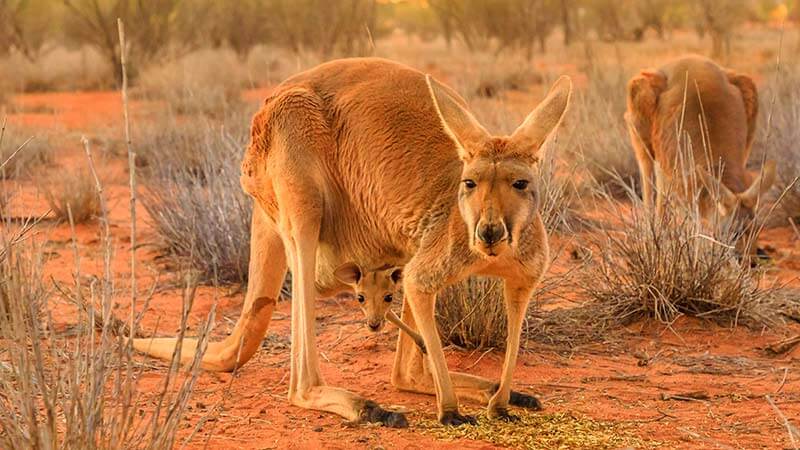
Despite its harsh environment, the Red Centre is home to kangaroos, dingoes, reptiles, and unique bird species. Native desert plants have adapted to survive intense heat and limited rainfall.
Protecting this fragile ecosystem is essential. Visitors are encouraged to travel responsibly and leave no trace.
Why Uluru and the Red Centre Are a Transformational Destination:
What makes Uluru and the Red Centre truly unforgettable is not just the scenery — it is the feeling.
The vast silence of the desert creates space for reflection. The red earth stretching to the horizon humbles even the most experienced traveler. The deep spiritual presence of Uluru reminds visitors that this land holds stories older than recorded history.
Here, you do not simply take photographs. You experience perspective.
A journey to Uluru and the Red Centre is more than a road trip — it is a sacred encounter with Australia’s ancient heart. From the glowing sandstone of Uluru to the dramatic domes of Kata Tjuta and the endless desert skies, every moment carries depth and meaning.
If you seek a destination that blends culture, nature, adventure, and spirituality, this iconic region of Australia belongs on your travel list.
For more inspiring travel guides and meaningful destination stories, explore the world with purpose through Nutrition Travels — where every journey tells a deeper story