

Being a veteran athlete does not mean slowing down or declining in ability. In many cases, it reflects experience, body awareness, and a deeper understanding of what the body needs to maintain strength and energy. After the age of sixty, nutrition becomes more than just a way to support athletic performance—it also helps preserve muscle mass, maintain bone health, and sustain daily energy levels.
Many people who remain physically active at this age notice that their bodies no longer respond to food and exercise in the same way. This is where smart nutrition tailored to the veteran athlete becomes essential, as food choices become just as important as training itself.

Why Does Nutrition Change for the Veteran Athlete?
With aging, natural physiological changes occur, such as:
- Gradual loss of muscle mass
- Slower metabolism
- Changes in nutrient absorption
- Increased need for protein and certain vitamins
For this reason, the veteran athlete needs a nutrition plan that supports muscles, joints, and energy—not just calorie intake.
Protein: The Foundation of Veteran Athletic Performance:
One of the most important nutrients for any veteran athlete is protein. As the body ages, it becomes less efficient at building muscle, meaning slightly higher protein intake is needed to maintain muscle mass.
Good protein sources include:
-
- Eggs
- Fish
- Chicken
- Legumes
- Greek yogurt
- Nuts
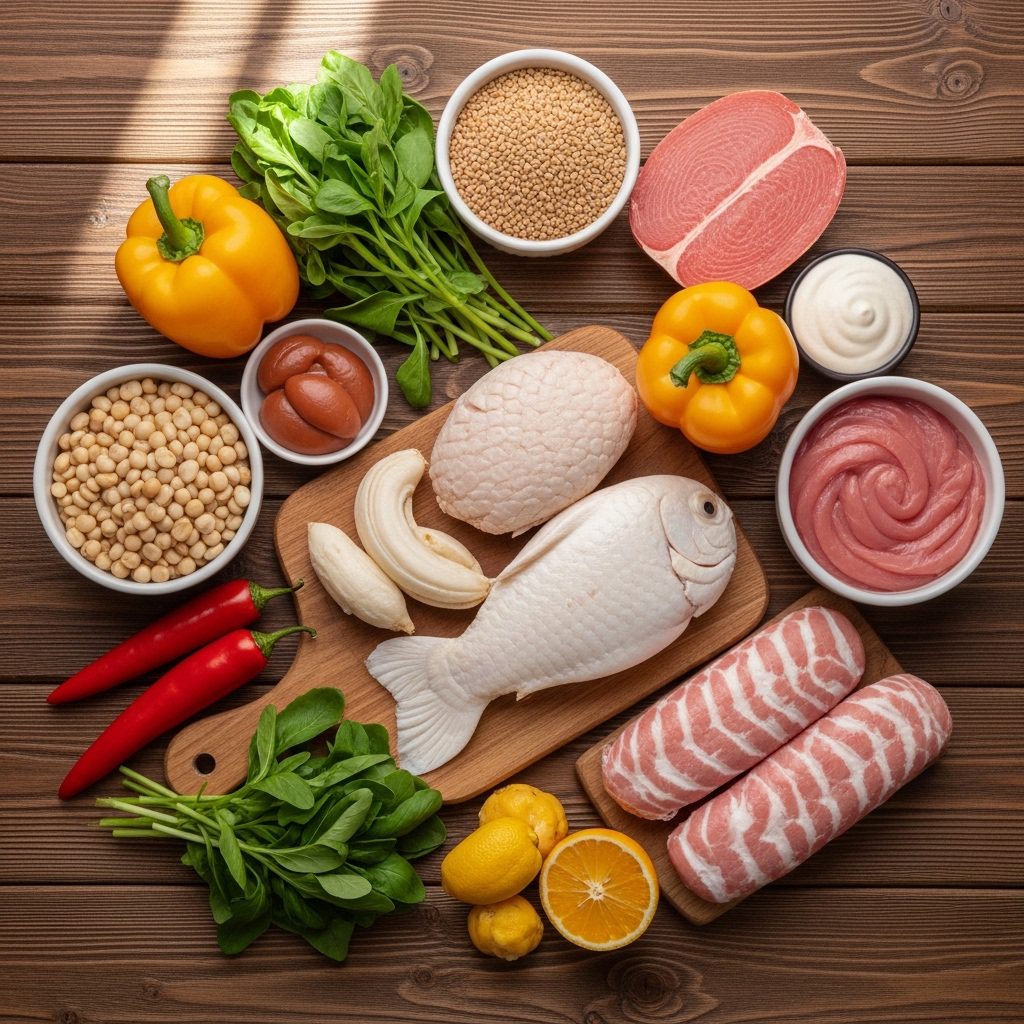
It is best to distribute protein intake across meals throughout the day rather than consuming it in one sitting. This approach helps the body utilize protein more efficiently, which is crucial for maintaining physical strength in the veteran athlete.
Smart Carbohydrates for Sustained Energy:
Carbohydrates remain a primary source of energy, especially during physical activity. However, the veteran athlete benefits more from complex carbohydrates that digest slowly.
Examples include:
-
- Oats
- Brown rice
- Sweet potatoes
- Whole-grain bread
These foods help maintain steady energy levels during exercise and throughout the day while preventing sudden drops in blood sugar.
Healthy Fats and Joint Health:
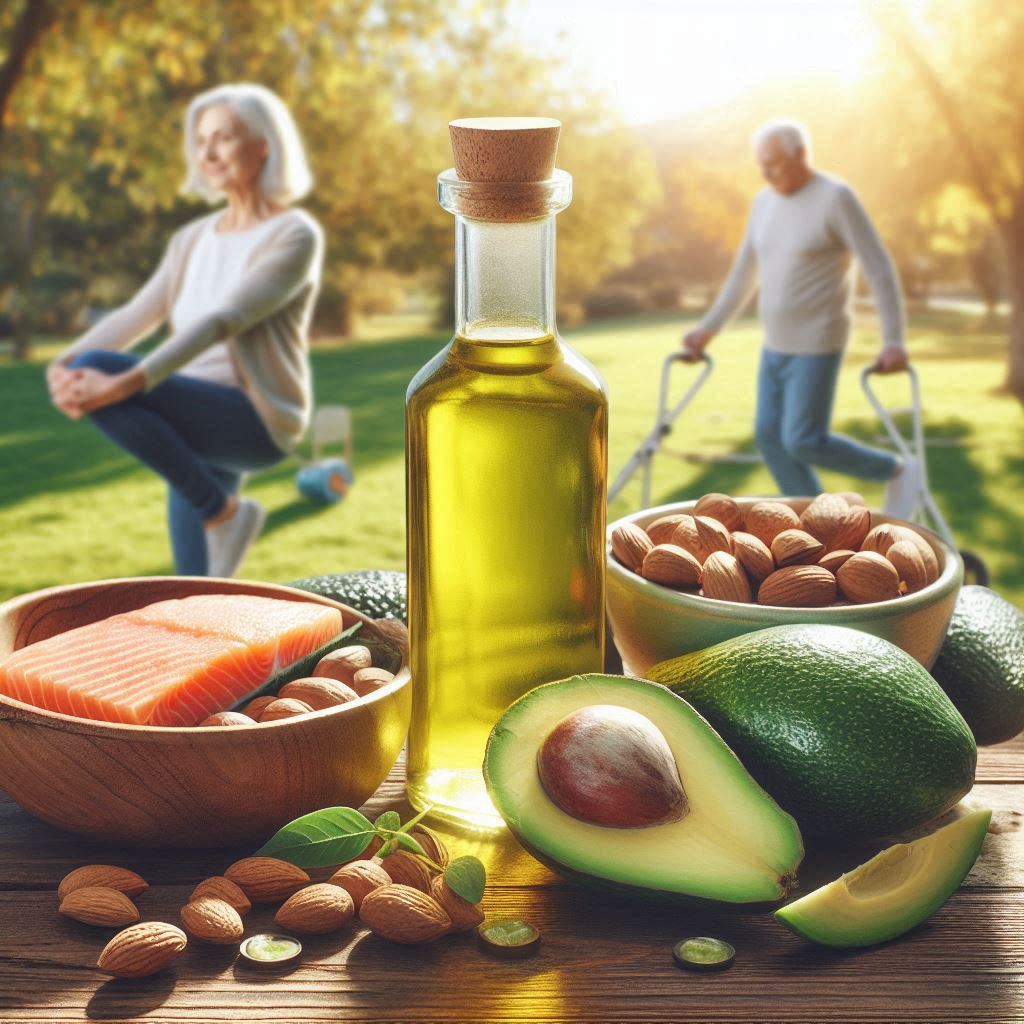
Continuing physical activity after sixty makes joint health a priority. Healthy fats can help reduce inflammation and support mobility.
Sources of healthy fats include:
-
- Olive oil
- Avocado
- Nuts
- Fatty fish such as salmon
Adding these fats to the diet supports athletic performance and helps the veteran athlete continue training without excessive joint strain.
Hydration: An Often Overlooked Factor:
The sensation of thirst decreases with age, but the body’s need for water does not. A veteran athlete should consciously drink water regularly, especially before and after exercise.
Even mild dehydration can affect:
-
- Balance
- Concentration
- Endurance
- Muscle recovery

Maintaining proper hydration may be one of the simplest ways to improve athletic performance after sixty.
Important Vitamins and Minerals:
Some nutrients become more important with age, including:
- Calcium
- Vitamin D
- Vitamin B12
- Magnesium
These nutrients support bones, muscles, and the nervous system and are essential for keeping the veteran athlete active safely and consistently.
The Veteran Athlete: Meal Timing Matters for the Veteran Athlete:
Before Exercise:
-
- Easily digestible carbohydrates
- A small amount of protein
Examples include:
-
- A banana with yogurt
- Whole-grain toast with peanut butter
- Oatmeal with milk
This helps the veteran athlete maintain steady energy during exercise without feeling heavy.
After Exercise:
Nutritional recovery is essential for muscle maintenance. After exercise, the body needs:
-
- Protein to repair muscles
- Carbohydrates to restore energy
Simple examples:
-
- Chicken with brown rice
- Eggs with whole-grain bread
- Yogurt with fruit

Eating within about an hour after physical activity helps the veteran athlete recover more effectively and reduce muscle fatigue.
Example of a Balanced Daily Menu:
This is a flexible model that can be adjusted as needed:
- Breakfast:
- Oatmeal with milk, nuts, and fruit
- Snack:
- Greek yogurt
- Lunch:
- Grilled fish, brown rice, and vegetables
- Before exercise:
- A banana
- Dinner:
- Large salad, boiled eggs, and whole-grain bread
This type of balanced nutrition helps the veteran athlete maintain energy throughout the day without feeling exhausted.
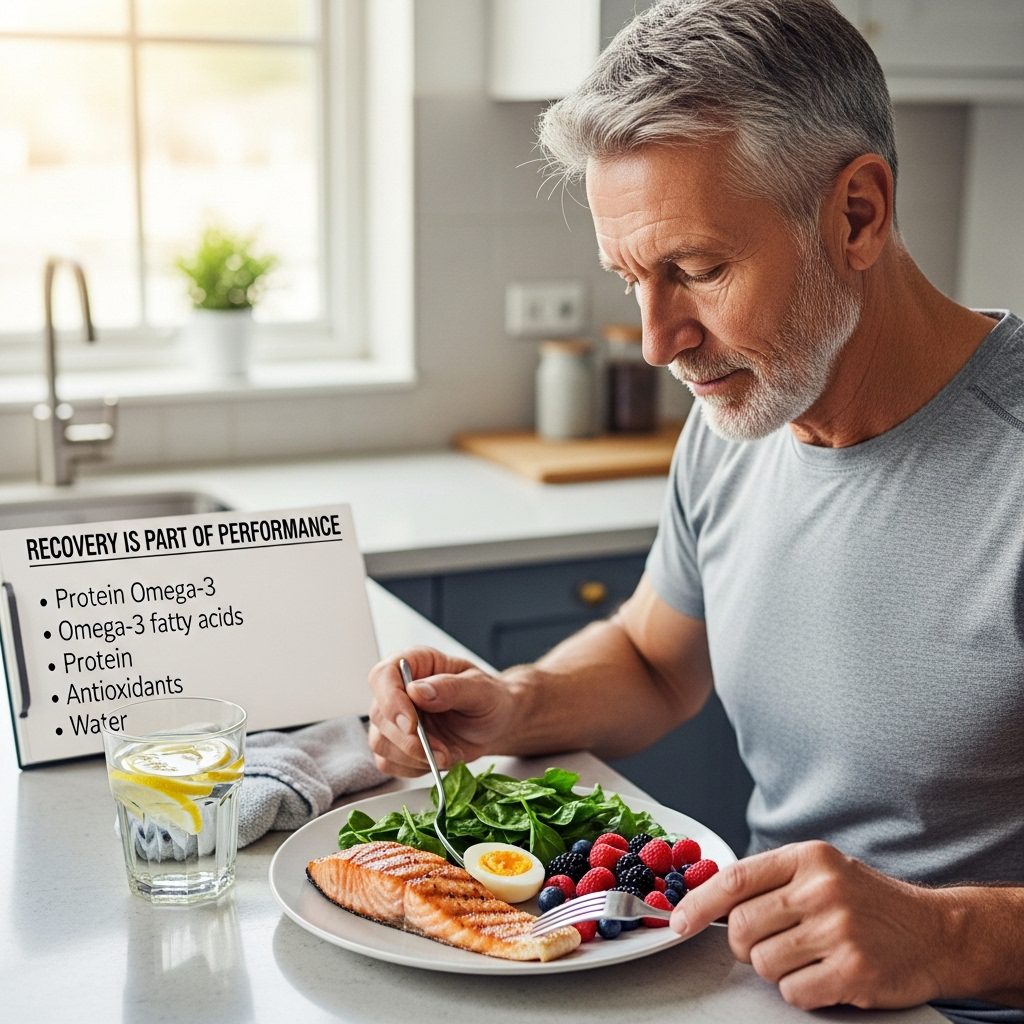
The Veteran Athlete: Recovery Is Part of Performance:
One of the biggest differences between younger athletes and the veteran athlete is that recovery takes longer. Nutrition plays a key role here.
Nutrients that support recovery include:
- Protein
- Omega-3 fatty acids
- Antioxidants
- Water
Colorful fruits and vegetables, such as berries and spinach, help reduce exercise-related inflammation.
Common Nutrition Mistakes After Sixty:
Even experienced athletes may make mistakes, such as:
- Reducing protein intake too much
- Neglecting hydration
- Skipping meals
- Relying on supplements instead of food
- Excessively cutting calories
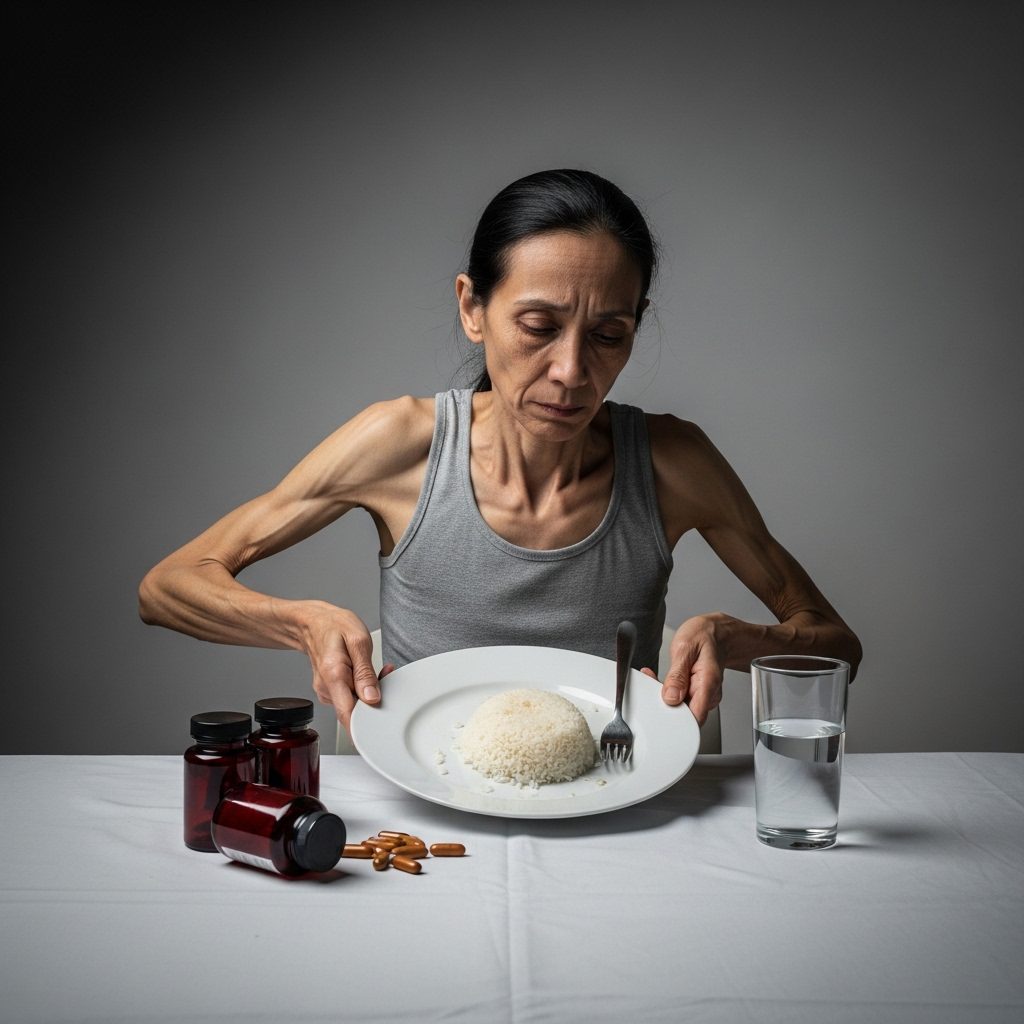
Balance is more important than perfection. The goal is to support the body so it can keep moving—not to place additional stress on it.
The Veteran Athlete: Consistency Matters More Than Intensity:
Good nutrition is not only about improving athletic performance but also about maintaining quality of life.
When a veteran athlete follows a balanced diet, physical activity becomes easier and more enjoyable. Even small dietary adjustments can lead to:
- More stable energy levels
- Faster recovery
- Better muscle strength
- Improved sleep
This is what makes nutrition a fundamental part of an active lifestyle after sixty.
According to the National Institute on Aging, maintaining a balanced diet along with physical activity helps preserve independence and physical strength as we age.
You can read more from the official government source here .
Being a veteran athlete means understanding your body and supporting it with the right nutrition.
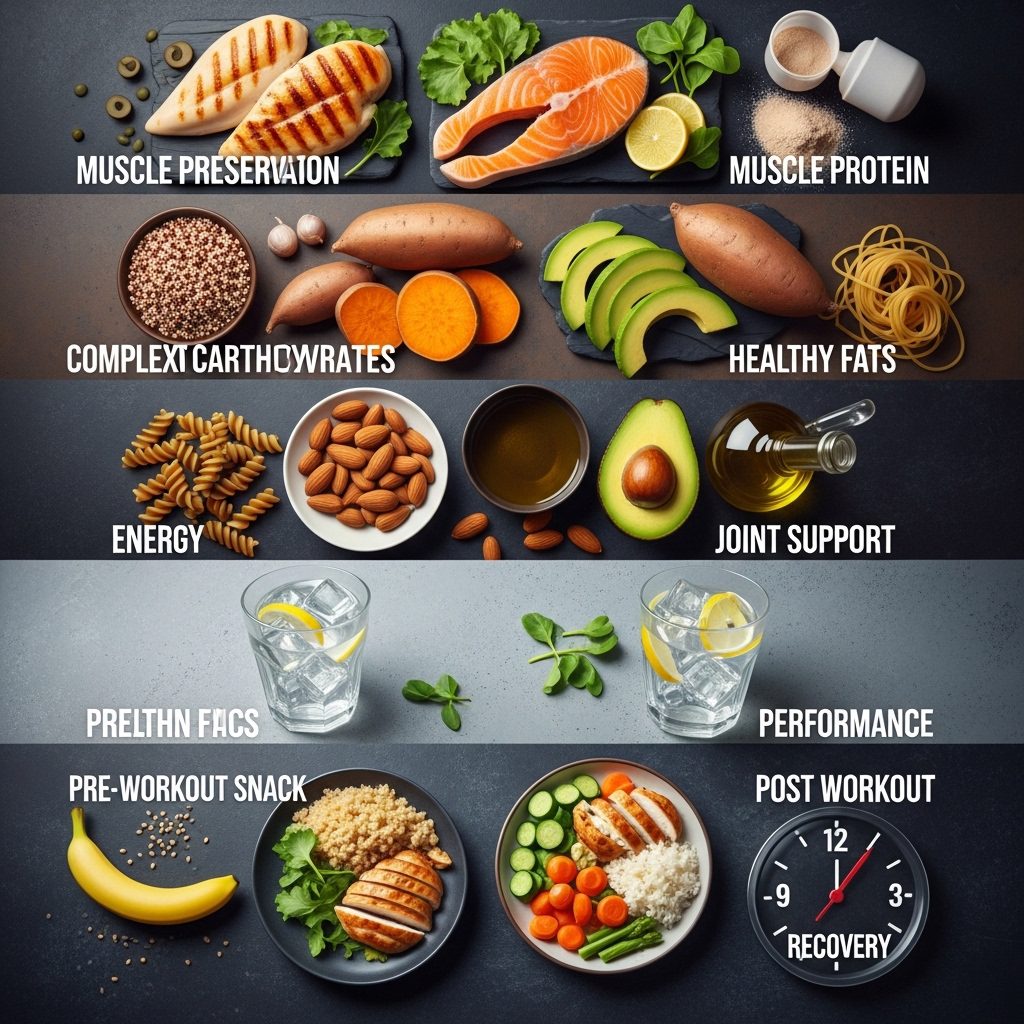
- Protein preserves muscle mass
- Carbohydrates provide energy
- Healthy fats support joints
- Water sustains performance
- Meal timing supports recovery
Together, these elements help maintain athletic activity for many years to come.
Staying physically active after sixty begins in the kitchen just as much as it begins in the gym.
If you’re interested in learning more about healthy nutrition, travel, and balanced living, explore new articles and guides on nutritiontravels, where we share practical ideas to help you stay active at every stage of life.