

Travel is one of the most enriching activities that broadens a person’s horizons and adds experiences different from daily life. With the increasing amount of travel around the world, a new concept has emerged that focuses on how to actively contribute to improving destinations in a lasting way. This is what we mean by regenerative travel.
So, what does it mean to be a regenerative traveler? Simply put, regenerative travel goes beyond the traditional concept of sustainability. While sustainable tourism focuses on minimizing the negative impact of tourists on the environment and local communities, regenerative travel emphasizes leaving a tangible positive footprint that helps the destination evolve and thrive.

What is Regenerative Travel?
Regenerative travel is a transformative approach to tourism that goes beyond sustainability, actively working to restore and improve the environment and local communities. Unlike conventional tourism, which is often exploitative, regenerative tourism aims to renew ecosystems, revive cultures, and empower local communities.
This tourism model encourages travelers to participate in environmental conservation projects, support local artisans, and engage in community-based tourism. By choosing regenerative travel experiences, travelers contribute to making destinations better.

Why is Regenerative Travel Important Today?
1. Economic Benefits for Local Communities:
Regenerative travel provides significant economic benefits to local communities. Unlike conventional tourism, where profits often go to large corporations, regenerative practices enhance local job opportunities and support small businesses. Visitors are encouraged to interact with local artisans, buy local products, and dine at local restaurants, contributing to a circular local economy.
2. Preserving Cultural Heritage:
Regenerative tourism plays a pivotal role in preserving cultural heritage by valuing local traditions, languages, and historical narratives. By involving visitors in authentic cultural experiences, regenerative tourism helps raise awareness and appreciation for local customs and celebrations, ensuring that local cultures are celebrated rather than exploited commercially.
3. Restoring and Protecting the Environment:
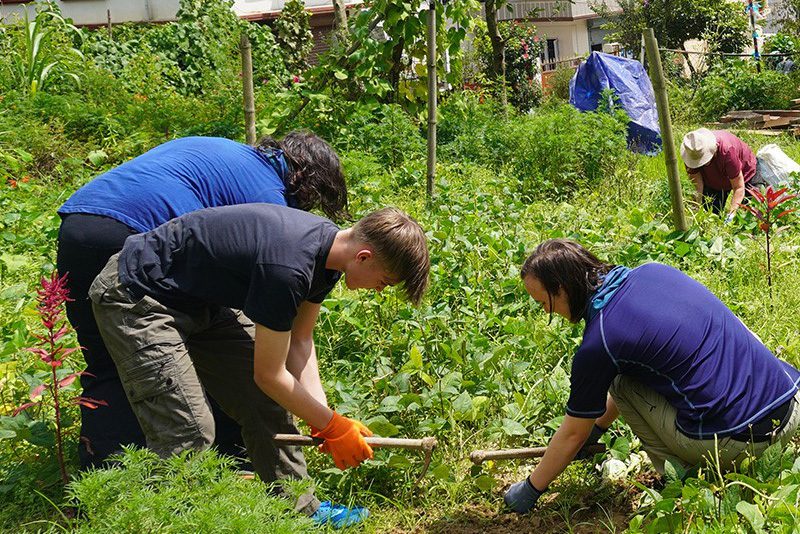
Restoring and protecting the environment is at the core of regenerative travel. This tourism model focuses on conserving natural resources and repairing ecosystems. Activities such as wildlife protection and environmental awareness are central. Regenerative travel encourages visitors to participate in reforestation projects, beach cleanups, and other eco-friendly initiatives.
4. Building Community Resilience:
Building the resilience of communities is a fundamental pillar of regenerative tourism, empowering local populations to take charge of their development and future. By involving community members in planning and implementing tourism strategies, regenerative travel prioritizes local voices. This engagement fosters skill and knowledge development, enhancing the community’s ability to adapt to economic and environmental challenges.
How Can a Tourist Be Regenerative?
Regenerative tourism isn’t difficult to apply, but it requires awareness and a genuine desire to make a difference. Here are some ways travelers can contribute positively to destinations:
1. Supporting Local Projects and Small Communities:
Instead of relying on global chains, travelers can choose to stay in locally owned hotels or guesthouses, buy food from local restaurants, and participate in traditional cultural activities. This ensures that the money spent during the trip directly benefits the community.
2. Participating in Environmental Protection:
Some destinations offer opportunities to engage in environmental activities such as beach cleanups, tree planting, or supporting wildlife conservation projects. Participation in these activities gives the trip a clear positive impact.

3. Choosing Eco-Friendly Transportation:
Opting for public transportation, cycling, or walking instead of high-emission alternatives reduces environmental pressure and helps the traveler minimize the negative footprint of their journey.
Real-Life Examples of Regenerative Travel Around the World:
1. Costa Rica: Offers eco-tourism programs that include tree planting and wildlife monitoring. Travelers participate directly in rainforest conservation efforts.
2. Indonesia: Certain islands offer regenerative marine tourism, allowing visitors to help clean coral reefs and support sea turtle rehabilitation programs.
3. Scotland: Some destinations offer experiences living with rural communities and participating in historic building restoration, enhancing local heritage.

Challenges of Regenerative Travel:
1. Advanced Planning: Regenerative trips require prior research to choose the right destinations and activities.
2. Higher Costs: Supporting local projects or participating in environmental programs can sometimes be more expensive than conventional tourism.
3. Awareness and Education: Some travelers may not have sufficient information about the importance of regenerative travel or how to apply it correctly.
However, these challenges can be overcome through education and careful planning.

Regenerative travel represents a new phase of tourism, where the traveler is not just a consumer but a partner in the growth of the destination, the revival of ecosystems, and the empowerment of local communities. Each trip carries the opportunity to contribute to environmental improvement, support local communities, and preserve cultural heritage. It is an invitation to think more deeply about travel, making every journey more meaningful and enriching.
At Nutrition Travels, we provide readers with all the information and guidance needed to travel in a regenerative and responsible way, with practical tips on how to make your journey beneficial for the environment, local communities, and cultural heritage.