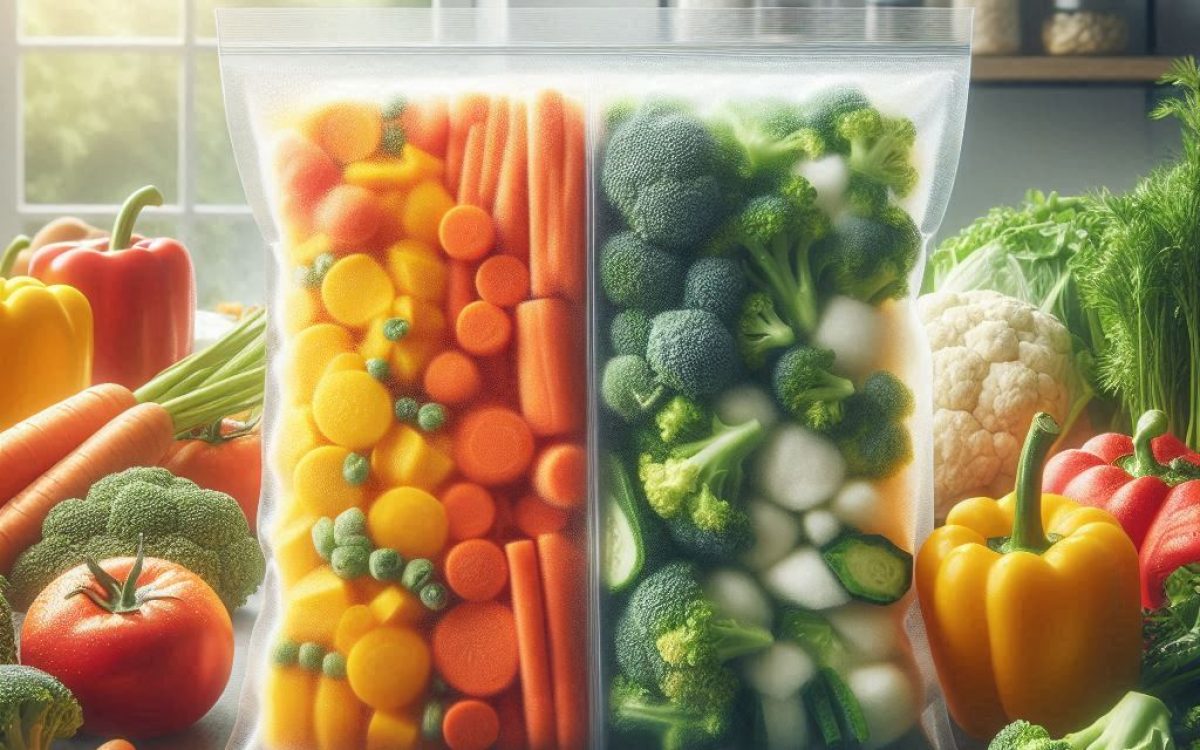
When it comes to family nutrition, one of the most common questions is about frozen vs. fresh vegetables: Are fresh vegetables always better than frozen ones? Or can frozen vegetables offer the same benefits, and sometimes even more? At first glance, the topic seems simple, but scientific evidence shows that it’s not that straightforward, and each type of vegetable has its own advantages and considerations for your family’s health.
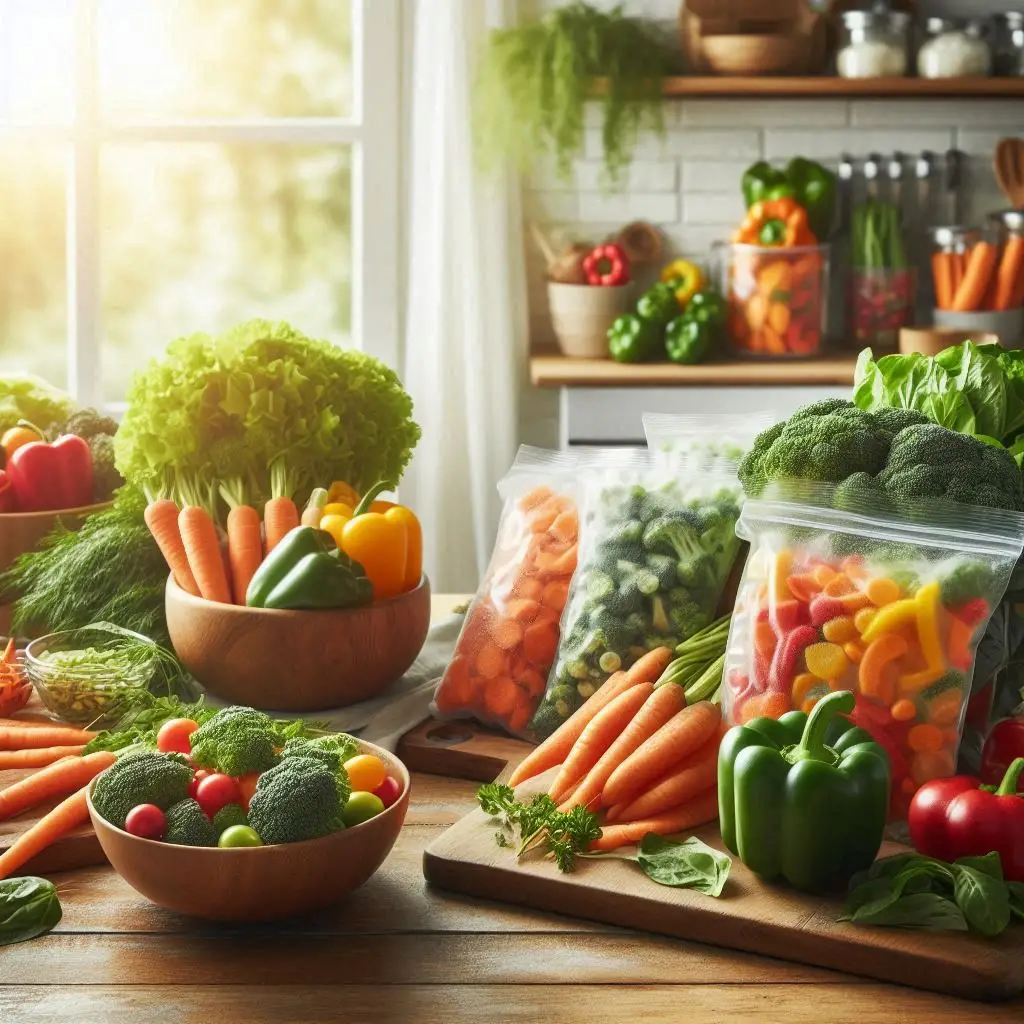
Nutritional Value: Frozen vs. Fresh Vegetables?
Fresh vegetables are often seen as the better choice because they look more natural, with vibrant colors and appealing aromas. However, science suggests that fresh doesn’t always mean more nutritious.
1. Frozen Vegetables:
One of the main benefits of frozen fruits and vegetables is that they are usually harvested at peak ripeness, then briefly blanched in hot water to kill bacteria and deactivate enzymes that can spoil produce quickly. They are then frozen, which helps them retain their nutrients.
2. Fresh Vegetables:
Their nutritional value depends heavily on transportation and storage time. Studies have shown that vegetables that sit for days or weeks after harvest may lose a significant portion of antioxidants and vitamins. Therefore, fresh vegetables from a local market or home garden are often more nutritious, while those transported over long distances may lose some of their nutritional value.
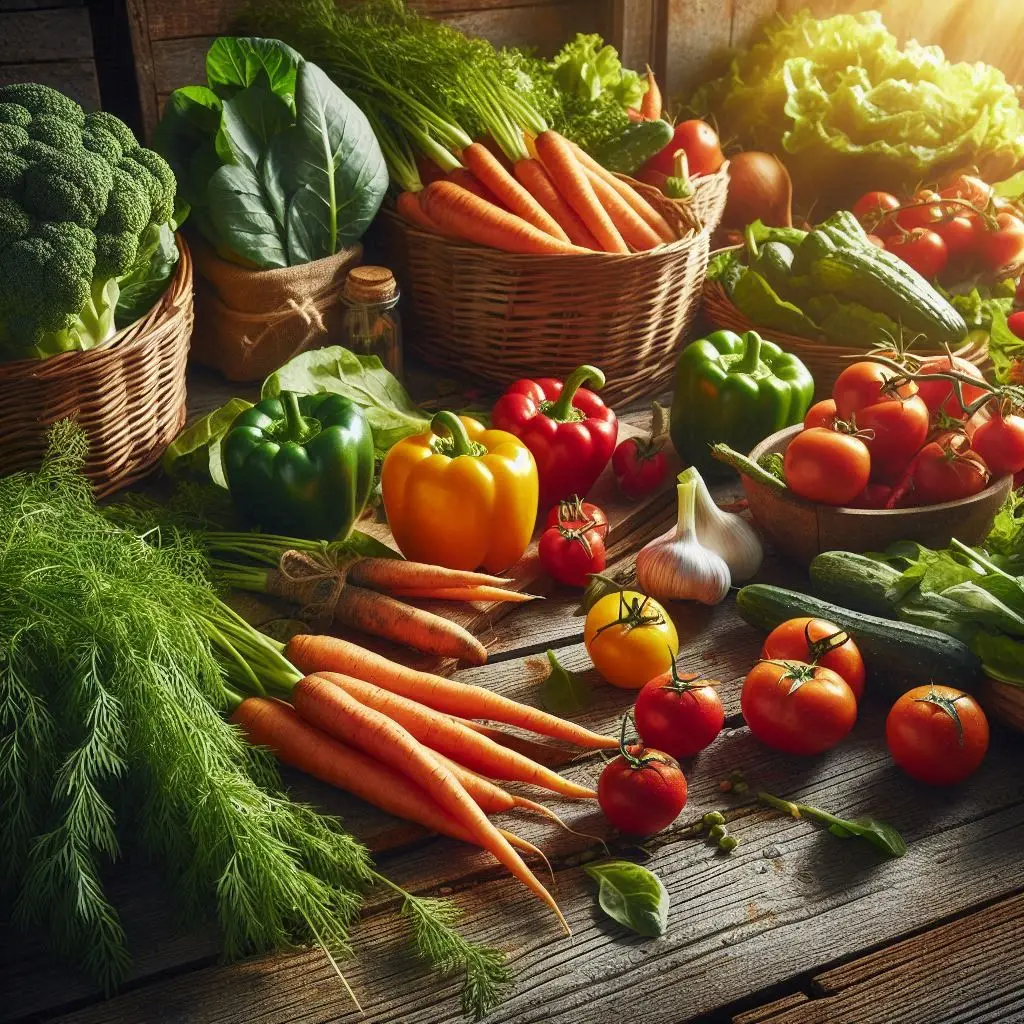
Key Nutrients in Frozen vs. Fresh Vegetables:
1. Vitamin C: Extremely sensitive to heat and light. Studies indicate that frozen vegetables retain higher levels of vitamin C compared to fresh vegetables that have been stored for several days.
2. Vitamin A and Beta-Carotene: Frozen vegetables usually maintain good levels of these nutrients and sometimes slightly more than fresh vegetables stored for long periods.
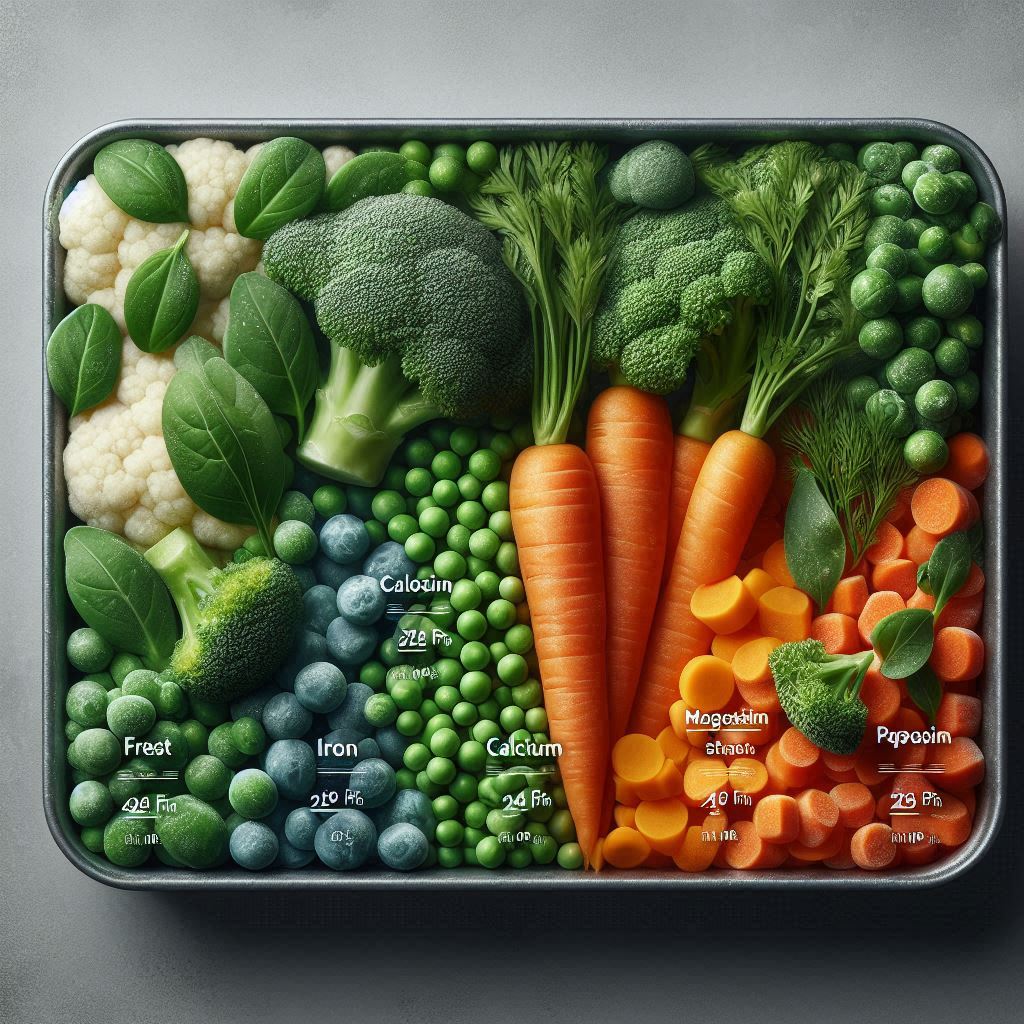
3. Minerals: Minerals such as iron, calcium, and magnesium are generally unaffected by freezing, making frozen and fresh vegetables comparable in this regard.
How Storage and Preparation Affect Frozen vs. Fresh Vegetables:
Fresh vegetables are often stored in the fridge or displayed on shelves for days, sometimes over a week, before consumption. This storage can result in:
- Loss of water-soluble vitamins like vitamin C.
- Changes in texture or flavor, which may make them less appealing to children or adults.
- Frozen vegetables, on the other hand, are frozen immediately after harvest, preserving nutrients for a longer time and remaining usable for several months.
Food Safety:
1. Frozen Vegetables: Generally very safe, as freezing greatly slows bacterial growth.
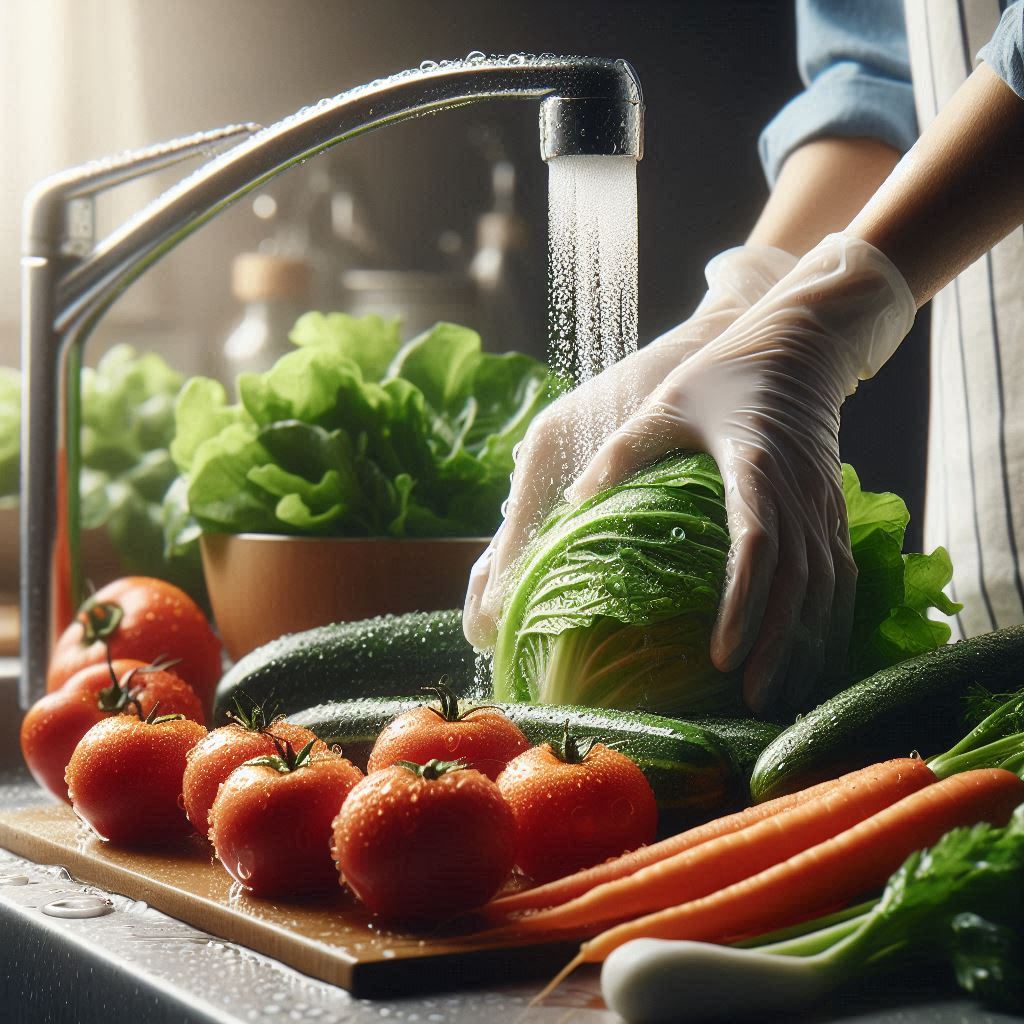
2. Fresh Vegetables: Require thorough washing, especially if they are organic or untreated, as they may contain pesticide residues or microbes from the soil.
From a family health perspective, frozen vegetables can be a safer and more reliable choice.
Practical Tips for Daily Vegetable Consumption:
1. Prepare vegetables in healthy ways, such as steaming or light boiling.
2. Buy fresh vegetables seasonally to enjoy maximum nutritional value.
3. Store fresh vegetables properly to maintain their nutrients.
4. Keep frozen vegetables as a backup, especially for quick meals.

The truth is that both fresh and frozen vegetables are healthy and nutritious, but each has its own advantages. Fresh vegetables provide the natural flavor and excellent texture when consumed immediately, while frozen vegetables offer convenience, reduce food waste, and preserve vitamins and minerals for longer.
From a modern family perspective, choosing a variety of vegetables—fresh or frozen—may be smarter than focusing solely on one type. The key is to ensure you consume the recommended daily amount of vegetables, regardless of the form, because health starts with sustainable and diverse choices.
At Nutrition Travels, you’ll find all the reliable information and scientific tips to help you choose the best vegetables for your family and maintain a healthy, balanced diet.